Traditional Spanish clothing covers a range of regional dress forms that developed across the Iberian peninsula from the medieval period through the twentieth century, from the ruffled flamenco dresses of Andalusia to the white linen shirts and wide sashes of the Valencian fallas, the black berets of the Basque Country, and the embroidered traje de luces worn by bullfighters in the ring. Spanish formal dress of the sixteenth century set fashion standards across Europe before Paris took over that role, and several garments that originated in Spain, including the corset, the farthingale, and the mantilla, became part of the wider European wardrobe. The traje de flamenca is sometimes described as the only traditional dress in the world that changes its design with the fashion of each year, a feature that sets Spanish folk dress apart from the fixed-pattern costumes of most other European traditions.
This article covers the main types of traditional Spanish clothing by garment and by region, traces the working-class origin of the flamenco dress through Sevilla’s nineteenth-century cattle fairs, explains the mantilla and peineta protocol, the bullfighter’s traje de luces, the Goyesco corrida costume tradition, and notes where regional dress is still worn at festivals and public events today.
Main Types of Traditional Spanish Clothing
The garments most associated with traditional Spanish dress fall into several categories:
- Mantilla: a light lace or silk scarf worn over the head and shoulders, usually draped over a peineta comb, for religious ceremonies and formal occasions
- Peineta: a tall decorative comb, often in tortoiseshell, used to hold the mantilla in place and increase the wearer’s height
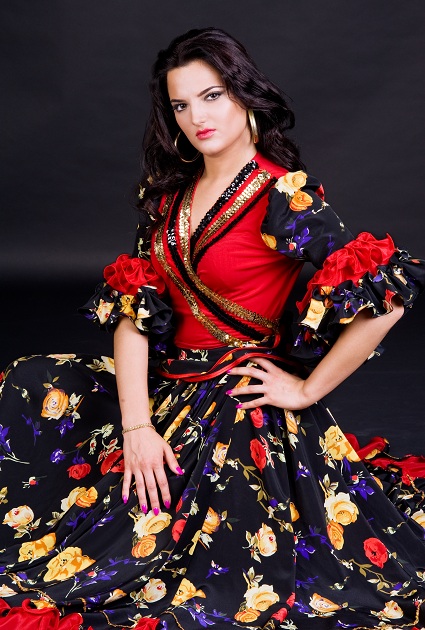
- Flamenco dress (traje de flamenca): a fitted, ruffled dress in red, black, white, or polka-dot fabric, worn by women at ferias and flamenco performances
- Traje de luces: the embroidered silk-and-gold suit of lights worn by bullfighters in the ring
- Traje corto: a short jacket, high-waisted trousers, and broad-brimmed hat worn by horsemen in Andalusia
- Goyesco suit: an eighteenth-century Bourbon-era revival costume worn at the annual Ronda Goyesca corrida and Goya-themed events, modelled on Goya’s tapestry-cartoon figures
- Faja: a wide fabric sash wrapped around the waist, common in Aragon, Navarre, and Valencia
- Gilet or chaleco: a sleeveless fitted jacket or waistcoat, often embroidered, worn across several regions
- Alpargatas: rope-soled espadrilles, originally a Catalan and Valencian working shoe, still worn at Aragonese and Catalan festivals
- Castanuelas: castanets, the wooden percussion clappers that accompany Andalusian, Aragonese, and Manchego dances
How the Traje de Flamenca Evolved
The traje de flamenca did not begin as a stage or festival costume. Its earliest form was the bata de faena, the cotton work dress worn by Andalusian peasant women, particularly Roma women, when they accompanied their husbands to cattle fairs at the end of the nineteenth century. The dress had a single ruffle at the hem to keep the skirt off the mud, and an apron at the waist to protect the working dress.
The 1847 Feria de Abril in Sevilla, originally a livestock-trading event, was the turning point. Roma traders and their wives arrived in the bata de faena, and over the following decades the gathering shifted from a cattle fair to a social event. Wealthier Sevillian women adopted the same silhouette but in more expensive fabrics, added more rows of volantes (ruffles) to the skirt, and incorporated lace, embroidery, and floral patterns. The 1929 Ibero-American Exposition in Sevilla, the largest international event held in the city before the modern era, sealed the conversion: the traje de flamenca was presented as the regional dress of Andalusia and adopted as the standard feria costume across the country.
Two specialised variations developed alongside the standard feria dress:
- Bata de cola: a flamenco performance dress with an extended train, used by professional dancers for the floor-sweeping movements of the bulerias, alegrias, and solea palos
- Traje de gitana: an older term for the same garment, still used by some Sevillian flamenco circles to mark the Roma origin of the silhouette
The traje de flamenca is updated each year with a new colour palette, sleeve length, and ruffle arrangement set by Sevillian and Cordoban ateliers in the months before the Feria de Abril. The seasonal turnover makes it the only major traditional European dress that operates on a fashion calendar rather than a fixed historical pattern, a feature noted in Museo del Traje exhibits and in Spanish cultural-heritage scholarship.
The Mantilla and Peineta
The mantilla is a lace or silk veil draped over the head and shoulders, held in place by a tall comb called a peineta. The mantilla tradition goes back to the sixteenth century and is linked to the Catholic practice of women covering their heads in church. The finest mantillas are made from black or white Chantilly lace or from the heavier blonda lace produced in the Valencia and Catalonia regions, with the lace village of Almagro in Castilla-La Mancha holding the historic Spanish production centre.
Mantilla protocol follows a colour code that Spanish women still observe at major events:
- Black mantilla: solemn occasions including Holy Week processions, funerals, and audiences with the Pope on weekdays
- White or ivory mantilla: weddings, christenings, and audiences with the Pope on Sundays
- Coloured mantilla: occasional use at bullfights and some regional festivals, less common in formal protocol
The peineta raises the mantilla above the crown of the head and creates the distinctive tall silhouette that appears in Spanish portraiture from Goya onward. The mantilla saw a decline in everyday use across the twentieth century but remains standard dress code for Holy Week in Seville and for formal Catholic occasions across the country. Spanish royal women, including Queen Letizia, wear the mantilla at Vatican events. The Almeria mantillera tradition still produces handmade lace mantillas to commission, with prices for a top-end black Chantilly running into thousands of euros.
The Flamenco Dress at Ferias Today
The traje de flamenca is the garment most internationally associated with Spain, worn by dancers and famous Spanish speaking people at public events. The dress is fitted through the bodice and flares below the knee or hip into a series of ruffled tiers called volantes. Traditional colours are red, black, white, and polka-dot, although modern feria fashion in Seville and other Andalusian cities has expanded the palette to include green, blue, and pastel prints.
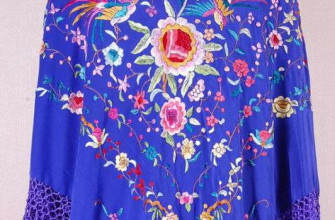
Women wear the traje de flamenca at the Feria de Abril in Seville, the Feria de Malaga, the Feria del Caballo in Jerez, and at smaller local ferias across Andalusia. The dress is paired with a flower in the hair, drop earrings, and a fringed shawl called a manton de Manila, originally imported from the Philippines through the Manila galleon trade. Flamenco dancers wear a stage version of the same silhouette, often in darker colours with longer trains for dramatic floor work.
Men at Andalusian ferias wear the traje corto: a short fitted jacket, high-waisted trousers, leather boots, and a broad-brimmed Cordoba hat. Horse riders in the feria parades dress in the same style, and the traje corto is also standard attire for rejoneadores, mounted bullfighters who work from horseback.
The Traje de Luces: Bullfighter Costume
The traje de luces, or suit of lights, is the embroidered costume worn by matadors in the bullring. The suit consists of a short bolero jacket called a chaquetilla, skin-tight trousers called taleguilla, a waistcoat, pink stockings, and flat black shoes. The jacket and trousers are covered in gold or silver thread embroidery, sequins, and glass beads that catch the light as the matador moves, which is the origin of the name.
Each traje de luces is made to measure by specialist tailors, with the main workshops in Madrid and Seville. The cost of a single suit runs from around 3,000 euros for a basic version to over 30,000 euros for an elaborate gold-embroidered set, and a working matador owns multiple suits in different colours for different stages of the season. The cape de paseo, a richly embroidered ceremonial cape, is worn for the matador’s entry parade into the ring and then removed before the fight begins.
The Goyesca Corrida in Ronda
The Goyesca corrida, held each September at the Real Maestranza bullring in Ronda, Malaga province, runs on costumes from the late eighteenth century rather than the traje de luces. The event takes its name from Francisco de Goya, whose tapestry cartoons and bullfighting series documented the dress of his era. Matadors wear short embroidered jackets, lace cuffs, and breeches with white stockings, all modelled on Goya’s plates.
The event was created in 1954 to mark the bicentenary of bullfighter Pedro Romero, the Ronda matador who codified modern on-foot bullfighting in the late 1700s. Today the Goyesca draws among the highest ticket prices of any Spanish bullfight and serves as a runway for eighteenth-century-style couture, with the spectator dress code following the same Goya-era period silhouette. Ronda also runs a parallel Goyesque flamenco evening that uses the eighteenth-century vestido de maja silhouette rather than the standard traje de flamenca.
Regional Dress Across Spain
Beyond the Andalusian and national garments, each Spanish region maintains its own traditional dress for festivals and public events. The 1925 Madrid Exposicion del Traje Regional e Historico catalogued these regional patterns for the first time at national scale and seeded the collection that became the Museo del Pueblo Espanol and, later, the Museo del Traje in Madrid.
- Valencia: women wear the fallera costume for the Fallas festival in March, a fitted bodice, wide skirt, and an elaborate hairpiece with gold pins and combs. Men wear a white linen shirt, a faja sash, and an embroidered waistcoat. A variant fallera silhouette appears at Castellon’s Magdalena festival and at Alcoy’s Moros y Cristianos.
- Aragon: the jotera costume for jota dancers includes a full skirt, a fitted bodice with a cachirulo headscarf for women, and knee-length trousers with a faja sash for men. The Mudejar-influenced embroidery on Aragonese costumes draws on the medieval Muslim-Christian artisan exchange of the Ebro valley.
- Basque Country: the txapela beret, a white shirt, and a red faja sash are standard for men at festivals. The white-and-red colour scheme dominates the San Fermin festival in Pamplona in Navarre, where runners wear white clothing with a red neckerchief and sash.
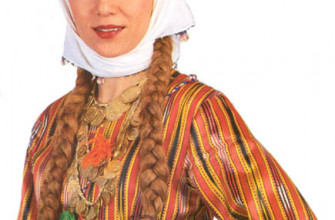
- Galicia: traditional dress includes a long dark skirt, a white blouse, a headscarf called a pano, and wooden clogs called zocas, reflecting the region’s rainy Atlantic climate. The Galician traje labrador includes a heavier woollen capa for cold months.
- Asturias: the traje de asturiana combines a pleated skirt, a fitted corpino bodice, a short embroidered apron, and a head scarf, and is worn at the Dia de Asturias in September.
- Castilla-La Mancha: the traje manchego features a black wool skirt, a white blouse, a red bodice, and an embroidered apron, with men wearing dark trousers, a white shirt, and a wide-brimmed hat. The manchego costume appears at the Don Quixote Route festivals.
- Castilla y Leon: the traje charro of Salamanca uses heavy embroidery and silver buttons on a black wool jacket, traditionally worn at weddings in the rural areas of the province.
- Canary Islands: the canario costume varies by island but commonly includes a wide pleated skirt, a fitted blouse, and a montera hat. Each island has its own variant, codified by the local cabildos.
- Catalonia: the barretina, a red or purple floppy cap, is the traditional male headgear, with a white shirt, dark trousers, a faja sash, and alpargatas espadrilles. The sardana folk dance is performed in everyday clothing rather than in formal costume.
- Murcia: the huertano costume of Murcia’s market-garden communities includes wide trousers, a wide sash, and a white shirt, worn at the Bando de la Huerta during the Fiestas de Primavera.
Beneath every full regional costume sits a layer of refajos, the heavy embroidered underskirts that gave the silhouette its volume and that often outlasted the outer dress through generations of family use. Refajos from Salamanca, Segovia, and Cantabria are among the most prized objects in the Museo del Traje’s regional galleries.
Modern Use of Traditional Dress
Traditional Spanish clothing appears today at religious processions, ferias, folk dance performances, bullfights, and regional festivals rather than in daily wear. The Feria de Abril in Seville is the single largest annual display of traditional dress in Spain, with thousands of women wearing traje de flamenca across the week-long event. Sevillian flamenco-dress designers including Lina, Atelier Anibal, Hermanas Serrano, and Vicky Martin Berrocal release new lines each year before the feria.
Holy Week processions across Andalusia bring out mantillas and peinetas alongside the nazareno robes of the religious brotherhoods. The San Fermin festival, the Fallas in Valencia, the Moros y Cristianos festivals of the Valencian Community, and the Romeria del Rocio pilgrimage in Almonte all draw heavy participation in regional dress. Spanish fashion designers including Lorenzo Caprile and Agatha Ruiz de la Prada have incorporated elements of traditional silhouettes into modern couture, and the flamenco dress industry in Seville supports a cluster of specialist ateliers that produce new designs each year for the feria season.
Frequently Asked Questions
What is traditional Spanish clothing?
Traditional Spanish clothing includes the flamenco dress (traje de flamenca) with ruffled tiers, the mantilla lace veil held by a peineta comb, the traje de luces worn by bullfighters, the traje corto of Andalusian horsemen, the Goyesco suit worn at the Ronda corrida, and regional costumes such as the Valencian fallera, the Basque txapela, the Aragonese jotera, the Asturian traje, the Castilian charro, the Canarian costume, and the Catalan barretina.
What is the origin of the traje de flamenca?
The traje de flamenca began in the late nineteenth century as the bata de faena, a cotton work dress worn by Andalusian peasant women, particularly Roma women, at cattle fairs. The 1847 Sevilla Feria de Abril livestock fair was the turning point: wealthy Sevillian women adopted the silhouette, added more ruffles and lace, and the 1929 Ibero-American Exposition in Sevilla formally consecrated the dress as the regional costume of Andalusia.
Why does the traje de flamenca change every year?
The traje de flamenca is the only major traditional European dress that follows an annual fashion cycle rather than a fixed pattern. Sevillian and Cordoban ateliers release a new colour palette, sleeve length, and ruffle arrangement each year before the Feria de Abril. The yearly turnover keeps the dress current as a fashion item while preserving the silhouette’s basic form.
What is a mantilla?
A mantilla is a lace or silk veil worn over the head and shoulders by Spanish women for religious ceremonies and formal occasions. Black mantillas are worn at solemn events such as Holy Week processions, funerals, and weekday papal audiences. White mantillas are worn at weddings and Sunday papal audiences. The mantilla is held in place by a tall decorative comb called a peineta.
What is a traje de luces?
The traje de luces (suit of lights) is the embroidered costume worn by matadors in the bullring. The jacket and trousers are covered in gold or silver thread, sequins, and glass beads that catch the light as the matador moves. Each suit is made to measure by specialist tailors in Madrid or Seville, with costs ranging from around 3,000 to over 30,000 euros depending on the embroidery work.
What is the Goyesca bullfight in Ronda?
The Goyesca corrida is the annual September bullfight at the Real Maestranza in Ronda, where matadors wear eighteenth-century Bourbon-era costumes modelled on Francisco de Goya’s tapestry cartoons rather than the standard traje de luces. The event was created in 1954 to mark the bicentenary of Pedro Romero, the Ronda matador who codified modern on-foot bullfighting. The spectator dress code follows the same Goya-era period silhouette.
Is traditional clothing still worn in Spain?
Traditional Spanish clothing is worn at festivals, religious processions, bullfights, and folk dance performances rather than in daily life. The Feria de Abril in Seville is the largest annual display of traditional dress, and Holy Week processions across Andalusia bring out mantillas and peinetas. Regional festivals such as San Fermin, Fallas, Moros y Cristianos, and the Romeria del Rocio also draw heavy participation in traditional costume.
Sources and Further Reading
- Museo del Traje, Madrid, national costume and fashion museum
- Centro Andaluz de Documentacion del Flamenco, Jerez de la Frontera
- Ministerio de Cultura, Spanish intangible cultural heritage registers
- Ayuntamiento de Sevilla, official Feria de Abril and traje de flamenca documentation
- Atelier Lina Sevilla, traje de flamenca historical archive
- Real Maestranza de Caballeria de Ronda, Goyesca corrida heritage
- UNESCO Intangible Cultural Heritage, Flamenco