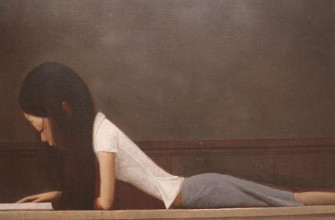
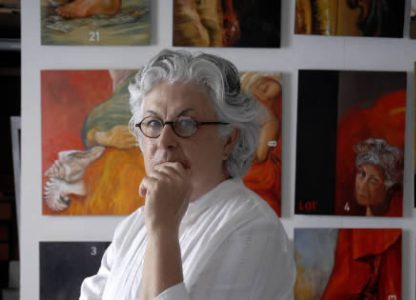
Lydia Rubio is a Cuban-born artist based in Miami, Florida, whose work spans painting, sculpture, installation, and large-scale public art commissions across the United States. Born Lydia Rubio Ferrer in Havana on 20 March 1946, she left Cuba as a young artist and spent periods in Puerto Rico, New York, Boston, and Italy before settling in South Florida, where she has been a visible presence in the Miami art community since the 1990s.
Her career includes thirteen solo exhibitions, more than fifty group shows, fellowships from the Pollock-Krasner Foundation and the Cintas Foundation, permanent museum collections at the Santa Barbara Museum of Art and the Museum of Art Fort Lauderdale, and public art commissions for the Raleigh-Durham International Airport and the Miami-Dade County public art programme. This article provides a reference on her career, her exhibition history, and her place in the broader Cuban diaspora art scene in the United States.
Early Life and the Cuban Diaspora Context
Lydia Rubio Ferrer was born in Havana on 20 March 1946 and grew up in a generation of Cuban artists whose careers were split by the 1959 revolution and its aftermath. The Cuban-American art community that built up in Miami from the 1960s onward included painters, sculptors, filmmakers, and writers who had left the island at different points in the post-revolutionary period.
Rubio did not go directly to Miami. She spent time in Puerto Rico, where a sizeable Cuban exile community formed in the 1960s, and in New York, where she participated in the gallery scene alongside other Latin American artists. She also spent a period in Boston and in Italy, absorbing European influences alongside her Caribbean background.
By the time she settled in Miami, the city’s Cuban-American art infrastructure had grown to include galleries, cultural centres, and university programmes that supported Cuban diaspora artists. The Bernice Steinbaum Gallery, Joyce Goldstein Gallery in New York, and Gutierrez Fine Arts in Miami all showed her work during the 1990s and early 2000s.
The Cuban Diaspora Art Community in Miami
Rubio settled in Miami during a period when the city was becoming the centre of Cuban exile art in the United States. The Cuban-American art community in South Florida grew through several migration waves: the first exiles of the early 1960s, the Mariel boatlift generation of 1980, and the continued arrivals through the 1990s and 2000s. Each wave brought artists who carried different relationships to the island and different formal training from Cuban art schools and European academies.
Galleries in the Wynwood, Little Havana, and Coral Gables neighbourhoods of Miami began showing Cuban-American work alongside Latin American and Caribbean art from the 1980s onward, and institutional support followed through the Lowe Art Museum at the University of Miami, the Perez Art Museum Miami, and the exhibition programme at Florida International University. Rubio exhibited within this network and benefited from a collector base in South Florida that had developed a strong appetite for Cuban and Latin American art across the late twentieth century.
The Cintas Foundation Fellowship that Rubio received in 1982 is part of this infrastructure. The foundation, endowed by the Cuban-American businessman Oscar B. Cintas, has supported Cuban-born or Cuban-descent artists, writers, composers, and architects since the 1960s and has been called the single most influential fellowship programme in the Cuban diaspora arts community. The Pollock-Krasner Fellowship she received in 2006 placed her work in a wider American fine-art context alongside non-Cuban peers.
Exhibitions and Gallery Career
Rubio’s exhibition record includes thirteen solo shows and participation in more than fifty-five group exhibitions at the regional and national level. Key solo exhibitions include:
- Bernice Steinbaum Gallery, Miami, 2001
- Joyce Goldstein Gallery, New York, Written on Water series
- Bridgewater Lustberg Gallery, New York, 1998, The Alphabet series
- Gutierrez Fine Arts, Miami, 1995
Her solo exhibitions include shows at the Bernice Steinbaum Gallery in Miami in 2001, the Joyce Goldstein Gallery in New York for the Written on Water series, the Bridgewater Lustberg Gallery in New York in 1998 for The Alphabet series, and Gutierrez Fine Arts in Miami in 1995.
The group shows in which her work appeared ran across major American cities and several European venues. Her gallery work draws on a vocabulary that combines text, geometric structure, and references to Cuban geography and memory, with installations that range from wall-mounted mixed-media panels to floor-based sculptural arrangements.
Awards and Fellowships
Rubio received the Pollock-Krasner Foundation Fellowship in 2006, a grant awarded to professional visual artists of established ability and demonstrated financial need. The Pollock-Krasner Foundation, founded by the estate of the American abstract expressionist Lee Krasner, has supported artists working in painting, sculpture, and printmaking since 1985.
She also received the Cintas Foundation Fellowship in 1982, a grant programme specifically directed at Cuban-American artists and scholars that has operated since the 1960s and that has supported many of the best-known figures in the Cuban diaspora art community. An Individual Artist Fellowship in Painting from the State of Florida followed in 1994.
Public Art Commissions
Rubio has completed large-scale public art commissions for civic spaces in the southeastern United States. Her public art sculpture for Terminal C of the Raleigh-Durham International Airport in North Carolina is a permanent installation visible to passengers passing through the terminal. The airport’s public art programme commissions work from American artists and installs it on a rotating and permanent basis across the terminal buildings.
In Miami-Dade County, her work has appeared through the county’s Art in Public Places programme, which mandates that a percentage of construction budgets for county buildings be spent on public art. Her paintings, sculptural works, and text-based art pieces have been displayed in public locations commissioned through this programme, including work created for the Port of Miami.
Public art commissions of this kind carry a different audience from gallery exhibitions. The work reaches travellers, commuters, and local residents who may not visit museums or galleries, and the scale of the pieces is larger than what a gallery wall accommodates. Rubio’s airport installation at Raleigh-Durham is seen by millions of passengers each year, placing her work in front of an audience that far exceeds the attendance at any single gallery show.
Permanent Collections and Published Work
Permanent collections of Rubio’s work are held at the Santa Barbara Museum of Art in California, the Museum of Art Fort Lauderdale in Florida, the Wolfsonian-FIU collection at Florida International University, the University of Southern California, Lehigh University Art Galleries in Pennsylvania, Bryn Mawr College, and Miami Dade College. Private collections in Europe, New York, and Miami also hold her paintings, sculptures, and text-based pieces.
The presence of Rubio’s work in permanent museum collections across the United States places her alongside other Cuban-American artists whose work has moved from the gallery circuit into the institutional holdings that define long-term art-historical visibility. The Santa Barbara Museum of Art and the Wolfsonian-FIU both maintain active Latin American art collections, and the inclusion of Rubio’s pieces in these holdings reflects the broader institutional recognition of Cuban diaspora artists that has grown since the 1990s.
Published references to her work have appeared in ARTnews, The Miami Herald, Elle Decor, Harvard Graduate School of Design Magazine, Hemispheres Magazine, Americas Magazine (Organisation of American States), and Southern Accents. The published record places her within the broader conversation about Cuban art in the American gallery and museum system.
Frequently Asked Questions
Who is Lydia Rubio?
Lydia Rubio is a Cuban-born artist based in Miami, Florida, whose career spans painting, sculpture, installation, and public art commissions. Born in Havana on 20 March 1946, she left Cuba and spent periods in Puerto Rico, New York, Boston, and Italy before settling in South Florida. Her work has been shown in thirteen solo exhibitions and more than fifty-five group shows.
What awards has Lydia Rubio received?
Rubio received the Pollock-Krasner Foundation Fellowship in 2006, the Cintas Foundation Fellowship in 1982, and an Individual Artist Fellowship in Painting from the State of Florida in 1994. The Cintas Foundation specifically supports Cuban-American artists and scholars.
Where can I see Lydia Rubio’s work?
Permanent collections of her work are held at the Santa Barbara Museum of Art, the Museum of Art Fort Lauderdale, the Wolfsonian-FIU at Florida International University, the University of Southern California, Lehigh University Art Galleries, and Bryn Mawr College. Her public art installation at Terminal C of the Raleigh-Durham International Airport is visible to passengers.
What type of art does Lydia Rubio make?
Rubio works across painting, sculpture, installation, and text-based mixed media. Her gallery pieces combine geometric structure with references to Cuban geography, memory, and language. Her public art commissions include large-scale sculptures for airports and county buildings, and her text-based installations layer words and visual elements into wall-mounted and floor-based arrangements.
What is the Cintas Foundation?
The Cintas Foundation is a fellowship programme that supports Cuban-born or Cuban-descent artists, writers, composers, and architects. Endowed by the Cuban-American businessman Oscar B. Cintas, the foundation has operated since the 1960s and has been a central institution in the Cuban diaspora arts community. Lydia Rubio received the Cintas Foundation Fellowship in 1982.
Sources and Further Reading
- Pollock-Krasner Foundation, institutional site and fellowship programme, pkf.org
- Cintas Foundation, fellowship programme for Cuban-American artists, cintasfoundation.org
- Miami-Dade County Art in Public Places programme, miamidade.gov
- Santa Barbara Museum of Art, collection search, sbma.net
- ARTnews and The Miami Herald, archived exhibition reviews