Thailand holds some of the most magnificent natural landscapes in Southeast Asia, with an extraordinary range of animal and plant life packed into a single country. Around 25 percent of the land area of Thailand sits inside protected national parks, wildlife sanctuaries and nature reserves, more than 150 in total, which makes the country one of the best destinations on the planet for nature travel. Whether you want a week-long jungle trek, a day trip to see wild elephants in their natural habitat or a quiet boat ride through limestone islands, Thailand has something to match every interest and fitness level. This 2026 guide walks through the most popular nature reserves in Thailand, what to see at each one and the practical details for planning a visit.
Why Thailand Is a Nature Lover’s Paradise
Thailand stretches more than 1,650 km from north to south and crosses several climate zones, which gives the country an unusually rich mix of habitats. The cool mountain forests of the north, the dense tropical jungles of the centre and south, the long Andaman and Gulf coastlines and the limestone karst landscapes of Krabi and Phang Nga together hold around 285 species of mammals, more than 1,000 species of birds, 13,000 species of plants and an extraordinary variety of reptiles, amphibians and marine life. Several species are endemic to the country, and Thailand remains one of the last refuges in mainland Southeast Asia for tigers, leopards, gibbons, hornbills and the Asian elephant.
The Thai national park system was founded in 1962, when Khao Yai was officially designated the first national park in the country, and has expanded steadily ever since. Many parks are accessible by public transport or organised tour, and entry fees remain low compared with similar parks in other parts of the world.
Khao Sok National Park
Khao Sok sits in the south of Thailand, in Surat Thani province, and is best reached by car from either Phuket (about 2.5 hours) or Surat Thani (about 1 hour). Many tour operators offer kayaking trips to and from Khao Sok, which adds a fun and adventurous dimension to the visit.
The terrain in Khao Sok consists mainly of hills and dense jungle, and the rainforest here is one of the oldest on Earth, estimated to be more than 160 million years old, far older than the Amazon. The park covers about 740 square kilometres and is one of the best places in Thailand to view rare wild animals in their natural habitat. Sun bears, sloth bears, gibbons, langurs, hornbills, Malayan tapirs and even the elusive Indochinese tiger and clouded leopard all live in the park, although the larger predators are rarely seen.
The biggest attraction inside the park is Cheow Lan Lake, an enormous artificial reservoir created in 1982 by the Ratchaprapha Dam. The lake is surrounded by towering limestone karst cliffs that rise straight from the green water, often compared to a smaller and quieter version of Vietnam’s Halong Bay. Visitors can stay overnight in floating bamboo bungalows on the lake, take guided night safaris by boat and explore caves like the famous Nam Talu and Pakarang. Day hikes through the surrounding jungle reveal massive Rafflesia kerrii flowers (the largest flower in the world, up to 80 cm across), strangler figs and waterfalls.
Phang Nga Bay
Although not technically a national park, the wider Phang Nga Bay region holds two protected areas, Ao Phang Nga National Park and the famous Mu Ko Similan National Park further out in the Andaman Sea. Phang Nga sits in the south of Thailand, about an hour by road from Phuket, and offers some of the most spectacular coastal scenery in Southeast Asia.
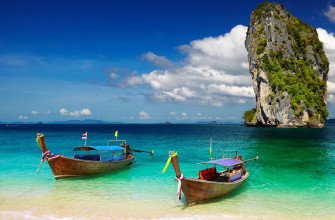
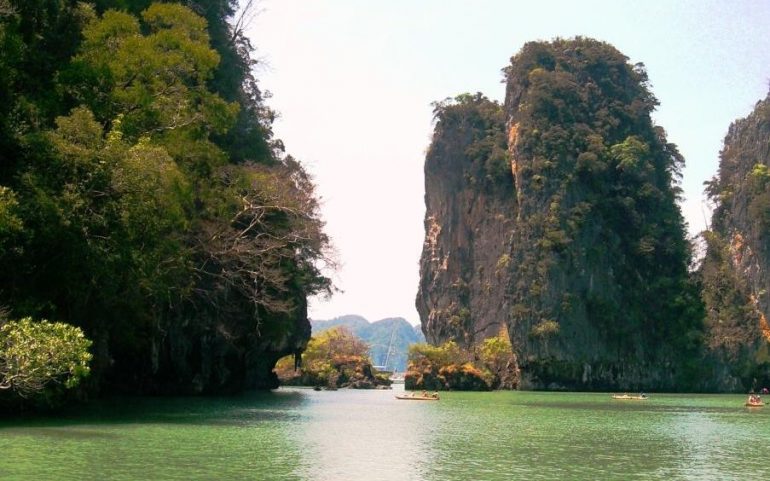
The calm turquoise waters of the bay are dotted with literally hundreds of tiny limestone islands, each rising sharply above sea level with long sheer cliffs and small hidden lagoons. The most famous of these is Khao Phing Kan, often called James Bond Island after its appearance in the 1974 film The Man with the Golden Gun. The standalone limestone tower of Ko Tapu nearby has become one of the iconic images of Thai tourism.
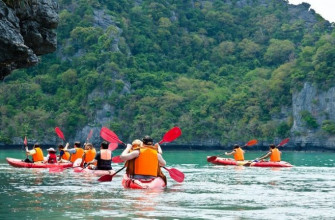
The best way to explore Phang Nga Bay is by sea kayak, since the smaller paddle craft can slip into the hongs (collapsed cave lagoons hidden inside many of the islands) where larger boats cannot follow. Day tours from Phuket and Krabi run year-round and combine kayaking with stops at Muslim fishing villages such as Koh Panyee, where the entire village is built on stilts above the water.
Khao Yai National Park
Khao Yai is the oldest and probably the best-known national park in Thailand for both foreign visitors and Thai families. The park was founded in 1962 and inscribed by UNESCO as part of the Dong Phayayen-Khao Yai Forest Complex World Heritage site in 2005. It covers about 2,168 square kilometres across four provinces and sits roughly 200 km northeast of Bangkok, which makes it the easiest major national park to visit on a day trip from the capital.
Aside from the indigenous tigers, leopards and Asian elephants that roam the park, Khao Yai is home to an extraordinarily rich bird population with more than 320 recorded species, including hornbills, kingfishers, Asian fairy bluebirds and many migratory species. Other common wildlife includes pig-tailed macaques, white-handed gibbons, sambar deer, gaur (the largest wild cattle on Earth), barking deer, Asiatic black bears and porcupines. Around 200 elephants live wild inside the park, and sightings along the main park roads are common in the early morning and evening.
The park is well maintained, with established hiking trails that range from short walks to multi-day treks. Highlights include the famous Haew Narok waterfall (the tallest in the park at 150 metres) and Haew Suwat, which appeared in the Leonardo DiCaprio film The Beach. Several night watchtowers and observation hides allow visitors to stay overnight or run guided night safaris, when the jungle truly comes to life and you can spot civets, owls and the occasional elephant by spotlight.
Other Famous Nature Reserves and National Parks in Thailand
Doi Inthanon National Park
Doi Inthanon in northern Thailand is home to the highest peak in the country, the 2,565-metre Doi Inthanon mountain. The park sits about 60 km southwest of Chiang Mai and offers a completely different landscape from the lowland jungles of central and southern Thailand, with cool mountain forests, mossy cloud forests, terraced rice paddies and Hmong and Karen hill tribe villages. The famous twin Phra Maha Dhatu Naphamethanidon and Naphaphonphumisiri chedis (royal pagodas) sit near the summit and offer spectacular views over the surrounding mountains. The park holds more than 380 bird species and is one of the best birdwatching spots in Thailand.
Erawan National Park
Erawan National Park in Kanchanaburi province, west of Bangkok, is famous for the spectacular Erawan Falls, a series of seven turquoise tiered waterfalls that climb the jungle hillside. Visitors can swim in the natural pools at most levels, and the park is one of the most popular weekend escapes from Bangkok.
Khao Sam Roi Yot National Park
Thailand’s first marine and coastal national park, Khao Sam Roi Yot (“the Mountain of Three Hundred Peaks”) sits about three hours south of Bangkok and combines limestone karst peaks, mangroves, freshwater marshes and beaches. The famous Phraya Nakhon Cave, with a royal pavilion lit by a single shaft of sunlight that breaks through the cave roof, ranks among the most photographed sights in Thailand.
Mu Ko Ang Thong National Marine Park
An archipelago of 42 limestone islands in the Gulf of Thailand near Koh Samui, the Ang Thong Marine Park inspired the setting of the Alex Garland novel The Beach. Day tours from Koh Samui and Koh Phangan offer kayaking, snorkelling and hiking up to the famous emerald lake at the centre of one of the islands.
Mu Ko Similan National Park
The Similan Islands in the Andaman Sea are widely considered to hold the best diving and snorkelling in Thailand, with crystal-clear water, vibrant coral reefs and abundant marine life including manta rays, whale sharks, reef sharks and sea turtles. The islands are open to visitors only between mid-October and mid-May.
Khao Yai-Pang Sida-Ta Phraya-Dong Phayayen Forest Complex
The wider UNESCO World Heritage forest complex around Khao Yai includes several other major parks: Pang Sida, Ta Phraya, Thap Lan and Dong Yai Wildlife Sanctuary. Together they form one of the largest intact tropical forest blocks in mainland Southeast Asia.
Kaeng Krachan National Park
The largest national park in Thailand, Kaeng Krachan covers nearly 3,000 square kilometres along the Myanmar border west of Hua Hin. The park is famous for its dense forests, healthy populations of wild elephants and a strong reputation as one of the best places in Asia for spotting hornbills and other rare birds. UNESCO inscribed Kaeng Krachan on the World Heritage list in 2021.
Khao Luang National Park
Located in the southern province of Nakhon Si Thammarat, Khao Luang holds the highest mountain in southern Thailand at 1,835 metres and a series of dramatic waterfalls that drop through cool mountain forests rich in orchids and rhododendrons.
Wildlife Sanctuaries and Ethical Elephant Experiences
For travellers who want to see Asian elephants up close in a more controlled setting, Thailand also holds several reputable wildlife sanctuaries. The famous Elephant Nature Park near Chiang Mai, founded by Lek Chailert, rescues elephants from the logging and tourism industries and allows visitors to feed, walk with and observe the animals without riding or training shows. Several other ethical sanctuaries follow the same model and stand in sharp contrast to older trekking camps that should be avoided.
Best Time to Visit Thai Nature Reserves
- November to February. The cool, dry season is the best time to visit most national parks, with comfortable temperatures, low humidity and the best chance of clear skies.
- March to May. The hot dry season can be uncomfortable in the lowlands but offers the best wildlife viewing in northern parks like Khao Yai, since animals gather around the few remaining water sources.
- June to October. The southwest monsoon brings heavy afternoon rain but turns the jungles their deepest green. Many marine parks close for safety during the wettest months, so check before booking.
Practical Tips for Visiting Nature Reserves in Thailand
- Hire a local guide. The dense jungle is hard to read on your own, and a trained naturalist guide will spot wildlife you would walk straight past.
- Bring the right gear. Lightweight long sleeves and trousers, sturdy walking shoes, insect repellent (especially against leeches in the wet season), sun protection and a refillable water bottle.
- Stay overnight in the park. Many parks offer simple bungalows, tent rentals or floating bamboo huts on the lakes. The early morning and late evening are by far the best times for wildlife sightings.
- Respect the wildlife. Keep a safe distance from elephants, never feed wild animals and stick to marked trails.
- Park fees. Foreign visitors typically pay 200 to 400 baht per person to enter the major national parks, with discounts for children. Some parks accept advance online booking through the Department of National Parks website.
- Combine with cultural visits. Many national parks sit close to historic temples, hill tribe villages and traditional markets, which makes it easy to combine nature with the cultural side of Thailand.
Final Thoughts
Thailand rewards travellers who look beyond the famous beaches and temples. Spend a few days canoeing among the limestone karst islands of Phang Nga Bay, sleep in a floating bungalow on Cheow Lan Lake in Khao Sok, watch wild elephants cross a forest road at dawn in Khao Yai or climb above the clouds at the summit of Doi Inthanon, and you start to understand why Thai national parks are considered some of the best in Southeast Asia. The variety of habitats, the relatively easy access and the warm Thai welcome make this one of the most rewarding nature destinations on the planet, and one that easily fills a week or even a full month of travel for anyone with a serious interest in wildlife and wild landscapes.