Turkish silver hallmarks combine two distinct marking traditions: the Ottoman Empire’s imperial tughra system used from the late 18th century to 1923, and the Republic of Turkey’s modern crescent-moon and star (ay yıldız) system introduced in 1923 and still in use today. Hallmarks on Turkish silver identify the metal’s purity, the assay office (darphane) that certified it, the year of assay, and in some cases the silversmith who produced the piece. Collectors and dealers use hallmarks to date pieces, verify authenticity, and distinguish Ottoman-era Turkish work from Persian, Greek, or Russian silver that sometimes enters the Ottoman antiques market.
This guide covers the tughra marking system of the Ottoman Empire (from Sultan Abdülmecid’s 1844 reform to the end of the empire), the Republic’s 1923 hallmark reform and subsequent changes, purity standards used across both periods (400, 700, 800, 900, 925), assay office stamps from Istanbul, Kayseri, and Trabzon, date marks and their interpretation, maker’s marks, and practical tips for identifying and authenticating Turkish silver pieces in today’s antique markets.
Ottoman Empire: The Tughra System
The tughra (طغرا) is the imperial monogram of Ottoman sultans, a calligraphic signature unique to each ruler. Tughras were used as royal seals from the 14th century onward, but their application to silver and gold hallmarking began with Sultan Abdülmecid I’s monetary reforms of 1844. Before that date, Ottoman silver was marked inconsistently across different workshops and regions; after 1844, centralised assay offices in Istanbul stamped a standardised tughra along with purity and year marks.
The tughra is visually complex: a sweeping calligraphic form with three vertical tuğs (pennants), two concentric loops on the left, and an elongated right side. Each sultan’s tughra follows the same structure but contains the specific ruler’s name and patronymic. Collectors learn to distinguish the tughras of the major late-Ottoman sultans:
- Abdülmecid I (reigned 1839-1861): first sultan whose tughra appears on standard-format hallmarks
- Abdülaziz (reigned 1861-1876): distinctive by the specific form of the vertical pennants
- Abdülhamid II (reigned 1876-1909): longest-reigning late sultan; his tughra appears on a high volume of surviving silver
- Mehmed V (reigned 1909-1918): World War I era
- Mehmed VI (reigned 1918-1922): last sultan, brief reign before the empire’s abolition
In addition to the sultan’s tughra, Ottoman hallmarks included:
- A purity number indicating the fineness of silver (for example 900 meaning 90 percent pure)
- An assay office mark identifying the city (Istanbul darphane being the main imperial mint)
- A date mark in the Islamic Hijri calendar (matching the year of assay)
- Sometimes a maker’s mark applied by the silversmith
Ottoman silver output concentrated in Istanbul, with regional workshops in Trabzon, Diyarbakır, Bursa, Kayseri, Adana, and Izmir also producing marked work. Imported silver from Russia, Greece, and Persia occasionally received Ottoman over-stamps confirming it had been assayed in Istanbul.
Purity Standards in Ottoman Silver
Ottoman silver came in several fineness grades, expressed as the proportion of pure silver per 1,000 parts:
- 400: low-purity silver (40 percent pure), used for household wares, rougher jewellery, and coinage
- 700: medium purity (70 percent pure), common for decorative objects and bowls
- 800: high-quality silver (80 percent pure), standard for fine tableware and ceremonial pieces
- 900: imperial-grade silver (90 percent pure), used for palace commissions and fine jewellery
- 950: higher grade occasionally used for specific commissions
The 900 standard matched European silver of similar grade. Ottoman silver at 800 purity is roughly comparable to European continental silver rather than English sterling (925). Imperial-era tea services, coffee sets, and hookah accessories commonly appear at 800 to 900 purity. Jewellery varied more widely, with everyday pieces often at 700 or lower.
Assay Office Marks
The main Ottoman assay office sat at the Topkapı Palace in Istanbul (darphane-i amire, the imperial mint). Regional assay offices operated in other major cities under imperial license. Common city marks included:
- Istanbul (Kostantiniyye or Dersaadet): main imperial mark, often combined with the reigning sultan’s tughra
- Izmir (formerly Smyrna): major port city mark
- Trabzon: Black Sea coast mark, significant for silver traded with the Caucasus
- Diyarbakır: eastern Anatolia mark, known for niello (kara kalem) silver technique
- Bursa: former Ottoman capital, prominent silversmithing centre
- Kayseri: central Anatolia mark
- Adana: southern Anatolia mark
- Skopje (modern North Macedonia): Balkan provincial mark, reflecting Ottoman control over the Balkans
Regional assay offices sometimes used distinctive secondary marks in addition to the central tughra and purity number. Collectors specialising in regional Ottoman silver develop familiarity with specific city marks and their variations across different decades.
Republic Era: The 1923 Hallmark Reform
The Republic of Turkey, established on October 29, 1923 under Mustafa Kemal Atatürk, abolished the sultanate and with it the tughra system. A new hallmarking standard emerged over the 1920s and was formalised in subsequent regulations. The Republican system’s key features:
- The crescent moon and star (ay yıldız) replaced the tughra as the sovereign mark
- A Turkish fineness number (sometimes called hassa or ayar) indicated purity
- The assay office letter or code identified the city of assay
- The date appeared in the modern Gregorian calendar instead of the Islamic Hijri calendar
- Maker’s marks continued in a modernised format, often including the silversmith’s initials or workshop name
The 1923-1950 transitional period shows considerable variation in mark format as regulations stabilised. By the 1960s Turkish silver hallmarking settled into its modern form, and Turkey joined several international conventions on precious metal standards.
Modern Republican Turkish silver (post-1950s) typically carries:
- 925 (sterling silver) as the dominant modern standard, matching European export standards
- 800 for mid-grade wares
- 900 for some traditional-style pieces marketed to tourists and collectors
- Star and crescent assay mark (ay yıldız)
- Maker’s mark identifying the workshop
- Recent pieces include CE (European Conformity) markings for export
Regional Turkish Silver Traditions
Beyond the formal hallmark system, Turkish silver carries regional stylistic signatures that experienced collectors learn to recognise:
- Kütahya: famous for enamelled silver with Iznik-style ceramic glazes (blue and white floral motifs)
- Gaziantep: known for hand-wrought coffee sets and jewellery
- Mardin: distinctive telkari (filigree) work, intricate wire lacework
- Diyarbakır: niello silver (kara kalem), with black engraved designs filled with silver-sulphur compound
- Bursa: fine tea and coffee service pieces
- Izmir: Aegean-style silver with Greek and Armenian workshop influences
- Trabzon: hasır örgü (woven mesh) silver, interlaced wire designs
- Kayseri: religious-use silver including Islamic art pieces and liturgical items for Armenian, Greek, and Syriac Christian communities
For detailed discussion of specific silver categories produced in Turkey, see our Turkish silver antiques guide covering collecting categories and market values.
How to Read Turkish Silver Hallmarks
Practical steps for identifying marks on a piece of Turkish silver:
- Clean the surface gently with a soft cloth to remove tarnish or patina obscuring the marks
- Examine under 10x magnification (a jeweller’s loupe is essential)
- Identify the main marks: sovereign mark (tughra or crescent-star), purity number, assay office mark, date
- For Ottoman pieces: identify the sultan’s tughra by matching to reference diagrams
- For Republican pieces: confirm the ay yıldız and assay city letter
- Note any additional maker’s marks, which may help trace the silversmith
- Cross-reference all elements to a reliable Turkish silver catalogue
Online databases and published reference books provide tughra diagrams for all late-Ottoman sultans. The Tahsin Öz reference work on Ottoman silverware and the İslam Ansiklopedisi (Turkish Islamic Encyclopedia) both provide detailed mark comparison charts. For broader silver hallmark context across countries, the Dieter Wulfert Encyclopedia of European Silvermarks provides pan-European coverage useful for distinguishing Turkish marks from neighbouring Greek, Armenian, or Russian pieces.
Authenticating Turkish Silver
The Ottoman antiques market includes a significant volume of reproductions and forgeries. Recent 20th and 21st century work often carries imitated tughra marks intended to pass as 19th-century pieces. Authentication approaches:
- Mark sharpness: authentic period marks show slight wear consistent with the piece’s age. Freshly struck marks on a supposedly 150-year-old piece are suspicious.
- Stylistic consistency: the decorative style should match the period claimed by the tughra. A naturalistic European-influenced floral design paired with an early-19th-century tughra suggests the piece is later or the mark is modern.
- Silver quality: acid testing or electronic XRF analysis confirms the purity claimed by the mark. Pieces stamped 900 but testing 750 are common fake indicators.
- Tughra accuracy: a reliably rendered tughra matches published specimens for the claimed sultan precisely. Poorly drawn tughras with unusual proportions or character placement usually indicate later work.
- Weight and feel: hand-wrought period silver has a distinctive weight distribution and surface texture that modern cast reproductions lack.
- Provenance documentation: pieces with verified ownership histories command premium prices precisely because authentication is easier
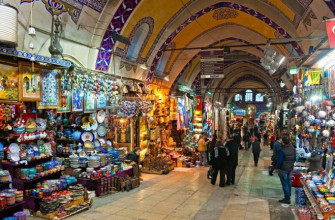
Istanbul’s Grand Bazaar contains both legitimate antique dealers and sellers mixing reproductions with genuine period pieces. Serious collectors work with established dealers who provide documentation, or with major auction houses (Christie’s, Sotheby’s, Bonhams) whose specialists authenticate pieces before sale.
Market Values and Collecting
Turkish silver pricing reflects period, quality, rarity, and subject matter. Rough market tiers for Turkish silver as of recent auctions:
- Modern Republican silver (post-1950s): 30-200 euros per piece depending on weight and workmanship, mostly for decorative household value rather than collector interest
- Early Republican (1923-1950): 200-1,500 euros for quality pieces, higher for unusual designs or important workshops
- Late Ottoman (Abdülhamid II era, 1876-1909): 500-5,000 euros for typical tea services and coffee sets, 10,000+ for important commissions
- Mid-Ottoman (Abdülmecid, Abdülaziz): 1,000-10,000 euros for verified pieces with full hallmarks
- Imperial-grade palace commissions: 20,000+ euros for documented pieces with royal provenance
- Exceptional museum-level pieces: 100,000+ euros for rare ceremonial items
The collecting category has grown since the 1990s alongside broader Western interest in Ottoman arts. Museums including the Victoria and Albert Museum (London), Metropolitan Museum of Art (New York), Benaki Museum (Athens), and Sadberk Hanım Museum (Istanbul) hold significant Ottoman silver collections and offer reference libraries for collectors.
Care and Restoration
Turkish silver requires standard silver-care practices. Key guidance:
- Clean gently with silver polish cloths or mild silver cleaner; avoid abrasive pastes that remove detail from engraving and niello work
- Store pieces wrapped in anti-tarnish cloth or in sealed containers with tarnish-absorbing strips
- Avoid contact with wool, felt, and untreated leather, which accelerate tarnishing
- Never soak niello silver in liquid cleaners; the niello compound can lift off
- Restoration of damaged pieces should be handled by silversmiths experienced with Turkish techniques; modern repairs that visibly alter period marks reduce collector value
- Handle pieces with cotton gloves when possible to avoid oil transfer from skin
Climate-controlled storage with moderate humidity (45-55 percent) and stable temperatures suits silver collections best. Direct sunlight accelerates surface changes in some niello and patinated pieces.
Frequently Asked Questions
What does a tughra mark on silver mean?
The tughra is the imperial monogram of an Ottoman sultan. On silver, a tughra confirms the piece was assayed during that sultan’s reign (1844-1923 for silver hallmarking purposes). Each sultan’s tughra is distinct, allowing collectors to date pieces to specific reigns.
What does 900 mean on Turkish silver?
The number 900 indicates 90 percent silver purity (900 parts pure silver per 1,000 parts of metal). Ottoman silver at 900 purity matches European imperial-grade silver. Most late Ottoman tea services and coffee sets bear 800 or 900 purity marks.
How can I tell if Turkish silver is real?
Examine the hallmarks under magnification, test the silver’s actual purity with acid or XRF, check the stylistic details against period-appropriate reference images, and consult established dealers or auction specialists for verification. Acid tests for silver purity are available at jewellers.
What is the difference between Ottoman and Republic of Turkey silver marks?
Ottoman silver carries the sultan’s tughra (calligraphic monogram) as the sovereign mark from 1844 to 1923. Republic of Turkey silver uses the crescent moon and star (ay yıldız) as the sovereign mark from 1923 onwards. Dates switch from Islamic Hijri calendar to Gregorian calendar at the same transition.
Where can I learn to identify Turkish silver hallmarks?
Reference books include Tahsin Öz on Ottoman silverware, Dieter Wulfert’s Encyclopedia of European Silvermarks for pan-European context, and İslam Ansiklopedisi for Turkish Islamic art coverage. Museums with strong Ottoman silver collections (Sadberk Hanım in Istanbul, V&A in London) offer study resources and libraries.
What is niello silver in Turkish tradition?
Niello (kara kalem in Turkish, meaning “black pen”) is a decorative technique where engraved lines on silver are filled with a black compound made from copper, silver, and sulphur. Diyarbakır and Mardin produced particularly fine niello work, with intricate geometric and calligraphic designs inlaid into silver bowls, cups, and jewellery.
Are reproductions of Ottoman silver common?
Yes, reproductions and outright forgeries are common in tourist markets and unregulated online sales. Serious Ottoman silver purchases should go through established dealers or major auction houses with authentication specialists. Acid testing and mark verification are essential before paying antique prices.
Sources and Further Reading
- Ottoman Silver – Tahsin Öz, Turkish Ministry of Culture publications
- Encyclopedia of European Silver Marks – Dieter Wulfert
- The Arts of the Islamic Book: The Collection of Prince Sadruddin Aga Khan – Anthony Welch and Stuart Cary Welch, Cornell University Press (context on Ottoman decorative arts)
- The Victoria and Albert Museum Ottoman collections – vam.ac.uk
- Sadberk Hanım Museum Ottoman silver collection – sadberkhanimmuzesi.org.tr
- Turkish Assay Office (Darphane) historical records – darphane.gov.tr