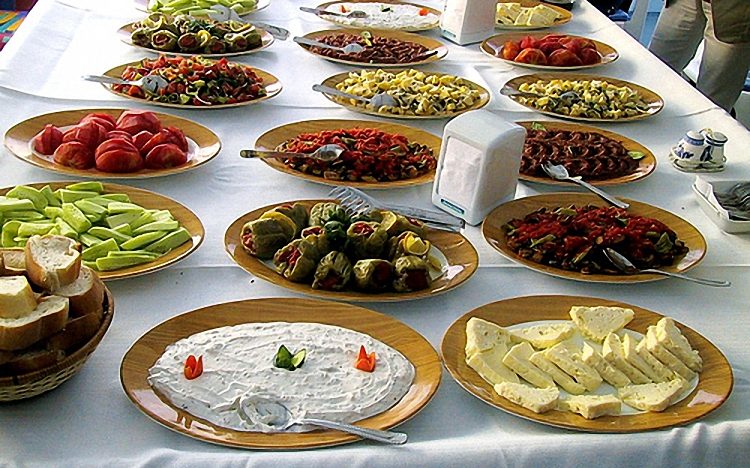
Turkish wedding food centres on lamb, rice pilaf, and the yoghurt-based wedding soup called dugun corbasi, a dish so closely tied to Turkish marriage tradition that it carries the word for wedding in its name. A full Turkish wedding meal follows a set sequence from soup through grilled meat to baklava and helva, with regional variations across Anatolia, the Black Sea coast, and the Marmara region around Istanbul.
This article walks through the standard wedding menu, the regional differences that shape what guests eat at a Turkish wedding, the role of communal cooking traditions in rural weddings, and the modern catering formats that have developed in the larger Turkish cities.
Dugun Corbasi: The Turkish Wedding Soup
Dugun corbasi, wedding soup in English, is the opening course at most traditional Turkish weddings and the single dish most closely identified with the ceremony. The soup is built on a lamb or beef bone broth thickened with a mixture of egg yolk and lemon juice, a liaison technique called terbiye that gives the soup its characteristic velvety texture and sharp tang.
The broth simmers for several hours, and the finished soup is served with a drizzle of melted butter infused with red pepper flakes, called isot or pul biber depending on the region. Chunks of braised lamb or veal sit in the bowl alongside the broth.
Dugun corbasi appears on wedding tables across most of Turkey, from the Anatolian interior to the coastal cities. The name itself makes the connection explicit: dugun means wedding in Turkish, and the soup is treated as the ceremonial opening of the meal that marks the start of the couple’s shared life.
Main Courses at a Turkish Wedding
The main course at a Turkish wedding in most regions revolves around lamb. Whole roasted lamb on a spit, kuzu cevirme, is the centerpiece of rural Anatolian and eastern Turkish weddings, with the animal slow-roasted over a wood or charcoal fire for several hours. In the towns and cities, lamb is more often served as grilled lamb chops, kebabs on skewers, or as a lamb stew with vegetables.
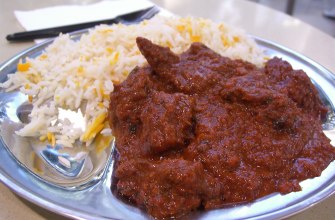
Rice pilaf, called pilav, accompanies the lamb at almost every wedding. Turkish pilav is cooked with butter and often with pine nuts, currants, or chickpeas depending on the region. The pilaf is served as a generous mound beside the meat and is treated as the carbohydrate base of the wedding plate.
Keskek, a slow-cooked porridge of pounded wheat and shredded lamb or chicken, is a traditional communal wedding dish in central and western Anatolia. The preparation of keskek is itself a communal event: village men pound the wheat and meat mixture in a large stone mortar for several hours the day before the wedding, and the finished dish is served to the guests as a symbol of community labour and shared celebration. UNESCO recognised keskek as part of Turkey’s intangible cultural heritage in 2011.
Side dishes vary by region and season. Sarma and dolma, vine leaves and vegetables stuffed with a rice and herb mixture, appear on wedding tables across the country. Borek, layered pastry filled with cheese, spinach, or minced meat, is another common side. Salads of tomato, cucumber, onion, and parsley dressed with olive oil and sumac round out the savoury part of the meal.
Traditional Turkish Wedding Menu Overview
- Starter: dugun corbasi (wedding soup with lamb broth, egg yolk, lemon)
- Main protein: roasted lamb (kuzu cevirme) or grilled lamb kebabs
- Grain dish: rice pilaf (pilav) with pine nuts and currants, or keskek (wheat-and-lamb porridge)
- Sides: sarma, dolma, borek, tomato-cucumber salad with sumac
- Desserts: baklava, lokma (fried dough in syrup), helva, seker pare
- Drinks: ayran, Turkish tea, Turkish coffee, sherbet
- Henna night sweets: lokum, small pastries, dried fruit, badem sekeri (sugared almonds)
Desserts and Sweet Dishes
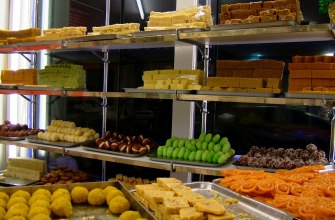
Baklava is the headline dessert at most Turkish weddings and is ordered in large trays from specialist baklava shops, particularly in the south-eastern city of Gaziantep which claims the country’s strongest baklava tradition. The layers of filo pastry, ground pistachios or walnuts, and sugar syrup are cut into diamond or square shapes and served on platters at the end of the meal.
Lokma, small rounds of deep-fried dough soaked in sugar syrup or honey, are distributed to wedding guests and to neighbours as a symbol of shared sweetness. Lokma is also served at funerals and religious commemorations, making it a general-purpose ceremonial sweet rather than a wedding-specific one.
Helva, a dense confection of semolina, butter, sugar, and pine nuts, is served at weddings and at other major family events. Seker pare, almond-topped semolina cookies soaked in syrup, and kabak tatlisi, slices of pumpkin baked in sugar syrup and topped with ground walnuts, appear at weddings in the Anatolian interior. Turkish delight, lokum, is offered alongside tea and coffee during the pre-wedding engagement and henna-night ceremonies rather than at the main wedding meal.
Regional Traditions and Communal Cooking
The Turkish wedding menu varies by region in ways that reflect local agriculture, climate, and historical trade routes. Eastern and south-eastern Turkey, where sheep farming dominates the rural economy, serves larger quantities of lamb and uses spicier seasoning, including isot pepper and urfa pepper. The Black Sea coast brings anchovy dishes, corn-based breads, and butter-heavy cooking into the wedding menu. The Aegean and Mediterranean coasts lean toward olive-oil-based dishes, seafood meze, and lighter salads.
Rural weddings in Anatolia retain the tradition of communal cooking, called imece, in which the village women prepare the food collectively over two or three days before the wedding, cooking in outdoor cauldrons over wood fires. The communal kitchen is a social event in its own right, with singing, storytelling, and the preparation of keskek as the central activity. Urban weddings in Istanbul, Ankara, and Izmir have moved toward professional catering, hotel banquets, and restaurant receptions, but many families still incorporate at least one traditional dish such as dugun corbasi or keskek into the modern format.
The number of guests at a Turkish wedding can run into the hundreds and in rural areas above a thousand, which makes the food logistics a defining feature of the event. Families in Anatolia budget for the wedding meal as the largest single expense of the celebration, and the quality and quantity of the food served is treated as a direct reflection of the host family’s standing in the community.
Drinks at a Turkish Wedding
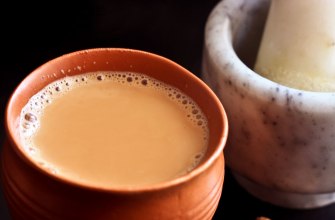
Ayran, a cold yoghurt drink diluted with water and salt, is the most common beverage served alongside the main course at traditional Turkish weddings. Salgam, a fermented turnip juice from the Adana and Mersin regions, appears at weddings in the south. Turkish tea and Turkish coffee are served after the meal and during the evening programme.
Sherbet, a sweet chilled drink made from fruit, sugar, and spices, has a long history as a Turkish wedding beverage and was the traditional drink served to guests on arrival at Ottoman-era weddings. Modern urban weddings in Turkey serve soft drinks, juices, and occasionally imported wine, although alcohol at weddings depends on the family’s religious observance and regional custom.
The kina gecesi or henna night, held the evening before the wedding, has its own food and drink programme. Turkish coffee and tea are served alongside lokum, small pastries, and dried fruit while the bride’s hands and those of her close female relatives are decorated with henna paste. Sugared almonds, called badem sekeri, are wrapped in small tulle sachets and distributed to henna-night guests as keepsakes. The henna-night food is lighter and sweeter than the main wedding meal and is treated as the appetiser for the celebration to follow.
Frequently Asked Questions
What food is served at a Turkish wedding?
A traditional Turkish wedding meal starts with dugun corbasi, a lamb-broth wedding soup thickened with egg yolk and lemon. The main course centres on roasted or grilled lamb, rice pilaf with pine nuts, and side dishes of sarma, dolma, and borek. Dessert is baklava, lokma, or helva. Ayran and tea accompany the meal.
What is dugun corbasi?
Dugun corbasi is the Turkish wedding soup, built on a lamb or beef bone broth and thickened with a liaison of egg yolk and lemon juice called terbiye. The soup is served with melted butter infused with red pepper flakes and appears as the opening course at weddings across most of Turkey. The word dugun means wedding in Turkish.
What is keskek?
Keskek is a slow-cooked porridge of pounded wheat and shredded lamb or chicken, prepared communally in a stone mortar the day before a wedding in central and western Anatolia. UNESCO recognised keskek as part of Turkey’s intangible cultural heritage in 2011. The communal preparation is a social event that involves village men pounding the mixture together for several hours.
Is alcohol served at Turkish weddings?
Alcohol at Turkish weddings depends on the family’s religious observance and regional custom. Traditional rural weddings serve ayran, tea, and sherbet without alcohol. Urban weddings in Istanbul and other large cities sometimes include wine and raki, although many families keep the celebration alcohol-free.
What desserts are served at a Turkish wedding?
Baklava is the headline wedding dessert, ordered in large trays from specialist bakeries. Lokma, deep-fried dough balls soaked in syrup, are distributed to guests as a symbol of shared sweetness. Helva, seker pare, and kabak tatlisi also appear at weddings depending on the region.
Sources and Further Reading
- UNESCO Intangible Cultural Heritage list, keskek ceremonial tradition entry, ich.unesco.org
- Republic of Turkey Ministry of Culture and Tourism, cultural heritage and culinary tradition pages, ktb.gov.tr
- Nevin Halici, Sufi Cuisine, Saqi Books, 2005 – covers Turkish ceremonial food traditions
- Aylin Oney Tan, food historian and columnist, published work on Anatolian culinary traditions in Cornucopia magazine