Rome stacks nearly 3,000 years of history into a few square kilometres, where a 2,000-year-old temple stands between a baroque cafe and a tram stop and the past is simply part of the street. It is a city to walk rather than tick off, and the trick is to mix the great monuments with the small local habits that make Romans love it. This guide runs through the ancient sites, the baroque centre, the Vatican next door, the quirks most visitors miss, and the practical detail of eating, sleeping and getting around.
Ancient Rome: the Colosseum, Forum and Palatine
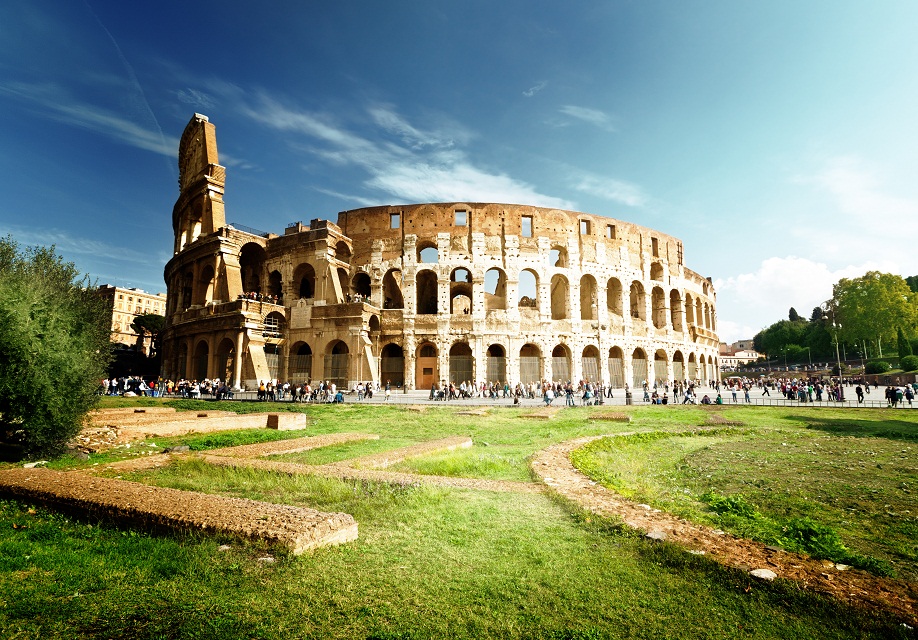
The heart of imperial Rome is a single archaeological zone covered by one combined ticket, sold through the official operator and best booked online ahead.
- The Colosseum: the 2,000-year-old amphitheatre that opened in 80 AD and held tens of thousands for gladiator games. A standard ticket sees the tiers; paid add-ons open the reconstructed arena floor and the underground hypogeum where animals and fighters waited.
- The Roman Forum: the ruined civic centre of the ancient city, a field of temples, arches and basilicas you walk straight through.
- Palatine Hill: the green hill above the Forum where emperors built their homes, and the root of the very word “palace”.
Go early or late to dodge the heat and the queues, and wear real shoes; the ground is uneven ancient stone throughout.
The Pantheon and the Historic Centre
The tangle of lanes north of the Forum holds the city’s most atmospheric squares, all walkable from one another.
- The Pantheon: the best-preserved building of ancient Rome, its dome still the largest unreinforced concrete dome on earth, open to the sky through a central oculus. Free for centuries, it now charges a small entry fee introduced in 2023, and the painter Raphael lies buried inside.
- Piazza Navona: a baroque square built on the oval of an ancient stadium, centred on Bernini’s Fountain of the Four Rivers.
- Largo di Torre Argentina: a sunken square of temple ruins where Julius Caesar was assassinated, now also a cat sanctuary whose volunteers care for the strays among the stones.
- Campo de’ Fiori: a morning market square that turns into a drinking spot by night.
The Baroque City: Trevi, the Steps and the Obelisks
Rome’s showpiece fountains and staircases are free, open day and night, and best seen early before the crowds thicken.
The Trevi Fountain is the grandest, fed by an ancient aqueduct, the Acqua Vergine, that still runs. Toss a coin over your left shoulder to ensure a return to Rome; the city collects around a million and a half euros a year this way and gives it to charity. Nearby, the Spanish Steps climb from Piazza di Spagna, and Piazza del Popolo opens out below the Pincio terrace.
Look up and you will keep seeing obelisks: Rome has thirteen ancient ones, more than any city in the world, including Egyptian originals hauled here by emperors and re-raised by popes in the squares.
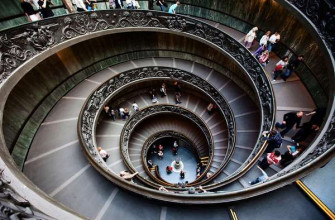
Vatican City
The world’s smallest country sits across the Tiber, and it deserves a half-day of its own. The headline sights are St Peter’s and the Sistine Chapel, but the practical detail, the visa-free statelet, the dress code, the tomb tour and the free days, is worth reading up on first.
- Our full guide to the Vatican covers how to plan the visit.
- Go deeper on St Peter’s Basilica, the Vatican Museums and the Sistine Chapel.
- And meet the Swiss Guard who hold the gates.
Rome Like a Local: the Quirky Side
Beyond the postcard sights, a handful of small, free or odd spots show the city Romans actually use.
- The nasoni: some 2,500 cast-iron street fountains, nicknamed “big noses”, have poured free, cold, drinkable water across the city since the 1870s. Carry a bottle and refill from any of them.
- The Aventine Keyhole: peer through the keyhole of the Knights of Malta’s gate on the Aventine Hill and the dome of St Peter’s appears perfectly framed at the end of a hedged avenue.
- The Mouth of Truth: the Bocca della Verita, an ancient marble face in the porch of a church, said to bite the hand of a liar, with a queue to prove it.
- The Capuchin Crypt: a series of small chapels decorated with the bones of around 3,700 friars, a startling memento mori under a church on Via Veneto.
- Pasquino: a battered ancient statue near Piazza Navona, the city’s original “talking statue”, where Romans have stuck up anonymous satirical verses for 500 years.
- The Orange Garden: the Giardino degli Aranci on the Aventine, a quiet terrace with one of the finest free views over the city.
Trastevere and the Neighbourhoods
The real texture of Rome is in its rioni, the old quarters, each with its own feel.
- Trastevere: cobbled medieval lanes across the river, ivy-hung houses by day and the busiest nightlife by evening.
- Monti: the boutique-and-wine-bar quarter between the Forum and Termini.
- Testaccio: the old slaughterhouse district, home of Rome’s bluntest food and built around Monte dei Cocci, a 35-metre hill made entirely of broken ancient amphorae.
- The Jewish Ghetto: one of Europe’s oldest, where the kitchens fry the famous Roman-Jewish artichoke, carciofi alla giudia.
The Catacombs and the Appian Way
Outside the centre, the early Christians dug miles of burial tunnels into the soft tufa rock. Several catacombs along the old roads open for guided visits, lit corridors lined with empty grave niches.
They sit along the Appian Way, the Via Appia, the great Roman road begun in 312 BC that you can still walk or cycle past tombs and ruins, an easy escape from the city traffic on a Sunday when part of it closes to cars.
Eating Roman: the Four Pastas
Roman cooking is simple, cheap and built on a handful of dishes done well. Order along these lines and you will eat like a local:
- Cacio e pepe: pasta with pecorino cheese and black pepper, nothing else.
- Carbonara: egg, pecorino, black pepper and guanciale cured pork, never cream.
- Amatriciana: tomato, guanciale and pecorino.
- Gricia: the fourth and oldest, guanciale and pecorino without the tomato or egg.
Around them come suppli, fried rice croquettes, pizza al taglio sold by weight, fried artichokes, and gelato from a proper gelateria. The bluntest, best versions are in the trattorie of Testaccio and Trastevere, a thread picked up in our guide to Italian food culture.
Getting There and Around
Two airports serve the city: Fiumicino, the main one, linked to Termini station by the Leonardo Express train in about half an hour, and the smaller Ciampino for budget flights. Termini is also the hub of the national rail network.
- Metro: three lines, kept small because every dig hits ruins, but useful for the Colosseum, the Vatican and Termini.
- On foot: the historic centre is compact and best walked; most of the famous sights are within 30 minutes of each other.
- Tickets and passes: buses, trams and metro share one ticket, and the Roma Pass bundles transport with museum entry for short stays.
When to Go
Spring, from April to June, and autumn, in September and October, bring the mildest weather and the clearest light. Summer is hot and crowded, and in August many Romans leave and family-run shops and trattorie shut for the Ferragosto holiday.
State museums and archaeological sites, including the Colosseum, are free on the first Sunday of the month from autumn to spring, which saves money but draws crowds. Winter is cool, quiet and the cheapest time to come.
Frequently Asked Questions
How many days do you need in Rome?
Three full days cover the ancient core, the baroque centre and the Vatican at a steady pace. A fourth or fifth day lets you slow down, add Trastevere, the catacombs or a day trip, and eat properly rather than on the run.
Is the Pantheon free to visit?
No longer. After centuries of free entry, a small ticket was introduced in 2023, with reductions and exemptions for young and EU-resident visitors. It is still one of the cheapest and most rewarding sights in the city.
How does the Colosseum ticket work?
A single combined ticket covers the Colosseum, the Roman Forum and Palatine Hill, and is best booked online in advance. Paid upgrades add the arena floor and the underground levels, which sell out first.
Can you drink the water from Rome’s fountains?
Yes. The roughly 2,500 cast-iron street fountains called nasoni run constantly with clean, cold drinking water. Bring a refillable bottle and use them rather than buying water.
Where is the best area to stay in Rome?
The historic centre around the Pantheon and Piazza Navona is the most central but priciest; Monti and Trastevere are atmospheric and lively; the area near Termini is cheaper and well connected. All keep you within walking or a short ride of the sights.
When should you avoid visiting Rome?
High summer, especially August, when the heat is fierce, prices peak and many local businesses close for the holidays. The big religious feasts also fill the city, so check the calendar if you want a quieter trip.
Sources and Further Reading
- Turismo Roma – the official city tourism board on sights, events and transport
- Colosseum Archaeological Park – official information on the Colosseum, Forum and Palatine
- Pantheon – the official site with tickets and visiting rules
- CoopCulture – the official ticketing for Rome’s state monuments
- UNESCO, Historic Centre of Rome – the World Heritage listing
- 060608 – the Rome city information service for opening times and events