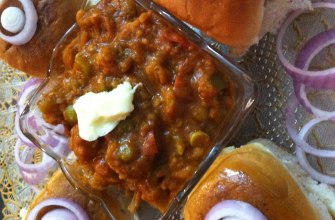
If Turkey has a national comfort dish, it is kuru fasulye, white beans stewed in a tomato and pepper sauce until soft and savoury. Plain, cheap and deeply satisfying, it is the meal that Turks of every background grew up on, and it almost never travels alone. The classic order is a holy trinity of kuru fasulye, pilav and turşu, the beans with buttery rice and a dish of pickles, a combination so loved that whole restaurants exist to serve little else.
This guide covers the national bean stew, the beans Turks prize, its main variations, the other great Turkish bean dishes, and a recipe to make kuru fasulye at home. It sits within our wider guide to Turkish cuisine.
Kuru Fasulye, the National Bean Stew
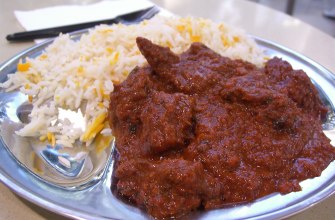
Kuru fasulye, which simply means dry beans, is dried white beans soaked overnight and then simmered slowly with onion, tomato and pepper paste, and a little chilli, until the sauce thickens around them. It is humble food with a serious following. In the Süleymaniye district of Istanbul, a row of bean houses beneath the great mosque has served almost nothing but kuru fasulye for generations, and the queues outside them at lunchtime say everything about the dish’s place in the national affection. Beyond those famous houses, almost every esnaf lokantası, the tradesmen’s restaurant that serves home cooking from a steam counter, keeps a pot of kuru fasulye going all day, ladled out by weight to office workers and labourers alike.
The trinity it belongs to is fixed by long habit. The beans go over or beside a mound of pilav, plain rice cooked in butter and stock, and a saucer of turşu, sharp pickled vegetables, sits alongside to cut the richness. A wedge of bread completes it, and many Turks would name this unglamorous plate, rather than any kebab, as the taste of home. It is also the everyman’s meal in the most literal sense: cheap, filling and meatless if it needs to be, it is what a student, a worker or a whole family eats when money is short, which is part of why it carries so much affection.
From the New World to the Anatolian Table
The white bean itself is a relative newcomer to Turkey. Like the tomato and the pepper that flavour the stew, the haricot bean came from the Americas, reaching the eastern Mediterranean through Ottoman trade only a few centuries ago, and it spread so completely that it is now impossible to imagine the cuisine without it. Before the bean arrived, the same comforting role was filled by older pulses, the lentils and chickpeas that Anatolia had grown since the dawn of farming. Kuru fasulye, then, is an old idea in a new ingredient, the latest form of a very ancient habit of turning a handful of dried pulses into a warming pot.
The Beans Themselves
Not all white beans are equal in Turkey, and cooks argue over the best. The most prized are the small, thin-skinned Ispir beans grown in the high valleys around Erzurum in the east, valued because they cook to a creamy softness without falling apart. Good beans, properly soaked, are half the dish: they should be tender enough to crush against the roof of the mouth but still hold their shape in the sauce. Older, drier beans take longer and never quite reach that texture, which is why the harvest and the source matter to a serious cook. Most home cooks buy them dried in bags, but the best are still sold by region and variety in the markets, where a stallholder will happily tell you which valley this year’s crop came from.
The Main Variations
Kuru fasulye comes in a few standard forms depending on what goes in with the beans:
- Etli kuru fasulye: cooked with chunks of lamb or beef, the heartiest version and the one most often served in restaurants.
- Sucuklu kuru fasulye: enriched with slices of the spiced, garlicky sucuk sausage, which lend the sauce a smoky depth.
- Zeytinyağlı or vegan kuru fasulye: made with only olive oil and no meat, lighter and often eaten cold as a meze, common during fasting periods.
- Pastırmalı: a richer version with the cured beef pastırma, a treat rather than an everyday plate.
Whatever goes in, the method barely changes, and the dish rewards slow cooking more than any clever technique. A good kuru fasulye is mostly a matter of decent beans, patience and a generous hand with the pepper paste, which is why the same plate can be both the cheapest lunch in town and a thing people travel across a city to eat.
The Other Turkish Bean Dishes
Beans run through the cuisine well beyond the national stew:
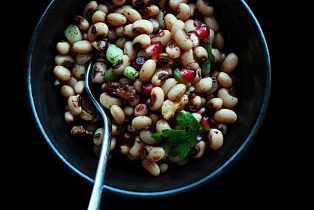
- Piyaz: a white bean salad with onion, parsley, sumac and a sharp dressing, eaten cold. The famous Antalya version adds tahini and an egg and is a meal in itself.
- Barbunya pilaki: borlotti beans stewed in olive oil with carrot, potato and tomato, served cold as a meze.
- Fava: a smooth, set purée of dried broad beans dressed with oil and lemon and cut into slices, an Aegean meze.
- Çalı fasulye: green runner beans cooked gently in olive oil and tomato, eaten cool, one of the classic olive-oil vegetable dishes.
- Etli nohut: the chickpea version of the same idea, chickpeas stewed with lamb in a tomato sauce, served over rice just like the beans.
- Bakla: fresh broad beans cooked in oil with dill, an Aegean spring dish, the green cousin of dried fava.
Between the hot stew and these cold dishes, the bean is one of the busiest ingredients in the Turkish kitchen, as comfortable in a winter lunch as on a summer meze table.
How to Make Kuru Fasulye at Home
Kuru fasulye needs little more than time and good beans. This serves four.
Ingredients: 2 cups dried white beans soaked overnight, 1 large onion finely chopped, 2 tablespoons tomato paste and 1 tablespoon red pepper paste, 3 tablespoons oil or butter, a teaspoon of dried red pepper, salt, and optionally 250 g cubed lamb or sliced sucuk.
- Drain the soaked beans, cover them with fresh water and boil for about an hour, until almost tender, then drain and set aside.
- If using meat, brown it in the oil. Add the onion and cook it soft, then stir in the tomato and pepper pastes and the red pepper and cook for a minute.
- Add the beans and enough water to cover them by a finger, season with salt, and simmer gently for thirty to forty minutes until the sauce thickens and the beans are soft.
- Rest the pot off the heat for a few minutes so the flavours settle, then serve hot over rice with pickles alongside.
A few details improve the pot. Soak the beans overnight so they cook evenly, and skim the grey foam that rises during the first boil for a cleaner sauce. Hold the salt until the beans are almost soft, since salting too early can keep them tough, and a pressure cooker will turn the long simmer into twenty minutes if you are short of time. Like most bean stews it tastes better the next day, once the sauce has had time to deepen. Serve it with buttery rice and a piece of warm Turkish bread to mop the plate.
Frequently Asked Questions
What is kuru fasulye?
Kuru fasulye is the Turkish national bean stew, dried white beans simmered in a tomato and pepper sauce with onion and chilli, sometimes with lamb or sucuk sausage. It is traditionally served with buttery pilav rice and a dish of pickles, a combination Turks regard as a classic comfort meal.
What is served with Turkish beans?
The classic pairing is the trinity of kuru fasulye, pilav and turşu: the beans with plain rice and pickled vegetables, plus bread. The rice carries the sauce and the sharp pickles cut its richness.
Is kuru fasulye vegan?
It can be. The zeytinyağlı version is made with only olive oil and no meat and is often eaten cold, which makes it suitable for vegans and for fasting days. Restaurant versions are usually cooked with lamb or sucuk.
What beans are used for kuru fasulye?
Dried white haricot beans are standard, and Turkish cooks prize the small, creamy Ispir beans grown around Erzurum in the east. The beans are soaked overnight and pre-boiled before going into the sauce so they cook to a soft, tender finish.
Sources and Further Reading
- Go Türkiye Gastronomy – the official tourism portal on Turkish home cooking and staple dishes
- Kuru fasulye – a reference overview of the Turkish bean stew
- TasteAtlas: Kuru fasulye – on the dish and its variations