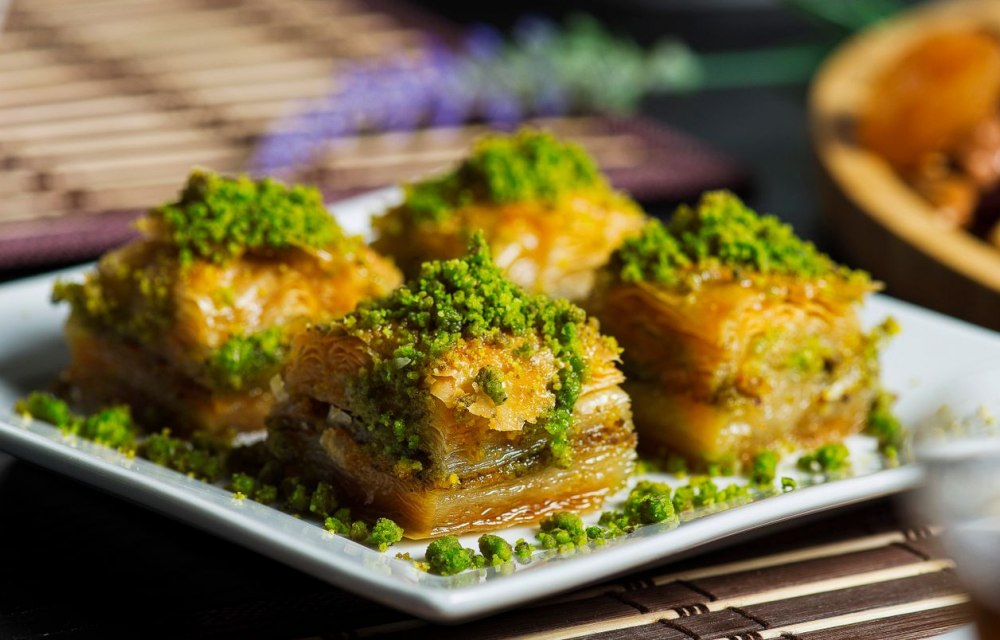
Search for a Turkish cherry pie and you will not find an old recipe for a double-crust American pie. What you find instead is something better: Turkey is the place the cherry came from, the world’s biggest cherry grower, and the home of a deep sour-cherry dessert tradition built on a fruit Turks call vişne. This guide explains where the cherry was born, the difference between Turkey’s two cherries, the real Turkish cherry desserts, and how to make the dish closest to a cherry pie, vişneli ekmek tatlısı.
Giresun, the town that named the cherry
The cherry carries an Anatolian name in almost every European language, and the trail leads to a single Black Sea town.
- The name. English cherry, French cerise, Spanish cereza and German Kirsche all descend from the Latin cerasum, which came from the Greek Kerasous, the ancient name of the town now called Giresun on Turkey’s Black Sea coast.
- The export to Rome. The Roman writer Pliny credited the general Lucius Licinius Lucullus with bringing the cultivated cherry to Rome from this Pontic region around 72 BC, after his campaigns against Mithridates. The fruit travelled west and kept the name of its hometown.
- Why it matters. When you eat a cherry anywhere on earth, you are eating a fruit that took its name from northeastern Turkey. That makes a Turkish cherry article less about a borrowed pie and more about the cherry’s own origin story.
Kiraz and vişne: Turkey’s two cherries
Turkish kitchens split the cherry in two, and the split decides what goes into a dessert.
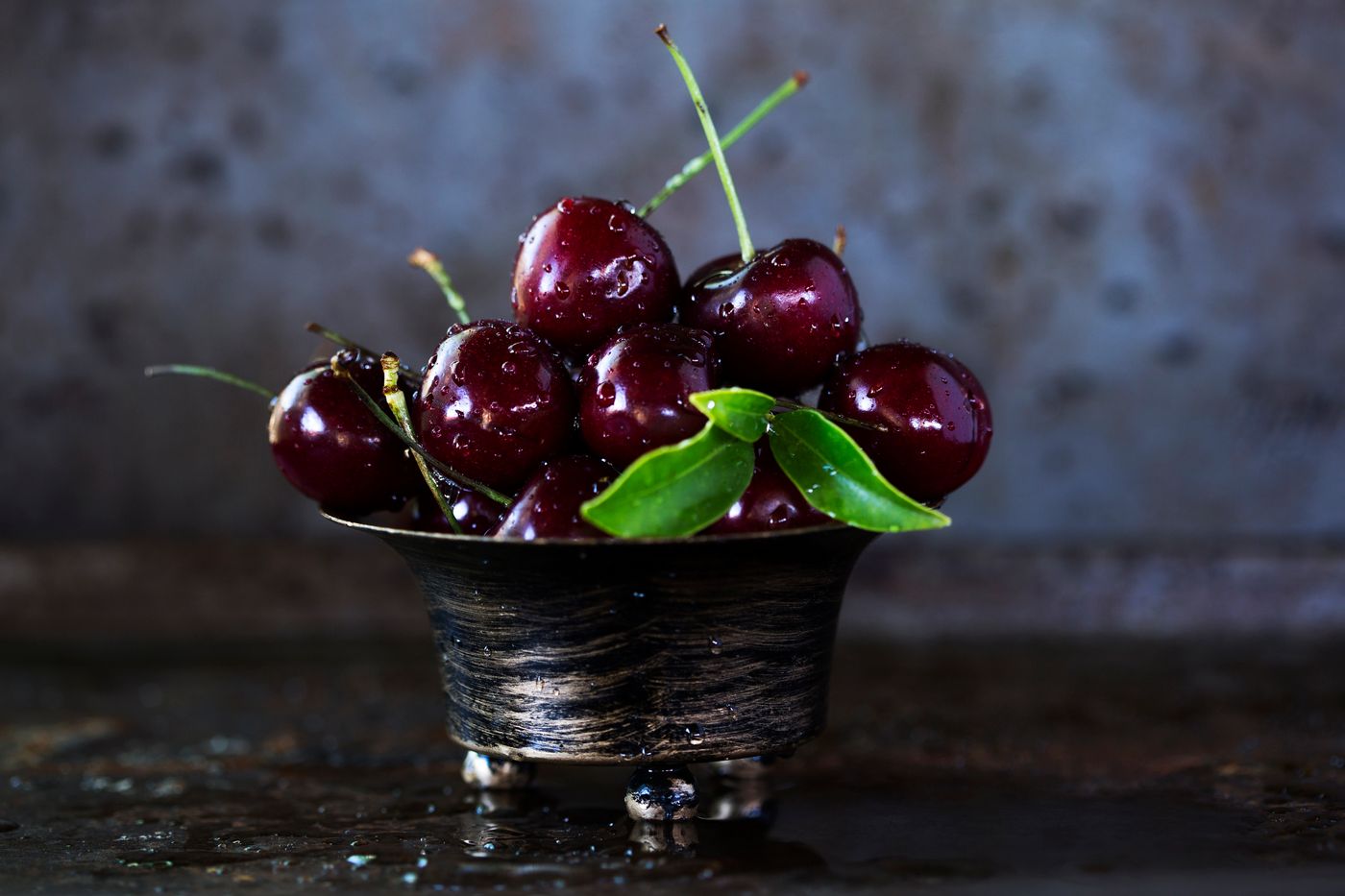
- Kiraz is the sweet cherry, eaten fresh by the bowl in early summer. The flagship is the 0900 Ziraat, known abroad as the Turkish cherry or Turkish Napoleon: a large, firm, dark-red, heart-shaped fruit that ships well and supplies around 90 percent of Turkey’s cherry exports. Turkish growers call it Napolyon and plant pollinator trees such as Lambert and Sarıkiraz beside it, because the 0900 Ziraat cannot set a full crop on its own.
- Vişne is the sour or morello cherry, small and sharp, too tart to eat raw by the handful but perfect for cooking, syrups and jam. This is the cherry behind almost every Turkish cherry dessert.
The numbers behind the crop are large. Turkey is the world’s top cherry producer, growing roughly 737,000 tonnes in 2023, close to a fifth of the global harvest. The sweet-cherry orchards cluster around İzmir, Bursa, Manisa, Isparta and Afyonkarahisar, while Amasya holds a protected geographical indication for its own cherry. Afyon is also a centre for vişne, which feeds the country’s sour-cherry juice and jam industry. In a recent season Turkey shipped about 70,000 tonnes of cherries worth some 183 million dollars, close to a twentieth of world cherry exports, and most of the sour-cherry crop leaves the country deep-frozen, the form in which vişne reaches European bakeries and yogurt makers.
Is there a traditional Turkish cherry pie?
Not in the American sense. Turkish home baking did not grow up around a lard-and-flour pastry case filled with stewed fruit. The Turkish answer to a cherry dessert is softer and syrup-soaked, and it almost always uses vişne for its sour edge. Modern Turkish bakeries do sell a vişneli turta, a sour-cherry tart with a short crust and a layer of jammy cherries, and that is the closest thing to a pie on a Turkish pastry counter. The dish Turks reach for at home, though, is a bread dessert.
The real Turkish cherry desserts
Each of these is built on vişne, and each balances tart fruit against sugar rather than piling on sweetness.
- Vişneli ekmek tatlısı – sour-cherry bread dessert, the headline dish. Toasted bread is soaked in cherry syrup until it turns deep red and soft, then topped with the cherries and a spoon of clotted cream.
- Vişneli ekmek kadayıfı – a close cousin using a round, sponge-like kadayıf bread base soaked in the same cherry syrup.
- Vişne şerbeti – sour-cherry sherbet, an Ottoman cold drink made by steeping vişne with sugar, served chilled in summer and at celebrations.
- Vişne reçeli – sour-cherry jam, simmered with sugar and a little lemon, the breakfast and pastry-filling staple.
- Vişneli kek – a plain home cake studded with jarred or fresh sour cherries that sink through the crumb.
- Vişneli lokum – sour-cherry Turkish delight, where the tart fruit cuts the sugar of the lokum.
Sour cherry also turns up dried, as a tangy addition to pilaf and stuffing in some regional kitchens, and it flavours a popular bottled juice that Turkish families drink year round.
Make it at home: vişneli ekmek tatlısı
This is the dish to make if you came looking for a Turkish cherry pie. It needs no pastry skill and rewards good sour cherries.
Ingredients
- 6 thick slices of day-old white bread
- 2 cups sugar for the syrup, plus half a cup for the cherries
- 2 cups water
- Juice of half a lemon
- 3 cups pitted sour cherries (vişne)
- Kaymak or clotted cream, to serve
- Crushed pistachio, to finish
- Cut 6 thick slices of day-old white bread, trim the crusts, and toast or oven-dry them until golden and firm.
- For the syrup, simmer 2 cups of sugar with 2 cups of water and the juice of half a lemon for about 10 minutes.
- In a separate pan, cook 3 cups of pitted sour cherries with half a cup of sugar until they release their juice and soften, about 8 minutes. Keep the cherries and their red juice.
- Lay the toasted bread in a single layer in a tray. Pour the hot sugar syrup over it, then spoon the cherry juice across so the bread drinks it in and stains deep red.
- Simmer the tray gently for a few minutes until the bread is soft all the way through, then spread the cherries on top and let it cool.
- Chill for a few hours and serve cold, each portion crowned with kaymak or clotted cream and a scatter of crushed pistachio.
Vişne in the Ottoman cup
Long before bottled soft drinks, the Ottoman table cooled itself with şerbet, a sweetened fruit drink served chilled, and sour cherry was a favourite base. Vişne şerbeti appeared at palace feasts, circumcision celebrations and Ramadan tables, poured from tall jugs and chilled with snow carried down from the mountains and kept in ice houses. The drink survives today in two forms.
- Homemade şerbet. Sour cherries are steeped with sugar and a little clove or cinnamon, strained, and served cold as a sharp alternative to fizzy drinks.
- Bottled vişne suyu. Sour-cherry juice is a staple in Turkey, sold in every market and poured at breakfast and dinner alike.
The sweet kiraz crop keeps its own calendar. Cherries ripen from late May in the warm Aegean provinces and run through June and July further inland, and the harvest brings cherry festivals to towns such as Tekirdağ. Most of the export-grade 0900 Ziraat leaves the country fresh, shipped to Germany, Russia and the Gulf within days of picking.
Cooking with vişne
- Season. Fresh vişne has a short window from late spring into July. Outside it, Turks use frozen, jarred or bottled sour cherries, which work well in cooked desserts.
- Substitutes. If you only have sweet kiraz-type cherries, add extra lemon juice to mimic the tartness vişne brings, or the dessert will taste flat.
- Pitting. Pit sour cherries over a bowl to catch the juice, which carries most of the colour and flavour.
- Restraint. Do not overcook vişne. A short simmer keeps the fruit whole and the sourness alive, which is the whole point of the dish.
Sour-cherry desserts sit alongside the rest of the syrup-soaked Turkish sweet table. For the wider picture see the guide to Turkish cuisine, browse the family of Turkish desserts, and read how vişne flavours Turkish delight.
Frequently asked questions
What is vişne in English?
Vişne is the sour or morello cherry, a small tart cherry used for cooking rather than fresh eating. The sweet eating cherry is called kiraz in Turkish.
Is Turkish cherry pie a real traditional dish?
There is no traditional Turkish double-crust cherry pie. The authentic Turkish cherry dessert is vişneli ekmek tatlısı, a syrup-soaked sour-cherry bread dessert. Modern bakeries also make a vişneli turta, a sour-cherry tart, which is the closest thing to a pie.
Can I use sweet cherries instead of sour cherries?
You can, but add lemon juice to bring back the tartness. Turkish cherry desserts depend on the sharp edge of vişne to balance the sugar, and sweet kiraz alone makes them taste one-note.
Where did cherries originally come from?
The cultivated cherry is tied to Kerasous, the ancient town that is now Giresun on Turkey’s Black Sea coast. The fruit carried that town’s name into Latin as cerasum and then into English as cherry.
What is the 0900 Ziraat cherry?
It is Turkey’s leading sweet-cherry variety, also called the Turkish Napoleon. Large, dark and firm, it makes up about 90 percent of the country’s cherry exports and is grown for shipping fresh around the world.
When are Turkish cherries in season?
Sweet kiraz ripens from late May in the Aegean and through June and July further inland. Fresh vişne has an even shorter early-summer window, which is why most sour-cherry desserts rely on frozen or jarred fruit for the rest of the year.
Sources
- Cherry – etymology and origin (Kerasous, Lucullus)
- Encyclopaedia Britannica – Giresun
- Hurriyet Daily News – Vişne: sweet, sour and sharp
- IntechOpen – Cherry Growing in Turkey