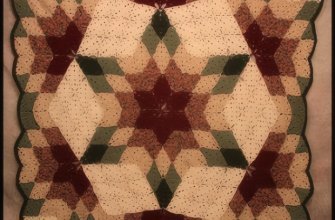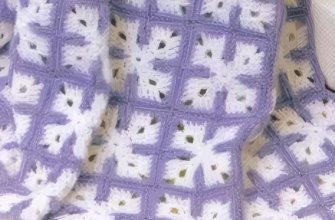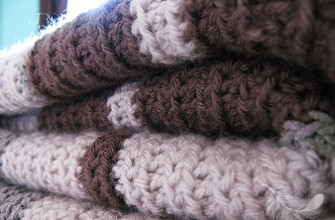
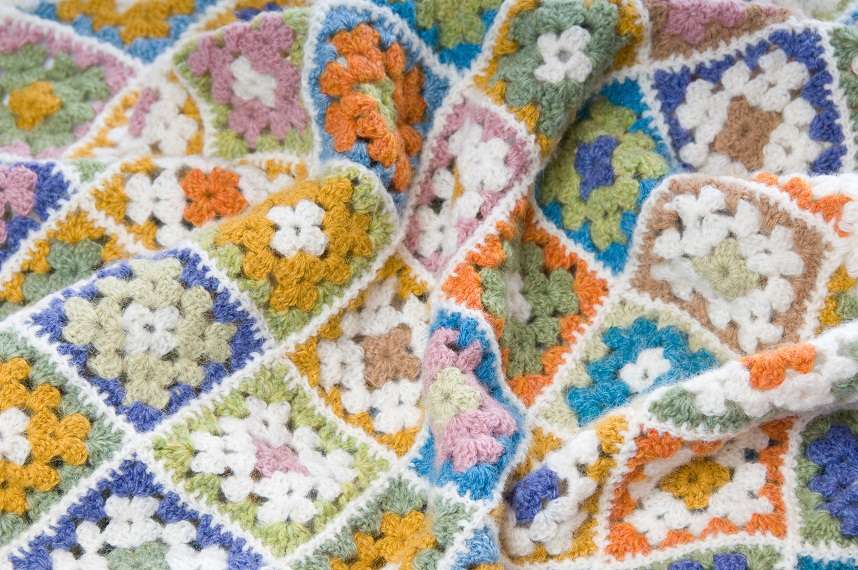
The word “Afghan” applied to a blanket has two distinct meanings. In English-speaking craft circles it refers to a crochet or knit throw, the name inherited in the nineteenth century from the woollen wraps that British soldiers brought back from the First Anglo-Afghan War. In Afghanistan and the surrounding region it refers to a family of traditional wool textiles, with the patu shawl from the Pashtun highlands as the headline garment, alongside the Hazara khaden, the chapan quilted coat, and the kilim and war-rug pieces produced by Turkmen, Uzbek, Baloch, and Taimani weavers across the country.
This guide covers the traditional Afghan blanket tradition first: the patu and its uses, the regional wool textiles, the tribal weaver communities, the natural dye palette, the weaving cities of Herat, Mazar-i-Sharif, and Kabul, the war-rug movement that emerged after the 1979 Soviet invasion, and the refugee-camp economy that produces most exported pieces today. The shorter etymology section at the end traces how the word “afghan” entered English-language craft vocabulary as a crochet term separate from the Afghan textile tradition. For the rug variant of the same wool tradition, see our Afghan rugs and carpets overview.
The Patu: Pashtun Wool Shawl-Blanket
The patu, also spelled patoo or patti, is the most widely worn traditional Afghan textile. The shawl-blanket is woven from hand-spun raw wool, usually two to three metres long and a metre to a metre and a half wide, sized to drape across one shoulder and wrap across the body. Origins sit in the high mountain belt that runs from the Swat Valley in northern Pakistan through Chitral and into north-eastern Afghanistan, where wool-bearing sheep produce the heavy fleece that makes the patu warm enough for winter use at altitude.
A traditional patu serves several functions across a single day:
- Shoulder shawl: worn over the shalwar kameez during the day, wrapped close in cold weather, looser in mild conditions
- Poncho: draped over both shoulders with the head through a central fold, used by travellers and shepherds in upland terrain
- Sleeping blanket: the same piece spread out at night, with the body wrapped inside the wool
- Prayer mat: folded for the five daily prayers, particularly during travel when a dedicated mat is impractical
- Baby swaddle: wrapped around an infant and tied across the mother’s body, a common sight in rural Afghanistan
- Carrying cloth: used to bundle vegetables, firewood, or small livestock for transport
Pashtun men traditionally pair the patu with a pakol, the flat-topped felt cap of the Hindu Kush region, and a turban or topi. The combination gained international visibility during the Soviet-Afghan war when mujahideen fighters and later Northern Alliance commanders appeared in photographs wearing the patu, the pakol, and full beards. Women in Pashtun regions wear the patu less commonly than men, although in northern Afghanistan and parts of the Hazarajat women do wear it as a winter wrap over the chador.
Patu weaving traditionally takes place on flat-frame wooden looms set up in homes during the winter months when herding work slows. A finished patu uses roughly 500 to 800 grams of wool and takes a skilled weaver several days to complete. Plain natural colours dominate (off-white, light brown, dark brown, grey, black), with simple woven stripes or borders in contrasting wool for higher-end pieces.
Khaden, Chapan, and Other Regional Wool Pieces
Beyond the patu, Afghan textile tradition includes several other wool-based pieces that overlap with the blanket category. Each region has its own preferred form, tied to local sheep breeds, climate, and tribal weaving practice.
- Khaden: a heavy wool blanket produced in the Hazarajat highlands around Bamiyan, Daikundi, and Ghor, with a longer pile than the patu and bold geometric stripes. Khaden pieces are used as bed covers and floor seating mats in Hazara households
- Chapan: a long quilted coat with a striped wool exterior, lined with cotton or sheepskin, worn across northern Afghanistan and into Uzbekistan and Tajikistan. The chapan is technically a coat rather than a blanket but functions as portable bedding for travellers
- Postin / Pustin: a sheepskin coat with the wool worn on the inside, used in the coldest months in the Hindu Kush and the Pamirs. Herati postins are particularly prized
- Lihaf: a cotton-shell winter quilt filled with cotton wadding or wool, used as the standard winter bed cover across central and southern Afghanistan
- Namad / Felt rugs: pressed wool felt used as room rugs and as portable sleeping mats, common in Turkmen and Uzbek communities of northern Afghanistan
- Suzani embroidery: silk embroidery on cotton ground, used for bed coverings and ceremonial cloths, with Bukhara and Samarkand origins but historically produced across the northern Afghan plain as well
The patu is the everyday item across the country, while khaden, chapan, and lihaf concentrate in specific regional communities. A complete bedroom in a rural Afghan home of the central highlands might include a felt namad on the floor, a chapan or two folded as cushions, a lihaf for the colder months, and a stack of patu shawls hanging from a wall hook for daytime use.
Tribal Weaver Communities
Afghan textile production runs along tribal and ethnic lines, with each major community holding its own weaving and dyeing traditions. The country’s woven goods take their character from the tribal source of the workshop rather than from a single national style.
- Turkmen: the dominant rug-weaving community in northern Afghanistan, with tribes including the Ersari, Salor, Saryk, Tekke, and Yomut. Each tribe has its own gul, a stylised octagonal flower motif that identifies the source community in the design field of a rug or wider textile. Mazar-i-Sharif and Andkhoy are major Turkmen weaving centres
- Uzbek: based mainly in northern Afghanistan around Mazar, Kunduz, and Faryab, with a tradition of suzani embroidery, ikat-dyed silk panels, and the chapan coat. Uzbek workshops produced much of the wider-format bedding and wall hanging textiles of the country
- Hazara: the central highlands community based in Bamiyan, Daikundi, and Ghor, weaving the heavier khaden blankets and producing distinctive striped pile rugs. Hazara women run most of the household textile production in the region
- Baloch: the south-western community concentrated in Nimroz, Helmand, and across the border in Iranian Sistan and Balochistan, with a tradition of finer flat-weave kilims and prayer rugs. The earliest Afghan war rugs were Baloch productions
- Taimani / Aimaq: the western highland community in Ghor and parts of Herat province, producing flat-weave rugs and decorative blankets with distinctive bold geometric borders
- Pashtun: the largest ethnic group of the country, with concentrated patu weaving in the eastern provinces of Nangarhar, Kunar, Laghman, and across the Durand Line into Pakistan
Tribal weaving signatures persist even after Soviet-era and post-2001 displacement reshaped where each community produced its work. A Tekke gul rug woven in a Peshawar refugee workshop in the 1990s carries the same family pattern as a Tekke rug woven in the original homeland fifty years earlier, despite the production location shift.
Natural Dyes and Wool Sources
Traditional Afghan textiles run on natural-dye palettes that draw on local plants and minerals. The dye recipes have remained largely stable across centuries, although synthetic chrome dyes entered some commercial workshops in the late twentieth century before the heritage market pushed production back toward vegetable colours.
- Madder root (Rubia tinctorum): produces the deep brick-red that forms the dominant background colour of Turkmen rugs and many patu borders
- Indigo (Indigofera tinctoria): produces the navy and dark blue used in tribal motifs, often imported historically from Indian and Iranian sources
- Walnut hulls: produce the dark brown and black used for patu base colours and rug borders, sourced from local walnut groves in the Kunar and Nuristan valleys
- Pomegranate rind: produces the yellow and pale gold used for accent details
- Larkspur: produces the lighter green tones
- Iron mordant: deepens browns and produces near-black, often combined with walnut
Wool sources split between local Karakul, fat-tailed, and crossbreed sheep. The northern Afghan Karakul flocks produce the curly black lamb fleece that supplies astrakhan trade pieces, while the fat-tailed sheep of central and southern Afghanistan produce the coarser wool used for everyday patu and khaden. High-grade rug wool is hand-spun on a drop spindle by household women across the country, with mechanised spinning still a minor share of production.
Weaving Cities and the Refugee Workshop Economy
Afghan textile production concentrates in five main centres, each with its own commercial role:
- Herat: in the west, the historic Silk Road city, producing fine wool rugs of the Shindand and Adraskan styles plus the heaviest postin sheepskin coats
- Mazar-i-Sharif: in the north, the Turkmen and Uzbek weaving centre, with the largest commercial workshops and most of the export-grade rug production
- Andkhoy: a smaller town in Faryab province, known specifically for Turkmen-tribe rug production and for the trade in Karakul lamb fleeces
- Kabul: the central distribution and finishing hub, where rugs from across the country are washed, trimmed, and graded for export
- Peshawar: across the Durand Line in Pakistan, the historic refugee weaving hub since the 1980s, where displaced Afghan workshops produce a high share of the international export volume
The refugee workshop economy that emerged in Pakistan after the 1979 Soviet invasion permanently changed Afghan textile production. Several million Afghans crossed into Pakistan during the 1980s, and the Peshawar refugee camps became the largest concentration of Afghan weavers anywhere. Carpet wholesalers in Peshawar still export rugs and blankets labelled as Afghan production through the Karachi port to European, North American, and Gulf buyers, often without the wool ever crossing back into Afghanistan during the manufacturing process.
The War Rug Movement and Blanket-Sized Pieces
On 24 December 1979 Soviet troops crossed the Amu Darya into Afghanistan, beginning a ten-year war that transformed Afghan weaving as much as any other part of the economy. Within a year or two of the invasion, weavers began incorporating military imagery into their textile designs. Helicopters replaced birds in the field. Tanks and Kalashnikovs replaced flowers. Field guns, grenades, and Soviet star insignia appeared in border frames.
Three phases of war-rug production track the country’s modern history:
- Subtle period (1980-1985): weavers placed small military motifs inside otherwise conventional tribal patterns, often hidden among floral guls or geometric borders
- Bold period (1985-2001): explicit military scenes filled the field, with named weapons (AK-47, RPG-7), labelled tanks, and helicopter formations dominating rug centres. The Boca Museum of Art and the British Museum have major collections from this phase
- Post-2001 period: American military hardware (Humvees, F-15s, drones) replaced or joined Soviet imagery, with the September 11 twin towers appearing in some explicit pieces, and US Marine logos in commemorative commissioned work
War rugs include blanket-sized pieces alongside floor rugs, which is what brings them into the Afghan blanket category. A pictorial war piece sized 1.5 by 2 metres often functions as a wall hanging or a folded throw rather than as a floor cover. The Baloch communities of southern Afghanistan produced the earliest war pieces, followed by Hazara, Turkmen, and Taimani weavers as the practice spread through the refugee networks. Most pieces today are produced by women in Pakistani refugee workshops rather than inside Afghanistan, which makes their classification as Afghan textiles a continuing debate among museums and collectors.
The American Crochet “Afghan” Etymology
The English-language crochet term “afghan” entered the language during and after the First Anglo-Afghan War (1839-1842). British soldiers returned to the United Kingdom with the wool wraps and shawls they had collected on campaign, and Victorian-era home magazines began using “Afghan” as shorthand for any colourful wool throw blanket made on knitting needles or with a crochet hook. The term crossed the Atlantic with British and Scottish immigrants and became established in American craft vocabulary by the late nineteenth century.
Three modern American crochet “afghan” styles dominate craft-shop pattern books:
- Mile-a-minute afghan: a single continuous pattern strip, joined into a flat blanket, designed for rapid completion
- Join-as-you-go afghan: separate motif squares joined to each other as each one is finished, producing a modular blanket with consistent motif logic
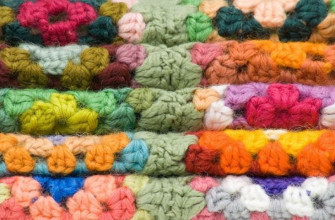
- Granny square afghan: the classic American style, with separate decorative squares (often with multi-colour rings) sewn together at the end
The American crochet afghan and the traditional Afghan textile share only a name. The materials, techniques, weaver communities, and cultural function differ entirely. A patu woven in a Hazara household in Bamiyan and a granny-square blanket crocheted by a hobbyist in Ohio sit in different craft worlds despite the word that both share. The naming overlap remains a recurring source of confusion in textile retail.
Buying an Afghan Blanket Today
Travellers in Afghanistan, when conditions allow, can buy patu and khaden pieces in the textile bazaars of Mazar-i-Sharif, Herat, Kabul, and Bamiyan. Prices for a hand-woven patu run roughly US$30 to US$80 for a plain colour and US$80 to US$200 for a striped or bordered piece in heritage-quality wool. Khaden blankets sit in the US$60 to US$250 range depending on size and pattern complexity. Chapan coats run higher, US$100 to US$400 for a quality silk-faced piece.
Outside Afghanistan, the export market splits between three channels:
- Heritage galleries: high-end specialists in London, Munich, New York, and Doha sell vetted antique and contemporary pieces with provenance documentation, with prices several multiples of bazaar rates
- Online marketplaces: Etsy, eBay, and dedicated Afghan-textile sites carry mid-range patu and khaden pieces, often imported through Peshawar wholesalers
- Diaspora bazaars: Afghan-community shops in Hamburg, Frankfurt, London, Toronto, Sydney, and US cities with sizeable Afghan-American populations carry the same range with personal connections to source workshops
Authentication for patu and khaden is straightforward in principle: hand-spun wool shows irregular thickness along the yarn, natural dyes show subtle variation across the field rather than uniform machine colour, and a hand-woven piece has visible loom marks and minor tension variation along the edges. Machine-knit or factory pieces from Pakistan and India sometimes label themselves as Afghan textile but lack these markers.
Frequently Asked Questions
What is a traditional Afghan blanket called?
The patu or patoo is the most widely worn traditional Afghan wool blanket-shawl, used across the Pashtun mountain regions of eastern Afghanistan and the Swat Valley in Pakistan. Other regional names include khaden for the heavier Hazara blanket from Bamiyan and Daikundi, namad for pressed wool felt rugs that double as sleeping mats, and lihaf for the cotton-shell winter quilt of central and southern Afghanistan.
What is a patu used for?
The patu functions as a shoulder shawl during the day, a poncho in cold weather, a sleeping blanket at night, a prayer mat during travel, a baby swaddle, and a carrying cloth for vegetables or firewood. Pashtun men traditionally pair the patu with a pakol felt cap and a turban. The same piece serves all six functions across a single day in rural Afghan life.
What are Afghan war rugs?
Afghan war rugs are pictorial textiles that include military imagery, produced from the early 1980s onwards after the 1979 Soviet invasion. Early pieces blended helicopters, tanks, and Kalashnikov rifles subtly into traditional tribal patterns. Later pieces show explicit war scenes with named weapons, named operations, and post-2001 American military hardware. Most production today happens in Pakistani refugee workshops rather than inside Afghanistan.
Which tribal communities weave Afghan textiles?
Turkmen tribes (Ersari, Tekke, Salor, Saryk, Yomut) dominate northern rug production, with each tribe carrying its own gul motif. Uzbek workshops in Mazar, Kunduz, and Faryab produce suzani embroidery and chapan coats. Hazara weavers in the central highlands make the khaden blanket. Baloch communities in the southwest were the first to produce war rugs. Taimani and Aimaq weavers in the west produce flat-weave pieces. Pashtun weavers across the east focus on patu shawl production.
Why does the English word “afghan” mean a crochet blanket?
The English-language crochet “afghan” entered the vocabulary during and after the First Anglo-Afghan War of 1839 to 1842, when British soldiers returned with traditional Afghan wool wraps. Victorian home magazines began using “Afghan” as shorthand for any colourful wool throw, the term crossed to North America with British and Scottish immigrants, and the granny-square crochet style became established in American craft culture by the late nineteenth century. The traditional Afghan textile and the American crochet afghan share only a name.
How can I tell a hand-woven patu from a factory product?
Hand-woven patu shows irregular yarn thickness from drop-spindle spinning, subtle dye variation across the field from natural plant pigments, and visible loom marks and minor tension changes along the edges. Factory pieces show uniform yarn thickness, machine-perfect colour, and perfectly aligned edges. Authentic raw-wool patu also carries a faint lanolin smell when new, which fades after several months of use.
Sources and Further Reading
- British Museum, War Rugs: Afghanistan’s Knotted History exhibition
- Smithsonian Magazine, Rug of War feature on Afghan war rugs
- Afghan rug, comparative weaving reference
- Metropolitan Museum of Art, Central Asian textile collection
- Turkmen Rugs reference site, tribal gul motif identification
- Impart, Afghan War Rugs academic overview
- The Conversation, Afghanistan’s war rug industry analysis