An Afghan wedding pulls together Islamic religious law, centuries of Pashtun and Persian custom, and a modern seven-to-nine-hour celebration that runs from dusk past midnight. The Nikah binds the couple under religious authority, the Ahesta Boro walk brings them into the hall to a specific piece of music written for this moment, and the Attan dance finishes the night in a circle that grows as guests join in. This guide covers the full sequence: the engagement visits before the wedding, the henna night, the ceremonies on the main day, the meal, the dances, and the week-after Takhjami that completes the marriage.
Afghan weddings vary by region and ethnic group. Pashtun weddings in the south and east place more weight on the groom’s family paying the mahr and on strict gender-separated seating. Tajik and Hazara weddings in the north and center often mix guests earlier and include more Persian-influenced music. This article describes the common spine of Afghan wedding practice, flagging where regional differences matter.
Nikah: The Marriage Contract
The Nikah is the religious marriage contract and the legal heart of an Afghan wedding. A mullah (Islamic cleric) conducts the ceremony before the main reception begins, sometimes on a different day. The groom attends in person. The bride usually remains in a separate room, represented by her father or a senior male relative. Three witnesses must be present, and at least two must be Muslim.
The mullah begins by reciting verses from the Quran, then asks the groom whether he accepts the marriage and the mahr agreed in negotiation. The mahr is a sum of money or property the groom pays to the bride directly, not to her family, and it becomes her own property regardless of what happens to the marriage. Mahr amounts range from a symbolic sum in rural weddings to tens of thousands of dollars in urban ones, and the figure is recorded in writing as part of the contract.
The mullah then walks to the bride’s room and asks her three times whether she accepts the marriage on these terms. The three-question rule lets the bride decline at any point without losing face. She can refuse after the first or second question and the Nikah ends. If she answers yes three times, the mullah returns to the main room, announces the marriage complete, and the couple is religiously and legally bound. Guests say “Mubarak” (congratulations) and the main wedding reception can proceed.
Pre-Wedding Events
Before the wedding day itself, several events establish the match and prepare both families.
Khastegari: The Proposal Visit
Khastegari is the formal marriage proposal. The groom’s close female relatives, usually his mother and sisters, visit the bride’s home to ask her family for her hand. The visit is arranged in advance but follows a ritual of indirection: the groom’s mother praises the bride, describes her son, and gradually brings the conversation to the possibility of a match. The bride’s family answers with questions about the groom’s family background, religious practice, and financial standing. A first Khastegari rarely ends with an answer; the bride’s family takes time to consider, and a second or third visit usually follows.
Shirni Khori: The Engagement Party
Once both families agree, they hold the Shirni Khori (“eating sweets”) engagement party. The groom’s family brings trays of sweets, dried fruit, and nuts to the bride’s home. The couple exchanges rings and in many weddings this is the first time they appear together as an engaged pair. The mahr is negotiated at this stage, and both families agree on the wedding date, the guest list size, and the division of costs. A Shirni Khori in Kabul or among the Afghan diaspora can host 50-200 guests and run for several hours with music and food.
Henna Night
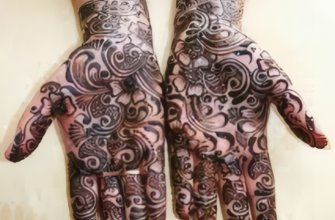
The night before the wedding, the bride and female relatives gather for the henna ceremony (Shab-e Hana). This is a women-only event in traditional weddings, held at the bride’s home or her family’s venue. Seven maidens from the groom’s family paint henna onto the bride’s palms in intricate patterns that last two to three weeks on the skin. The groom’s mother traditionally does the bride’s henna, and the bride’s mother does the groom’s henna in a parallel event at his home. The evening includes singing, drumming, and dancing, and it is one of the most intimate parts of the wedding sequence.
The Main Wedding Day
The reception runs from around 5:00 PM until between midnight and 2:00 AM. Guests arrive, find their seats, and wait for the couple to enter. In traditional seating, women sit on one side of the hall and men on the other; modern urban weddings often mix guests at family tables. Two decorated chairs face the hall at the front, raised slightly and draped with fabric. The couple sits in these chairs through most of the evening and the thrones mark them as the king and queen of the night.
Ahesta Boro: The Bride’s Entrance
At around 8:00 to 8:30 PM, the musicians begin a specific song called Ahesta Boro. The name translates from Dari Persian as “walk slowly”. The song is an instrumental wedding march with vocal passages wishing the bride well, and it plays only at this moment of the wedding. The bride and groom enter together, walking at a deliberately slow pace the length of the hall to their thrones. Family members walk behind them carrying candles or flowers. The song lasts four to six minutes, long enough for the couple to reach the front and settle into their chairs.
Aina Mosaf: The Mirror Ceremony
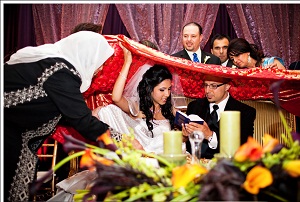
Once the couple is seated, a female relative, usually the groom’s mother or an aunt, covers them with a large decorative shawl. Under the shawl, the couple holds a mirror (Aina) and looks at each other’s reflection. In traditional weddings, before arranged marriages gave way to engagement periods, the mirror moment was the first time the bride and groom saw each other’s face. The tradition remains even when the couple has known each other for months or years, because the act of looking together under the shawl stands for the private world they now share.
A Quran rests in the couple’s hands during the mirror ceremony. They recite a passage aloud together, which marks the spiritual start of their married life. The mullah may lead a short prayer. The shawl is then lifted and the couple faces the guests as a married pair for the first time.
Exchange of Rings and Vows
In modern Afghan weddings, the couple exchanges rings after the mirror ceremony. Older traditional weddings did not include ring exchange; this element entered Afghan practice through Western and Iranian influence in the twentieth century. A groom places the ring on the bride’s right hand ring finger, not the left, because right-hand ring placement is the Islamic norm. The bride then places a ring on the groom’s right hand.
The Feast
Dinner follows the ceremonies, usually around 10:00 PM. Afghan wedding meals are generous and long: guests eat in waves rather than all at once, and the kitchen keeps producing food for several hours.
Our collection of Afghan rice recipes covers Kabuli pulao and the other rice dishes served at Afghan weddings in home-cook format. The standard menu includes:
- Three kinds of rice: Kabuli pulao (with raisins, carrots, and lamb), Zamarod pulao (green spinach rice), and a plain white chalow. The three-rice tradition comes from the Persian practice of presenting multiple pilafs at major celebrations.
- Kebab varieties: Seekh kebab (ground lamb with spices on skewers), chicken tikka, and lamb chops grilled over charcoal. Afghan wedding kebabs are marinated overnight in yogurt and spices.
- Qabili dishes: Slow-cooked lamb or chicken stews with cardamom, saffron, and dried fruit.
- Salads and sides: Cucumber and tomato salad, naan bread, pickled vegetables (torshi), and fresh herbs.
- Dessert: Firni (a cardamom and rosewater milk pudding) and Sheer Berenj (a sweet rice pudding). A traditional bread-crumb dessert called lab-e chaab appears at weddings in Kandahar and parts of the south.
The three-tier wedding cake sits at a central table, decorated with sugar flowers and often the couple’s names in Arabic calligraphy. The couple cuts the cake after the meal, feeding the first bite to each other. This moment is a modern addition; older Afghan weddings used honey and almonds instead of a Western-style cake.
Attan: The National Dance
Attan is the national dance of Afghanistan and the most visible cultural element of any Afghan wedding. Readers interested in the broader context of Afghan performance traditions can consult our piece on Afghan dancing traditions, which covers the darker history that sits alongside the celebratory wedding Attan. Dancers form a large circle, hold hands or put hands on each other’s shoulders, and move in a counterclockwise direction. The tempo starts slow and builds over ten to fifteen minutes, with dancers raising and lowering their arms, spinning in place, and clapping in rhythm. The drum (dhol) controls the pace, and the drummer speeds up or slows the beat to mark transitions. When the beat reaches its fastest, some dancers drop out exhausted while others join from the watching crowd, and the circle shifts in composition until the dance ends.
Attan has regional variations. Pashtun Attan from Kandahar and the Khyber region is faster and more aggressive. Herati Attan from the west includes slower sections and more stylised hand movements. Wedding Attan sits in the middle: energetic enough to exhaust participants, but slow enough that older guests can join for the opening sections. The dance traditionally happens twice at a wedding, once near the start of the reception and once at the end to mark the ceremony’s close.
Takhjami: The Post-Wedding Gathering
One week after the wedding, the couple and the groom’s family host the Takhjami (sometimes called Walima in religious usage). The gathering is smaller than the main wedding, often 20-50 close family members. The groom’s family serves a full meal, and guests bring gifts for the bride in her new home. The Guests often follow Afghan hospitality conventions familiar from earlier events; our broader piece on Afghan cultural life touches on some of the public-private divisions that still shape social occasions. The Takhjami marks the bride’s formal integration into her husband’s family: before this event she was still considered a guest in their house, after it she is a full member of the family.
The Takhjami includes a quieter repeat of some wedding elements. A short musical performance, sometimes Ahesta Boro again, acknowledges the bride’s new status. The groom’s mother presents her with jewelry, clothing, or household items as a welcome gift. Guests give the couple duas (blessings) for a long and fruitful marriage before leaving.
Clothing and Dress
Our dedicated guide to Afghan wedding dresses covers the four or five outfits a modern bride changes through across the evening in more detail. The Afghan bride traditionally wears two outfits on the wedding day. The first is a green dress (Khatt-e-Sabz) worn for the Nikah. Green holds Islamic symbolism of paradise and renewal, and the colour stands for the bride’s pure transition into married life. The green dress is usually embroidered with silver or gold thread and reaches to the floor.
The second outfit is a white or cream gown worn for the main reception, influenced by Western wedding dress conventions through the twentieth century. Modern Afghan brides in urban weddings often wear three or four outfits through the night, changing between the Nikah, the reception entrance, the dinner, and the Attan. The final outfit is usually a red dress for the departure to the groom’s home, because red stands for happiness and celebration in Afghan tradition.
The groom wears a formal suit in modern weddings. Traditional grooms wore a Perahan Tunban (long tunic and loose trousers) with a waistcoat and turban, sometimes with a ceremonial sword. Rural weddings in parts of the south and east still preserve the traditional groom’s dress. The groom’s family provides the bride’s outfits and jewelry in most arrangements, and the jewelry often includes a gold set (necklace, bracelets, earrings, and ring) as part of the mahr.
Modern Versus Traditional Afghan Weddings
Afghan weddings have changed significantly since the 1990s, with the diaspora driving many of the changes. A traditional Afghan wedding in rural Afghanistan today still follows most of the sequence described above, but with fewer guests (50-200), shorter hours, simpler food, and more gender separation. The commercial side of modern rural Afghanistan is covered in our piece on companies operating in Afghanistan for readers curious about the economic context that shapes wedding budgets. A diaspora Afghan wedding in London, Toronto, or Fremont, California, can host 500-1,000 guests, run in a rented hotel ballroom, include a DJ as well as traditional musicians, and mix Afghan courses with Western options.
The Nikah, Ahesta Boro, mirror ceremony, and Attan survive in both settings. Most couples keep these four elements even when shortening everything else, because they carry the specific Afghan identity of the wedding. Couples who drop all four tend to be those marrying outside Afghan culture, and even mixed weddings often retain the Nikah and the Attan dance as the two most portable traditions.
Frequently Asked Questions
How long does an Afghan wedding last?
The main reception runs 6-9 hours, typically 5:00 or 6:00 PM to midnight or 2:00 AM. The full sequence including Khastegari, Shirni Khori, Henna Night, the main wedding, and Takhjami spans roughly two to four months from the engagement visit to the post-wedding gathering.
What is the mahr in an Afghan wedding?
The mahr is a sum of money or property the groom pays directly to the bride as part of the Nikah contract. It becomes the bride’s personal property, independent of her husband. Mahr amounts are negotiated during the Shirni Khori and recorded in writing during the Nikah. Typical urban amounts range from a few thousand dollars to tens of thousands, and rural mahr is often a lower sum plus gold jewelry.
Do Afghan weddings have an arranged marriage element?
Traditional Afghan weddings were fully arranged, with the couple often meeting for the first time under the shawl during the mirror ceremony. Modern Afghan weddings, especially among diaspora and urban families, use a semi-arranged system: the families introduce the couple, the couple dates for several months or years under family supervision, and the couple has veto power over the match. The Nikah’s three-question rule for the bride’s consent protects against forced marriage within Islamic law.
What music plays at an Afghan wedding?
Afghan wedding music combines traditional instruments (dhol drum, rabab lute, harmonium, tabla) with modern recorded music. Ahesta Boro is the specific entrance song played only during the couple’s walk into the hall. Attan music uses heavy drum rhythms with increasing tempo. Between ceremonies, musicians play popular Afghan songs in Dari, Pashto, and sometimes Uzbek or Hazaragi depending on the families’ backgrounds.
Can non-Muslims attend an Afghan wedding?
Yes. The Nikah itself is religious and requires Muslim witnesses, but the main reception is a cultural event open to guests of any faith. Non-Muslim guests should dress modestly (sleeves below the elbow, skirts below the knee for women, no shorts for men), accept food and drink when offered, and follow the host family’s lead on when to stand, sit, or dance.
What gifts do guests bring to an Afghan wedding?
Cash is the standard gift, placed in a decorated envelope and presented to the couple or the groom’s mother at the entrance. Typical amounts range from $50-100 for distant acquaintances to $500 or more for close family. Gold jewelry, especially bangles or coins, is also common from close female relatives of the groom’s family as part of the bride’s welcome.
Sources and Further Reading
- Afghan Wedding customs and sequence – letsgoafghanistan.com/wedding-in-afghanistan
- Afghan Wedding ceremonies guide – eventdone.com/blog/172-afghan-wedding
- Weddings in Afghanistan – learnreligions.com/weddings-in-afghanistan-2004441
- Attan: Afghanistan’s national dance – en.wikipedia.org/wiki/Attan
- Nikah and Islamic marriage contract – en.wikipedia.org/wiki/Nikah