Contents
Carnival in Rio gets the headlines, but Brazil packs hundreds of religious processions, regional carnivals, harvest dances and music festivals into every month of the year. This calendar walks through what happens when, where to go for it, and which events deserve a slot in a 2026 itinerary.
Brazilian Holidays and Festivals by Month
Several events shift each year because they depend on Easter or the church calendar. Confirm dates a few weeks before you travel.
January
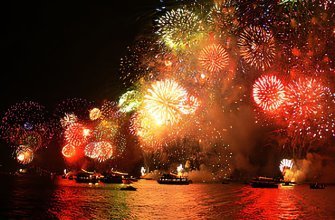
- Réveillon at Copacabana on 31 December and 1 January. Two million people in white gather on the sand in Rio de Janeiro for fireworks, free concerts and offerings to Iemanjá, the sea goddess of Candomblé. Hotels along the beach sell out months ahead.
- Procissão do Senhor Bom Jesus dos Navegantes, 1 January, Salvador. Decorated boats carry an image of Christ across the Bay of All Saints in one of Bahia’s oldest maritime processions.
- Lavagem do Bonfim, second Thursday of January (15 January 2026), Salvador. Bahian women in white lace dresses wash the steps of the Senhor do Bonfim church with scented water while the crowd dances behind them.
- Bom Jesus dos Navegantes, four days starting after the second Sunday of January, Penedo (Alagoas). A river version of the Salvador procession, smaller and far less crowded.
- Festa de Santo Amaro, 24 January to 2 February, Santo Amaro (Bahia). Ten days of religious ritual mixed with samba de roda and street food.
February
- Festa de Iemanjá, 2 February, Salvador. The biggest Candomblé celebration of the year. Worshippers fill flowers, perfumes and mirrors into wooden boats and push them out to sea from Rio Vermelho beach.
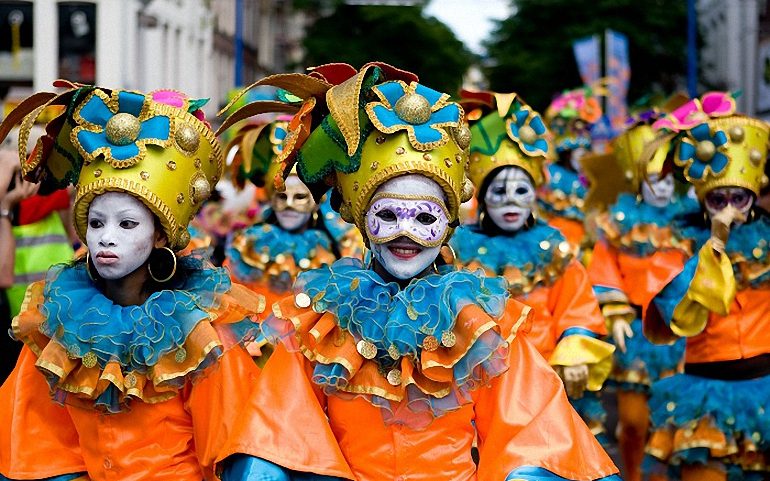
- Carnaval, 14 to 17 February 2026. The samba schools parade at the Sambadrome in Rio. The street blocos take over Salvador with trios eletricos. Olinda and Recife dance frevo and maracatu through the colonial streets. Each city runs its own version, so pick one and commit.
March and April
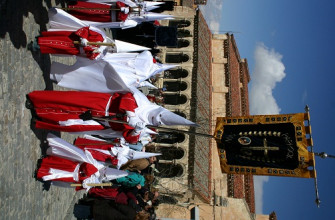
- Semana Santa, the week before Easter. Holy Week processions in the colonial towns of Ouro Preto, Congonhas and Goias Velho draw thousands. Locals carpet the streets with coloured sawdust.
- Micareta de Feira, April or early May, Feira de Santana (Bahia). An off-season carnival with the same axe stars who play Salvador.
May
- Festa do Divino Espirito Santo, 40 days after Easter, Paraty (Rio de Janeiro). Baroque music, masked dancers and flag bearers fill the cobbled streets of this colonial port.
- Cavalhada de Pirenopolis, 45 days after Easter, Pirenopolis (Goias). Riders in helmets and capes re-enact a medieval battle between Christians and Moors on horseback. The show runs across three days.
- Festa do Divino, first Sunday after Ascension, Alcantara (Maranhao). One of the oldest religious festivals in northeast Brazil.
June
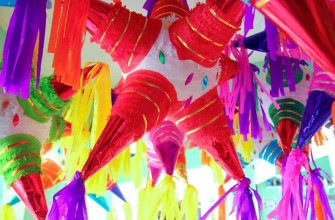
- Festas Juninas, all of June. Towns across the northeast honour Saints Anthony, John and Peter with bonfires, paper lanterns, quadrilha dances and corn cakes. Caruaru in Pernambuco and Campina Grande in Paraiba run the largest versions.
- Festival de Parintins (Boi-Bumba), last weekend of June, Parintins (Amazonas). Two teams, Garantido in red and Caprichoso in blue, compete on a purpose-built arena called the Bumbodromo. The visual spectacle ranks second only to Carnival.
- Bumba Meu Boi de Sao Luis, late June through the second week of August, Sao Luis (Maranhao). UNESCO inscribed this folk drama on the Intangible Cultural Heritage list. Each neighbourhood fields its own group.
- Festival Folclorico do Amazonas, June, Manaus. Folk groups from across the Amazon basin perform throughout the month.
July
- Regata de Jangadas, second half of July, Fortaleza (Ceara). Fishermen race traditional wooden sailing rafts along the coast.
- Festival de Danca de Joinville, July, Joinville (Santa Catarina). The Guinness Book lists this as the biggest dance festival on the planet, with classical ballet, contemporary, jazz and folk groups from dozens of countries.
- Fortal, last week of July, Fortaleza. The largest off-season carnival in the country until Natal’s Carnatal opens in December.
August
- Festa da Boa Morte, mid-August, Cachoeira (Bahia). The Sisterhood of the Good Death, descended from freed enslaved women, runs a five-day ritual that blends Catholic devotion with Candomblé.
- Festa de Iemanja, 15 August, Fortaleza (Ceara). Smaller and quieter than the Salvador version on 2 February.
- Festa de Nossa Senhora d’Ajuda, 15 August, Porto Seguro (Bahia).
- Folclore Nordestino, late August, Olinda (Pernambuco). A week of frevo, maracatu, ciranda and forro in the streets of the old town.
September
- Brazilian Independence Day, 7 September. Military parades fill Brasilia, Rio and Sao Paulo.
- Festa de Nossa Senhora de Nazare, 7 to 8 September, Saquarema (Rio de Janeiro).
- Festa de Nossa Senhora dos Remedios, 8 September, Paraty.
- Festa do Caire, second week of September, Alter do Chao (Para). A Catholic procession runs alongside a folk competition between two boto teams, each representing a river dolphin of the Amazon.
- Jubileu do Senhor Bom Jesus de Matosinhos, 7 to 14 September, Congonhas (Minas Gerais). Pilgrims gather around the famous soapstone prophets carved by Aleijadinho.
- Rock in Rio, September of odd years (next edition: 2027), Rio de Janeiro.
October
- Cirio de Nazare, second Sunday of October, Belem (Para). Two million pilgrims walk behind the image of Our Lady of Nazareth, making this the largest Catholic procession in Brazil.
- Festa de Nossa Senhora Aparecida, 12 October, Aparecida (Sao Paulo). The national patron saint draws huge crowds to her basilica.
- Oktoberfest de Blumenau, three weeks of October, Blumenau (Santa Catarina). Brazil’s German immigrants built this into the second biggest beer festival on Earth after Munich.
November
- Festa do Padre Cicero, 1 to 2 November, Juazeiro do Norte (Ceara). Tens of thousands of pilgrims walk to honour the unofficial saint of the sertao.
- Formula 1 Grande Premio do Brasil, November, Interlagos circuit, Sao Paulo.
- Dia da Consciencia Negra, 20 November. A national holiday since 2024, marked by cultural events and political marches across the country.
December
- Carnatal, first week of December, Natal (Rio Grande do Norte). The biggest off-season carnival of the year.
- Festa de Santa Barbara, 4 to 6 December, Salvador (Bahia). Bahia’s market vendors and firefighters dress the saint in red and white. In Candomblé she becomes Iansa, goddess of storms.
- Réveillon, 31 December, Copacabana and beach towns across the coast. The festive year closes the way it opened.
Practical Tips for the Festival Calendar
- Book early. For Carnival in Rio and Salvador, the Festival de Parintins, and the Cirio de Nazare, hotels go six months in advance.
- Match the season. June to August is dry across the northeast and the Amazon, which favours the festas juninas and Parintins. December to March is rainy but coincides with the biggest beach events.
- Dress code at Candomblé events. White clothing is the norm at Iemanja and Bonfim. Ask before photographing rituals.
- Crowd safety. Carry copies, leave passport and cash in the hotel safe, and watch your phone in the densest blocks of Carnival.
Brazil hosts hundreds more festivals than this list can hold, from tiny village patron saint days to international jazz nights. Picking one event per region and building the trip around it usually beats trying to chase several across the country.