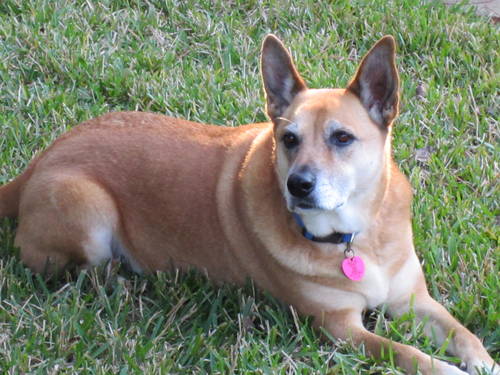
The German Shepherd Labrador cross, sometimes marketed as the Sheprador or Alsatiador, sits among the ten most rehomed mixed breeds in US shelters. The reason is rarely the dog itself. Owners buy a fluffy eight-week puppy expecting either the obedience of a Labrador or the protectiveness of a shepherd, then watch an 80-pound adult display both drives at once without the off-switch that a single-breed dog usually carries. This guide explains what genetic inheritance really produces in a Lab-shepherd cross, how to assess a litter or a shelter adult, health concerns inherited from both parents, grooming and exercise reality, and the behavioural plan that turns a well-chosen cross into a workable family companion.
What the Cross Actually Produces
A first-generation cross (F1) between a purebred Labrador Retriever and a purebred German Shepherd averages the two breeds, but averages do not mean middle. Each puppy in the litter inherits random combinations of parent traits, and a single litter of eight can produce a coat range from short smooth Labrador to double-coated shepherd, with size varying by 15 pounds between siblings.
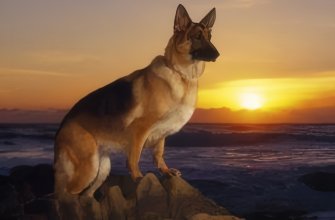
Expect an adult weight between 55 and 90 pounds, a withers height of 22 to 26 inches, and a lifespan of 10 to 13 years. Coat colours run black, yellow, chocolate, sable, black-and-tan saddle, or any mix. The head shape trends shepherd-leaning in most litters because the shepherd genes for muzzle length and ear carriage are often dominant.
Temperament follows the same randomisation. Some puppies lean Labrador with high sociability and lower guarding drive, others lean shepherd with higher wariness of strangers and stronger pack protection. A second-generation cross, F2, produces even more variation because the parents themselves carry mixed genetics. Predictability improves with multi-generation lines, which is why serious hybrid breeding programmes take six to ten years to stabilise.
Why Shelter Adoption Often Beats a Puppy
A shelter adult Sheprador offers one practical advantage over a puppy: you can see the adult temperament, size, and coat before committing. Shelters in most US states hold a high proportion of shepherd-Labrador mixes because both parent breeds are popular and unintended litters are common.
A 14-day foster-to-adopt trial, offered by most reputable rescues, gives the family a realistic window. During that period observe the following. Reaction to strangers at the door. Prey drive around small animals in the yard. Tolerance for solo time in the crate. Response to basic cues like sit, come, and leave-it. Appetite and any resource guarding around food.
Adoption fees typically run 200 to 400 US dollars and include spay or neuter, core vaccines, microchip, and sometimes preliminary heartworm testing. Puppy purchase from a backyard breeder often runs 800 to 1,500 US dollars with no health guarantees, making the shelter adult both more predictable and cheaper.
Evaluating a Litter if You Go the Puppy Route
Intentional hybrid breeding exists, though the term designer-crossbreed gets misused by backyard operations looking to charge purebred prices for mixed litters. A careful breeder of F1 Shepradors tests both parents for the health conditions of each purebred line and sells with written health guarantees.
Parent health checks that should be on paper before any deposit:
- Hip and elbow scoring on both parents through OFA or PennHIP
- Eye exam through CERF or OFA CAER within the last 12 months
- Exercise-induced collapse DNA test on the Labrador parent
- Degenerative myelopathy DNA test on the shepherd parent
- Progressive retinal atrophy DNA panel on both
- Cardiac auscultation on both parents within the last year
Ask to see both parents in person. Absence of one parent, especially the sire, is a red flag because it often means an accidental breeding marketed after the fact. A breeder who can only produce a stud fee receipt rather than the dog itself has no real programme.
Health Concerns Inherited From Both Lines
The Sheprador draws a list of inherited conditions from both parent breeds, and the cross does not confer hybrid vigour against them. A puppy still carries the risk of hip dysplasia from both lines, elbow dysplasia from the shepherd side, and bloat risk from both deep-chested parents.
Specific conditions worth knowing. Exercise-induced collapse affects around 3 to 5 percent of Labradors and rarely appears in cross puppies unless the Lab parent is a carrier. Degenerative myelopathy, a progressive spinal condition seen in older shepherds, follows a recessive inheritance pattern tested through a simple cheek swab. Hip dysplasia shows up in 15 to 20 percent of the cross, which is higher than either purebred line.
Bloat, or gastric dilatation volvulus, kills more large-breed dogs than any other acute condition. The cross inherits the deep-chest conformation that predisposes to it. Feed two or three smaller meals a day rather than one large meal, avoid exercise within an hour of eating, and learn the warning signs: a swollen tight abdomen, unproductive retching, restlessness, and pale gums.
Exercise, Training, and Behaviour Plan
The cross needs an hour to 90 minutes of structured activity daily. Simple leash walks rarely satisfy the drive. Fetch sessions with a thrown ball or dummy, scent work games hidden around the house, and short obedience drills with food rewards cover the mental side that keeps the dog settled indoors.
Training uses the same marker-and-reward system that works on either parent breed. Start with name response, sit, down, come, and leash manners during the first two weeks at home. Move to stay, leave-it, place, and heel during the second month. Extend training through adolescence, because the adolescent Sheprador often tests rules the same way a purebred shepherd does around eight to 12 months.
The shepherd-leaning cross may show guarding tendencies around the door, the car, or the yard. Manage it with early structured greetings rather than suppression. Teach a place cue for when visitors arrive, reward calm indoor behaviour, and avoid inadvertent reinforcement of barking by opening the door mid-alarm.
Coat, Grooming, and Living Environment
Most Shepradors shed year-round with two heavier seasonal blowouts. Weekly brushing with an undercoat rake removes loose hair and prevents matting. A Labrador-dominant coat needs only 10 minutes of brushing weekly, while a shepherd-dominant double coat often needs 20 to 30 minutes plus a deshedding session every few weeks during spring and autumn.
Bath every six to eight weeks unless the dog rolls in something. Overbathing strips natural oils and dries the skin, especially in the shepherd-coated variants. Check ears weekly for wax buildup, more often if the puppy inherits the folded Labrador ear rather than the erect shepherd ear, since folded ears trap moisture and harbour yeast.
A Sheprador does best in a house with a fenced yard and a family at home for most of the day. Apartment living is possible with two long daily outings and scent work, but the breed suffers in a home left empty eight or more hours at a stretch. Separation issues in this cross present as destructive chewing, vocal distress, and occasionally self-harm on incisors and paws.
Frequently Asked Questions
Is the Sheprador recognised as a breed?
No major kennel club recognises the cross as a breed. Registries such as the American Canine Hybrid Club list the name but offer no health testing or breeding standards, so registration there carries no practical weight.
Will a Sheprador puppy look more shepherd or more Labrador?
Unpredictable at eight weeks. Ears, coat length, and face shape settle between four and six months. Buyers who want a specific look should wait for a rescue adult rather than gamble on a young puppy.
Can the cross work as a service dog?
Both parent breeds serve as service dogs and the cross can succeed in mobility, therapy, and emotional support roles when temperament screening holds up. Guide Dogs for the Blind and similar organisations rarely use F1 crosses because the variation is too wide for a structured programme.
How do you stop a Sheprador from pulling on the leash?
Front-clip harness combined with early heel drills works for most pullers. Food rewards every few steps during the first month build a default walking position. Flat collars with leash corrections rarely work on this cross because the shepherd drive overrides mild pressure.
Are Shepradors good with cats?
Early exposure between 8 and 16 weeks produces a dog that ignores or plays gently with household cats. A shepherd-leaning adult introduced to a new cat after two years old often chases and needs careful management. Adopting an adult from a foster who lived with cats is the cleanest path.
For the pure shepherd side of the cross, see our German Shepherd breed overview. Training approaches that work across both parent lines are covered in our German Shepherd training guide. For a related hybrid discussion that compares two high-drive breeds, read German Shepherd versus Belgian Malinois.
Sources and Further Reading
- American Kennel Club, breed standards for Labrador Retriever and German Shepherd Dog
- Orthopedic Foundation for Animals, hip and elbow scoring
- University of Minnesota, degenerative myelopathy research
- Canine Health Information Center, recommended test panels by breed
- Journal of the American Veterinary Medical Association, retrospective studies on GDV in large breeds