The classic Irish cake is built on a bottle of stout. Porter cake, a dark, moist fruit cake made by simmering the dried fruit in porter before baking, is the one that turns up at every Irish Christmas and celebration, and it keeps for weeks because of the beer and the long, slow bake. Irish cakes lean on dried fruit, spice and a measure of stout or whiskey, made well ahead so the flavour can mature. This guide covers the porter cake recipe and the other traditional Irish cakes worth baking.
Porter cake, the boiled fruit cake
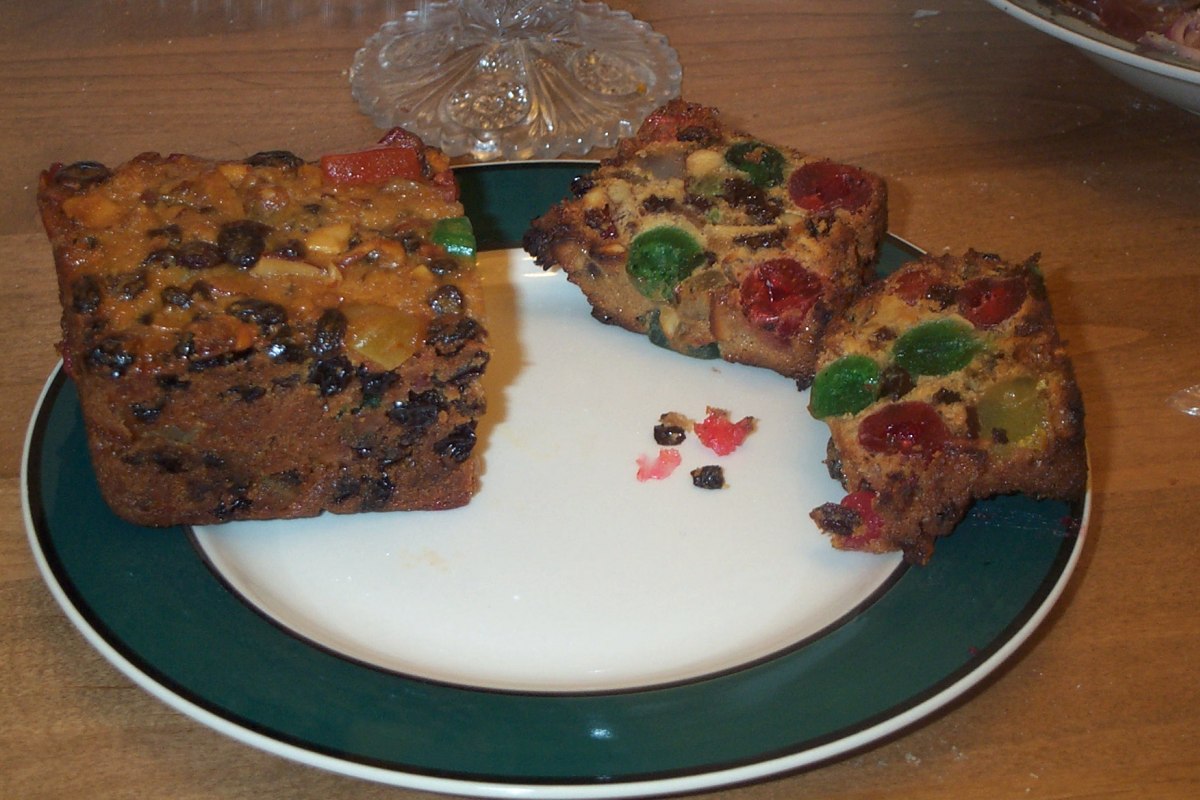
Porter cake is a boiled fruit cake, and that method is what sets it apart. Rather than just folding dried fruit into a batter, the traditional recipe simmers the sultanas, raisins and currants in a pan with porter, butter and sugar first, plumping the fruit and carrying the dark, malty flavour right through it. The cooled fruit mixture is then folded into flour, spice and egg and baked low and slow. The cake takes its name from porter, the dark ale once known as the working man’s pint, an English stout used all over Ireland for cooking and drinking. Today most bakers reach for Guinness, first brewed at St James’s Gate in Dublin in 1759, and the faint bitterness of the stout balances the sweetness of the fruit. Households traditionally baked their porter cakes in November and kept them in a tin until Christmas, the flavour deepening with every week.
An Irish porter cake recipe
This makes one large cake that keeps for weeks. It is mixed in a pan, so there is little fuss.
Ingredients
- 225 g butter
- 225 g brown sugar
- 300 ml porter or stout, such as Guinness
- 450 g mixed dried fruit, sultanas, raisins and currants
- 100 g chopped mixed peel and glace cherries
- 350 g plain flour
- 2 teaspoons mixed spice and 1 teaspoon baking powder
- 3 eggs, beaten
- Grated zest of an orange and a lemon
Method
- Put the butter, sugar, stout, dried fruit, peel and cherries in a large pan. Heat gently until the butter melts, then simmer for about 10 minutes and leave to cool completely.
- Heat the oven to 160C and line a deep round tin.
- Sift the flour, mixed spice and baking powder into the cooled fruit mixture, then add the beaten eggs and the citrus zest.
- Stir everything together into a thick batter and spoon it into the lined tin, levelling the top.
- Bake low and slow for about 90 minutes to 2 hours, until a skewer comes out clean. Cover the top with foil if it browns too fast.
- Cool fully in the tin. Wrap in greaseproof paper and foil and keep for at least a few days before cutting.
For a boozier cake, prick the cooled cake and spoon over a little whiskey once a week as it matures. The cake is ready to eat after a few days but reaches its best after two or three weeks in the tin, so it pays to bake it well before you need it rather than the night before.
Guinness chocolate cake
The modern Irish favourite is the Guinness chocolate cake, a different use of the same stout. Here the beer goes into a dark chocolate sponge, where its roasted, faintly bitter note deepens the cocoa and keeps the crumb damp and tender. The cake is finished with a thick cream-cheese frosting spread only on top, deliberately shaped to look like the creamy head settling on a poured pint. It is a newer creation than the porter cake but has become a Saint Patrick’s Day standard, the dessert cousin of the beef and Guinness stew. The stout does the same work in the cake that it does in the pot: a depth of roasted, malty flavour and a moisture that keeps the crumb soft for days, so a Guinness cake is one of the few sponges that tastes better on the second day than the first.
The Irish Christmas cake
The grandest Irish cake belongs to Christmas. It is a dark, dense fruit cake, even richer than the porter cake, with the dried fruit often soaked in whiskey overnight before baking. Made weeks ahead, it is fed with a spoonful of whiskey every week or two while it matures, then covered first in a layer of marzipan and finally in royal icing for the table. The same batter, made lighter, becomes the simnel cake at Easter, topped with eleven marzipan balls for the apostles. Both rely on the long keeping power of dried fruit and spirit that runs through Irish baking.
Seed cake and the older teatime cakes
Before chocolate and cream, the Irish tea table ran on plainer cakes. Seed cake, a buttery sponge flavoured with caraway seeds, was a teatime and harvest cake for generations, its faint aniseed warmth an acquired and old-fashioned taste. Madeira cake, a firm, close-grained plain cake, was the everyday cut-and-come-again cake kept in the tin for visitors. Both are simple butter sponges rather than fruit cakes, made to be sliced with a cup of tea rather than served as a pudding. They have fallen out of fashion but remain part of the tradition, the cakes a grandmother kept ready for anyone who called. Porter cake aside, these plain butter sponges are the cakes most likely to vanish entirely within a generation, which is reason enough to bake one now and then.
Apple cake and tea brack
Two more cakes sit at the heart of the Irish repertoire and earn recipes of their own. Irish apple cake is a buttery sponge studded with cooking apple, served warm in wedges with custard, and it splits along regional lines between the Kerry and Cork kitchens. Tea brack, or barmbrack, is the fruited tea loaf baked with hidden charms at Halloween. Both are covered in full in their own guides, and both belong on any list of traditional Irish cakes alongside the porter cake and the Christmas cake.
Why Irish cakes keep so well
There is a practical reason so many Irish cakes are fruit cakes soaked in stout or whiskey. Before refrigeration, a cake had to last, and the sugar, the dried fruit and the alcohol all work as preservatives, drawing moisture and holding off spoilage. A well-made porter or Christmas cake keeps for weeks, even months, wrapped in a tin, which is why they were baked in advance of the holidays rather than on the day. The maturing does more than store the cake. The spices mellow, the fruit settles and the stout or whiskey works through the crumb, so a cake cut at Christmas tastes better than the day it was baked.
Tips for a better porter cake
- Cool the fruit fully. Adding the flour and eggs to a warm fruit mixture cooks the egg and ruins the rise. Let the boiled fruit go completely cold first.
- Bake it low. A dense fruit cake needs a long, gentle heat to cook through without burning the outside. Around 160C is right, dropping lower if the top darkens.
- Line the tin well. A double layer of greaseproof paper protects the sides through the long bake and stops a hard crust forming.
- Do not rush the cooling. Leave the cake in the tin until cold, since a hot fruit cake is fragile and falls apart if turned out early.
- Wrap and wait. Wrap the cooled cake in paper and foil and give it at least a few days, ideally a couple of weeks, before cutting.
Common questions
What is porter cake?
Porter cake is a traditional Irish fruit cake made by simmering dried fruit in dark porter or stout with butter and sugar, then baking it low and slow. The beer gives a malty depth and helps the cake keep for weeks.
Can I use Guinness instead of porter?
Yes. Guinness is the stout most Irish bakers use now, and it works perfectly in both porter cake and the chocolate Guinness cake. Any dark stout or porter will do.
Why do you make Irish cake in advance?
Fruit cakes improve as they mature. The spices mellow and the stout or whiskey works through the crumb, so the cakes are baked weeks ahead and stored, often fed with a little extra spirit as they wait.
Does the alcohol cook out of porter cake?
Most of it does during the long bake, leaving the malty flavour rather than the alcohol. A cake fed with whiskey afterwards will hold a little more, but the amount per slice is small.
Related recipes
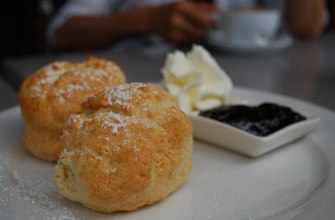
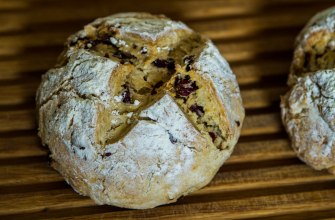
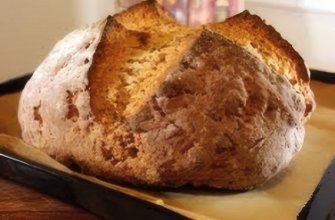
For the full sweet table, see the guide to Irish desserts. For the baking that doubles as cake, see Irish scones and soda bread.
Sources
- Bord Bia, the Irish Food Board
- RTE Lifestyle Food, Irish baking
- Guinness Storehouse, Dublin
- Dúchas, the National Folklore Collection of Ireland
- Fáilte Ireland, National Tourism Development Authority
- The Irish Times, food and drink
- Stu Spivack, fruit cake photograph, Wikimedia Commons, licensed CC BY-SA 2.0