Italy became a single state in 1861, but its culture formed across centuries of separate city-states, papal lands and foreign-ruled kingdoms that left every region its own dialect, cuisine, architecture and social code. A Milanese executive and a Sicilian fisherman share a passport and almost nothing else about how a day is run. The country holds 61 UNESCO World Heritage Sites, more than any other nation on earth, and its art, music, design and food shaped Western culture far beyond any one political era. This guide breaks Italian culture into its working parts: the untranslatable ideas behind it, family, the daily rituals, food, faith and superstition, language, art and design, sport, and the regional divides that make the phrase “Italian culture” misleading without local detail.
The ideas that run the culture
A handful of Italian words have no clean English translation, and they explain more about the country than any list of monuments. Learn these and Italian behaviour stops looking random.
- Campanilismo: from campanile, the bell tower, this is loyalty to your own town above all else, usually felt more strongly than any sense of being Italian. The tower was the tallest thing in any village, so it became the symbol of belonging, and with it comes a cheerful rivalry toward the next town down the road. Campanilismo is the root of the country’s endless regional pride and its suspicion of central government.
- Bella figura: making a good impression through appearance, manners and conduct, whether dressing for a morning coffee or hosting a dinner. Its opposite, brutta figura, is a real social cost in places where reputation travels through family and neighbours.
- Arrangiarsi: the art of getting by, of improvising a solution when the system fails you, a survival skill prized after centuries of distant or unreliable rulers.
- Furbizia: cunning. Italian folk wisdom divides the world into the furbo, the sly one who works the angles, and the fesso, the sucker who plays by the rules, and the furbo is quietly admired even as people complain about him.
- Menefreghismo: a studied “not my problem” indifference, the shrug at rules and authority that sits oddly beside the warmth of private life.
Family as the centre of everything
The family carries more social and economic weight in Italy than almost anywhere in northern Europe. Multi-generational households are common in the south, where grandparents, parents and adult children share a building if not a flat. Young Italians leave home late, around the age of thirty on average, among the highest figures in the EU, a pattern locals tease as mammismo, the bond between Italian mothers and their grown mammoni, “mummy’s boys.”
The weekly anchor is pranzo della domenica, Sunday lunch, which can run three or four hours across several courses. Attendance is expected, not optional, and skipping it without a serious reason causes friction. Name days, the onomastico tied to the saint you are named after, plus Easter and Christmas, swell these meals into gatherings of twenty or more around one table. Family also shades into how things get done: the raccomandazione, a word from a well-placed relative or friend, still oils access to jobs and favours, a habit reformers fight and everyone uses.
The daily rituals: the stroll and the coffee codes
Two everyday rituals tell you more about Italian life than any museum, and both have rules a visitor can break without realising.
La passeggiata
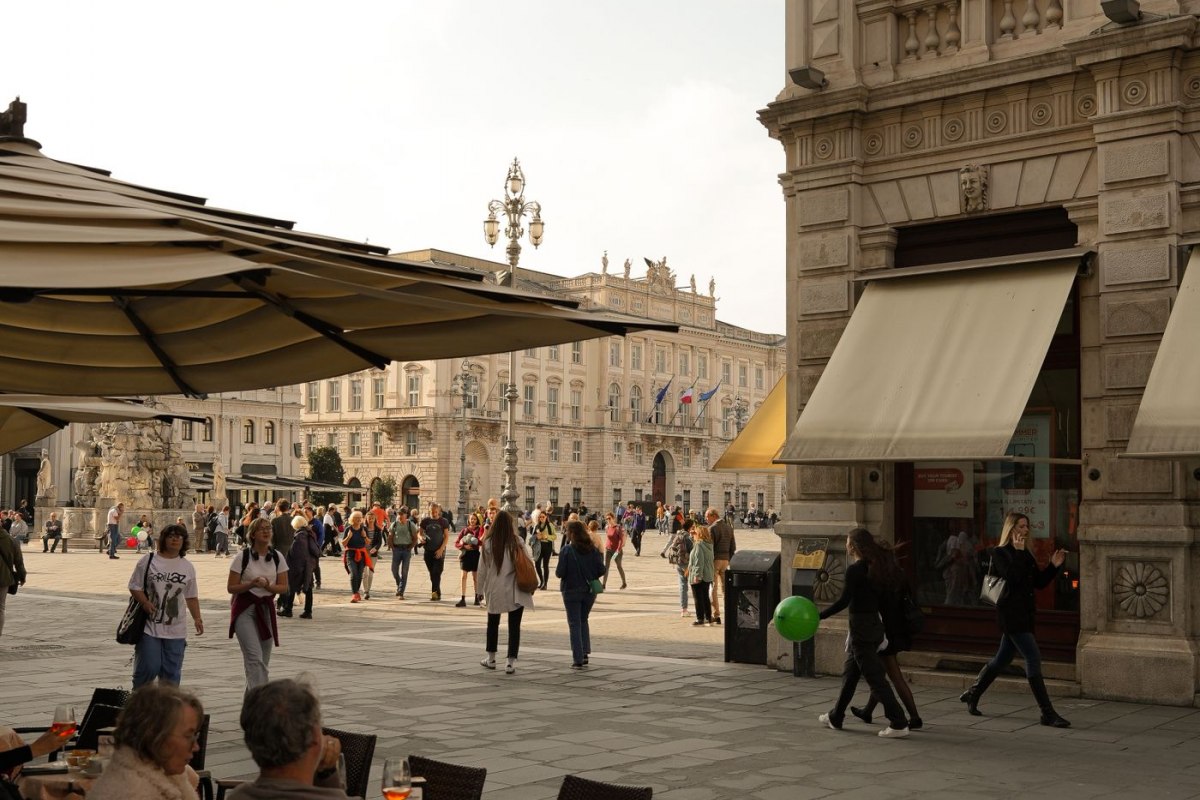
In the cooler hours of early evening, roughly six to eight, towns fill with people walking slowly up and down the main street and the central square. The passeggiata is not exercise; it is a public ritual of dressing well, greeting neighbours, stopping for a gelato and being seen. It is community performed on foot, every evening, and it is strongest in the south and in small towns, where the whole place turns out at once.
The coffee rules
Coffee in Italy runs on an unwritten galateo, a code that locals follow without thinking:
- Cappuccino is a breakfast drink. Ordering one after about eleven in the morning, and certainly after a meal, marks you as a foreigner; milk is thought to sit badly on a full stomach. After lunch or dinner, Italians take a plain espresso, often to help digestion.
- Drink it standing. A coffee taken al banco, standing at the bar, costs less than the same cup served at a table, where you pay for the seat. Italians knock back an espresso in a minute or two and move on.
- The varieties matter: a macchiato is an espresso “stained” with a little milk, a corretto is “corrected” with a shot of grappa or sazerac spirit, a caffè lungo is pulled longer, a ristretto shorter.
The finest version of the ritual is Neapolitan. The caffè sospeso, the “suspended coffee,” began in the working bars of early-1900s Naples: a customer pays for two coffees, drinks one and leaves the other waiting, already paid, for a stranger who cannot afford it. It runs on the Neapolitan creed of oggi a te, domani a me, today you, tomorrow me, and the habit has since spread worldwide.
Before dinner comes the aperitivo, a drink with snacks to open the appetite, a Negroni, a spritz or a vermouth with olives, crisps and bites. In Milan it has grown into the apericena, where the buffet that comes with the drink is generous enough to replace dinner.
Food: belonging on a plate
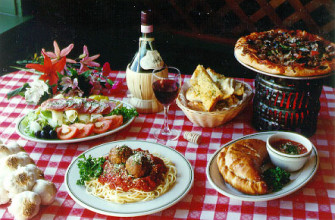
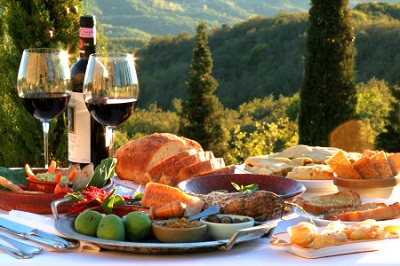
Italian food culture rests on a principle that surprises anyone who knows “Italian food” only from chains abroad: recipes belong to a town or province, not to Italy. A Bologna meal of tortellini in brodo and mortadella shares almost nothing with a Palermo meal of pasta con le sarde and arancini. The north cooks with butter, cream and rice; the south with olive oil, dried pasta, tomato and seafood.
The full meal follows a set order, though everyday eating skips most of it:
- Antipasto: cured meats, cheeses, marinated vegetables.
- Primo: pasta, risotto or soup.
- Secondo: meat or fish, with a contorno vegetable side.
- Dolce: dessert, then fruit.
- Caffè: espresso after the dessert, never a cappuccino, and never during the meal.
The rules around food are taken seriously: no grated cheese on a seafood pasta, no cream in a true carbonara, no chicken in the pasta course. Dinner runs late, eight or nine in the evening in the centre and south. Quality is policed through DOP and IGP marks that tie a product to one place, Parmigiano Reggiano, San Marzano tomatoes, Aceto Balsamico di Modena, and the Slow Food movement, founded in the Piedmontese town of Bra, grew up defending exactly this link between a dish and its ground. The full picture is in the Italian food culture guide.
Faith, saints and superstition
Italy is the home of the Roman Catholic Church and surrounds the Vatican, an independent state inside Rome, yet it is also rapidly secularising, with regular mass attendance now a minority habit. Catholicism shows up less in weekly worship than in the rhythm of the year and the life of each town, as the guide to the country’s main religions sets out in full.
- The festa patronale: every town honours its patron saint with a festival, a procession carrying the saint’s statue through the streets, a band, food stalls and fireworks. These are as much civic as religious, the campanile’s pride made into a party.
- The calendar: the Befana, a kindly old witch, brings sweets or coal to children at Epiphany on the 6th of January, often outshining Father Christmas; Carnevale precedes Lent; Ferragosto on the 15th of August empties the cities for the beach.
- Superstition runs alongside faith: the malocchio, the evil eye born of envy, is warded off with the corno, a red horn-shaped amulet, and the gesture of fare le corna. Italians touch iron, toccare ferro, where others touch wood, and treat Friday the 17th, not the 13th, as unlucky, because the Roman numeral XVII can be rearranged into VIXI, “I have lived,” the language of a tombstone.
Language: one country, many tongues
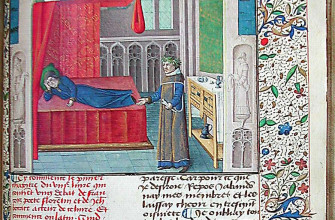
Standard Italian is a relatively recent common language, built on the Florentine of Dante, Petrarch and Boccaccio, whose works anchor the Italian literary tradition, and spread through schooling and television only after unification. Beneath it lies a thick layer of regional languages that linguists treat as separate tongues rather than accents.
- The dialects: Neapolitan, Sicilian, Venetian, Piedmontese and the rest diverge enough that a Sicilian and a Venetian speaking their own languages would barely understand each other. Sardinian is reckoned the most conservative of all the Romance languages, the closest living speech to Latin.
- Protected minorities: Italy recognises historic language communities including German in South Tyrol, French in the Aosta Valley, Slovene near Trieste, Ladin and Friulian in the northeast, and pockets of Arbëresh Albanian and Griko Greek in the south, left by medieval migrations.
- The hands: Italian gesture is a language of its own, a few hundred recognised signs, from the pinched fingers of “ma che vuoi” asking what on earth you mean, to the flat hand under the chin and the twist of the cheek. It is not decoration; it carries meaning that words leave out.
Art, architecture and the weight of history
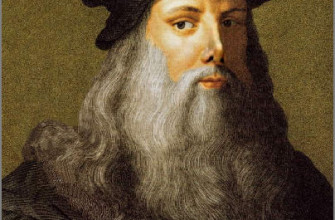
Italy’s art runs from Etruscan tombs through Roman engineering, Byzantine mosaics, Gothic cathedrals, the Renaissance, the Baroque and 20th-century Futurism. The Renaissance alone, centred on Florence, Rome and Venice between the 14th and 16th centuries, gave the world Leonardo, Michelangelo, Raphael, Botticelli and Titian.
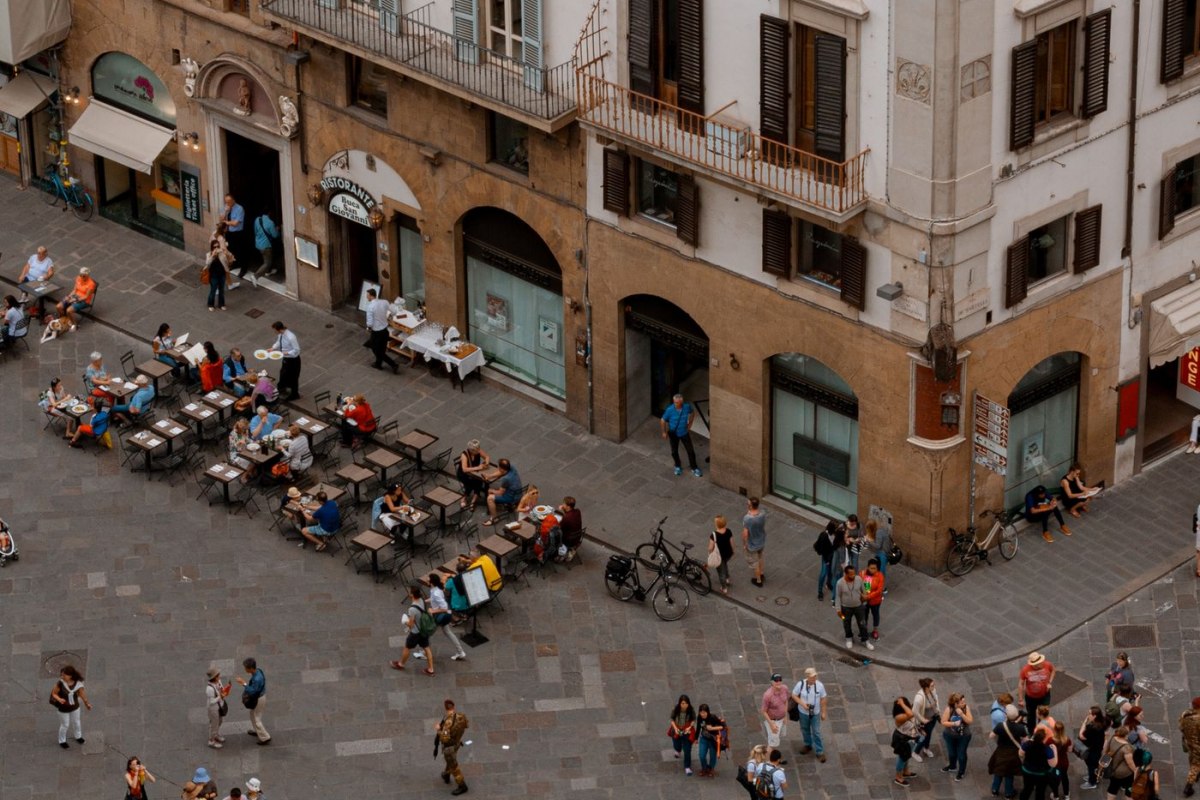
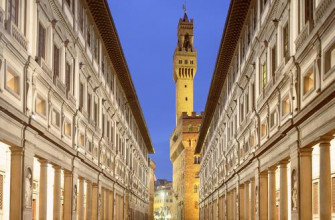
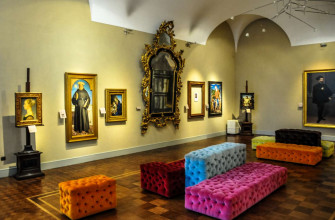
Roman building survives in the Colosseum, the Pantheon and the aqueducts, and the principles of Roman concrete, the arch and the dome shaped every European tradition that followed. Church architecture still dominates the skylines: Brunelleschi’s dome on the Florence Duomo, finished in 1436 without scaffolding spanning the void, St Peter’s in Rome, and the Byzantine mosaics of Ravenna mark three distinct ages of sacred space. No other country holds so much Western art in one place, spread across the Uffizi, the Vatican Museums, the Galleria Borghese and the regional collections of dozens of smaller cities.
Design, cinema and music
Italian creativity did not stop at the Renaissance; the 20th century turned the country into a design and culture power.
- Made in Italy: the phrase became a mark of design and craft, from the Vespa scooter and the Fiat 500 to Olivetti typewriters, Alessi kitchenware and the Memphis movement. The Compasso d’Oro is the design world’s oldest award, and Milan’s furniture fair sets the global agenda each spring.
- Fashion: Milan is one of the four global fashion capitals, home to Armani, Prada, Versace, Dolce and Gabbana and the rest, fed by the textile mills of Como and Biella and the leather workshops of Florence. Italian men still dress more formally than most, tailored trousers and leather shoes for ordinary days, bella figura made cloth.
- Cinema: post-war neorealism, the films of De Sica and Rossellini shot in bombed streets with non-actors, reshaped world cinema, and Fellini, Visconti, Leone’s spaghetti westerns and the studios of Cinecittà in Rome carried it on.
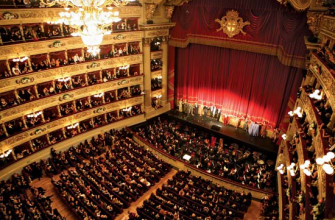
- Music: opera was born in Italy around 1600 and perfected by Verdi and Puccini, and La Scala in Milan remains its temple, covered in the Italian opera houses guide. In popular culture the Sanremo Music Festival, a song contest first held in 1951 and the model for Eurovision, is a national institution that stops the country for a week each winter; more on the wider scene in the music in Italy guide.
Football and the sporting calendar
Calcio sits at the centre of popular culture the way the NFL does in the United States. Serie A fields twenty clubs including Juventus, the two Milan sides, Roma and Napoli, and match days reshape a city: bars fill, streets empty during a televised derby, and Monday talk turns on the weekend results. The national team, the Azzurri, has won the World Cup four times, in 1934, 1938, 1982 and 2006, second only to Brazil, and the derbies, Milan’s Derby della Madonnina and Rome’s Derby della Capitale, run deeper than outsiders expect.
Beyond football, the Giro d’Italia has been one of cycling’s three Grand Tours since 1909, Ferrari and the Monza circuit carry an almost religious weight, and the Alpine north is winter-sports country. The Winter Olympics return to Italy at Milan and Cortina d’Ampezzo, the first Italian Winter Games since Turin in 2006.
Festivals: the year as theatre
The Italian calendar is studded with festivals that are local first and national second, the campanile turned into spectacle.
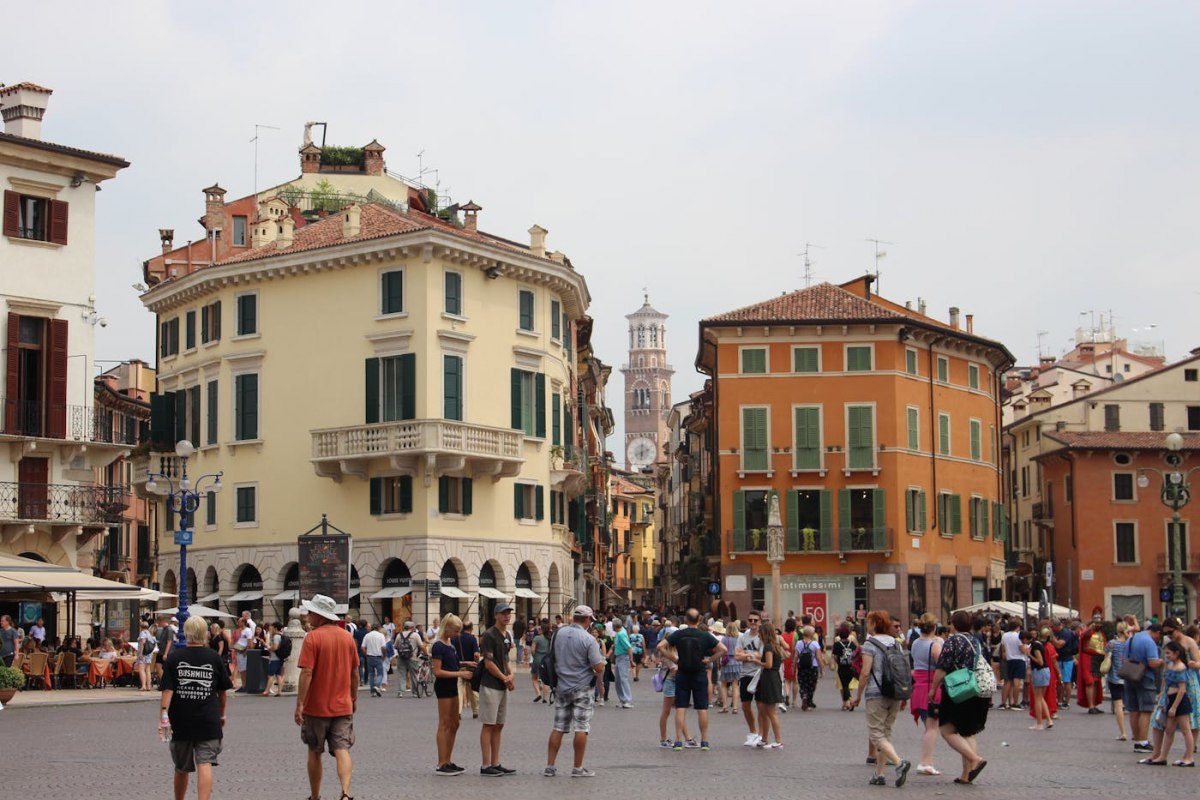
- Palio di Siena: a bareback horse race around the Piazza del Campo on the 2nd of July and the 16th of August, in which ten of the city’s seventeen contrade, or wards, ride for medieval pride. The race lasts ninety seconds and the rivalry lasts all year.
- Carnevale di Venezia: the masked carnival before Lent, with its painted bauta and medico della peste masks, alongside the wilder Carnevale of Viareggio and its satirical floats.
- The sagre: thousands of small village food festivals each celebrating one product, the truffle, the chestnut, the wild boar, a new wine, where you eat the local speciality at long shared tables.
- Infiorata: Corpus Christi flower-petal carpets laid through the streets of towns like Genzano and Spello.
North and south: the Mezzogiorno divide
The split between north and south, the Mezzogiorno question, runs through Italian politics, identity and daily life. The northern regions, Lombardy, Veneto, Emilia-Romagna and Piedmont, industrialised in the late 1800s and hold higher incomes, lower unemployment and infrastructure on western European lines. The southern regions, Campania, Calabria, Sicily and Puglia, kept lower output, higher unemployment and tighter family-based economies.
Cultural habits track the economic ones. Northern norms lean German or Swiss: punctuality matters, meetings start on time. Southern ones bend time, put relationship before agenda, and weave family deep into work and politics. These are tendencies, not laws, Milan has its easygoing corners and Naples its disciplined professionals, but Italians themselves reach for the divide in conversation. The dialect map reinforces it, and so does the way southerners moved north for factory work through the 20th century, carrying their food and feasts with them. For the people who carried this culture out into the world, see the famous Italians guide.
Frequently asked questions
What are the main elements of Italian culture?
Family, food, faith, art and design, and football sit at the core, held together by local pride, campanilismo, and the drive to make a good impression, bella figura. Sunday lunch anchors the week, regional cuisines define identity, and the evening passeggiata and the morning coffee are daily rituals with their own rules.
What is campanilismo?
Campanilismo, from campanile or bell tower, is the strong loyalty Italians feel to their own town, often stronger than national identity, along with a friendly rivalry toward neighbouring places. It explains the country’s deep regionalism and its long suspicion of central authority.
Why can’t you order a cappuccino after lunch in Italy?
Italians treat cappuccino as a breakfast drink, since milk is thought to sit heavily on a full stomach. After a meal they take a plain espresso to aid digestion. Ordering a cappuccino after about eleven in the morning marks you out as a visitor, though no one will stop you.
What is the passeggiata?
The passeggiata is the evening stroll, when people dress well and walk slowly through the main street and square to greet neighbours, eat gelato and be seen. It is a social ritual rather than exercise, strongest in small towns and the south.
Is there a real cultural difference between northern and southern Italy?
Yes. The north industrialised earlier, holds higher incomes and follows social norms closer to German or Swiss patterns. The south keeps stronger family networks, more flexible attitudes to time and formality, and a greater weight on personal relationships. These are broad tendencies with many exceptions.
What does bella figura mean?
Bella figura is “making a good impression” through appearance, manners and public presentation, and it shapes how Italians dress, host, and do business. Its opposite, brutta figura, carries social cost in communities where reputation travels through family and neighbours.
Why is Friday the 17th unlucky in Italy?
Italians fear the number 17, not 13. The Roman numeral XVII can be rearranged into the Latin VIXI, “I have lived,” a phrase associated with death and tombstones, so Friday the 17th takes the unlucky role that Friday the 13th plays elsewhere.
Sources and further reading
- Treccani – the Italian encyclopaedia, on campanilismo and cultural terms
- Accademia della Crusca – the authority on the Italian language and its dialects
- UNESCO World Heritage Convention – Italy’s World Heritage Sites
- Italia.it – the official Italian tourism portal on festivals and traditions
- Slow Food – the movement defending regional food and producers