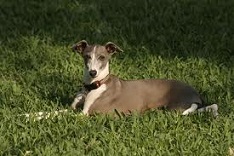
Italian Greyhounds weigh between 3.5 and 5.5 kilograms as adults, making them one of the smallest sighthound breeds and a group with specific nutritional demands that generic small-dog kibble often fails to meet. The breed’s lean, narrow build (roughly 10 percent body fat versus the 15-20 percent typical for other small dogs) means Italian Greyhounds burn calories faster, feel cold easily, and lose condition quickly if portions drop below requirements. At the same time, the breed is prone to dental disease, small-breed food allergies, and stomach sensitivity that make food selection more consequential than for sturdier small breeds.
This feeding guide covers daily calorie and protein requirements across life stages, the protein, fat, and carbohydrate ratios that suit Italian Greyhound metabolism, foods to avoid for dental and allergy reasons, weight management with a naturally slim breed, homemade versus commercial diet considerations, and the supplements that traditionally support Italian Greyhound bone density.
Daily Calorie and Feeding Requirements
Italian Greyhound daily calorie needs depend on weight, age, and activity level. A moderately active adult Italian Greyhound weighing 4.5 kilograms typically needs 220-280 kilocalories per day, split across two meals. Puppies and lactating females need proportionally more (up to 500 kilocalories per kilogram of body weight for puppies under 4 months); senior and sedentary dogs need less.
General feeding quantities by life stage:
- Puppies 8-12 weeks: 4 small meals per day, total 120-180 grams of age-appropriate wet or soaked kibble
- Puppies 3-6 months: 3 meals per day, total 100-140 grams of puppy food
- Puppies 6-12 months: 2 meals per day, 80-120 grams of gradually transitioned adult food
- Adults (1-8 years): 2 meals per day, 70-110 grams of quality adult dry food (or weight-adjusted wet equivalent)
- Seniors (8+ years): 2 meals per day, 60-90 grams of senior-specific food with higher fibre and lower fat
Italian Greyhounds burn calories quickly and benefit from smaller, more frequent meals rather than one large daily serving. A 5 am breakfast and 5 pm dinner works for many working households; lunchtime snacks of carrot or apple pieces bridge the gap on long days without over-feeding.
Protein, Fat, and Carbohydrate Balance
Italian Greyhounds thrive on diets with higher animal protein than typical small-dog formulations provide. The breed’s lean muscle mass and sighthound physiology benefit from:
- Protein: 26-32 percent of dry matter, ideally from real chicken, turkey, fish, or lamb (not meat by-products)
- Fat: 12-16 percent of dry matter, from named animal fats like chicken fat or salmon oil
- Carbohydrates: 40-50 percent of dry matter from digestible grains (brown rice, oats) or legumes (lentils, chickpeas)
- Fibre: 3-5 percent of dry matter to support stable stools
- Omega-3 and omega-6 fatty acids: 2-4 percent combined, usually from fish oil or flaxseed
Puppy formulas run higher in protein (up to 34 percent) and fat (up to 20 percent) to support growth. Active adult dogs performing sighthound activities like lure coursing may need adult performance formulas closer to 30 percent protein and 18 percent fat.
Weight gain in Italian Greyhounds becomes visible quickly because the breed’s frame cannot hide extra weight. A rib count should feel like the back of a hand (fingers spaced, slight padding over ribs). If ribs disappear under a layer of soft tissue, the dog is overweight by breed standard.
Foods to Avoid
Italian Greyhounds share universal canine food restrictions plus breed-specific sensitivities. Absolute-no foods:
- Chocolate (theobromine toxicity, lethal at small doses for a 4-kilogram dog)
- Grapes and raisins (nephrotoxic, can cause kidney failure)
- Onions, garlic, chives (thiosulfate damages red blood cells)
- Xylitol-sweetened foods or gum (causes insulin spike and liver failure)
- Macadamia nuts (neurological toxicity)
- Alcohol and caffeine (toxic to all canines)
- Raw yeast dough (ferments in stomach, can cause bloat)
- Cooked bones (splinter risk, especially chicken bones)
Foods Italian Greyhounds should avoid for breed-specific reasons:
- High-sugar treats (small teeth prone to decay)
- Large hard biscuits (small jaws can crack teeth on them)
- Cheap beef or pork by-product formulas (common allergen for the breed)
- Corn-heavy kibbles (low digestibility, linked to skin issues in the breed)
- Foods with artificial preservatives BHA, BHT, ethoxyquin (linked to chronic health issues)
- Dairy in meaningful quantities (lactose intolerance affects most Italian Greyhounds)
Our separate guide to Italian Greyhound allergies covers symptoms and protein rotation strategies for affected dogs.
Puppy Feeding: Birth to 12 Months
Italian Greyhound puppies fit in a coffee cup at birth, weighing 170-230 grams. They remain on the mother’s milk exclusively until 4 weeks. Weaning begins gradually between 4 and 6 weeks with soaked puppy kibble blended with warm water or puppy milk replacer. Complete weaning finishes by 8 weeks.
Key stages and quantities:
- 8-12 weeks: 4 meals daily, roughly 30-40 grams soft puppy food per meal, transitioning from mash to gradually firmer kibble
- 3-6 months: 3 meals daily, 35-50 grams per meal, fully weaned and growing rapidly
- 6-9 months: 2-3 meals daily, 40-60 grams per meal, growth slowing
- 9-12 months: 2 meals daily, 50-70 grams per meal, approaching adult size
- 12 months onwards: transition to adult formula over 2 weeks, mixing old and new food
Italian Greyhound puppies reach roughly 80 percent of adult size by 9 months. Overfeeding at this stage can trigger joint issues in a breed already prone to leg fractures. Breeders recommend keeping puppies slightly lean rather than plump through the first year.
Dental Health and Food Texture
Dental disease ranks among the top two health issues in Italian Greyhounds (the other being leg fractures in young dogs). The breed’s small jaw produces crowded teeth that trap food particles, and genetic enamel thinness accelerates decay. Food choices affect dental outcomes significantly.
Dental-supportive feeding practices:
- Choose kibble with larger piece size relative to jaw (Italian Greyhound-specific formulas or small-breed kibble with mechanical cleaning shape)
- Include dental chews designed for small breeds (size-appropriate to avoid choking)
- Add raw meaty bones (chicken necks, rabbit ribs) once or twice weekly for natural cleaning, always supervised
- Avoid canned wet food as the sole diet (sticks to teeth, accelerates plaque)
- Mix daily kibble with a spoonful of water to reduce hardness variability
- Brush teeth daily with canine-specific enzymatic toothpaste
- Professional dental cleanings every 1-2 years from age 3 onwards
Soft pasty wet food given exclusively can accelerate tartar formation by the breed’s early adulthood. A mixed diet (kibble as base, wet food as flavour supplement or training reward) suits most Italian Greyhounds better.
Commercial vs Homemade Diet
Commercial food producers design their formulas around statistical breed populations. A quality small-breed kibble from brands with specific Italian Greyhound or sighthound formulas (Royal Canin, Hill’s, Orijen, Acana) typically meets nutritional requirements without additional work. Prices run 30-50 euros per 3-kilogram bag; a 4.5-kilogram Italian Greyhound eats roughly 6-8 kilograms per month.
Homemade diets offer control over ingredients, which matters particularly for allergy-prone Italian Greyhounds. A basic homemade rotation might include:
- Lean protein (50-60 percent of each meal): cooked chicken breast, turkey, white fish, lean beef, or lamb
- Cooked vegetables (15-25 percent): carrots, green beans, pumpkin, spinach, broccoli
- Complex carbohydrates (15-25 percent): brown rice, sweet potato, oats, quinoa
- Healthy fats (small portion): salmon oil, flaxseed oil, a teaspoon of olive oil
- Calcium supplement: crushed eggshell (1 teaspoon per 450 grams of food) or bone meal
- Multivitamin formulated for dogs: daily as directed
Homemade diets require veterinary oversight to avoid nutrient deficiencies, particularly for calcium, taurine, and vitamin D. A board-certified veterinary nutritionist can formulate a specific recipe for 100-200 euros including follow-up adjustments.
Raw Diet Considerations
A subset of Italian Greyhound owners feed a raw (BARF: Biologically Appropriate Raw Food) diet. Supporters cite better coat condition, reduced dental disease, and firmer stools. Raw diet opponents note the infection risks (Salmonella, E. coli, Campylobacter) for the dog and household members, plus the effort of balancing meals correctly.
If considering raw feeding for an Italian Greyhound:
- Source meat from reputable butchers, not discount supermarket offcuts
- Feed raw meaty bones only (chicken wings, necks, rabbit ribs) – never weight-bearing leg bones
- Rotate protein sources weekly to prevent nutritional imbalance
- Add organs (liver, kidney) at 10 percent of diet weekly
- Supplement with calcium if not feeding ground bone
- Store raw portions in freezer for at least 3 days before thawing for parasite reduction
- Wash hands, bowls, and prep surfaces thoroughly after handling
The UK Royal Veterinary College and the American Veterinary Medical Association both caution against exclusive raw feeding due to infection risk. Most professional breeders recommend a compromise: quality commercial kibble as base, occasional raw supplementation.
Weight Management
Italian Greyhounds should display visible waist definition when viewed from above and a subtle tuck-up from side view. The spine should feel covered but palpable under minimal fat. Any of the following signs indicate overfeeding:
- Ribs not easily felt through a thin layer of tissue
- Lost waist definition from above
- Lost tuck-up from the side
- Fat deposits at the tail base or shoulders
- Reluctance to run or jump
Corrective feeding for overweight Italian Greyhounds involves:
- Reducing daily portion by 10-15 percent, not more, to avoid triggering a starvation response
- Switching to a weight-management formula with higher protein and fibre, lower fat
- Adding green beans or cucumber slices to meals for volume without calories
- Cutting training treats to small pieces (pea-sized, one per training click)
- Eliminating human-food scraps entirely during reduction period
- Increasing off-lead exercise to 40-60 minutes daily in secure areas
Underweight Italian Greyhounds (ribs harshly visible, concave tuck-up) may have underlying health issues including thyroid disease, parasites, or poor food absorption. A vet visit with bloodwork should precede any attempt at forced feeding.
Supplements for Italian Greyhounds
Several supplements have traditional backing for Italian Greyhound health:
- Calcium carbonate or calcium citrate: supports the notoriously fragile leg bones, especially in puppies and seniors
- Omega-3 fish oil: 200-400 mg EPA+DHA daily, supports coat, joints, and cardiovascular health
- Glucosamine and chondroitin: joint support for senior dogs (MSM often included in the same formula)
- Probiotics: help manage the breed’s stomach sensitivity, especially after antibiotic courses
- Digestive enzymes: support absorption for dogs prone to loose stools
- Dental-support chews with enzymes (Greenies, Virbac CET chews)
Do not supplement a dog already eating a balanced commercial formula without veterinary guidance. Over-supplementation, particularly of calcium, can cause joint and kidney problems worse than the mild deficiency supplements are meant to address.
Feeding Schedule and Mealtime Behaviour
Italian Greyhounds are fast eaters by breed tendency. A dog that inhales a full meal in 30 seconds risks bloat, regurgitation, and choking. Slow-feeding tools help:
- Slow-feeder bowls with raised ridges that force the dog to eat around obstacles
- Snuffle mats (fleece-strip mats where kibble hides and requires nosing)
- Puzzle feeders (manual dispensers triggered by paw or nose)
- Frozen Kong toys filled with wet food mixed with kibble
- Dividing daily ration across 3-4 smaller sessions
The breed is prone to resource-guarding when given high-value food items (raw bones especially). Feed each dog separately in multi-dog households; avoid reaching into the bowl while eating; teach a reliable “leave it” and “drop” command from puppy age.
For broader temperament and training context, see our Italian Greyhound training and temperament guides, which cover the behavioural side of mealtime management.
Frequently Asked Questions
How much food should an Italian Greyhound eat per day?
An adult Italian Greyhound of 4.5 kilograms typically eats 70-110 grams of quality dry food per day, split across two meals. Exact amounts depend on activity level, age, and the specific formula’s calorie density (check the bag for feeding guide adjusted by weight).
What is the best food for an Italian Greyhound?
Small-breed or sighthound-specific formulas with 26-32 percent protein, 12-16 percent fat, and real meat as the first ingredient work best. Royal Canin, Hill’s Science Diet, Orijen, and Acana all produce formulas that meet Italian Greyhound needs. Check for absence of BHA, BHT, ethoxyquin, and artificial colours.
Can Italian Greyhounds eat a raw diet?
Some owners feed raw successfully, but the practice requires careful protein rotation, calcium supplementation, and awareness of bacterial contamination risks. Most veterinary associations recommend a quality commercial kibble as base with occasional raw supplementation rather than exclusive raw feeding.
What foods are toxic to Italian Greyhounds?
Chocolate, grapes, raisins, onions, garlic, xylitol, macadamia nuts, alcohol, and caffeine are absolutely toxic. High-sugar treats, corn-heavy kibbles, and dairy products cause problems in many individual Italian Greyhounds though not universally fatal.
How often should I feed my Italian Greyhound?
Adult Italian Greyhounds do best with two meals per day, roughly 12 hours apart. Puppies need 3-4 meals daily through 6 months, gradually reducing to twice daily by age one. Small additional healthy snacks (carrot, cucumber, apple without seeds) between meals are fine.
Do Italian Greyhounds have food allergies?
Yes, the breed is unusually allergy-prone compared with other small dogs. Common triggers include chicken, beef, corn, wheat, and soy. Symptoms include itchy skin, ear infections, and digestive upset. Limited-ingredient formulas with novel proteins (duck, venison, fish) often help affected dogs.
Can Italian Greyhounds eat human food?
Safe human foods in moderation include plain cooked chicken, turkey, fish, carrots, green beans, cucumber, apple (no seeds), blueberries, and plain cooked rice or sweet potato. Avoid salted, seasoned, fried, or sugary foods. Treats from human food should stay under 10 percent of daily calories.
How do I help my Italian Greyhound gain weight?
If a vet has ruled out health issues, increase portion size by 10-15 percent, switch to a higher-fat performance formula, or add a small amount of healthy fat (salmon oil, egg yolk) to meals. Rapid weight gain is rarely healthy; expect 100-200 grams of gain per week at most in a normal underweight dog.
Sources and Further Reading
- Canine and Feline Nutrition – Linda P. Case, Leighann Daristotle, Michael G. Hayek, Melody Foess Raasch, Mosby Elsevier
- Italian Greyhound Club of America health and nutrition resources – italiangreyhound.org
- The Royal Veterinary College dietary guidelines – rvc.ac.uk
- American Veterinary Medical Association raw diet position statement – avma.org
- Small Animal Clinical Nutrition – Hand, Thatcher, Remillard (eds), Mark Morris Institute
- National Research Council: Nutrient Requirements of Dogs and Cats – National Academies Press