Beautiful white sand and turquoise sea are the trademark of Kino Bay, a quiet Mexican coastal town that has built a reputation as one of the most rewarding beach destinations on the Gulf of California. The names Kino Bay and Bahia de Kino are used interchangeably. Far less developed than the famous resort cities of the Yucatan or Baja California, Kino Bay offers more than 10 km of uninterrupted beachfront, dramatic desert mountain backdrops, world-class birdwatching and a strong indigenous Seri culture, all within a few hours of the state capital. This 2026 guide walks through the history, the culture, the best things to do and the practical details for a first visit.
Where Is Kino Bay?
Kino Bay sits on the western coast of the Mexican state of Sonora, on the eastern shore of the Gulf of California (also known as the Sea of Cortez). The town lies about 110 km west of Hermosillo, the state capital, and is administered as part of the Hermosillo municipality. The coordinates are N 28 degrees 49 minutes, W 111 degrees 56 minutes.
The town actually splits into two distinct sections that locals treat as separate places. Kino Viejo (“Old Kino”) is the original fishing village, with simple homes, working fishermen and a more authentic Mexican atmosphere. Kino Nuevo (“New Kino”) stretches north along the beach for several miles and holds most of the holiday homes, hotels and restaurants. The two are connected by a single road that runs parallel to the sea.
A Short History of Kino Bay
The town carries the name Bahia de Kino for two reasons:
- It is named after the Italian Jesuit missionary Padre Eusebio Francisco Kino, who explored this region by boat from Baja California in 1684 and helped map the coast.
- It is also the name of the wide bay located between Tiburon Island and Punta San Nicolas, in Sonora.
The modern town was established as a small fishing camp around 1920. Over the following century it has evolved into a community of around 7,000 permanent residents, with the population swelling several times over during the winter season as snowbirds arrive from the United States and Canada. Fishing still plays a central role in daily life and accounts for around 46 percent of the local economy. All commercial fishing is carried out on the beach southwest of the town, since Kino Bay has no harbour or port and the boats are simply pulled up onto the sand at the end of each day.
Ironwood carving is the second most important local profession, followed by light industry and traditional artisan work, which together make up about 10 percent of the economy.
The Indigenous Seri (Comcaac) People
The artisanal activity of Kino Bay is closely linked to the Seri people, who call themselves Comcaac. The Kino Bay area was once part of their traditional territory, and although the Seri now live mainly to the north on their own communal lands at Punta Chueca and El Desemboque, they remain a strong cultural presence in the town. Visitors regularly meet Seri artisans who come down to sell their work to tourists.
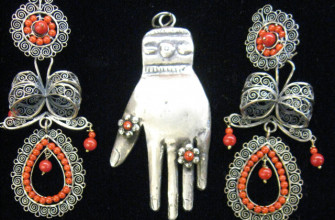
The Seri are warm, friendly and generous with their craft traditions. Through their handmade jewellery, shell ornaments, beaded earrings, necklaces and the famous baskets woven from torote (limberbush) and dyed with colours drawn from the surrounding desert, you can gain a real insight into a culture that has lived along this coast for thousands of years. Their best-known craft is the carving of palo fierro (ironwood), used to create beautiful sculptures of fish, turtles, sea birds and desert animals.
The Seri have another claim to fame. Their detailed knowledge of the local desert flora and fauna has been studied by ethnobotanists for decades and has yielded important insights into traditional medicine, sustainable harvesting and the ecology of the Sonoran Desert. Their understanding of sea turtles, in particular, is widely respected by marine biologists and forms the basis of several modern conservation programmes.
What Makes Kino Bay Different
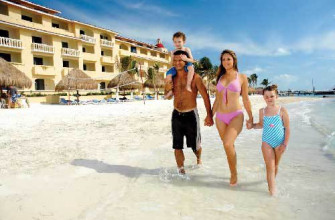
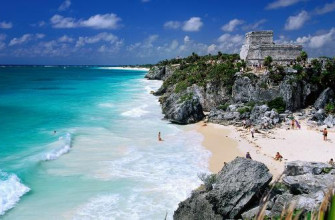
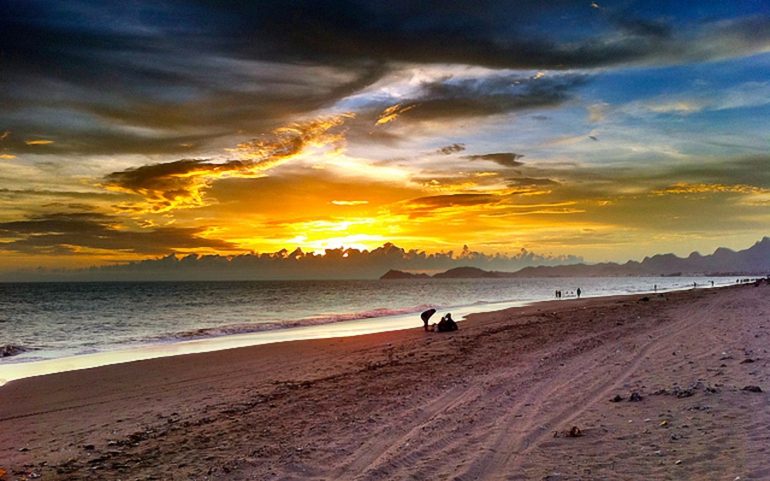
What sets Kino Bay apart from the better-known Mexican beach destinations is the combination of stunning desert mountain views, undeveloped beachfront and authentic local culture. The bay holds more than 10 km of uninterrupted beachfront, much of it lined with low-rise homes rather than high-rise hotels. The sand is fine, white and remarkably soft, often rated above the famous beaches of Cancun for natural quality, and the Gulf waters stay warm and calm for most of the year.
Several new low-rise housing developments have opened in recent years, mostly aimed at retirees from the United States, but the town has so far avoided the runaway construction that has changed places like Cabo San Lucas and Puerto Vallarta beyond recognition.
Things to Do in Kino Bay
Kino Bay offers an ideal place to relax and enjoy life. The pace stays slow even in high season, and most visitors fall into a rhythm of beach mornings, long lunches and sunset walks within a day or two of arrival.
Beach and Water Activities
- Swimming. The calm, warm waters of the Gulf of California are ideal for relaxed swimming year-round.
- Snorkelling. The clear water around the rocky outcrops near Punta Chueca and the offshore islands holds a colourful mix of tropical fish, rays and the occasional sea turtle.
- Scuba diving. The Gulf is famous for its rich marine life. Local operators run trips to nearby reefs and to the remote Midriff Islands.
- Sport fishing. The Gulf is one of the best fishing grounds in Mexico, known for marlin, dorado, yellowtail, snapper and grouper. Local pangas can be hired by the day with an experienced captain.
- Kayaking and paddleboarding. The flat morning sea makes for perfect paddling conditions, and several beachfront rental shops have opened in recent years.
- Whale and dolphin watching. Bottlenose dolphins are common year-round, and fin whales sometimes pass through during the winter migration.
Wildlife and Nature
The area around Kino Bay forms part of the so-called Midriff region of the Gulf of California, one of the richest marine ecosystems on the planet. The region was inscribed on the UNESCO World Heritage list in 2005 as the “Islands and Protected Areas of the Gulf of California”. For naturalists, the area is paradise. You can spot desert bighorn sheep on the rocky cliffs, Sonoran tortoises in the cactus forests, migratory hummingbirds in the gardens of the town, hundreds of species of insects and a colourful mix of marine life in the bay.
The biggest draw for wildlife lovers is Tiburon Island (Isla Tiburon), the largest island in Mexico, which sits in the bay just offshore. The island is a protected biosphere reserve and home to bighorn sheep, mule deer and a stunning variety of seabirds. Visiting the island requires a permit from the Seri community at Punta Chueca, since the island sits on traditional Seri territory.
Cultural Activities
- Visit the small but excellent Museo de los Seris in Kino Nuevo, which displays traditional Seri art, baskets, ironwood carvings and tools.
- Take a day trip north to Punta Chueca to meet Seri artisans and buy crafts directly from the makers.
- Watch the local fishermen pull their pangas onto the beach in the late morning and pick up the freshest seafood of the day straight from the boat.
Where to Stay in Kino Bay
A wide range of accommodation options is available, from simple beachfront hotels and family-run guesthouses to modern apartments, condominiums and rental homes. Most of the larger places are concentrated along the main road through Kino Nuevo, while Kino Viejo offers a few more affordable Mexican-style guesthouses. Many North American visitors who spend the winter in the area rent the same condo year after year.
Food and Drink
The food scene in Kino Bay revolves around fresh seafood pulled from the Gulf each morning. Try the local specialities:
- Camarones a la diabla, fiery red shrimp in a spicy tomato and chilli sauce.
- Pescado zarandeado, whole fish marinated in chilli and lime, then grilled over wood.
- Ceviche, raw fish or shrimp cured in lime juice with onion, tomato and cilantro.
- Tacos de pescado, fish tacos served with cabbage, salsa and a squeeze of lime.
- Almejas chocolatas, the famous chocolate clams of the Gulf, served raw or grilled in their shells.
Several casual restaurants line the beachfront and offer the classic combination of fresh seafood, cold beer and a sunset view across the Gulf. Sonoran beef is also widely available, since Sonora is one of the main cattle-ranching states in Mexico.
How to Get to Kino Bay
The closest international airport is Hermosillo International Airport (HMO), located about 110 km east of Kino Bay. The airport has direct flights from several US cities, including Phoenix, Houston, Dallas and Los Angeles, plus regular connections from Mexico City and other Mexican hubs.
From Hermosillo, the drive to Kino Bay takes about 90 minutes along Highway 100. Buses run several times a day from the Hermosillo bus terminal, and rental cars are widely available at the airport.
Best Time to Visit Kino Bay
The most pleasant months for a visit run from October to April, when daytime temperatures stay between 22 and 28 degrees Celsius and the sea is calm and warm. This is also the period when most North American snowbirds arrive, so the town is at its busiest. Summers (May to September) get extremely hot, with daytime temperatures often above 38 degrees, and the humidity rises sharply during the late summer rainy season. Hurricane risk on the Gulf of California is much lower than on the Pacific or Caribbean coasts, but storms do occasionally pass through in late summer.
Practical Tips
- Currency. Mexican peso (MXN). US dollars are widely accepted in tourist areas but you usually get a worse exchange rate than at the bank or ATM.
- Language. Spanish is the main language. English is spoken in many restaurants and hotels but knowing a few Spanish phrases helps with daily interactions.
- Safety. Sonora has had safety concerns in some areas, but Kino Bay itself remains one of the calmer and more relaxed destinations in the state. Stick to the main road, drive only in daylight when going between Hermosillo and the coast and keep an eye on local travel advisories before you go.
- Drinking water. Stick to bottled or filtered water.
- Cash. Bring enough cash from Hermosillo, as ATMs in Kino Bay can be unreliable.
- Sun protection. The Sonoran sun is intense even in winter. A hat, sunglasses and high-SPF sunscreen are essential.
Final Thoughts
Kino Bay is the kind of Mexican beach destination that the better-known resorts used to be: quiet, friendly and built around a real working community rather than a string of corporate hotels. Spend your mornings swimming in calm turquoise water, your afternoons watching the Seri artisans carve ironwood under the palms and your evenings eating freshly grilled seafood as the sun drops behind Tiburon Island, and you start to understand why those who find this corner of the Gulf of California tend to come back year after year.