Jumong is an eighty-one-episode Korean historical drama that aired on the MBC network in Seoul from 15 May 2006 to 6 March 2007, starring Song Il-gook as the legendary founder of the ancient kingdom of Goguryeo. The series drew average national audience shares above 40 percent across most of its run, with peak episodes reaching close to half of the national television viewership, and stood among the highest-rated Korean historical dramas of the mid-2000s Korean Wave.
The drama was produced for the network’s forty-fifth anniversary and was built around the legendary figure of Jumong, recorded in Korean chronicles as the founder of Goguryeo, the Korean state that ran from 37 BCE to 668 CE across what is now north-eastern China and the Korean peninsula. This article walks through the historical background to the figure of Jumong, the production and casting at MBC, the full main cast, the storyline as it unfolds across the eighty-one episodes, the reception and the international broadcast record, and the place of the series in the broader sageuk tradition of Korean historical television.
Jumong Korean Drama at a Glance
The key production facts of Jumong are gathered below for quick reference:
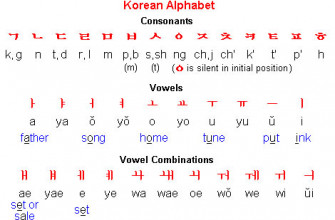
- Korean title: Jumong (Hangul: 주몽)
- Network: Munhwa Broadcasting Corporation (MBC)
- Broadcast run: 15 May 2006 to 6 March 2007
- Episodes: 81 (original commission 60, extended in response to ratings)
- Genre: Historical drama (sageuk), fusion sub-category
- Lead actor: Song Il-gook as Jumong
- Lead actress: Han Hye-jin as Soseono
- Director: Lee Joo-hwan and Kim Geun-hong
- Writer: Choi Wan-kyu and Jung Hyung-soo
- Source material: Samguk Sagi (12th-century Korean chronicle) and Samguk Yusa (13th-century chronicle)
- Setting: the founding of the Goguryeo kingdom around 37 BCE
- Peak viewership: close to 50 percent of the national Korean television audience
- Major award: Grand Prize at the 2006 MBC Drama Awards for Song Il-gook
The Historical Jumong and Goguryeo
The historical Jumong, also recorded under the names Chumong and Dongmyeongseong in Korean and Chinese sources, is the legendary founder of the kingdom of Goguryeo. Korean royal chronicles, including the Samguk Sagi compiled in the twelfth century by Kim Bu-sik and the Samguk Yusa compiled in the late thirteenth century by the Buddhist monk Iryeon, place his founding of the kingdom in 37 BCE.
The chronicles record that he was born to Lady Yuhwa of the Haebaek tribe and to a celestial figure named Hae Mosu. He proved his skills as an archer in his youth at the court of Buyeo, where he was raised as an outsider by the king, and eventually fled south with a small group of followers to found his own kingdom on the upper reaches of the Yalu River.
The historicity of the figure is debated by modern Korean and Chinese historians. Most treat him as a legendary founding ancestor whose story compresses the actual political consolidation of the early Goguryeo state into a single biographical narrative. Goguryeo went on to become one of the three major Korean kingdoms of the period, alongside Baekje and Silla, and ruled the largest territorial extent of any pre-modern Korean state until its fall in 668 CE.
Production and Casting at MBC
The MBC drama was produced under the direction of Lee Joo-hwan and Kim Geun-hong with a script by Choi Wan-kyu and Jung Hyung-soo. Filming took place across Korean studio facilities and on location in the mountainous regions of North Gyeongsang and Gangwon provinces, where the open terrain stood in for the early Goguryeo frontier along the Yalu River.
The lead role of Jumong went to Song Il-gook, an actor whose career had until that point centred on supporting parts and television commercials. The role made him a household face in Korean entertainment for the rest of the decade and earned him the Grand Prize at the 2006 MBC Drama Awards.
The original commission was for sixty episodes, although the strong audience response led the network to extend the run to eighty-one episodes, a not uncommon practice in Korean network television where extensions reward popular shows. The extension added several new storylines around supporting characters and deepened the political intrigue at the Buyeo court.
Full Main Cast
The main cast of Jumong included the following principal actors in the roles that carried the eighty-one-episode storyline:
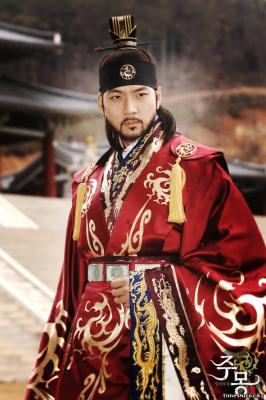
- Song Il-gook as Jumong, the legendary founder of Goguryeo
- Han Hye-jin as Soseono, the daughter of a merchant clan who becomes Jumong’s second wife and who in the chronicle tradition is credited as a co-founder of Goguryeo and later as the mother of Onjo, the founder of the rival kingdom of Baekje
- Kim Seung-soo as Daeso, the rival prince of Buyeo and Jumong’s main antagonist
- Jeon Kwang-ryeol as Geumwa, the king of Buyeo who raises Jumong as an outsider at his court
- Oh Yeon-soo as Lady Yuhwa, the princess of the Haebaek tribe and mother of Jumong
- Heo Joon-ho as Hae Mosu, the young military leader and father of Jumong who organises the Damul Army in the opening episodes
- Song Ji-hyo as Yesoya, the first wife of Jumong and mother of his son Yuri
- Park Tam-hee as Lady Wonhu, the chief consort of King Geumwa of Buyeo
Supporting cast members included the actors playing the Damul Army captains, the Buyeo court officials, the Haebaek tribal elders, and the Han dynasty garrison commanders along the former Gojoseon frontier.
Storyline Across the Eighty-One Episodes
The drama opens with the fall of the older Korean kingdom of Gojoseon to the Han dynasty of China, an event that the historical record places around 108 BCE. The story uses this collapse as the political backdrop for the founding generation of the new kingdoms that emerged in the decades after.
Hae Mosu, a young military leader, organises a band of survivors known as the Damul Army to defend refugees from Han raiding parties. He is wounded in battle and rescued by Lady Yuhwa, the princess of the Haebaek tribe, who shelters him and bears his son, the future Jumong. Jumong is raised at the court of Geumwa, the king of the rival kingdom of Buyeo, where he is treated as an outsider by the king’s older sons.
The middle episodes track his development from an awkward outsider into a skilled archer and military leader. His rivalry with the crown prince Daeso drives much of the palace intrigue, and his growing attachment to Soseono, the daughter of a Buyeo merchant, becomes the romantic thread of the series.
The later episodes follow his decision to leave Buyeo with a small band of followers, his founding of Goguryeo on the upper Yalu River in 37 BCE, his consolidation of power against the surrounding tribes, and his eventual death after passing the kingdom to his son Yuri. The drama compresses several decades of legendary chronology into a continuous television narrative.
Reception and Cultural Impact
Jumong became a top-rated Korean drama of the mid-2000s, with national audience shares averaging around 40 percent and peak episodes reaching close to 50 percent of the national television viewership. The series was sold to broadcasters across East and South-East Asia, including Iran where it ran in dubbed form on the state broadcaster IRIB and drew exceptional ratings reportedly reaching above 80 percent during peak episodes.
Song Il-gook received the Grand Prize at the 2006 MBC Drama Awards for the role, and Han Hye-jin received the Top Excellence Award in the female category. The drama also fed a renewed Korean popular interest in the Goguryeo period, which has political resonance in modern Korean cultural discussion because of long-running disputes with Chinese historiography over the ethnic and political identity of the Goguryeo state.
Several Korean museums and historical sites tied to the Goguryeo period saw increased visitor numbers in the years after the drama aired, and the production joined a handful of sageuk dramas of the period that pushed the genre into new commercial territory. The Korean historical film sector also benefited from the renewed interest in period stories that Jumong helped generate.
International Broadcast and the Korean Wave
Jumong aired in dubbed or subtitled form across more than a dozen countries in the years after its Korean premiere. The Iranian state broadcaster IRIB acquired the drama and ran it under the title Afsaneh-ye Jumong, with ratings that exceeded those of most domestic Iranian productions at the time and that helped open the Iranian market to the broader Korean Wave.
The series also aired in the Philippines, Indonesia, Thailand, Vietnam, Malaysia, Singapore, Sri Lanka, and Mongolia, and in limited theatrical runs or DVD release across the Korean diaspora communities of the United States, Canada, and Europe. The international success of Jumong helped establish the commercial template for sageuk export that later productions such as Dong Yi and Empress Ki would follow.
The response in Iran is often singled out as the most striking case of Korean Wave reception outside East Asia. Iranian commentators attributed the drama’s appeal to its emphasis on a young hero resisting foreign occupation, a theme that resonated with Iranian cultural narratives about national sovereignty and that carried over into later Iranian acquisitions of Korean historical dramas.
Place in the Sageuk Tradition
Sageuk is the Korean term for historical television drama and covers a long tradition of network productions that draw on Korean royal and dynastic history, often blending recorded events with fictional elements and legendary material. The genre has been a fixture of Korean network television since the 1960s, with major waves of production in the 1980s, the 1990s, and the 2000s.
Jumong belongs to a sub-category sometimes called fusion sageuk, which uses historical settings as the backdrop for storylines that owe as much to modern adventure and romance conventions as to documentary historical reconstruction. The fusion approach allows the writers to fill the gaps in the chronicle record with invented characters and relationships while keeping the broad historical frame intact.
The other major sageuk dramas of the same period include Dae Jo Young, which covers the founding of Balhae after Goguryeo’s fall, Dae Jang Geum (Jewel in the Palace), and the later King Sejong the Great. Jumong sits among the most-watched of the cycle and helped consolidate the commercial template that several later productions followed.
The genre has continued through the 2010s and 2020s with productions that range from the very strict historical reconstruction style to the heavily fictional fusion approach that Jumong helped popularise. Streaming services including Netflix, Viki, and Kocowa have since distributed older sageuk titles to international audiences, keeping the genre accessible outside the original broadcast runs.
Frequently Asked Questions
What is the Jumong Korean drama about?
Jumong is an eighty-one-episode Korean historical drama that aired on MBC from May 2006 to March 2007, starring Song Il-gook as the legendary founder of the ancient kingdom of Goguryeo. The storyline follows the young Jumong from his upbringing at the court of the rival Buyeo kingdom through his eventual founding of Goguryeo on the upper Yalu River in 37 BCE.
Who plays Jumong in the Korean drama?
Song Il-gook plays the title role of Jumong. His major co-stars are Han Hye-jin as Soseono, Kim Seung-soo as the rival prince Daeso, Jeon Kwang-ryeol as King Geumwa of Buyeo, Oh Yeon-soo as Lady Yuhwa, and Heo Joon-ho as Hae Mosu. Song Il-gook won the Grand Prize at the 2006 MBC Drama Awards for the role.
How many episodes does Jumong have?
The drama runs to eighty-one episodes. The original commission was for sixty episodes, with the run extended in response to high audience ratings during the early episodes.
When did Jumong air?
The series ran on the MBC network in Seoul from 15 May 2006 to 6 March 2007 and was produced for the network’s forty-fifth anniversary. It later aired in dubbed form across East and South-East Asia and in Iran on the state broadcaster IRIB.
Is the Jumong story historically accurate?
The drama draws on the legendary founding narrative of Goguryeo recorded in the Samguk Sagi and the Samguk Yusa chronicles. The historicity of Jumong as an individual is debated by modern historians, who treat him as a legendary founding ancestor whose story compresses several generations of early Goguryeo political consolidation. The drama itself takes substantial creative liberties around the chronicle material and fills the gaps with invented characters and relationships.
Why was Jumong popular in Iran?
The dubbed version of Jumong aired on Iranian state television (IRIB) and drew exceptional ratings, reportedly reaching over 80 percent viewership during peak episodes. Iranian audiences responded to the storyline of a young hero fighting against foreign occupation, a theme that resonated with Iranian cultural narratives. The success led Iranian broadcasters to acquire several other Korean historical dramas, helping establish the Korean Wave in the Middle East alongside its existing audience in East and South-East Asia.
Is there a sequel to Jumong?
MBC produced a follow-up series called The Kingdom of the Winds (Baramui Nara) in 2008, covering the reign of Jumong’s grandson King Muhyul. The related drama Dae Jo Young, on KBS, covers the founding of the Balhae kingdom after Goguryeo’s fall in 668 CE. Neither is a direct sequel, but both continue the historical period that Jumong introduced to Korean television audiences.
Where can I watch Jumong with English subtitles?
Older Korean sageuk titles including Jumong are available on streaming platforms such as Viki, Kocowa, and Amazon Prime Video in various regions, and on DVD box sets through Korean and overseas retailers. Availability changes between regions and across licensing windows, and viewers should check the current options on the official MBC drama site or on the streaming platforms directly.
Sources and Further Reading
- Munhwa Broadcasting Corporation, official MBC drama archive entries on Jumong, imbc.com
- Kim Bu-sik, Samguk Sagi, twelfth-century Korean chronicle, modern annotated editions
- Iryeon, Samguk Yusa, late thirteenth-century Korean chronicle, modern annotated editions
- Mark E. Byington, The History and Archaeology of the Koguryo Kingdom, Korea Institute, Harvard University, 2016
- Korean Film Council and MBC drama award archives, kofic.or.kr
- National Museum of Korea, official pages on the Three Kingdoms period, museum.go.kr