Bangkok holds roughly 11 million residents in its metropolitan area, stretches across 1,569 square kilometres of the Chao Phraya river delta, and draws over 20 million international visitors in a typical year, consistently ranking among the world’s three most-visited cities. The capital of Thailand combines 17th-century royal temples, floating canal markets, modern shopping malls the size of European airports, Michelin-starred street food, and a nightlife scene spanning Khao San Road backpacker bars to rooftop lounges 70 floors above the river. Getting oriented takes a day; exhausting the city’s options takes far longer.
This guide walks through Bangkok’s sacred temple circuit, the Grand Palace complex, the floating and land markets, museums worth a half-day visit, shopping districts from designer malls to street stalls, food experiences including cooking classes and street-food tours, cultural activities (Thai massage, meditation, Muay Thai), parks, Chao Phraya river trips, nightlife, and day trips to Ayutthaya and Kanchanaburi.
Sacred Temples (Wats)
Bangkok’s Buddhist temples are the starting point for most visitors. The city holds over 400 registered temples (called wats), but five carry particular significance for tourists:
- Wat Phra Kaew (Temple of the Emerald Buddha): inside the Grand Palace complex, home to the Emerald Buddha carved from a single jade boulder, considered the most sacred Buddha image in Thailand. The king changes its gold robes in a seasonal ceremony three times a year. Entry is included with Grand Palace ticket at roughly 500 baht.
- Wat Pho (Temple of the Reclining Buddha): south of the Grand Palace, home to a 46-metre gold-plated reclining Buddha and one of Thailand’s oldest Thai massage schools. The temple grounds cover 80,000 square metres with over 1,000 Buddha images. Entry roughly 300 baht.
- Wat Arun (Temple of Dawn): across the Chao Phraya River on the Thonburi side, famous for its 82-metre central spire (prang) decorated with porcelain shards. Best seen at sunset from the eastern riverbank or from a cross-river ferry. Entry roughly 200 baht.
- Wat Saket (Golden Mount): built on an artificial hill with a 344-step climb to a golden chedi (stupa) at the top. Views across old Bangkok make the climb worthwhile. Entry roughly 50 baht.
- Wat Mahathat: one of the oldest temples in Bangkok and the home of one of Thailand’s oldest meditation centres. Vipassana meditation classes run in English on scheduled days.
Temple etiquette matters. Visitors must cover shoulders and knees (sarongs available at entrances), remove shoes before entering inner shrines, and refrain from pointing feet toward Buddha images. Photography is permitted outside but restricted inside many main halls.
The Grand Palace
The Grand Palace served as the official royal residence from 1782 through the early 20th century, and the current king still uses it for state ceremonies. The complex covers 218,000 square metres inside massive whitewashed walls, and includes the Wat Phra Kaew temple compound, royal reception halls, and the Queen Sirikit Museum of Textiles.
A thorough Grand Palace visit takes 2-3 hours. Allow extra time at Wat Phra Kaew’s main bot (ordination hall) where the Emerald Buddha sits. Ticket booths are at the northern (Viset Chai Sri) entrance; hours run roughly 8:30 am to 3:30 pm. Crowds peak mid-morning; arriving at opening or late afternoon produces calmer conditions.
Dress code is strictly enforced: no shorts, sleeveless tops, transparent clothing, torn jeans, or sandals without straps. A rental counter at the entrance provides cover-up clothing for a small deposit.
Markets: Floating, Night, and Weekend
Bangkok’s market culture runs across several distinct formats:
- Chatuchak Weekend Market (Jatujak): open Saturday and Sunday, 8,000+ stalls across 27 acres, ranked among the largest markets in the world. Organised into sections for clothing, crafts, antiques, plants, art, and street food. Allow at least 4-5 hours and expect to get lost at least once.
- Damnoen Saduak Floating Market: 100 kilometres southwest of Bangkok, the most famous floating market for tourists. Visitors reach it via morning bus tours; vendors sell tropical fruit, noodles, and souvenirs from wooden boats along narrow canals.
- Amphawa Floating Market: 90 kilometres southwest, operating Friday to Sunday evenings. More local than Damnoen Saduak, with grilled seafood boats and fireflies at dusk.
- Khlong Lat Mayom Floating Market: 30 minutes west of central Bangkok, weekend-only, a low-key alternative that avoids the tourist intensity of Damnoen Saduak
- Train Market at Maeklong: 80 kilometres southwest, where a market sets up along an active railway line; vendors fold tarps and pull back stalls as trains pass through the middle of the market several times daily
- Talad Rot Fai (Train Market) Ratchada: nighttime market in central Bangkok running Thursday to Sunday evenings; street food, vintage goods, and bar scene
- Pak Khlong Talat Flower Market: open 24 hours near the Chao Phraya River, wholesaling flowers to the city’s florists and restaurants
Most visitors pair Damnoen Saduak or Amphawa with a day trip out of the city; central Bangkok markets suit shorter time slots during city stays.
Museums and Cultural Venues
Bangkok’s museum scene is smaller than London or New York but holds distinct Thai and Southeast Asian collections:
- Bangkok National Museum: the largest museum in Southeast Asia, covering Thai history from prehistoric through the Rattanakosin era with regalia, weapons, textiles, and religious art
- Jim Thompson House: the restored teak residence of the American silk entrepreneur who disappeared in Malaysia in 1967. The compound shows traditional Thai architecture combined with Thompson’s Southeast Asian art collection.
- Queen Sirikit Museum of Textiles: inside the Grand Palace grounds, displaying royal garments and Thai silk history
- Suan Pakkad Palace Museum: former residence of Princess Chumbhot, containing a Lacquer Pavilion with 17th-century gold-leaf murals
- Bangkok Art and Culture Centre (BACC): modern art venue in central Bangkok with rotating exhibitions of Thai and international contemporary art
- Museum of Siam: interactive museum exploring Thai identity through multimedia exhibits suitable for families
- Erawan Museum: a giant bronze three-headed elephant structure with antiquities inside, east of central Bangkok
- Ancient Siam (Muang Boran): 45 minutes south of Bangkok, an open-air park displaying 120 scaled reproductions of Thailand’s major monuments across 200 acres
The Jim Thompson House in particular is worth a half-day visit for anyone interested in Thai architecture or Southeast Asian art. Guided tours run every 20 minutes in English, Thai, French, Japanese, and Chinese.
Thai Cooking Classes
Thai cuisine translates well to home kitchens once the basic techniques are taught. Bangkok hosts dozens of cooking schools at different price points:
- Half-day classes (3-4 hours): 1,500-2,500 baht, teach 3-4 standard dishes like tom yum, pad thai, green curry, and a dessert
- Full-day classes with market tour: 2,500-4,000 baht, start with a guided visit to a fresh market, then cook 5-6 dishes back at the school
- Multi-day courses: 10,000-30,000 baht for 3-5 days, suitable for serious enthusiasts and professional cooks
- Michelin-level instruction: 4,000-8,000 baht per session with chefs from top Bangkok restaurants
Popular cooking schools include Baan Thai, Blue Elephant, Silom Thai Cooking School, and Sompong Thai Cooking School. Most offer pickup transport from central hotels and provide all ingredients and recipe cards in English. Vegetarian options are available at every major school.
Thai Massage and Spa Experiences
Thai massage (nuad thai) is recognised by UNESCO as intangible cultural heritage. The style uses stretching, compression, and rhythmic pressure points rather than oil-based Western massage. Every tourist should try at least one session; prices range from 200 baht for a 30-minute foot massage at a local shop to 3,000+ baht at a five-star hotel spa.
Key venues for massage and spa treatments:
- Wat Pho Thai Massage School: operating since the 1950s, the authoritative traditional school. Visitors can take classes or receive massages in the adjoining parlour inside the temple grounds. Weekly Monday start dates for the 5-day foot massage course.
- Ruen Nuad Massage Studio: mid-range option with quality Thai massage in a traditional wooden house
- Health Land Spa: chain of mid-range spas with consistent quality across several Bangkok branches
- Oriental Spa at Mandarin Oriental: luxury spa on the Chao Phraya River, classic top-end Bangkok spa experience
- Let’s Relax Spa: tourist-friendly chain with multiple Bangkok locations
First-time massage recipients should expect discomfort from the deep pressure techniques; communicate with the therapist in real-time if pressure becomes too strong. Thai phrase for “more gentle please” is “bao bao noi khrap/kha” (male/female ending).
Meditation and Temple Stays
Several Bangkok temples offer Buddhist meditation instruction to foreign visitors:
- Wat Mahathat: daily Vipassana meditation classes in English. One-day introduction sessions free; multi-day retreats available. Teachers are ordained Buddhist monks with English fluency.
- Wat Pho: meditation instruction alongside the famous massage school
- International Buddhist Meditation Center (Wat Mahathat): formal 5-10 day retreats in silence, accommodation included at low cost
- Young Buddhists Association of Thailand: weekend courses for beginners in English
- House of Dhamma Insight: private meditation centre with English-speaking instructors, 1-day and residential courses
Residential temple retreats typically require shaved head (for monks), white clothing (for laypeople), and adherence to the eight Buddhist precepts including no food after noon. First-time participants should choose shorter 3-day programmes before committing to longer retreats.
Muay Thai Fights
Muay Thai (Thai boxing) is a core cultural experience for visitors. Two Bangkok stadiums host professional fights:
- Lumpinee Boxing Stadium: the more prestigious venue, recently relocated to the Ramintra area in northeastern Bangkok. Fights typically Tuesday, Friday, and Saturday evenings. Ticket prices 1,500-3,000 baht for tourist seats.
- Rajadamnern Stadium: closer to central Bangkok, the older of the two stadiums, with fights Monday, Wednesday, Thursday, and Sunday. Tickets 1,500-2,500 baht.
Fight cards typically include 7-9 matches running from smaller-class bouts to the headline event. Beginners should sit in the upper levels for a calmer atmosphere; ringside seats put you in the middle of noisy Thai betting crowds.
Non-spectator options include training sessions at Muay Thai gyms, which offer single-day introductory classes (700-1,500 baht) or multi-week training programmes for serious students.
Parks and Urban Green Space
Bangkok’s parks offer respite from the heat and traffic:
- Lumpini Park: central Bangkok’s largest green space, popular for morning jogging, evening tai chi, and outdoor aerobics classes. Monitor lizards roam freely around the pond system.
- Benjakitti Park: connected to Lumpini via a new elevated skywalk, with lakes and jogging paths
- Chatuchak Park: adjacent to the weekend market, good for a rest after market shopping
- Benjasiri Park: small central park with modern sculptures, popular for lunch breaks from nearby offices
- Bang Krachao (Green Lung): 20-square-kilometre park on an artificial island in the Chao Phraya River, reachable by short boat from the city. Cycling paths through rainforest-like terrain.
- Rama IX Royal Park: large park in eastern Bangkok with botanical gardens
Most parks are free to enter and open early morning through evening. Early visits (6-8 am) catch locals exercising; late afternoon (5-7 pm) produces cooler conditions for walking.
Chao Phraya River Experiences
The Chao Phraya River runs through Bangkok’s old city and offers transport, dining, and sightseeing options:
- Chao Phraya Express Boat: commuter boats running the river’s length, cheap (10-30 baht per trip) and useful for reaching Wat Arun, the Grand Palace, and riverside hotels
- Tourist Boat (blue flag): special tourist service with hop-on-hop-off access to main riverside sites
- Long-tail boat tours: private boats for 1-2 hour canal tours through Thonburi’s khlongs (canals). 1,500-2,500 baht per boat.
- Dinner cruises: 2-3 hour evening cruises with buffet dinner and live music. Ranging from mid-range (1,500 baht per person) to luxury (4,000+ baht).
- River ferries to the eastern bank: used to reach Wat Arun, the Museum of Siam area, and the ICONSIAM mall on the western shore
Long-tail boat tours through the Thonburi canals show a very different Bangkok than the modern towers on the eastern bank. Stilt houses, small family-run temples, and waterway communities still operate much as they have for centuries.
Shopping: Malls, Streets, Markets
Bangkok’s shopping scene covers every price point:
- Siam Paragon: luxury mall with designer brands, Siam Ocean World aquarium, and a large food hall
- Central World: massive mid-range mall in central Bangkok
- ICONSIAM: modern waterfront mall on the Thonburi side with indoor floating-market-style food courts
- MBK Centre: mid-range mall popular for electronics, knock-off fashion, and budget souvenirs
- Siam Square: warren of small shops and street vendors popular with Thai university students
- Asiatique the Riverfront: open-air shopping and dining along the Chao Phraya with a giant Ferris wheel
- Terminal 21: themed mall where each floor recreates a different world city (Tokyo, London, Rome, Istanbul)
- Pratunam Market: wholesale textile area, best for buying clothing in bulk or at budget prices
- Sampeng Lane and Chinatown: Chinese-owned wholesale and retail shops selling everything from toys to religious items
For tailoring, Bangkok’s Silom and Sukhumvit areas hold dozens of tailors offering custom suits, shirts, and dresses at far lower prices than Hong Kong or Singapore, though quality varies. Reputable tailors include Raja’s Fashions and Narry Tailor.
Nightlife
Bangkok’s nightlife scene divides across several distinct areas:
- Khao San Road: backpacker zone with cheap bars, street food, massage parlours, and tattoo shops. Touristy but a rite of passage for many first-time visitors.
- Sukhumvit (Soi 11): international expat bar scene with higher-end cocktail bars and live music venues
- RCA (Royal City Avenue): Thai clubbing strip with large multi-floor venues
- Thonglor and Ekkamai: upscale cocktail bars, gastropubs, and hip restaurants favoured by young Thai professionals
- Rooftop bars: Vertigo at Banyan Tree, Sky Bar at Lebua (famous from Hangover 2), Above Eleven, Octave Rooftop Bar. Views 50+ floors above the city.
- Thanon Silom and Suriwong areas: mixed commercial and gay nightlife
Dress codes matter at upscale venues (no shorts, sandals, or sleeveless shirts for men). ID checks are standard even for older visitors. Drinking laws close bars at 2 am officially, though enforcement varies.
Day Trips from Bangkok
Several day-trip destinations deserve a full day each:
- Ayutthaya: 80 kilometres north, the former Siamese capital founded in 1350 and sacked in 1767. The archaeological ruins of Wat Mahathat (famous for the Buddha head growing from a tree root), Wat Phra Si Sanphet, and Wat Chaiwatthanaram form a UNESCO World Heritage Site. Full-day tours by bus, train, or boat.
- Kanchanaburi: 130 kilometres west, famous for the Bridge on the River Kwai and the Death Railway from World War II. Jeath War Museum and Erawan National Park with its seven-tiered waterfall add to the day.
- Sukhothai: 450 kilometres north, another former capital with 13th-14th century ruins. Typically an overnight trip rather than single-day.
- Khao Yai National Park: 200 kilometres northeast, Thailand’s oldest national park with elephants, hornbills, and waterfalls
- Pattaya: 150 kilometres southeast, mass-tourist beach resort (not universally recommended but popular)
- Hua Hin: 200 kilometres southwest, quieter beach town favoured by Thai royals and weekend Bangkok residents
Ayutthaya specifically is the single most-recommended day trip from Bangkok. Travellers with any interest in Thai history should set aside a full day there.
Climate and Best Time to Visit
Bangkok has a tropical climate divided into three seasons:
- Cool season (November-February): 22-32 degrees, low humidity, lowest rainfall. Peak tourist season with highest hotel prices.
- Hot season (March-May): 28-38 degrees, very high humidity, occasional pre-monsoon storms. April is the hottest month, with Songkran (Thai New Year, April 13-15) producing citywide water-fighting celebrations.
- Rainy season (June-October): 25-34 degrees, daily rain showers (typically afternoon), highest rainfall in September. Lowest tourist numbers and hotel rates.
Most travellers target November-February. December-January, peaking at Christmas and New Year, see the highest hotel demand. June-October offers significant discounts at the cost of brief daily rain.
Transport and Practical Information
Bangkok’s transport options have expanded substantially since 2010:
- BTS Skytrain: elevated rail system covering central districts. Clean, air-conditioned, and reliable. Tickets 16-59 baht per trip.
- MRT (Metropolitan Rapid Transit): underground metro connecting to the Skytrain at several stations. Tickets 17-42 baht.
- Airport Rail Link: connects Suvarnabhumi Airport to central Bangkok in 26 minutes. 45 baht for express service.
- Taxis: meter-based, generally honest in tourist areas. Use Grab app for smoother experience without haggling.
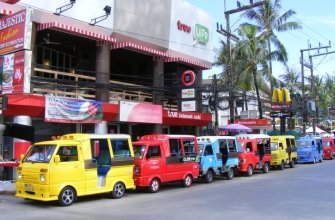
- Tuk-tuks: iconic three-wheeled vehicles, fun for short trips but more expensive than taxis. Always agree a fare before starting.
- Motorcycle taxis: fastest way through traffic jams, riders wear orange vests. Roughly 10-60 baht for short trips.
- Chao Phraya boats: river transport cheaper than road for river-adjacent destinations
Suvarnabhumi (BKK) is the main international airport, 30 kilometres east of central Bangkok. Don Mueang (DMK) is the budget-airline airport in the north. Both connect to the city by airport rail, taxi, and shuttle bus.
Frequently Asked Questions
How many days do you need in Bangkok?
Three to five days covers the main temples, Grand Palace, a major market, and a day-trip to Ayutthaya. A week allows deeper exploration including cooking classes, meditation, canal tours, and multiple shopping districts. Repeat visitors typically focus on specific experiences (food, temples, Muay Thai) rather than trying to see everything again.
Is Bangkok safe for tourists?
Bangkok is generally safe, with standard precautions against pickpocketing in crowded markets and Khao San Road. Violent crime against tourists is rare. Scams targeting tourists (fake tuk-tuk tours, gem scams near the Grand Palace) are more common than theft. Use the BTS Skytrain and Grab app for reliable transport.
What should I not miss in Bangkok?
Grand Palace with Wat Phra Kaew, Wat Pho’s reclining Buddha, Wat Arun (Temple of Dawn), a proper Thai massage, Chatuchak Weekend Market (if visit falls on Saturday or Sunday), a Chao Phraya river cruise, and at least one serious street-food exploration (Yaowarat Chinatown is the classic choice).
When is the best time to visit Bangkok?
November through February offer the coolest temperatures (22-32 degrees), lowest humidity, and lowest rainfall. This is peak tourist season with correspondingly highest hotel rates. June-October produces daily afternoon rain but cheaper accommodation and smaller crowds.
How do I dress for Bangkok temples?
Cover shoulders and knees at all major temples. Wat Phra Kaew and the Grand Palace enforce the strictest dress code: no shorts, sleeveless tops, torn jeans, or strapless sandals. Rental cover-up clothing is available at entrance booths for a small deposit.
What is the best area to stay in Bangkok?
Central Bangkok (Sukhumvit or Silom) suits first-time visitors with easy BTS access. Riverside (Siphraya area) suits visitors prioritising Grand Palace and temple access. Khao San Road works for budget backpackers. Thonglor and Ekkamai suit visitors wanting newer restaurants and quieter streets.
How much does a Bangkok trip cost?
Budget traveller: 30-50 euros per day including hostel, street food, and public transport. Mid-range: 70-120 euros per day with 3-star hotels, restaurant meals, and some taxi use. Luxury: 250+ euros per day with 5-star hotels, fine dining, and private tours. Bangkok suits all budgets better than most Asian capital cities.
Sources and Further Reading
- Bangkok: Place, Practice and Representation – Marc Askew, Routledge
- Thailand Tourism Authority official Bangkok guide – tourismthailand.org
- Very Thai: Everyday Popular Culture – Philip Cornwel-Smith, River Books
- Bangkok Found: Reflections on the City – Alex Kerr, River Books
- UNESCO Ayutthaya World Heritage documentation – whc.unesco.org
- The Grand Palace and Wat Phra Kaew official visitor information – Bureau of the Royal Household