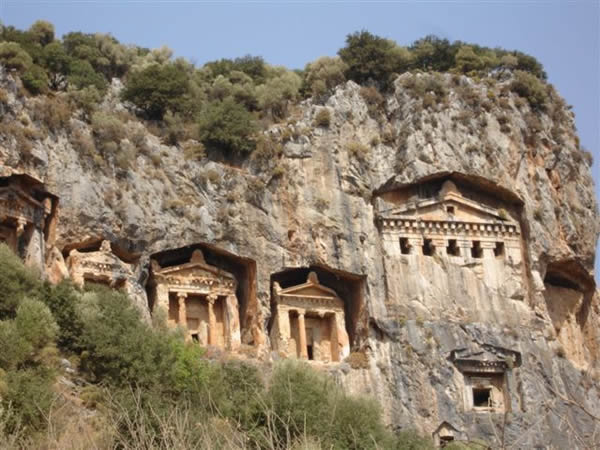
Dalyan sits on the southwest Turkish coast in Muğla Province, where the Dalyan River winds through reed beds before opening into the Mediterranean at İztuzu Beach. The town grew around a fishing industry dating back at least to the ancient Lycian city of Kaunos, whose rock-cut tombs carved into the cliffs across the river still watch over the waterfront from the 4th century BCE. A combination of archaeological ruins, loggerhead turtle nesting grounds, sulphur mud baths, and quiet evenings on boats has kept Dalyan a small-scale destination rather than a package-holiday resort.
This guide covers Dalyan’s location and geography, its ancient Kaunos neighbour, the protected ecosystem around İztuzu Beach, the mud baths and hot springs at Sultaniye, practical travel logistics, and when to visit for the best combination of weather and fewer crowds.
Location and Geography
Dalyan lies in the Ortaca district of Muğla Province, roughly 80 kilometres east of the main tourist resort of Marmaris and 25 kilometres from Dalaman International Airport. The town sits on the Dalyan River, which connects the freshwater Köyceğiz Lake to the Mediterranean via a delta of reed-lined channels. Boats replace buses here as the main tourist transport.
The river’s slow-moving course and protected wetlands create an ecosystem that is rare along the Mediterranean. Reed beds, seasonal marshes, and the İztuzu sand spit at the river mouth all support protected wildlife including the loggerhead sea turtle (Caretta caretta), the Nile soft-shelled turtle, and migrating waterbirds. Turkish law has protected the broader Köyceğiz-Dalyan Specially Protected Area since 1988, which limits development inside a 461-square-kilometre zone.
The town itself has roughly 4,500 year-round residents, a number that swells to 15,000 or more in summer. The main street follows the river for a few hundred metres, lined with small hotels, seafood restaurants, and travel agencies. Reaching Dalyan involves a transfer from Dalaman Airport by car (30-40 minutes), shuttle bus, or private transfer.
Ancient Kaunos Across the River
Kaunos, known in some ancient sources as Caunos, was founded around the 9th century BCE and absorbed into the Persian Achaemenid Empire in the 6th century BCE. The city later passed through Hellenistic, Roman, and Byzantine rule before being abandoned due to malaria epidemics in the Middle Ages. Kaunos is best known for the Lycian-style rock-cut tombs carved into the cliff face directly across the river from modern Dalyan.
Key surviving features at the Kaunos archaeological site:
- The rock-cut tombs, six large facades from the 4th century BCE mimicking Greek temple fronts
- The Roman theatre, partially restored, seating roughly 5,000
- The Hellenistic agora and stoa
- A Roman-era bath complex
- Byzantine church foundations
- Defensive walls and watchtowers that climb the acropolis hill
The site is reached by a short boat ride from Dalyan’s jetty (most boats run regularly through the morning) followed by a 15-20 minute walk. British archaeologist and numismatist Professor Baki Öğün led Turkish-led excavations from 1966 onwards; work continues under the Turkish Ministry of Culture and Pamukkale University.
İztuzu Beach and the Loggerhead Turtles
İztuzu Beach, locally called Turtle Beach, is a 4.5-kilometre sand spit separating the Dalyan River from the open Mediterranean. The beach is one of the major Mediterranean nesting grounds for loggerhead sea turtles, who lay eggs in the sand between May and August. Hatchlings emerge between July and October and scramble toward the water.
Turkish conservation law protects İztuzu Beach tightly. Rules that affect visitors:
- The beach closes to the public from 8 pm to 8 am during nesting season (May to October)
- Hotels and permanent structures are prohibited on the beach itself
- Umbrellas must be inserted into designated sockets to avoid hitting buried eggs
- Beach furniture is removed at the end of each day
- Night lighting is forbidden along the beach to avoid disorienting hatchlings
- Visitors reach the beach by boat, car, or water taxi from Dalyan town (15 minutes by car)
The Dalyan Turtle Research and Rehabilitation Centre, located at the beach, rescues injured adult turtles (usually from boat-propeller strikes) and rehabilitates them before release. Visitors can tour the centre’s recovery pools and watch staff work; admission fees fund the rehabilitation programme.
Sultaniye Mud Baths and Hot Springs
The Sultaniye thermal springs sit on the southern shore of Köyceğiz Lake, reached from Dalyan by a 20-minute boat ride upriver. The hot sulphur water emerges at around 40 degrees Celsius from a natural spring Turkish hammams channelled into bathing pools in Ottoman times. Tradition holds that Cleopatra bathed here, a claim made at many Aegean and Mediterranean spots and unverifiable in this specific case.
The mud pool, located a short walk from the main bathhouse, contains deep grey mud said to benefit the skin through its mineral content (calcium, magnesium, sulphur). Bathers apply a layer, let it dry in the sun, then rinse in the nearby river. The combination of hot spring, mud bath, and cool river rinse draws mixed tourist and local crowds, especially on weekend afternoons.
Adjacent to Sultaniye sits the Ilıca mud bath, a smaller facility used mainly by local families. Both sites operate without heavy tourist infrastructure; visitors should bring towels, swimwear, and water. Boat tours from Dalyan typically combine Sultaniye with Kaunos and İztuzu in a single full-day route.
Food and Evening Life
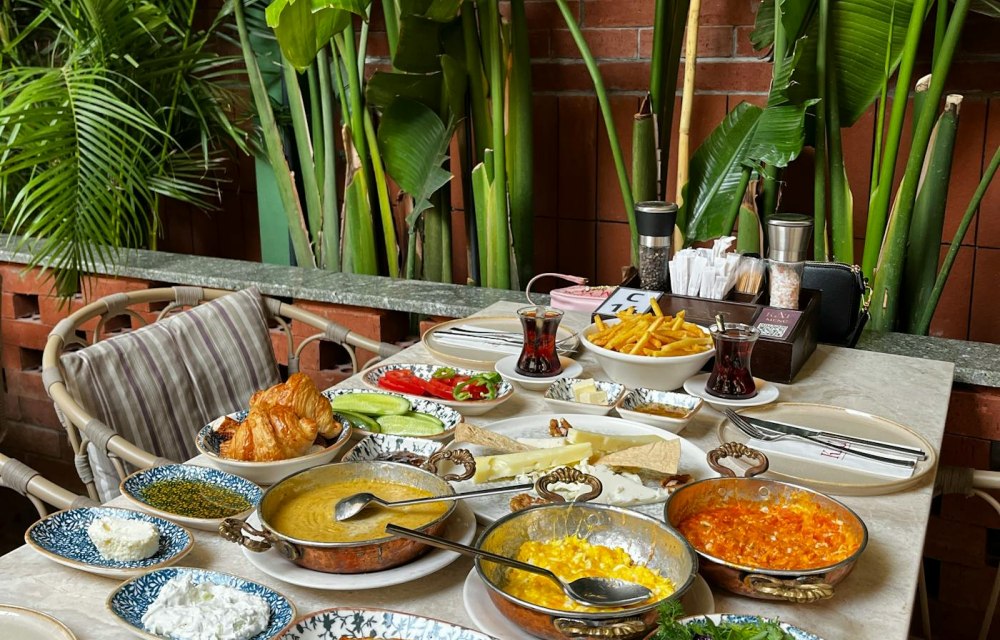
Dalyan restaurants focus on river and Mediterranean fish: grey mullet caught in the traditional fish weir (dalyan in Turkish, which gave the town its name), sea bass, sea bream, red mullet. The catch is typically grilled whole and served with a squeeze of lemon, olive oil, and a side of seasonal greens. Prices are lower than at Bodrum or Marmaris.
Evenings in Dalyan run quiet by resort standards. The main drag has a handful of low-key bars, but most visitors choose riverside dinners with boats passing in the background rather than nightclubs. A few restaurants host live Turkish music; most close by midnight.
Local markets include a weekly Saturday market in Dalyan town (produce, cheeses, textiles) and a larger Friday market in Ortaca, 10 kilometres away, where locals stock up for the week. Haggling is expected at both markets but prices start reasonable.
Best Time to Visit
Dalyan’s Mediterranean climate produces hot dry summers and mild winters. Temperature overview:
- April-May: 20-25 degrees, spring greens, fewer tourists, ideal for archaeological visits
- June-August: 30-35 degrees, peak tourist season, busier boats, warmest sea swimming
- September-October: 25-30 degrees, excellent for beach and boat trips with smaller crowds
- November-March: 10-18 degrees, rainy periods, quiet town with most hotels closed
Most visitors come between May and October. Turtle nesting is at peak in July and August. If the specific goal is turtle-watching and rehabilitation-centre tours, September produces cooler weather with still-active hatchlings. If the goal is quiet and archaeological touring without crowds, late April or early October works best.
For a broader look at Turkish regional destinations, see our Istanbul travel guide covering the country’s largest city.
Frequently Asked Questions
Where is Dalyan in Turkey?
Dalyan lies in Muğla Province on Turkey’s southwest Mediterranean coast, roughly 25 kilometres east of Dalaman Airport and 80 kilometres east of Marmaris. The town sits on the Dalyan River, which connects Köyceğiz Lake to the sea at İztuzu Beach.
How do you get to Dalyan?
Dalaman International Airport is the closest entry point, served by direct flights from several European cities in summer. Transfer from airport to Dalyan takes 30-40 minutes by car, private transfer, or shuttle bus. Bus connections link Dalyan to Marmaris, Fethiye, and other regional towns.
What is Dalyan famous for?
Dalyan is famous for the Lycian rock-cut tombs of ancient Kaunos, İztuzu Beach (a major loggerhead turtle nesting site), the Sultaniye sulphur mud baths, and river-delta boat tours. The town’s small scale and protected ecosystem distinguish it from larger resorts along the coast.
Can you swim at İztuzu Beach?
Yes, İztuzu Beach is open to swimmers during daylight hours. The beach closes from 8 pm to 8 am from May to October during turtle nesting season. Beach furniture and umbrellas must be placed in designated sockets to avoid buried eggs, and lighting is prohibited at night.
Are the Dalyan mud baths good for skin?
The Sultaniye mud contains minerals including calcium, magnesium, and sulphur that some tradition credits with skin benefits. Medical research has not established specific benefits for the mud itself beyond general soaking effects on circulation. The thermal water’s heat and minerals do benefit muscle relaxation.
How many days should you spend in Dalyan?
Three to four days cover the main sights: a full-day boat tour (Kaunos, mud baths, İztuzu), an afternoon at İztuzu Beach, a morning in Dalyan town and market, and an optional day trip to Köyceğiz Lake or Fethiye. Longer stays suit travellers wanting beach time without rushing.
Sources and Further Reading
- Kaunos: An Archaeological Guide – Baki Öğün, Türk Tarih Kurumu
- Loggerhead Turtle Conservation Reports – Turkish Ministry of Environment
- Köyceğiz-Dalyan Specially Protected Area – Turkish Special Environmental Protection Agency
- Ancient Lycia and Caria – Stephen Mitchell, Anatolian Studies
- Turkish regional tourism information – Turkish Ministry of Culture ktb.gov.tr