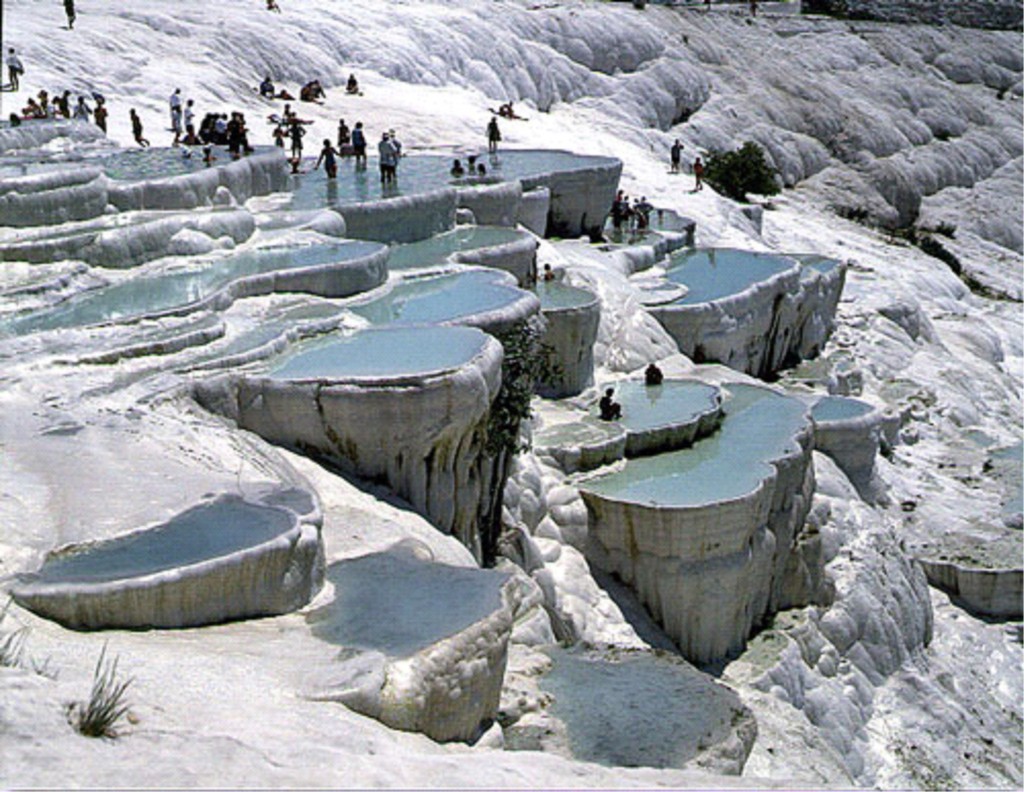
Pamukkale, whose name translates from Turkish as “Cotton Castle”, sits in the rolling hills of the Denizli province in southwestern Turkey and counts as one of the most unusual landscapes on the planet. Brilliant white travertine terraces filled with warm turquoise water cascade down the side of a hill, glowing in the sunlight against a backdrop of olive groves and farmland. Above the terraces lie the vast ruins of the ancient Greco-Roman city of Hierapolis, founded around 190 BC and later turned into one of the great spa centres of the Roman Empire. UNESCO inscribed the combined site on the World Heritage list in 1988, and few places in Turkey leave a stronger impression on visitors.
Where Pamukkale Is and How to Get There
Pamukkale lies about 20 km north of the modern provincial capital of Denizli, which is the closest large town and the main transport hub for visitors. From Denizli, frequent dolmus minibuses run the short trip to Pamukkale village, which has grown around the foot of the white terraces and hosts most of the tourist accommodation.
Most travellers reach Denizli in one of three ways. The fastest option is to fly into Denizli Cardak Airport, about 65 km east of Pamukkale, which receives daily flights from Istanbul and seasonal connections from a handful of European cities. Long-distance buses link Denizli with almost every major city in Turkey, including Istanbul (around 11 hours), Izmir (around 4 hours), Antalya (around 4 hours) and Cappadocia (around 9 hours). High-speed trains have not yet reached the area, but standard rail services from Izmir take roughly 5 hours along a scenic inland route.
Pamukkale also makes a popular day trip from the coastal resorts of the Aegean and Mediterranean coast. Tour buses arrive every morning from Bodrum, Marmaris, Kusadasi, Fethiye and Antalya, although staying overnight in Pamukkale village is the only way to see the terraces in the soft early morning and late afternoon light, after the day-trip crowds have left.
The Cotton Castle and the Travertines
The famous travertines were formed over thousands of years by hot mineral water flowing down the hillside from underground springs. As the calcium-rich water reached the surface and cooled, it deposited layer after layer of calcium carbonate that gradually built up into the spectacular tiered pools you see today. The terraces stretch for almost 2.7 km along the hillside and rise around 160 metres above the plain below.
Visitors enter the protected area through one of three gates: the lower gate at the foot of the village, the upper south gate near the ancient theatre and the upper north gate near the necropolis. The entrance fee is around 30 euros for foreign adults as of 2026, payable in Turkish lira or by card, and includes access to the travertines, the ruins of Hierapolis and the small archaeological museum. To protect the calcium deposits, visitors are required to walk barefoot on the central path that runs up the slope, which can feel rough on the feet but adds to the unforgettable experience of stepping through warm flowing mineral water with views over the valley below.
Only a few of the travertine pools are open for actual bathing on any given day, and the open zones rotate to give the rest of the terraces time to recover. Wearing a swimsuit under your clothes makes the visit much easier. Be aware that long stretches of the upper terraces sometimes look dry or flow only in thin trickles, since the water is now carefully managed to balance tourism with conservation.
The Ruins of Hierapolis
Hierapolis was founded around 190 BC by the Hellenistic king Eumenes II of Pergamon and later flourished under Roman, Byzantine and Seljuk rule. The city was famous across the ancient world for its hot springs, which were believed to have powerful healing properties, and it grew into a major spa resort that attracted patients and pilgrims from across the Mediterranean. Earthquakes destroyed much of the city in 60 AD and again in the 14th century, but the surviving ruins remain among the most impressive in western Turkey.
The Ancient Theatre
The best preserved building in Hierapolis is the magnificent Roman theatre, built into the hillside in the 2nd century AD under the emperors Hadrian and Septimius Severus. The semicircular auditorium seats up to 12,000 spectators and still holds much of its original stage decoration, with carved reliefs depicting the gods, emperors and mythological scenes. Climb to the upper rows for one of the best views over the entire site and the white travertines below.
The Plutonium and the Gates of Hell
Just below the theatre stands the famously dangerous Plutonium, also known as the “Gate of Hades” or “Gate to Hell”. This small grotto next to the temple of Apollo emits toxic carbon dioxide gas from the ground, and ancient priests used the deadly fumes to kill sacrificial animals and impress worshippers with the power of the underworld. The grotto is fenced off for safety, but you can still hear the bubbling of the gas in the water as you approach the gate. Modern archaeologists confirmed in 2018 that the gas is still strong enough to kill small animals that wander too close, exactly as the ancient writer Strabo described almost 2,000 years ago.
The Temple of Apollo and the Byzantine Churches
Next to the Plutonium lie the remains of the foundations of the ancient Temple of Apollo, the most important religious building in the city. Hierapolis was also one of the earliest centres of Christianity in Asia Minor, with a strong Jewish community that gradually converted in the first centuries AD. Two important churches still stand on the site: an early Christian basilica and the larger Byzantine cathedral. Most famously, the apostle Saint Philip is believed to have been martyred here in 80 AD, and a magnificent octagonal Martyrium dedicated to him sits on a hill above the city. Excavations in 2011 uncovered what archaeologists believe to be the saint’s actual tomb, just below the Martyrium.
The Necropolis
The northern entrance to Hierapolis leads through one of the largest ancient cemeteries in Asia Minor, with more than 1,200 tombs lining the road. Sarcophagi, family mausoleums and elaborate tomb monuments stretch for nearly 2 km, a testament to the wealth of the people who came here seeking healing and ended up staying forever.
Cleopatra’s Antique Pool
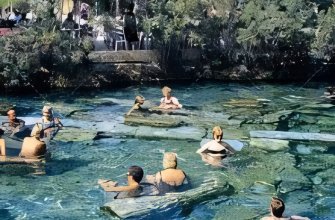
Right at the heart of the ancient site sits the famous Antique Pool, also known as Cleopatra’s Pool. According to local legend, Mark Antony presented the pool to Cleopatra as a gift. The warm 36-degree mineral water fills a sunken garden scattered with fluted Roman columns and carved marble blocks that fell from a nearby temple during an earthquake. Swimming among 2,000-year-old ruins on the bottom of the pool is one of the strangest and most memorable experiences in Turkey. There is a separate entry fee of around 15 euros for swimming, which you can pay at the gate inside the main archaeological zone.
Hierapolis Archaeological Museum
The Hierapolis Archaeological Museum sits inside the restored Roman baths near the centre of the ancient city and houses some of the best finds from the local excavations. The collection includes marble sarcophagi, statues of Roman gods and emperors, jewellery, coins and everyday objects from daily life in the ancient city. The museum opens daily, with hours that typically run from 8:00 to 19:00 in summer and 8:00 to 17:00 in winter.
Karahayit and the Red Springs
About 5 km north of Pamukkale lies the small village of Karahayit, where iron-rich hot springs have created a different kind of natural wonder: red, orange and ochre-coloured terraces and pools, the opposite of the white travertines of Pamukkale. Several thermal hotels in Karahayit offer pools filled with the same mineral-rich water, and the village makes a relaxing alternative base for travellers who want to combine the famous sights with quieter spa days.
Other Things to Do in the Area
Hot Air Ballooning Over Pamukkale
One of the most popular ways to see the travertines and the ruins of Hierapolis is from the basket of a hot air balloon at sunrise. Several local operators run morning flights that take off from the plain below the white terraces and drift over the ruins, the cotton castle and the surrounding countryside. The experience is shorter and less famous than ballooning in Cappadocia but considerably cheaper and rarely fully booked.
Paragliding
Tandem paragliding flights launch from the cliff above Hierapolis and offer one of the most spectacular ways to see the travertines from above without the early start of a balloon flight.
Laodicea on the Lycus
The vast ruins of Laodicea, one of the seven churches of Asia mentioned in the Book of Revelation, lie about 10 km from Pamukkale and have been undergoing major excavation and restoration for the past two decades. The site holds two Roman theatres, ancient stadium ruins, an early Christian basilica with stunning mosaic floors and a network of paved streets lined with reconstructed columns. Laodicea is far less crowded than Pamukkale itself and rewards an unhurried half-day visit.
Aphrodisias
About 100 km west of Pamukkale lies the spectacular ancient city of Aphrodisias, dedicated to the goddess Aphrodite and famous for its stunning marble sculptures, well-preserved stadium and the temple of Aphrodite herself. The site is a UNESCO World Heritage location and one of the finest ancient cities in Turkey, although the long drive makes it a serious day trip rather than a casual side visit.
Where to Stay in Pamukkale
Pamukkale village depends heavily on tourism, so there is no shortage of hotels, guesthouses and small family-run pensions, most of them locally owned and surprisingly affordable by European standards. Many of the hotels have swimming pools filled with the same mineral water that flows down the travertines, and guests can swim in the warm therapeutic water as part of their stay. Several thermal resort hotels in nearby Karahayit offer larger spa facilities for travellers looking for a more pampering experience.
For sunset and sunrise views over the white terraces, choose a hotel on the western side of the village, since the best photographs of Pamukkale come at the very start and end of the day when the soft light turns the calcium deposits gold and pink.
Local Food and Drink
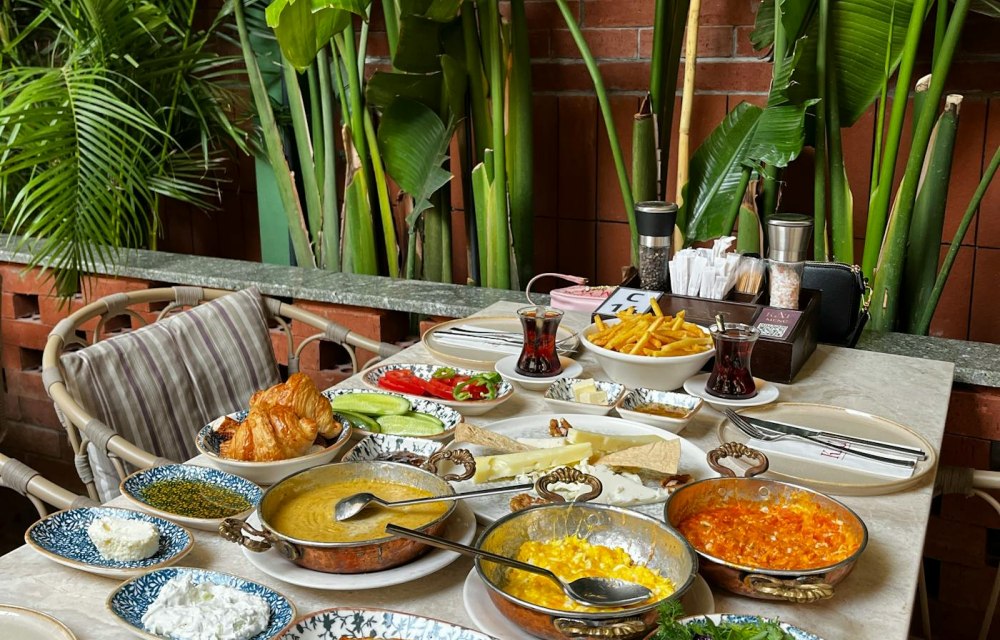
Pamukkale village is full of small restaurants serving classic Turkish dishes, from grilled meat skewers and lamb stews to fresh village salads, mezze plates, gozleme (savoury filled flatbreads) and the famous Turkish breakfast of cheeses, olives, eggs, honey and warm bread. Try the local specialities of the Aegean region, including stuffed vine leaves, seasonal vegetables cooked in olive oil and the locally produced wines. Pomegranate juice is sold from stalls along the main street and makes a refreshing drink on a hot day.
The Best Time to Visit Pamukkale
The shoulder seasons of April through early June and September through October offer the most pleasant weather for visiting, with mild temperatures, blue skies and the lowest crowds. Summers can be very hot, with daytime highs above 35 degrees Celsius and large groups of day-trippers from the coastal resorts. Winter brings cooler weather, occasional snow on the surrounding hills and a strange beauty to the white terraces, but some of the smaller pensions in the village close for the season.
Whatever the time of year, the very best moments at Pamukkale come at the edges of the day. Sunrise and sunset transform the white terraces into glowing pink and gold, and the contrast with the blue mineral pools creates the kind of light that no photograph can fully capture. Staying overnight in the village is the only way to catch these moments, since the day-trip buses always arrive after the morning glow has faded and leave before the evening one begins.
Practical Tips for Visiting Pamukkale
- Wear or bring a swimsuit. Whether you plan to swim in Cleopatra’s Pool, dip into the open travertine pools or use your hotel’s mineral water pool, a swimsuit makes the day far more enjoyable.
- Bring a small bag for your shoes. Walking the central path on the travertines barefoot is mandatory, and you will need somewhere to carry your shoes during the climb.
- Use sun protection. The white surface of the travertines reflects the sunlight intensely, so a hat, sunglasses and high-SPF sunscreen are essential.
- Carry water. The full circuit of Hierapolis and the travertines covers several kilometres in the open sun.
- Avoid the busiest hours. Day-trip buses fill the site between roughly 11:00 and 16:00. Visit early in the morning or late in the afternoon for fewer crowds and better light.
- Respect the conservation rules. Do not step off the marked path, and do not bring food or drinks onto the white surface.
- Currency. Turkish lira (TRY). Major sites accept cards and euros, but smaller restaurants and shops usually prefer cash.
- Language. Turkish is the official language. English is widely spoken in tourist areas around the village and at the main attractions.
- Visa. Most European, North American and Commonwealth visitors do not need a visa for short stays in Turkey. Check the current requirements before booking.
Final Thoughts
Pamukkale combines two of the most extraordinary attractions in Turkey in a single compact area: the otherworldly white travertine terraces and the vast ruins of an ancient Roman spa city. Spend a quiet morning walking barefoot through warm mineral water as the sun rises, swim among the fallen marble columns of Cleopatra’s Pool at midday, climb to the top of the ancient theatre in the cool of the late afternoon and watch the entire white hillside glow pink and gold at sunset. Stay overnight in the village so you can catch both ends of the day, and Pamukkale becomes one of those rare places that lives up to every photograph and still surprises you.