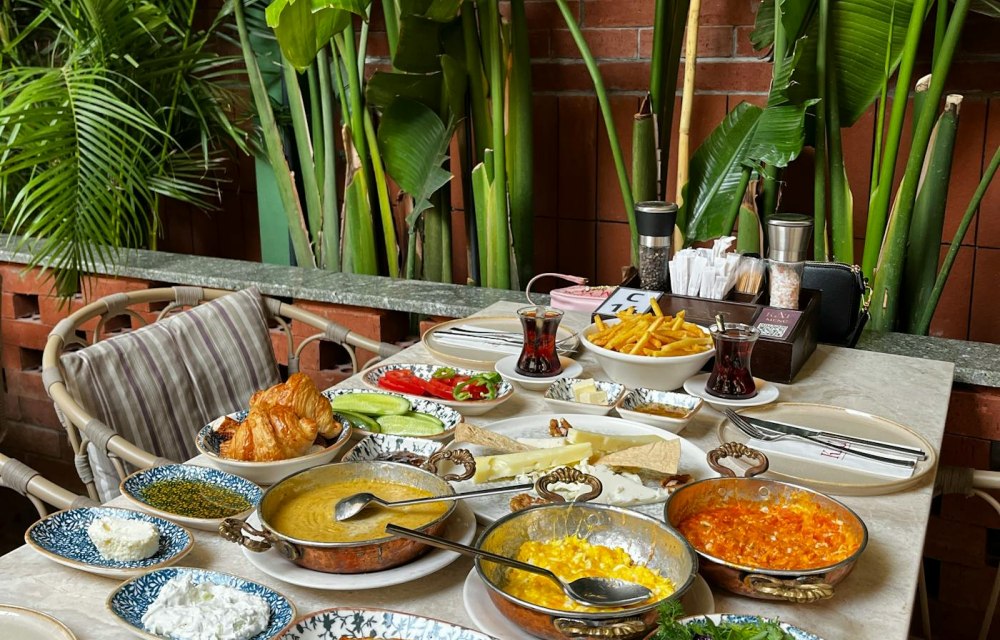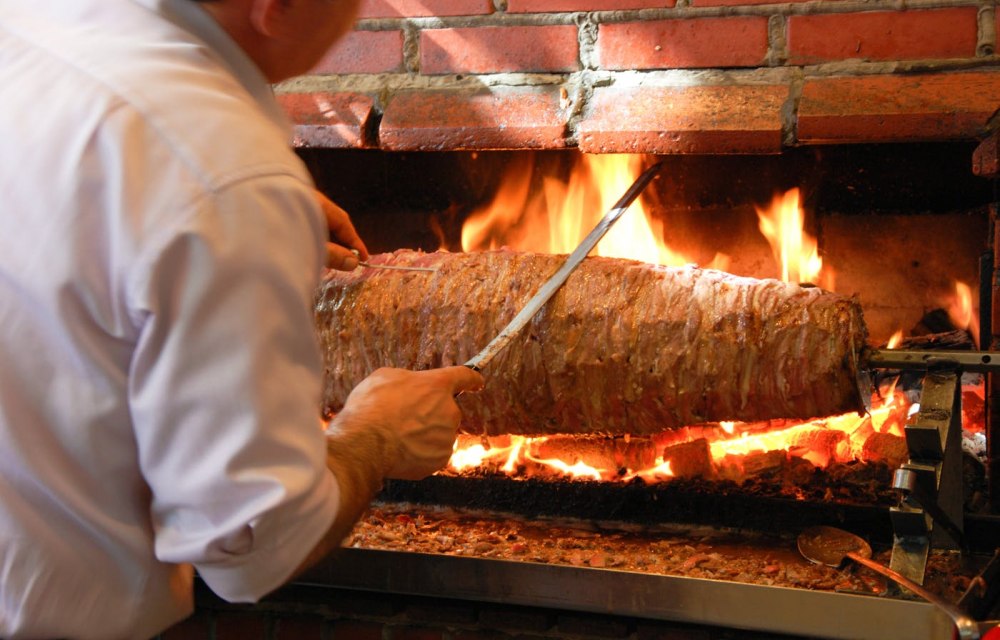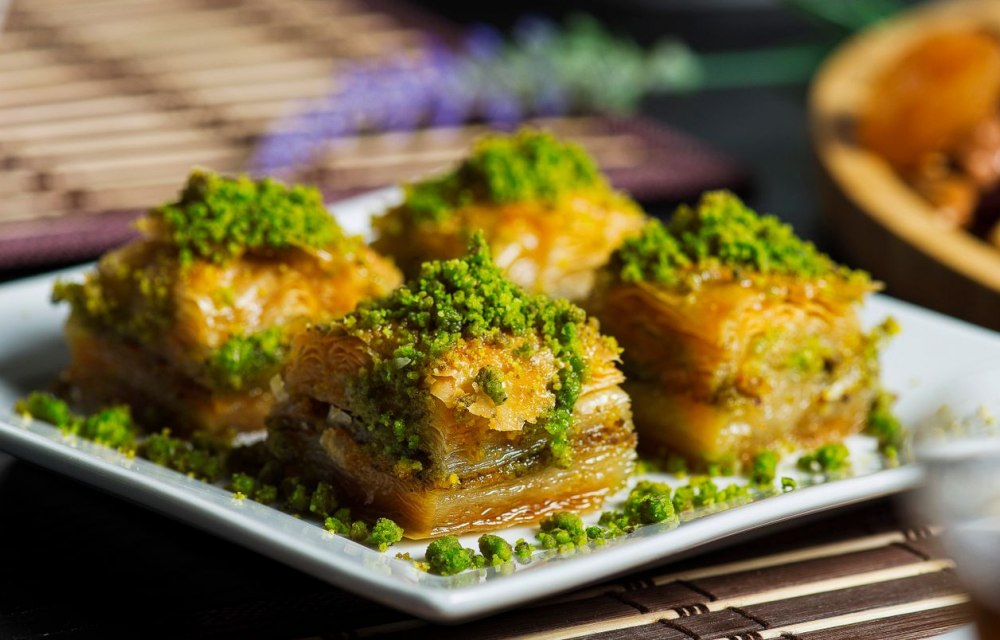
If there is a single thing that captures how Turks like to eat, it is the meze table: a spread of small cold and hot dishes set out for sharing, picked at slowly over conversation and, very often, a glass of rakı. Meze are not a starter to be cleared before the main event. In a Turkish meyhane, the tavern built around them, they are the event, a meal that unfolds plate by plate across a whole evening.
This guide covers what meze are, the cold and hot classics worth knowing, the rakı table they belong to, and a simple one to make at home. It sits within our wider guide to Turkish cuisine.
What Meze Is
The word meze comes from the Persian for a taste or a relish, and that is exactly the idea: many small tastes rather than one large plate. A meze meal is brought out in waves, the cold dishes first and the hot ones after, each shared from the middle of the table with bread and forks reaching in from every side. The pace is deliberately slow, because the point is as much the talk and the company as the food.
The natural home of meze is the meyhane, the traditional tavern where rakı and meze are served together. There, a waiter often carries a tray of the day’s cold meze to the table so you can choose by eye, and the evening is paced by the ordering of the next round of hot dishes. The same spread, scaled down, appears at home whenever guests come.
Eating meze has its own gentle etiquette. You take a little from each shared plate rather than claiming one for yourself, you pace the cold dishes to leave room for the hot ones to come, and you let the meal stretch. There is no rush to a main course, and on many nights the meze simply keep arriving until no one wants any more. The cook is wished afiyet olsun, may it do you good, and the table is in no hurry to end.
The Cold Meze
The cold meze lean on yogurt, olive oil and vegetables, and they are where the table begins:
- Haydari: thick strained yogurt beaten with garlic, herbs and sometimes walnut, the creamy anchor of the table.
- Cacık: a looser, cooler mix of yogurt, cucumber, garlic and mint, close to a dip and a soup at once.
- Patlıcan salatası: smoked aubergine mashed smooth, sharp with lemon, the dish that shows off Turkey’s love of the charred aubergine.
- Şakşuka: fried aubergine, courgette and pepper in a garlicky tomato sauce, served cool.
- Ezme: a finely chopped salad of tomato, pepper, onion and herbs, often fierce with chilli in its acılı ezme form.
- Fava: a set purée of dried broad beans dressed with olive oil and lemon and cut into slices.
- Yaprak sarma: vine leaves rolled around spiced rice and pine nuts, cooked in olive oil and eaten cold.
- Kısır: a fine bulgur salad worked with tomato paste, pepper and herbs, the Turkish cousin of tabbouleh.
- Barbunya pilaki: borlotti beans stewed soft in olive oil with carrot and tomato, served cold.
- Muhammara: a deep red paste of roasted pepper, walnut and pomegranate molasses from the southeast, built for scooping.
- Atom and semizotu: the chilli-spiked yogurt atom, and purslane folded through garlic yogurt, two more of the yogurt family.
- Rus salatası and lakerda: the creamy potato Russian salad and the salt-cured bonito lakerda, the cool end of the cold table.
- Çiğ köfte: a spiced, raw-looking paste of fine bulgur, pepper and herbs, now almost always meatless, kneaded by hand and eaten wrapped in lettuce with lemon.
The Hot Meze
After the cold plates come the ara sıcak, the hot meze, fried or grilled and brought out in their own round:
- Sigara böreği: crisp cigar-shaped pastry rolls filled with white cheese and parsley.
- İçli köfte: a bulgur shell stuffed with spiced minced lamb and walnut, deep-fried, the Turkish kibbeh.
- Midye dolma and midye tava: mussels stuffed with spiced rice and squeezed with lemon, or battered and fried on skewers.
- Arnavut ciğeri: the Albanian liver, cubes of lamb’s liver floured and fried, served with raw onion and sumac.
- Kalamar and karides güveç: fried squid rings and a small clay pot of shrimp baked in tomato and cheese.
- Paçanga böreği: pastry rolled around cured pastırma and cheese, fried until crisp.
- Mücver: little fritters of grated courgette, herbs and cheese, fried and served with yogurt.
- Grilled hellim: slices of the firm cheese seared until they squeak, a simple hot plate with a squeeze of lemon.
By the time the hot plates arrive the table is well into its stride, and they are ordered a few at a time rather than all at once, so the kitchen sends them out warm and the eating never quite stops.
The Rakı Table
Meze find their full meaning at the rakı sofrası, the rakı table. Rakı, the aniseed spirit Turks call lion’s milk for the way it clouds white when water is added, is sipped slowly through the whole meal rather than drunk before it. Its classic partners are the simplest of all meze, a plate of white cheese and slices of cold melon, whose saltiness and sweetness offset the spirit. The table is a social institution with its own rhythm, the glasses raised with a quiet şerefe, to your honour, and no one in any hurry to reach a main course that may never really come. In the old meyhanes of Istanbul the evening was carried by fasıl, live players moving from table to table, and even without music the ritual keeps that same unhurried, companionable shape.
Regional Meze
The meze table changes as you cross the country. The southeast, around Gaziantep and Hatay, sets out the widest spreads of all, heavy with red pepper, pomegranate molasses, walnut and the spice pastes of the Arab border. The Aegean answers with its herb meze, plates of wild greens, samphire and the foraged ot dressed in olive oil and lemon that taste of the hillsides. The Black Sea brings anchovy and its stretchy cheese into the mix, while the cities of the west keep the classic meyhane repertoire. Wherever you are, the meze are the clearest expression of the local larder, and ordering them is the quickest way to eat what is in season.
Make Haydari at Home
Haydari is the easiest meze to start with and needs no cooking. Strain a tub of thick yogurt through muslin for an hour or two to firm it up, then beat in a clove or two of crushed garlic, a handful of chopped dill and mint, a spoon of olive oil and a little crushed walnut, with salt to taste. Spread it on a plate, pool a little more oil on top and dust it with dried mint or red pepper. Serve it cool with warm Turkish bread to scoop, as the first plate of a longer spread. It keeps for a day or two covered in the fridge and only improves as the garlic settles into the yogurt.
Frequently Asked Questions
What is Turkish meze?
Meze are small cold and hot dishes served for sharing at the start of and throughout a Turkish meal, picked at slowly with bread and often alongside rakı. They range from yogurt and aubergine dips to fried pastries, stuffed mussels and fried liver, and a table of them can make a meal in itself.
Is Turkish meze vegetarian?
Many of the cold meze are, including haydari, cacık, smoked aubergine, şakşuka, ezme, fava and stuffed vine leaves, which makes a meze table one of the easiest ways for vegetarians to eat well in Turkey. The hot meze and seafood plates add meat and fish for those who want them.
What is served with rakı?
The classic rakı meze is a plate of white cheese with slices of cold melon, but the spirit is drunk through a whole spread of cold and hot meze. Rakı is sipped slowly with water and ice rather than downed, and the meal is paced to last the evening.
What is the difference between cold and hot meze?
Cold meze, the yogurt, olive-oil and vegetable dishes, are brought out first and eaten at room temperature. Hot meze, the ara sıcak, are fried or grilled dishes such as börek, stuffed mussels and liver, ordered in a later round once the cold plates are under way.
Sources and Further Reading
- Go Türkiye Gastronomy – the official tourism portal on Turkish food and the meze and meyhane tradition
- Meze – a reference overview of the small-plate tradition across the eastern Mediterranean
- Meyhane – the history of the Turkish tavern built around meze and rakı