African cultures are often forced into one of two false pictures: a frozen tradition of villages and masks, or a continent simply turning Western. Neither holds. For thousands of years African societies have absorbed new religions, technologies, crops and languages and made them their own, keeping a recognisable core while changing the surface. The colonial century and the rush to the cities sped that process up, but did not break it. This guide looks at what actually changes in African cultures and what endures, across religion, family, the city, language, the arts and the law.
The colonial rupture and what survived it
The clearest break in modern African history was the colonial period, which redrew the continent and reordered daily life within a few generations.
- What changed: European powers imposed new borders that cut across peoples, installed their languages in government and school, spread Christianity, and bent local economies toward cash crops and mineral exports.
- What held: kinship systems, indigenous languages, religious belief, music, food and the authority of traditional rulers survived underneath the colonial state, often by adapting rather than resisting head-on.
- The independence generation: the states that emerged from the 1950s and 1960s kept the colonial borders and official languages while reaching back for African names, dress and symbols to build a national identity.
Religion: layered, not replaced
Religion is the clearest case of African cultures absorbing the new without discarding the old. Christianity and Islam both spread widely, but rarely erased what came before.
Across the continent, indigenous beliefs in ancestors, spirits and a creator God blend with the world religions rather than vanishing under them. A family may attend church or mosque and still pour libations to ancestors, consult a diviner in illness, or mark a birth and a death with rites far older than either faith. African-initiated churches fold drumming, dance and prophecy into Christian worship, and Sufi brotherhoods give Islam a distinctly African shape in the Sahel. The result is a religious life that is genuinely double-rooted.
Belief, divination and the unseen
Underneath the world religions runs a deep layer of indigenous belief that has proved remarkably durable, and it travelled far beyond the continent.
- Ancestors and a creator: most African traditions hold that the dead remain present and must be honoured, standing between the living and a distant creator God, which is why libations, shrines and burial rites carry such weight.
- Divination: systems for reading the future and diagnosing trouble, above all the Yoruba Ifa system with its trained babalawo priests, are so important that Ifa is recognised by UNESCO as intangible heritage.
- Spirit and healing: possession cults such as Vodun in Benin and Bori in Hausa country, and the work of healers and herbalists, address sickness and misfortune in ways the clinic does not replace.
- Carried across the ocean: enslaved Africans took these beliefs to the Americas, where they survive as Vodou in Haiti, Santeria in Cuba and Candomble in Brazil, proof of how tightly culture clings to faith.
Family and the meaning of community
If one thing anchors African cultures through every change, it is the weight given to family and community over the individual.
- The extended family: kinship reaches far beyond parents and children to a wide web of relatives with real obligations, the first source of support, identity and security.
- A shared ethic: the southern African idea of ubuntu, that a person is a person through other people, names a value found across the continent, where standing is measured by how one treats the group.
- Stretched, not snapped: city life, migration and money pull at these ties, yet they bend rather than break. Urban workers send remittances home, return for funerals, and keep village links alive across long distances.
Rites of passage and the life cycle
The great moments of a life are marked by ceremony, and these rites are among the strongest continuities of all, adapting their trappings while keeping their meaning.
- Naming: a new child is welcomed with a naming ceremony days after birth, the name often carrying the circumstances of the birth or a prayer for the child.
- Coming of age: initiation rites and age-grade systems move the young into adulthood together, from the Maasai passage into warrior status to the initiation schools of southern and central Africa.
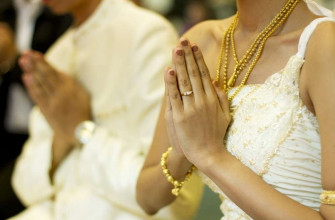
- Marriage and bride wealth: marriage joins two families, not just two people, sealed by the transfer of bride wealth, the lobola of southern Africa, still negotiated today even among urban professionals.
- Death: the funeral is often the largest and most expensive event a family holds, a duty to the departing ancestor that city migrants travel home for at almost any cost.
The village and the city
Africa is urbanising faster than anywhere on earth, and the city is where continuity and change meet most visibly.
Tens of millions move to growing cities each decade, yet they rarely cut the rural cord. People keep land and family in their home villages, return for ceremonies and burials, and route money and influence back and forth. New urban cultures form in the mix, with their own slang, music and fashion, but they carry village values into the high-rise. The city does not replace the village so much as add a second home to it.
Tradition in modern dress
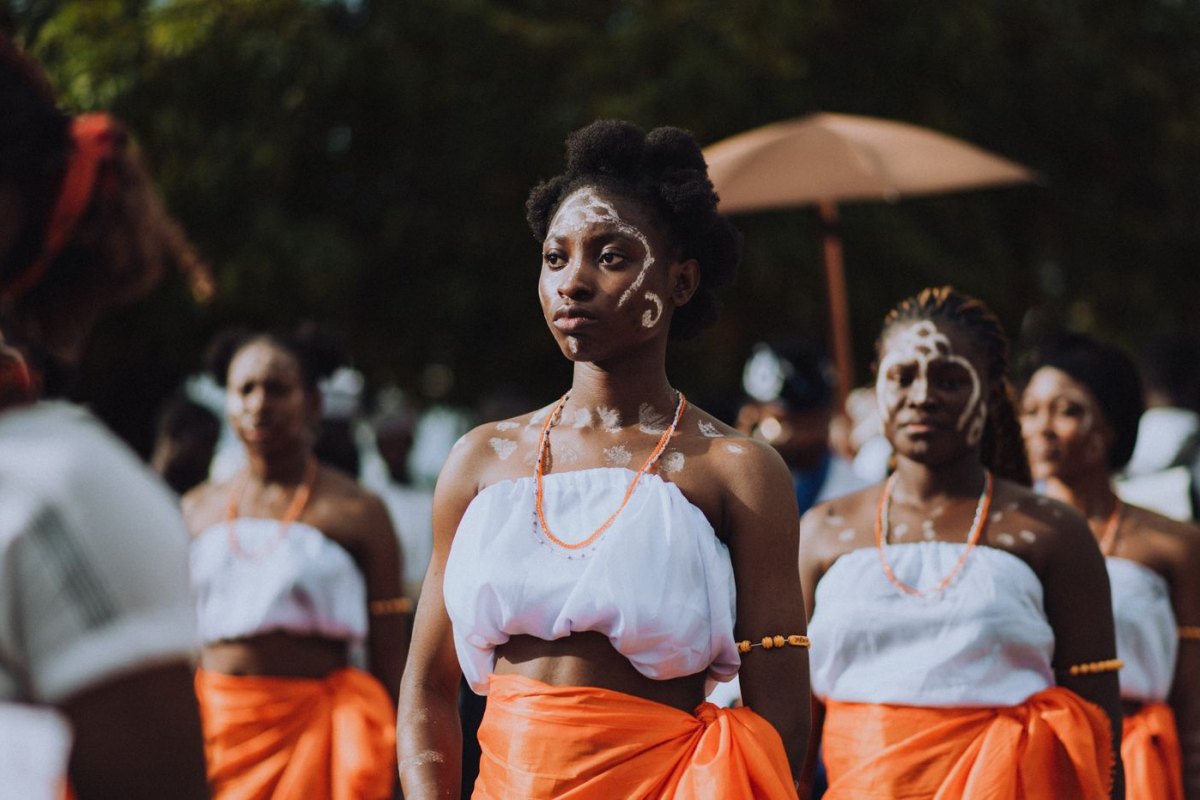
Tradition in Africa is not a museum piece. It adapts, takes on new materials and reaches new audiences, often through the very technologies meant to displace it.
- Cloth and style: bright wax-print Ankara cloth, itself a product of global trade, has become a marker of African identity worn from village weddings to international runways.
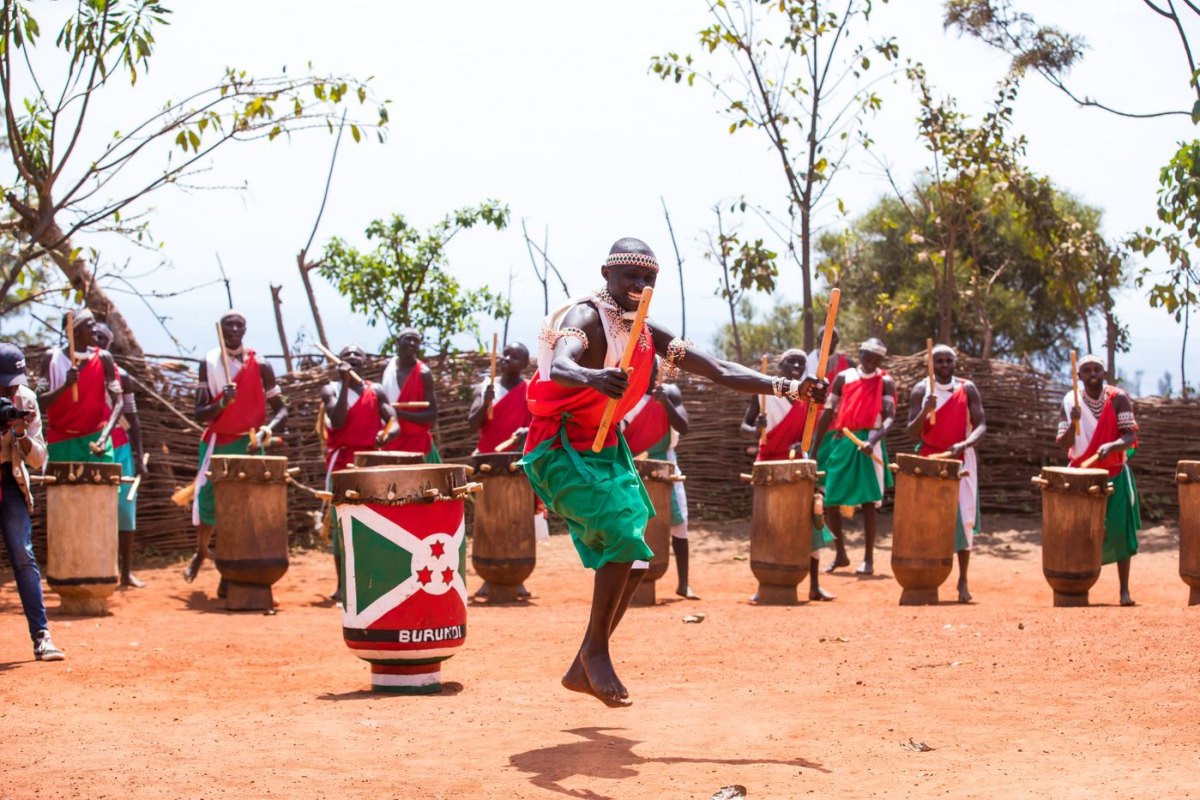
- Music: Afrobeats and other genres fuse indigenous rhythm with global pop and now top charts worldwide, carrying African languages and sensibilities to a vast new audience.
- Ceremony: weddings, naming rites and funerals stay central but absorb new elements, from printed invitations to social-media livestreams, without losing their meaning.
- The arts: mask, sculpture and textile traditions feed a thriving contemporary scene, a thread followed in our guide to African art through the ages.
Chiefs, states and customary law
The most striking continuity of all is political. Traditional authority did not disappear with the modern state; the two coexist.
Across much of the continent, chiefs, kings and councils of elders still hold real influence over land, marriage, local disputes and ceremony, working alongside elected governments and courts. Many countries give customary law a formal place beside statute law, especially in matters of land and family. A modern African nation often runs on two legal and political systems at once, the inherited and the colonial-modern, negotiated case by case.
Food, farming and the everyday table
Nothing shows the absorb-and-keep pattern better than the African table. The staples differ by region but the habits around them run deep.
- The staples: maize, cassava, yam, plantain, millet, sorghum, rice and teff anchor regional cuisines, pounded or simmered into the thick starch that carries a sauce or stew.
- Borrowed and made local: maize and cassava both arrived from the Americas through the trade of past centuries and became African staples so completely that few now think of them as foreign.
- Eating as community: sharing from a common bowl, feeding guests first and treating hospitality as a duty all carry the communal ethic into daily life, in the city flat as much as the village compound.
The young and the diaspora
Africa is the youngest continent, with a median age under twenty, and its young people are reshaping its cultures while exporting them.
A generation raised on mobile phones and social media moves fluidly between local tradition and global culture, and it has turned African creativity into a worldwide force, from Nigerian Nollywood film to Afrobeats and Amapiano music. The large African diaspora pushes the exchange both ways, sending home money, ideas and styles while carrying African culture into cities across Europe, the Americas and the Gulf. Far from diluting the culture, this reach has given it new confidence and a global stage.
Language as the carrier of culture
Culture travels in language, and Africa’s deep multilingualism is itself a form of continuity. Most people hold a mother tongue, a regional lingua franca and an official language at once, switching between them through the day.
The small languages carry the oldest knowledge, the proverbs, praise poetry and oral history that hold a community’s memory, and their loss is the loss of a worldview. The growth of mother-tongue education, radio and African-language publishing works to keep them alive. The fuller picture of this diversity runs through our guide to the language families of Africa.
What stays and what shifts
Step back and a clear pattern emerges from all of this. The surface of African life changes fast, while the deep structure holds.
What shifts is the visible layer: the clothes, the technology, the languages of school and work, the size and shape of the city. What stays is the framework underneath, the priority of family over the individual, the obligation to community, the presence of ancestors and faith, the authority of elders, and the sense that a person is made by their relationships. African cultures are not caught between tradition and modernity so much as they are skilled at holding both, taking what works from the wider world and binding it to a core that has proved remarkably durable. That balancing act, repeated in millions of households every day, is the real story of continuity and change on the continent.
Frequently Asked Questions
Are African cultures traditional or modern?
Both at once. African societies keep strong continuities in family, religion, language and authority while constantly adopting new technologies, faiths and styles. The common pattern is layering, adding the new on top of the old rather than replacing it, so a person can be fully modern and fully rooted in tradition.
How did colonialism change African cultures?
Colonial rule imposed new borders, languages, religions and cash-crop economies within a few generations. It reshaped government, schooling and trade, but kinship systems, indigenous languages, belief and traditional authority survived underneath it, usually by adapting rather than disappearing.
What is ubuntu?
Ubuntu is a southern African concept often translated as a person is a person through other people. It expresses a value found widely across the continent, that identity and worth come from one’s relationships and treatment of the community rather than from the individual alone.
Do traditional rulers still matter in Africa?
Yes. Chiefs, kings and elders’ councils still hold real authority over land, marriage, local disputes and ceremony in much of Africa, working alongside elected governments. Many countries recognise customary law beside statute law, particularly for land and family matters.
Is urbanisation ending traditional African culture?
It is changing it, not ending it. City dwellers keep ties to their home villages, return for ceremonies, send money back and carry rural values into urban life. New city cultures form in the mix, but they extend tradition rather than erase it.
Sources and Further Reading
- African Union, culture and heritage
- UNESCO, culture in Africa
- Encyclopaedia Britannica, African cultural traditions
- Smithsonian Magazine, Africa coverage