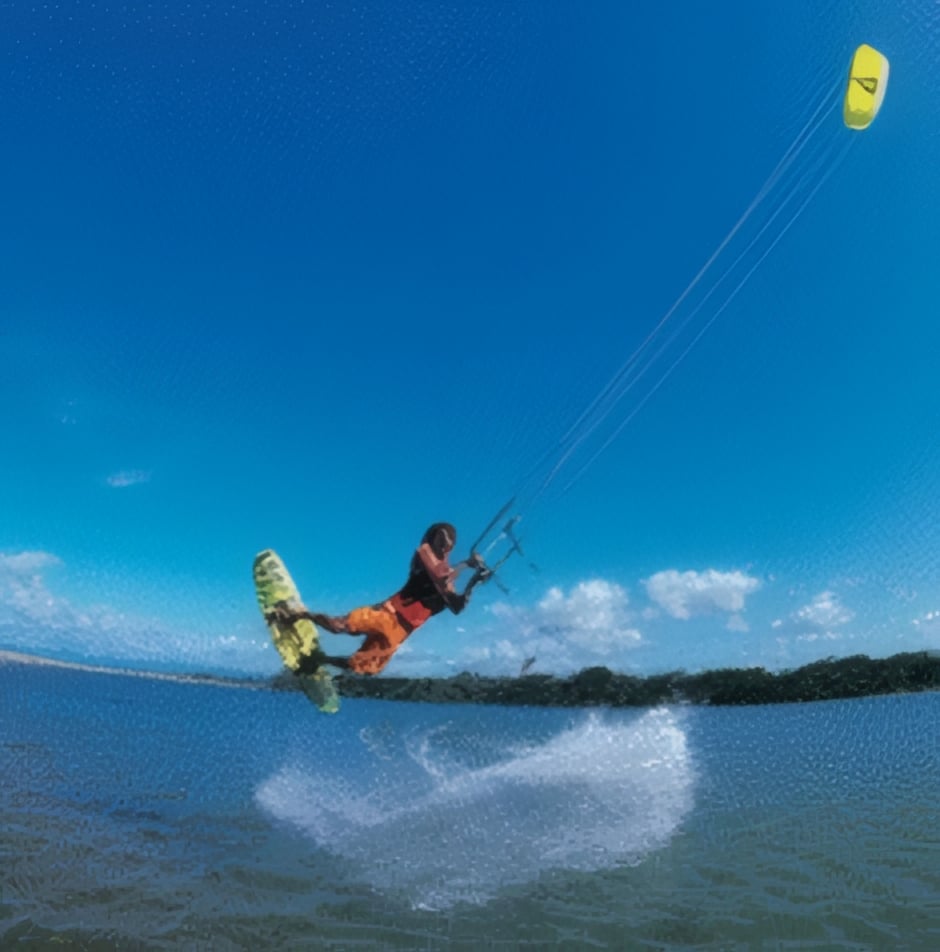
Kite boarding in Nassau works best in winter, when cold fronts drop steady trade winds across the flats, and it rewards honesty about what the island is and is not. Nassau is a transit hub rather than a dedicated kite destination, and the serious sandbar riding sits further out in the Exuma chain. For a visitor staying on New Providence, though, the sheltered eastern bays and the right season can still give a good day on the water. This guide covers the wind, the spots, the gear and the realistic plan, including the cruise-day truth.
Kiteboarding needs a clean, steady wind and open water with room to launch and land. The Bahamas has the wind for much of the year, but the where and the when matter more here than at a purpose-built kite resort, so it pays to set expectations before you pack a kite.
The Wind and the Best Season
The kiteable season in Nassau runs through the cooler months. From around November to April, Atlantic cold fronts and the winter trade winds bring the most consistent breeze, typically in the rideable band for a twin-tip and an inflatable kite, with the steadiest spells in midwinter.
- November to April: the prime window, with northeast and north winds behind passing fronts, cooler air and the most reliable strength for planing.
- May to October: lighter and less predictable, with the wind often too soft to ride and the weather turning to summer storms, so this is the off-season for kiting.
- Reading the forecast: a front arriving over the Bahamas usually means a day or two of solid wind, so kite travellers here watch the fronts rather than the calendar.
In practical terms a twin-tip and an inflatable kite need a wind of roughly twelve knots before they will plane, with the comfortable freeride range sitting in the mid-teens to low twenties. The winter fronts that cross the Bahamas tend to land in exactly that band, which is why the season and the wind line up. Gusts behind a strong front can push past that range, so a rider sizes the kite down on the windiest days.
A useful rule is that beginners want a steady mid-strength wind and open space, both of which favour the sheltered flats over the open Atlantic side of the island.
Where to Kite Around Nassau
New Providence does not market itself as a kite spot, so there is no lined-up beach of schools and rental racks. The riding happens at a handful of shallow, wind-exposed bays that locals know.
- The eastern bays: the sheltered water along the Eastern Road and around Montagu Bay catches the northeast wind with limited Atlantic swell, the kind of flat, shallow setting that suits learning and freeriding.
- The southwestern shallows: broad sand flats on the island’s southwest shore get good trade-wind exposure and lower swell, away from the busy north coast.
- Open beaches with caution: the long north-shore beaches can get wind but also boat traffic, swimmers and gusty conditions off the buildings, so they are less forgiving for a kite.
Because the infrastructure is thin, riders who are not bringing their own gear should arrange equipment and a launch spot in advance rather than expecting to hire on the beach.
The Honest Cruise-Day Verdict
For a cruise passenger with six to eight hours in port, kiteboarding is a stretch. The wind has to be working on the day, you need time to reach a launch spot, rig, ride and pack down, and there is no margin if the breeze is light. A snorkel trip or a beach is a safer use of a port day.
If kiting is the whole point of the trip, plan to stay several nights so you can wait for a windy day, or treat Nassau as a base and head out to the better sandbars in the Exuma cays, which is where Bahamian kiteboarding really comes into its own.
The Wider Bahamas Kite Scene
It helps to see Nassau in context. The Bahamas is a genuine kite destination, but the famous riding is on the out-islands rather than the capital.
- The Exuma cays: shallow sandbars and turquoise flats that drain and fill with the tide give huge, flat, waist-deep riding areas, the classic Bahamian kite image.
- Long Island and the southern cays: steady trades and empty water draw kite travellers who want space and consistency.
- Nassau’s role: the international airport and the ferries make New Providence the arrival point, from which riders connect on to the out-islands.
Seen this way, a day of kiting on New Providence is a bonus when the wind cooperates, while a kite-focused trip points you onward to the cays.
Gear, Lessons and Getting Set Up
Because New Providence is not a built-up kite centre, the practical side needs more thought here than at a kite resort with a school on the beach.
- Bringing your own kit: experienced riders travelling with a board and a quiver of kites have the most freedom, since they are not tied to thin local rental stock. A mid-size kite covers the usual winter trade strength, with a larger one for the lighter days.
- Lessons: learn-to-kite courses are better arranged on the out-islands or before the trip, as Nassau lacks the lined-up schools of a dedicated kite spot. Arriving as a complete beginner expecting a walk-up lesson is the wrong plan.
- Launching: you need clean space upwind and downwind to launch and land safely, which rules out the crowded resort beaches and points you to the quieter eastern and southwestern flats.
- Conditions check: confirm the wind is cross-shore and within your range on the day, and have a fallback plan for a port stop or a beach day if it is light.
The riders who enjoy New Providence most are self-sufficient freeriders who bring their own gear, watch the fronts, and treat a good wind day as a welcome bonus rather than a guarantee.
Staying Safe on the Water
Kiteboarding carries real risk, and an unfamiliar coast adds to it, so a few basics matter more here.
- Mind the wind direction: cross-shore and cross-onshore wind is safest, while straight offshore wind can blow a rider out to sea and should be avoided.
- Check depth and hazards: the flats are shallow and forgiving, but coral heads, boat channels and swimmers are not, so scout a spot before launching.
- Ride within your level: strong gusts behind a front can overpower a beginner, so size the kite to the day and sit out the squalls.
- Tell someone: with little organised cover on the beach, let someone know where and how long you are riding.
For water activities that fit a port day more easily, see our guide to snorkelling sites around Nassau, the calm-water paddling in our guide to kayaking the Nassau mangroves, and the wider things to do in Nassau.
Frequently Asked Questions
Is Nassau good for kiteboarding?
Nassau is an arrival hub rather than a top kite spot. It has rideable wind in winter and sheltered eastern bays that suit learning and freeriding, but the standout Bahamian kiteboarding is on the Exuma and Long Island sandbars, where the flats are bigger and the wind more consistent.
When is the best time to kiteboard in the Bahamas?
The cooler months from November to April bring the steadiest wind, driven by Atlantic cold fronts and the winter trades. Summer is lighter and less reliable, with the breeze often too soft to ride and a higher chance of storms.
Can you kiteboard in Nassau on a cruise day?
It is difficult. A port day is too short to wait out light wind, reach a launch, rig, ride and pack down with no margin. Unless the wind is clearly working when you dock, a snorkel trip or a beach is a more reliable choice, and a kite-focused trip is better as a multi-night stay.
Where do you kite near Nassau?
The sheltered eastern bays around the Eastern Road and Montagu Bay, and the shallow flats on the southwest shore, catch the trade wind with limited swell. Infrastructure is thin, so arrange gear and a launch spot in advance rather than expecting beach rentals.
Do you need your own gear to kiteboard in Nassau?
For the most part, yes. New Providence has little organised rental compared with a dedicated kite spot, so experienced riders who bring their own board and kites have the most freedom. Anyone hoping to hire on the beach or take a walk-up lesson is better served on the out-islands or by arranging equipment well before the trip.
Sources and Further Reading
- Bahamas Ministry of Tourism – the official guide to water sports and conditions across the islands
- Nassau Paradise Island – the official destination guide for New Providence water activities
- The Exumas – the official guide to the out-island sandbars where Bahamian kiteboarding centres