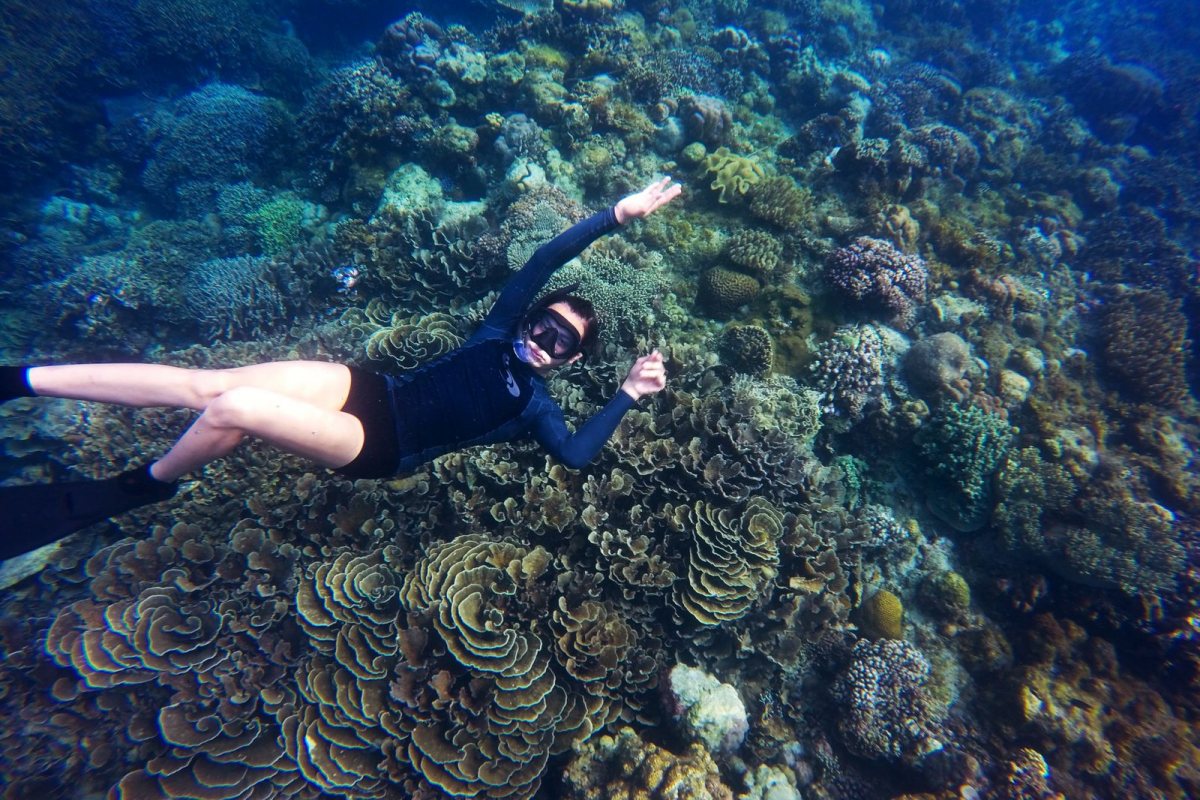
Snorkeling in Nassau puts you over coral gardens, two film-set shipwrecks and a five-metre statue resting on the seabed within a short boat ride of the cruise dock. The water off New Providence holds some of the clearest reefs in the northern Bahamas, and the mix of shallow coral, sunken wrecks and one giant underwater sculpture makes it more varied than the average beach swim. This guide covers the named sites worth the trip, the famous wreck reefs, the best season, and how to snorkel without harming the coral.
Most of the good snorkelling sits off the western and northern shores of the island, reached on a half-day boat trip. A few reefs lie close enough to swim from the beach, but the standout sites need a boat, and the operators who run them know exactly where the fish gather.
Ocean Atlas: A Statue on the Seabed
The single most distinctive thing to snorkel over in Nassau is Ocean Atlas, a sculpture of a young Bahamian girl appearing to hold up the ocean, lying in shallow water off the western coast of New Providence. The work by the sculptor Jason deCaires Taylor stands around five metres tall and weighs roughly sixty tonnes, which made it the largest single underwater statue in the world when it was lowered into place.
It is more than an art piece. Cast from marine-grade materials, the statue is designed to grow coral and act as an artificial reef, drawing snorkellers away from fragile natural reefs nearby. It sits in only a few metres of water as part of the Sir Nicholas Nuttall Coral Reef Sculpture Garden, so you can free-dive down to it easily, and the surrounding sculpture garden adds more figures to circle on the same stop.
The James Bond Wreck Reefs
Off Nassau’s western reefs lie wrecks that doubled as film sets, and the coral has since colonised them into living reef. The dive operator Stuart Cove’s, which has supplied underwater filming for several productions, runs trips out to them.
- The Vulcan bomber wreck: a mock aircraft frame built for the James Bond film Thunderball, now a skeletal reef draped in coral, sitting in water shallow enough that snorkellers can look down on it on a calm, clear day.
- The Tears of Allah wreck: a freighter sunk for the Bond film Never Say Never Again, sitting deeper as a dive site, with the upper structure visible from the surface in good conditions.
- The reef around them: the wrecks anchor a busy reef of grunts, snapper and sergeant majors, and the area is a regular stop on combined snorkel-and-dive boats.
The deeper wrecks are properly dive sites rather than snorkel sites, so if a wreck is your goal, check whether the trip is snorkel-depth or scuba before booking.
Reefs and Beaches for Snorkelling
Beyond the headline sites, Nassau has a string of reliable reefs, some reachable from shore.
- Goulding Cay and Love Beach: on the western tip, elkhorn coral close to shore in shallow water, used as a film location and one of the few genuine swim-from-the-beach reefs.
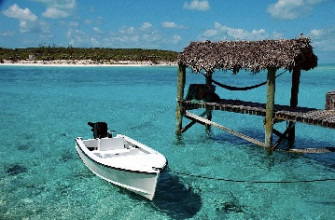
- Rose Island reefs: a chain of coral gardens off the island east of Nassau, reached by boat, with calm shallow water, resident sea turtles and the day-trip beach club at Sandy Toes.
- The Sea Gardens: shallow coral patches off Paradise Island, an easy beginner reef on the sheltered side.
- Stuart Cove’s shark snorkel: a guided surface snorkel above a feeding station where Caribbean reef sharks gather, for those who want the adrenaline without scuba gear.
What Swims on the Nassau Reefs
The reefs off New Providence carry the standard cast of Caribbean reef life, and a single shallow stop usually turns up a dozen species without much searching.
- Reef fish: parrotfish grazing the coral, blue tangs, sergeant majors, schooling grunts and yellowtail snapper crowd the heads, often unbothered by snorkellers.
- Rays and turtles: southern stingrays cruise the sandy patches between reefs, eagle rays pass over the deeper edges, and green turtles graze the seagrass around Rose Island.
- Sharks: harmless nurse sharks rest under ledges, and Caribbean reef sharks gather at the feeding stations the dive operators use.
- The invader: the maroon-striped lionfish, native to the Pacific, has spread across these reefs and is now hunted by local divers to protect the smaller native fish it eats.
The mix shifts with the site. The wrecks hold tighter schools drawn to the structure, while the shallow coral gardens off Rose Island and Paradise Island favour the smaller, brighter reef fish that suit a first-time snorkeller.
The Best Season and Water Clarity
Visibility in Nassau is good year-round but peaks in the calmer, drier months. From around December to April the water is clearest and flattest, with visibility often well past thirty metres on a settled day.
- December to April: the prime window, calm seas, the best clarity and comfortable water temperatures in the mid-twenties Celsius.
- Late summer and autumn: warmer water but the Atlantic hurricane season, when a passing storm can drop visibility for several days and drifting sargassum seaweed can reach the shore.
- After a blow: give the water a day or two to settle after strong wind, because churned-up sand cuts visibility sharply on the shallow reefs.
Snorkelling Without Harming the Reef
The reefs off Nassau sit inside a wider system of protected areas, including the marine zone at Clifton Heritage National Park on the western shore, looked after by the Bahamas National Trust. A few habits keep them healthy.
- Do not touch or stand on coral: even a light kick snaps years of growth, so keep fins clear and float rather than tread over shallow heads.
- Use reef-safe sunscreen: ordinary sunscreen chemicals damage coral, so cover up with a rash vest instead where you can.
- Keep your distance from turtles and rays: watch the resident green turtles around Rose Island without chasing or feeding them.
- Note the lionfish: the invasive lionfish is culled here to protect native reef fish, part of why the Nassau grouper and parrotfish are slowly recovering.
Most boat operators supply mask, fins and a flotation vest, but a snorkeller who brings a well-fitting mask of their own and a rash vest for sun and jellyfish will have a better day than one relying on worn rental gear. For the boat trips that reach these reefs, see our guide to Nassau shore excursions, the swim-from-the-beach options in our guide to the free public beaches, and the wider port day in our overview of things to do in Nassau.
Frequently Asked Questions
Where is the best snorkelling in Nassau?
The standout sites are Ocean Atlas, the underwater statue off the western coast, the James Bond film wrecks on the western reefs, and the coral gardens off Rose Island. Goulding Cay and Love Beach offer reef you can reach from the shore, while most other top sites need a short boat trip.
Can you snorkel the James Bond wrecks in Nassau?
The shallow Vulcan bomber prop from Thunderball can be seen by snorkellers from the surface on a calm, clear day, but the deeper Tears of Allah freighter from Never Say Never Again is a scuba site. Check whether a trip is snorkel-depth or dive-depth before booking.
What is Ocean Atlas?
Ocean Atlas is a five-metre, roughly sixty-tonne sculpture of a Bahamian girl on the seabed off New Providence, created by Jason deCaires Taylor. It doubles as an artificial reef, growing coral and drawing snorkellers away from natural reefs, and it sits in shallow water that makes it easy to free-dive down to.
When is the best time to snorkel in Nassau?
December to April brings the calmest seas and clearest water, with visibility often beyond thirty metres. Late summer and autumn are warmer but fall in hurricane season, when storms and drifting sargassum can briefly cut visibility, so allow a day for the water to settle after strong wind.
Do you need a boat to snorkel in Nassau?
Not for everything. Goulding Cay, Love Beach and the Paradise Island Sea Gardens can be reached from shore, but Ocean Atlas, the wreck reefs and the Rose Island gardens all need a short boat trip, usually booked as a half-day excursion.
Sources and Further Reading
- Bahamas Ministry of Tourism – the official guide to snorkelling and water activities across the islands
- Nassau Paradise Island – the official destination guide for New Providence reefs and tours
- Stuart Cove’s Dive Bahamas – the operator that runs the wreck-reef and shark snorkel trips off western Nassau
- Bahamas National Trust – the body managing Clifton Heritage and the island’s marine protected areas