London has a reputation for emptying wallets, with big-ticket attractions now around £30 a head. Yet some of the best of the city costs nothing, and that goes well past a wander under Big Ben. Its greatest museums are free, you can stand near the top of the City’s tallest tower for nothing, and with a little planning you can get inside Westminster Abbey, the Tower of London and even the Houses of Parliament without paying. This guide maps the genuinely free London, with the booking tricks and timings the usual lists leave out.
The free museums: London’s best deal
Britain made its national museums free to enter, and London holds the richest set of them anywhere. None of these charges admission, though most ask for a donation and put a fee on big temporary exhibitions.
- The British Museum – founded in 1753, the Rosetta Stone, the Parthenon sculptures and two million years of human history under one roof.
- Natural History Museum – the country’s most visited museum, the blue whale skeleton in Hintze Hall, dinosaurs and the Treasures gallery.
- Victoria and Albert Museum – the world’s leading museum of design and decorative arts, from fashion to Raphael cartoons, free except for the headline shows.
- Science Museum – Stephenson’s Rocket, the Apollo 10 capsule and hands-on galleries, a wet-weather favourite with children.
- The National Gallery and the National Portrait Gallery – Van Gogh, Turner and Van Eyck at one, the faces of British history next door, the Portrait Gallery freshly reopened in 2023 behind Tracey Emin’s bronze doors.
- Tate Modern and Tate Britain – free modern art in the old Bankside power station, and five centuries of British art upriver at Millbank.
- The Wallace Collection – a hidden Marylebone mansion of armour and old masters, including The Laughing Cavalier, with no charge and few crowds.
- Sir John Soane’s Museum – the architect’s Holborn house kept exactly as he left it in 1837, crammed with antiquities and the sarcophagus of Seti I, free to walk into Wednesday to Sunday and lit by candle on its monthly late evenings.
- Guildhall Art Gallery – free paintings above, and beneath them the remains of London’s Roman amphitheatre, traced in light on the floor.
- The Bank of England Museum – the story of money since the bank’s founding in 1694, where you can try to lift a real gold bar.
- The British Library – the free Treasures Gallery gathers the Magna Carta, the Domesday Book, Beowulf, Shakespeare, a Leonardo da Vinci notebook, Handel’s Messiah and handwritten Beatles lyrics into one darkened room, with no ticket needed.
- Wellcome Collection – a free museum of medicine, art and what it means to be human, near Euston, with a calm reading room upstairs.
Add the Imperial War Museum, the National Army Museum, the Horniman in the south and the new London Museum, due to open in the old Smithfield meat market, and you could fill a week without paying a penny in entry. For contemporary art there is the Saatchi Gallery in Chelsea, the Whitechapel Gallery in the East End, and the commercial galleries around Cork Street and Mayfair, all free to walk into.
The best free views in London
London charges £30 or more for its famous viewpoints, yet the highest public view in the City is free. The catch is booking, and knowing which spots need it.
- Horizon 22 – the tallest free viewing gallery in the country, on the 58th floor of 22 Bishopsgate at about 254 metres, higher than the Shard’s paid platform is wide. Entry is free, but you book a timed slot: tickets are released at 10am each Monday for visits 14 days ahead, and they go quickly.
- Sky Garden – the glass-domed terrace atop the Walkie-Talkie at 20 Fenchurch Street, free with a timed ticket booked weeks in advance. It is lower and far busier than Horizon 22, but the planting and the open-air terrace are worth it.
- The Garden at 120 – the City’s largest public roof garden, on Fen Court, with a 360-degree view, no booking, no time limit and no fee. The easiest free rooftop of the lot.
- Tate Modern’s Level 10 – the viewing floor of the Blavatnik Building reopened after years closed, now limited to three sides to protect the flats opposite, still free and still one of the great river panoramas.
- One New Change roof terrace – a free lift to a rooftop that frames the dome of St Paul’s almost close enough to touch.
For a green view, climb Primrose Hill, Parliament Hill on Hampstead Heath or the slope of Greenwich Park, all free, all with the skyline laid out below.
Get into the paid sights for nothing
This is where the lists stop and the locals begin. Several of London’s grandest paid attractions have a free side door if you time it right.
- Evensong at Westminster Abbey and St Paul’s – the daytime ticket runs about £30 at the Abbey and £26 at St Paul’s, but the sung evening service at around 5pm is free. You enter as a worshipper, hear the choir in the building it was built for, and see the Abbey glow at dusk. The crypt and some galleries stay closed to the congregation, and quiet respect is expected.
- The Ceremony of the Keys – the Tower of London has locked its gates the same way for more than 700 years, nightly at just before 10pm. The ceremony is free, but you must book the limited free tickets through Historic Royal Palaces well ahead, as they vanish fast.
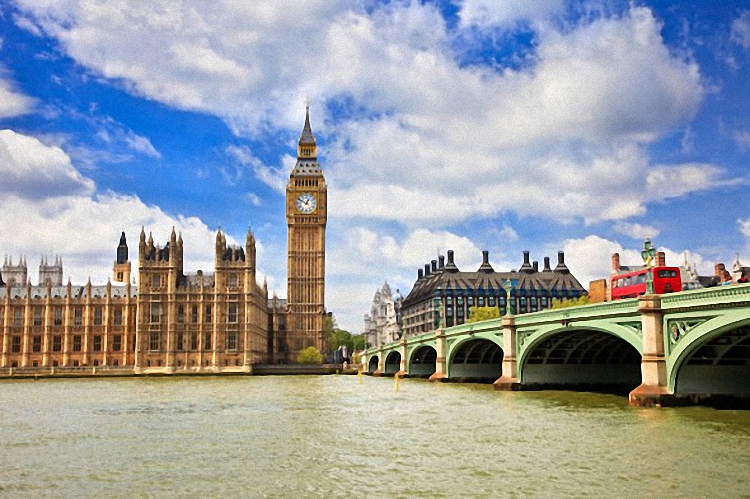
- The Houses of Parliament and Big Ben – a paid tour costs around £30, yet a UK resident can ask their MP to arrange the same tour, and a climb up the Elizabeth Tower to the bell, free of charge. Book months ahead. Overseas visitors can take the paid tour but cannot climb the tower.
- Open House Festival – for a few days each September, around 800 buildings normally shut to the public open their doors for free, from livery halls to private homes and the odd government office. The famous addresses run a ballot, but the lesser-known ones reward simply turning up.
Free ceremony and street theatre
- Changing the Guard – the best-known free spectacle, in the Buckingham Palace forecourt at 11am on selected days, lasting about 45 minutes. It no longer runs to a fixed weekly pattern, so check the Household Division calendar before you go, and stand at the Victoria Memorial steps or along the railings early for a clear view.
- Horse Guards – for a quieter version, the mounted guard changes on Whitehall each morning, and the daily dismount inspection at 4pm is one of London’s least crowded ceremonies.
- Covent Garden – the licensed pitches in the piazza host the oldest street performance tradition in the city, with jugglers and opera singers working the crowd for free.
- Trafalgar Square – Nelson, the bronze lions and the Fourth Plinth, which carries a rotating free commission of contemporary art, sit in the open for anyone to enjoy.
- Gun salutes – on royal anniversaries the King’s Troop fires a 41-gun salute in Hyde Park while the Honourable Artillery Company fires 62 guns at the Tower of London, a free wall of sound and smoke over the river.
- The Lord Mayor’s Show – each November the City stages a free procession more than three miles long, a tradition some 800 years old, closing with fireworks over the Thames.
Free live music and concerts
London stages world-famous music for nothing if you know where to listen.
- St Martin-in-the-Fields – the church on Trafalgar Square has run free lunchtime concerts for over seventy years, on Tuesdays and Fridays at 1pm, about 45 minutes of professional playing for a voluntary donation.
- City church organ recitals – small City churches such as St Mary Abchurch hold free weekly lunchtime recitals, and St Paul’s Cathedral gives a free half-hour recital on its grand organ on Sunday afternoons.
- The Southbank Centre – under an open-foyer policy running since 1983, the Royal Festival Hall is free to enter all day, with free music, dancing and events in its riverside foyers.
Free tours that are genuinely free
The touts handing out flyers for a free walking tour expect a tip at the end, so it is not truly free. The museums run tours that cost nothing.
- British Museum eye-opener tours – volunteer guides give free 30 to 40 minute introductions to a gallery several times a day. You need only the free admission ticket and you drop in.
- National Gallery talks – free daily talks and lunchtime lectures take you deep into a single painting at no charge.
Cross the Thames for free
- Greenwich Foot Tunnel – a Victorian pedestrian tunnel under the river, free and open as a public highway, running from beside the Cutty Sark to Island Gardens, where you get the painter’s view back across the water to maritime Greenwich.
- The Woolwich Ferry – a free vehicle and foot ferry that has crossed the Thames since 1889, a short, unhurried river trip for no fare at all.
Parks and free green space
London is one of the greener capitals, and all eight Royal Parks are free.
- St James’s Park – the prettiest, with resident pelicans fed each afternoon and the postcard view of Buckingham Palace from the bridge.
- Hyde Park and Kensington Gardens – the Serpentine, the Diana memorial fountain and the Albert Memorial across a single open sweep.
- Richmond Park – the largest, roamed by herds of red and fallow deer, with the protected Isabella Plantation ablaze in late spring.
- Regent’s Park – rose gardens, the view up Primrose Hill and the edge of London Zoo glimpsed for free along the canal.
- Kyoto Garden – a Japanese garden with a waterfall and roaming peacocks tucked inside Holland Park, west London’s calmest free corner.
Markets and walks that cost nothing to wander
- The markets – browsing is free at Borough for food, Columbia Road for flowers on a Sunday, Camden for the canalside stalls, Spitalfields and the Victorian arcade of Leadenhall, the film double for Diagon Alley.
- The South Bank – a free riverside walk from the London Eye past the Tate to Tower Bridge, with skateboarders, book stalls under Waterloo Bridge and the best free view of the Houses of Parliament.
- Regent’s Canal – the towpath from Little Venice through Camden to the East End is a quiet, traffic-free route past narrowboats and back gardens.
- Postman’s Park – a tiny City garden holding the Watts Memorial, ceramic tablets recording ordinary people who died saving others, one of London’s most moving free corners.
The cheapest way to tour, and getting around
The open-top tour bus costs about £30. A regular red double-decker does not. Ride the top deck of a route such as the number 11 or 15 from Westminster, grab the front seats, and you roll past Parliament, Trafalgar Square, the Strand, St Paul’s and the Bank for the price of a single fare, capped low for the day with a contactless card. It is not quite free, but close, and the truly free option is your own two feet: central London is small, and walking between the sights costs nothing and shows you more.
For a rainy afternoon indoors, the free museums earn their keep, and the city’s screen history makes good company too, mapped in our guide to British films worth seeing.
A free day in London
Stitched together, a no-spend day works like this. Start with Changing the Guard or the pelicans in St James’s Park, walk through to Westminster and along the South Bank to Tate Modern, cross the Millennium Bridge to St Paul’s and up to the One New Change roof, wander the City to the Garden at 120 or your booked Horizon 22 slot, and end at evensong in St Paul’s or the Abbey. A full day of London’s best, for the cost of lunch.
Frequently asked questions
Are London’s museums really free?
Yes. The British Museum, the National Gallery, the Natural History Museum, the V&A, the Tates, the Science Museum and many more charge nothing for their permanent collections. They invite a donation and charge for major temporary exhibitions, but you can see the highlights for free.
What is the highest free view in London?
Horizon 22, on the 58th floor of 22 Bishopsgate at about 254 metres, is the tallest free public viewing gallery in the country. It needs a free timed ticket, released at 10am each Monday for two weeks ahead.
How do I see Changing the Guard for free?
Just turn up. The ceremony at Buckingham Palace is free and needs no ticket, usually at 11am on selected days. Check the Household Division calendar for confirmed dates and arrive early for a spot by the railings or on the Victoria Memorial.
Can I get into Westminster Abbey for free?
Yes, by attending the free evening service. Evensong is sung daily at around 5pm and entry is free, though you join as a worshipper rather than a sightseer, so movement around the building is limited.
What is the best free thing to do in London when it rains?
Head for the free museums. The Natural History Museum, the British Museum and the V&A can each fill half a day, and the Sir John Soane’s Museum and the Wallace Collection stay quiet even on a wet weekend.
Sources
- Visit London – free things to do
- Horizon 22 – free viewing gallery and booking
- Household Division – Changing the Guard calendar
- Historic Royal Palaces – Ceremony of the Keys
- The Royal Parks