The long-coat German Shepherd was excluded from the FCI breed standard for nearly a century before the Verein fur Deutsche Schaferhunde finally accepted it as a recognised coat variety in 2010. Before that change, long-coat puppies appeared regularly in standard litters but could not compete in conformation or earn breeding approval. The coat itself is a simple recessive trait, meaning two standard-coat parents can produce long-coat offspring if both carry the gene. This guide covers the genetics behind the long coat, the selection and raising of long-coat puppies, grooming demands that differ from the standard variety, health considerations common to both coat types, and the practical reality of daily life with a long-coat shepherd in a household.
How the Long Coat Appears in Litters
The long-coat variety traces to a recessive gene designated L in breed genetics literature. A standard-coat shepherd carrying one copy of the gene looks visually identical to a dog with no copies, so the trait often hides in pedigrees for several generations before appearing in a litter.
Two standard-coat parents each carrying one copy of L produce roughly 25 percent long-coat puppies. Long-coat bred to standard produces around 50 percent long-coat when the standard parent carries one copy and zero percent when the standard parent carries none. Two long-coat parents produce 100 percent long-coat offspring.
Before the 2010 FCI standard change, the VDH and ADRK allowed long-coat puppies to be registered but excluded them from breeding and conformation. German breeders either placed these puppies in pet homes or, in darker decades, culled them at birth. The 2010 rule change ended that practice and allowed a small but legitimate long-coat breeding programme within the FCI system.
Two Coat Varieties Within the Standard
The FCI standard 166 now recognises two coat varieties. Stockhaar, the standard double coat, is medium length with a dense undercoat and a harsh straight outer coat. Langstockhaar, the long coat, has an outer coat that is 8 to 15 cm long, particularly around the ears, legs, and tail, with a full undercoat that grows as thick as the standard variety.
The long-coat variant is not the same as a plush coat, a term used in some pet markets for a standard coat with slightly longer guard hairs. A true Langstockhaar has distinct furnishings on the ears, pronounced breeches on the rear legs, and a tail that looks like a heavy plume rather than the standard fur-coated appendage.
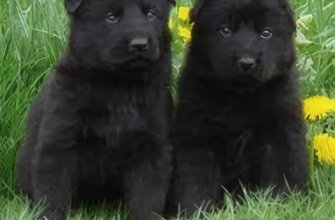
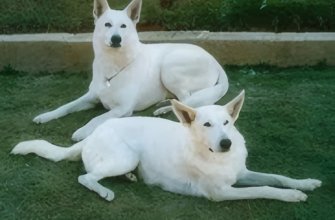
Colour standards apply identically to both coats. Long-coat shepherds appear in black and tan, sable, solid black, bi-colour, and liver or blue in the dilute forms. Long-coat whites and long-coat dilute colours trace to specific genetic combinations and sometimes require additional health testing in breeding stock.
Grooming a Long-Coat Shepherd
The long coat demands more maintenance than the standard coat. Expect 30 to 45 minutes of brushing twice weekly through most of the year, rising to daily during the spring and autumn blowouts when the undercoat releases.
Tools that handle the coat:
- Undercoat rake with rotating pins for the dense undercoat
- Slicker brush for finishing on guard hairs and furnishings
- Metal comb for ear, tail, and breech furnishings that mat easily
- Deshedding blade (such as the Furminator) used sparingly, perhaps monthly
- Scissors for trimming sanitary areas and paw pads, not for shaping the coat
Bathing runs every six to eight weeks, more often if the dog rolls in something unpleasant. Over-bathing strips the weatherproofing oils that keep the double coat functional. A bath followed by a high-velocity dryer removes loose undercoat that brushing cannot reach and saves hours of daily shedding around the house afterward.
Never shave a long-coat shepherd. The double coat regulates temperature both ways, keeping the dog cool in summer and warm in winter. Shaving removes that thermoregulation, exposes the skin to sunburn, and produces a coat that often grows back uneven and discoloured.
Selecting a Long-Coat Puppy
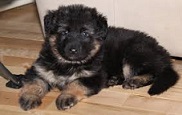
Long-coat puppies are visually distinguishable from standard-coat puppies by four to six weeks old. The ears carry longer fur tufts, the tail looks fuller, and the breeches show distinct feathering rather than smooth fur.
Reputable breeders occasionally produce long-coat puppies from standard-coat pairings and place them at slightly reduced prices, typically 10 to 20 percent below show-line rates. Dedicated long-coat programmes exist in the UK, Germany, and parts of North America, with prices matching standard working lines.
Health testing protocols match the standard coat. Both parents should carry OFA or German HD-A hip and elbow clearances, CAER eye clearance, DNA panels for degenerative myelopathy, and cardiac auscultation through a board-certified cardiologist. Long-coat genetics do not introduce additional health concerns beyond standard breed risks.
Temperament and Working Suitability
Coat length does not determine temperament. A long-coat shepherd from working lines retains the drive, trainability, and working capacity of any working-line shepherd. A long-coat from show lines carries the calmer temperament typical of show stock.
The long coat does affect working use in specific contexts. Police and military agencies rarely select long-coat dogs because grooming logistics on deployment add burden and heat dissipation in desert conditions trails the short-coat Malinois more than the standard-coat shepherd does. Civilian working roles including therapy, service, tracking, and search and rescue make no functional distinction between coat types.
Sport competition has opened fully to the long coat since the 2010 rule change. Long-coat shepherds now compete in IGP, conformation, and working title trials on equal footing with standard-coat dogs. Judges who remember the pre-2010 era sometimes carry an unconscious preference, though the formal standard makes no distinction.
Household Life With a Long-Coat Shepherd
The coat produces more visible household impact than the standard coat. Hair accumulates on upholstery in tufts rather than individual strands, and the twice-yearly blowouts drop enough undercoat to fill several shopping bags across a week. Families should weigh this logistical reality before choosing the variety.
On the plus side, the long coat handles cold weather better than the standard coat and looks particularly striking in photographs. The breed attracts more street attention than the standard shepherd, which some owners enjoy and others find wearing.
Climate matters. Long-coat shepherds handle temperate and cold climates without issue, but in hot humid regions the coat can trap heat more than the standard variety. Owners in the US Southeast or similar climates should plan for air-conditioning during summer months and shorter outdoor exercise during peak heat hours.
Puppy behaviour at 8 to 16 weeks follows standard shepherd patterns regardless of coat. Socialisation, handling drills, kindergarten classes, and vaccine-limited outdoor exposure all follow the same schedule as any shepherd puppy. The coat begins filling in around 16 to 20 weeks and reaches mature length by 18 to 24 months, with the final texture developing through the second year.
Resale and rehoming statistics for long-coat shepherds track standard-coat numbers. The breed ends up in rescues at similar rates, driven by the same patterns that affect shepherds broadly: inadequate training investment, underestimating the exercise demand, and homes that changed circumstances after adoption.
Frequently Asked Questions
Is the long-coat shepherd a crossbreed?
No. The long coat is a recessive trait within the pure German Shepherd breed. It is not produced by crossing with Collies, Huskies, or any other breed, despite occasional marketing claims. DNA testing confirms purebred status in properly bred long-coat stock.
Does the long coat affect lifespan?
No. Lifespan for long-coat and standard-coat shepherds falls in the same 9 to 13 year range. The coat type does not correlate with any known health or longevity outcome.
How much should a long-coat puppy cost?
From a dedicated breeder with health-tested parents, expect 1,800 to 3,000 US dollars. Puppies sold at much higher or much lower prices usually indicate marketing inflation or skipped health testing respectively.
Can a long-coat shepherd still compete in conformation?
Yes. The FCI, the UK Kennel Club, and several national registries accept long-coat shepherds in conformation since 2010. The American Kennel Club, slower to accept the variety, began allowing long-coat shepherds in the conformation ring after 2015, though long-coat shepherds still place less often in AKC shows than the standard coat.
Do long-coat shepherds need haircuts?
No. The coat self-maintains at a natural length appropriate to the dog’s genetics. Trimming sanitary areas, paw pad fur, and sometimes ear furnishings is acceptable, but full body haircuts damage the coat and should be avoided except for medical reasons.
For the complete breed context, see our German Shepherd breed overview. The standard-coat puppy raising process is covered in our German Shepherd training guide. Other coat variants are discussed in white German Shepherds and black sable shepherds.
Sources and Further Reading
- Fédération Cynologique Internationale, Breed Standard 166 German Shepherd Dog, 2010 revision
- Verein fur Deutsche Schaferhunde, Langstockhaar breeding protocol
- American Kennel Club, German Shepherd Dog breed standard updates
- Canine coat genetics research on the FGF5 gene
- Orthopedic Foundation for Animals, breed-specific hip and elbow statistics