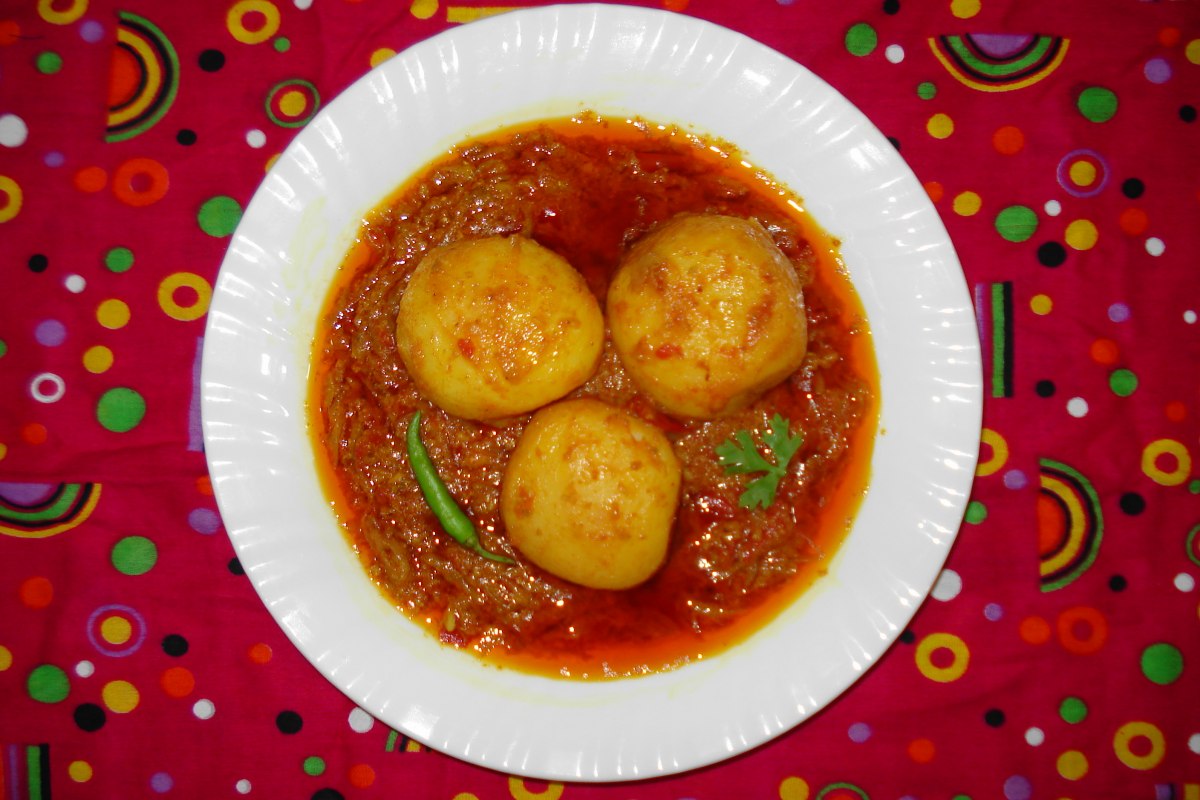
Dum aloo is one name for four different dishes. A Kashmiri makes it with yogurt and chili and not a trace of onion or garlic; a Punjabi cook drowns it in a creamy onion-tomato gravy; a Bengali turns it slightly sweet with bay leaf and ghee. They share only the baby potatoes and the dum, the slow sealed steaming that gives the dish its name. This dum aloo recipe leads with the Kashmiri Pandit version, the oldest and most distinctive, and explains the small technique that decides all of them: pricking the potatoes so the gravy can get inside.
One dish, four kitchens
Before cooking, it helps to know which dum aloo you mean, because the four regional versions are genuinely different dishes.
| Version | Gravy | What marks it |
|---|---|---|
| Kashmiri (Pandit) | Yogurt and Kashmiri chili | No onion, garlic or tomato at all |
| Punjabi | Creamy onion-tomato | Rich, with cream and yogurt |
| Bengali (aloor dum) | Light, lightly sweet | Bay leaf, ghee, a touch of sugar |
| Banarasi | Spiced, tangy | The Varanasi street version |
The gulf between the Kashmiri and Punjabi versions is the widest. The Punjabi dum aloo, sometimes sold as Mughlai dum aloo, is a creamy restaurant gravy built on onion, tomato and cream. The Kashmiri original has none of those. Order dum aloo in Srinagar and in Amritsar and you will be served two dishes that share little beyond the potato.
The Kashmiri version, and why it has no onion or garlic
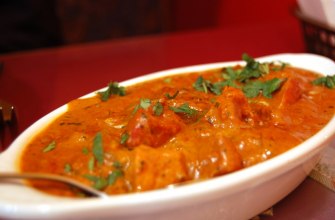
The Kashmiri dum aloo, called dum olav in Kashmiri, belongs to Kashmiri Pandit cuisine, the Hindu Brahmin cooking of the Valley. That tradition is satvik, and it leaves out onion, garlic and tomato entirely, ingredients that orthodox Brahmin practice considers heating or impure. Far from a limitation, the absence is the dish’s signature: with no onion or garlic to lean on, the flavour is built from yogurt, Kashmiri red chili for a deep red with little heat, asafoetida, dried ginger powder called saunth, fennel and mustard oil. The result is a curry that tastes of warm spice and tang rather than the sweet onion base of most North Indian gravies.
This is the clearest example of how religion shapes an Indian dish. The same dietary rule that gives Jain and Brahmin kitchens their onion-free cooking is what makes Kashmiri dum aloo unique, and a recipe that adds onion and garlic to it, as many restaurant versions do, has quietly converted a Pandit dish into a generic North Indian one.
Dum, and the pricked potato
The name carries the method. Dum is slow cooking in trapped steam, the same sealed-pot technique behind a biryani, and here it lets the small potatoes drink up the spiced gravy over a low, patient heat. But steam alone is not enough, which is where the second technique comes in.
The baby potatoes are pricked all over with a fork or toothpick before they are fried. Those holes are the whole secret: a smooth, sealed potato sits in the gravy and tastes of nothing inside, while a pricked one draws the spiced yogurt sauce into its centre as it cooks. The potatoes are usually parboiled, pricked, then deep-fried until golden so the skin firms and the surface roughens, and only then dropped into the gravy to absorb it on dum. Skip the pricking and you get spiced potatoes; do it and you get dum aloo. Some cooks score the potatoes more deeply or even hollow them slightly for restaurant versions, but for the home dish a thorough pricking with a fork is enough, as long as it reaches the centre and the potato is fried before it meets the gravy so the holes stay open.
What makes Kashmiri cooking different
To understand dum aloo, it helps to understand the kitchen it comes from, because Kashmiri food stands apart from the rest of North India. The Valley is cold and was long cut off by snow, and its cooking reflects that: heavy use of dried vegetables and dried fruit for the winter, mustard oil as the everyday fat, and a spice palette that leans on fennel and dry ginger rather than the fresh ginger-garlic-onion base of the plains. The red of a Kashmiri gravy often comes not only from chili but from ratanjot, the cockscomb root that stains a deep crimson without heat, and the warm aroma from a fermented spice cake called ver.
The Valley also holds two cuisines, not one. The Kashmiri Pandit kitchen, Hindu and largely vegetarian where it is not eating mutton, avoids onion and garlic and gave us this dum aloo. The Kashmiri Muslim kitchen built the wazwan, the grand meat feast of slow-cooked lamb dishes like rogan josh, gushtaba and rista. The two share a valley, a love of mutton and the same fennel-and-chili spice cupboard, yet they cook as distinct traditions, which is why a single small region can claim a cuisine as rich as a whole country’s.
Ingredients for Kashmiri dum aloo
| Ingredient | Amount | Role |
|---|---|---|
| Baby potatoes | 500 g | Pricked, fried, and the heart of the dish |
| Thick yogurt, whisked | 1 cup | The gravy base, in place of onion |
| Kashmiri red chili powder | 2 teaspoons | Deep red colour, gentle heat |
| Fennel powder (saunf) and dry ginger (saunth) | 1 teaspoon each | The signature Kashmiri aromatics |
| Asafoetida (hing) | a pinch | Depth in place of garlic |
| Whole spices: cloves, cardamom, cinnamon | to temper | The warm base |
| Mustard oil | to fry and cook | The traditional fat |
How to make Kashmiri dum aloo step by step
- Parboil the baby potatoes, peel them, and prick them all over with a fork.
- Heat mustard oil to smoking, cool it slightly, then fry the pricked potatoes until golden and set aside.
- In the same oil, temper the whole spices and the asafoetida, then take the pan off the heat and stir in the whisked yogurt slowly so it does not split.
- Add the Kashmiri chili, fennel and dry ginger, return to a low heat and cook until the gravy thickens and the oil rises.
- Slide the fried potatoes in, add a little water, cover and cook on low dum for fifteen to twenty minutes so they absorb the gravy.
The one moment to watch is the yogurt. Add it off the heat and stir it in steadily, then bring the heat up gently. Tip cold yogurt into a hot pan and it curdles into grainy threads, which is the most common way a home Kashmiri dum aloo goes wrong. Heating the mustard oil to smoking and letting it cool a little before cooking matters too, since raw mustard oil carries a sharp bitterness that the heat tames into the nutty pungency the dish wants.
The yogurt trick, and a fasting-day favourite
The one step that defeats home cooks is the yogurt, and the Kashmiri and Hindi food press is specific about how to handle it.
- Whisk the yogurt with the spices first. The traditional method is to beat the thick yogurt together with the Kashmiri chili, fennel and dry ginger into a smooth, room-temperature mixture before it ever touches the pan. The spices help stabilise it, and the flavour goes in evenly.
- Off the heat, then stir without stopping. Add the spiced yogurt with the pan off the flame, then return it to low heat and stir continuously until it thickens. Cold yogurt, a hot pan or a still spoon are the three ways it curdles.
- A pinch of flour for the nervous. Purists add nothing, but a cook unsure with yogurt can whisk in a teaspoon of flour or gram flour to keep it from splitting. It is a safety net the traditional recipe does without.
There is a cultural reason this dish travelled so far beyond Kashmir. Because it carries no onion or garlic, Kashmiri dum aloo became a favourite across North India for Navratri and other fasting days, when those ingredients are given up. The same Pandit restraint that shaped the recipe in the Valley made it the perfect dish for a vrat table a thousand kilometres away, which is part of why a Kashmiri curry turns up on so many fasting-day menus.
The other dum aloos
The same pricked-and-fried potatoes carry the regional gravies, and each is worth knowing.
- Punjabi dum aloo simmers the potatoes in a fried onion-tomato-ginger-garlic masala enriched with yogurt and cream, the creamy restaurant version most people outside India have met.
- Bengali aloor dum is lighter and faintly sweet, built on a tomato-and-ginger base with bay leaf and ghee and a pinch of sugar, often eaten with luchi, the puffed white bread, at a weekend breakfast.
- Banarasi dum aloo from Varanasi leans tangy and spiced, a street and home dish of the eastern plains.
The Bengali version carries an extra cultural twist. A niramish aloor dum, cooked without onion or garlic, is made for festival and fasting days when those ingredients are avoided, which means Bengal too has its onion-free dum aloo, arrived at by a different route than the Kashmiri Pandit one. Two regions, two religious reasons, the same restraint, and yet two completely different dishes, one sweet and one tangy-red.
One pricked potato, four gravies, four regions: dum aloo is a small map of how the same humble ingredient becomes a different dish in every Indian kitchen it passes through.
The mistakes that spoil dum aloo
- Potatoes that taste of nothing. They were not pricked, so the gravy never got inside. Prick them all over before frying.
- Curdled, grainy gravy. Yogurt added to a hot pan splits. Take the pan off the heat, whisk the yogurt smooth, stir it in slowly, then warm gently.
- Dull colour. The deep red comes from Kashmiri chili, not from cooking it hot. Use enough Kashmiri chili and keep the heat moderate.
- Adding onion and garlic to a Kashmiri dum aloo. It turns a Pandit dish into a generic curry. The whole character is in their absence.
- Rushing the dum. The potatoes need slow, sealed cooking to absorb the gravy. Give them the full low simmer under a lid.
Kashmiri food and the house of Ahdoo’s
Dum aloo sits inside one of India’s most distinct regional cuisines, and the Valley’s food has a famous keeper. Ahdoo’s in Srinagar opened as a bakery in 1918, set up by Haji Mohammad Sultan at the encouragement of Maharaja Hari Singh, and by the 1920s it had become the first restaurant in the Valley to serve the wazwan, the elaborate multi-course Kashmiri feast. It stayed open through the conflict of the 1990s when other hotels closed, and it has guarded Kashmiri recipes for more than a century. Its wazwan is Kashmiri Muslim cooking, rich with meat, a different tradition from the vegetarian Pandit kitchen that gave us this dum aloo, and the two together show that even one small valley holds more than one cuisine.
What to serve with dum aloo
Dum aloo is rich and is usually eaten with a plain starch that soaks the gravy.
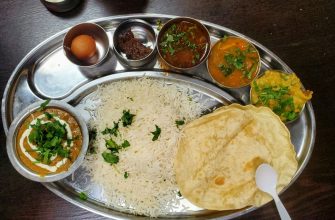
- Steamed rice, the staple of the Kashmiri meal and the simplest partner.
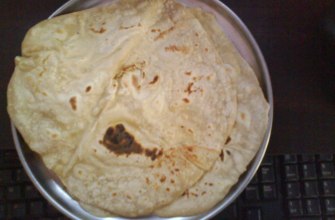
- Roti or naan, a soft naan for the Punjabi creamy version.
- Luchi or puri, the puffed fried bread the Bengali aloor dum is famously eaten with.
It belongs to the regional patchwork mapped in the guide to Indian cuisine and spices, a single dish that proves how far the word curry has to stretch across India. In a Kashmiri Pandit meal it would share the plate with rice, a yakhni or a haakh of cooked greens, the simple, fragrant vegetarian cooking that the Valley does as well as its famous feasts.
Frequently asked questions
Why does Kashmiri dum aloo have no onion or garlic?
Because it comes from Kashmiri Pandit cuisine, the Hindu Brahmin cooking of the Valley, which follows a satvik tradition that leaves out onion, garlic and tomato. The gravy is built on yogurt, Kashmiri chili, fennel and dry ginger instead, and that absence is the dish’s defining feature.
Why do you prick the potatoes for dum aloo?
So they can absorb the gravy. A whole, smooth potato stays bland inside, while a pricked one draws the spiced sauce into its centre as it cooks on dum. It is the single technique that makes dum aloo taste of more than potato.
What is the difference between Kashmiri and Punjabi dum aloo?
Kashmiri dum aloo uses a yogurt-and-chili gravy with no onion, garlic or tomato. Punjabi dum aloo is a creamy onion-tomato gravy enriched with cream. They are almost different dishes that share the same potatoes.
How do I stop the yogurt from curdling?
Take the pan off the heat before adding the yogurt, whisk it smooth first, stir it in slowly, then return to a low heat. Adding cold yogurt to a hot pan is what makes the gravy split into grainy threads.
Can I make dum aloo without deep-frying the potatoes?
You can shallow-fry or even roast them, which uses less oil, though the traditional deep-fry firms the skin and helps them hold up and absorb the gravy. Whatever the method, prick them first and brown the surface.
What is dum cooking?
Dum is slow cooking in trapped steam under a sealed lid, the same technique that cooks a biryani. For dum aloo it lets the fried potatoes absorb the spiced gravy gently over a low heat, which is where the dish gets its name.
What potatoes are best for dum aloo?
Small baby or new potatoes, which cook whole and stay firm enough to fry and hold their shape on the dum. If you only have large potatoes, cut them into even chunks, though the dish is named and shaped around the whole small potato.
Is Bengali aloor dum the same as Kashmiri dum aloo?
No. Bengali aloor dum is lighter and slightly sweet, built on a tomato-and-ginger base with bay leaf, ghee and a little sugar, and often eaten with luchi at breakfast. The Kashmiri version is a yogurt-and-chili gravy with no onion, garlic or tomato at all.
Sources
- Dum aloo, regional versions and origins
- Dassana’s Veg Recipes, Kashmiri Pandit dum aloo
- Curly Tales, on Ahdoo’s of Srinagar and Kashmiri wazwan
- Image: Kashmiri dum aloo, Wikimedia Commons, CC0 public domain, by Miansari66