The cream cracker is an Irish invention. It was perfected in Dublin by W and R Jacob, the biscuit makers whose factory gave Ireland the Kimberley, the Mikado and the Coconut Cream, the trio that still defines an Irish biscuit tin. Beyond the famous brands, Irish home baking runs to oatcakes older than the potato, buttery shortbread, oaty flapjacks and the no-bake chocolate biscuit cake served at every celebration. This guide covers the biscuits worth baking and the Dublin heritage behind the shop-bought classics.
Jacob’s of Dublin and the cream cracker
Irish biscuits have a capital, and it is Dublin. William Beale Jacob began as a baker in Waterford, and with his brother Robert opened the W and R Jacob’s Steam Biscuit Factory at Peter’s Row in Dublin in 1853. The firm’s great contribution came in 1885, when Jacob brought cracker-making techniques back from America and produced the cream cracker, the light, layered savoury biscuit now eaten with cheese across the world but invented in Dublin. The factory went on to create the biscuits that fill an Irish tin to this day: the Kimberley, a ginger biscuit around a marshmallow centre rolled in coconut, introduced in 1893; the Mikado, a biscuit topped with pink marshmallow and raspberry jam under desiccated coconut; and the Coconut Cream. The same factory was a rebel garrison during the 1916 Easter Rising, which gives the place a weight in Irish history beyond baking.
Chocolate biscuit cake, the no-bake classic
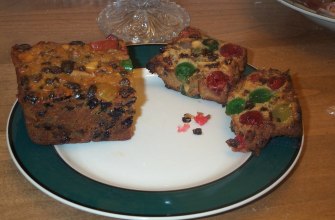
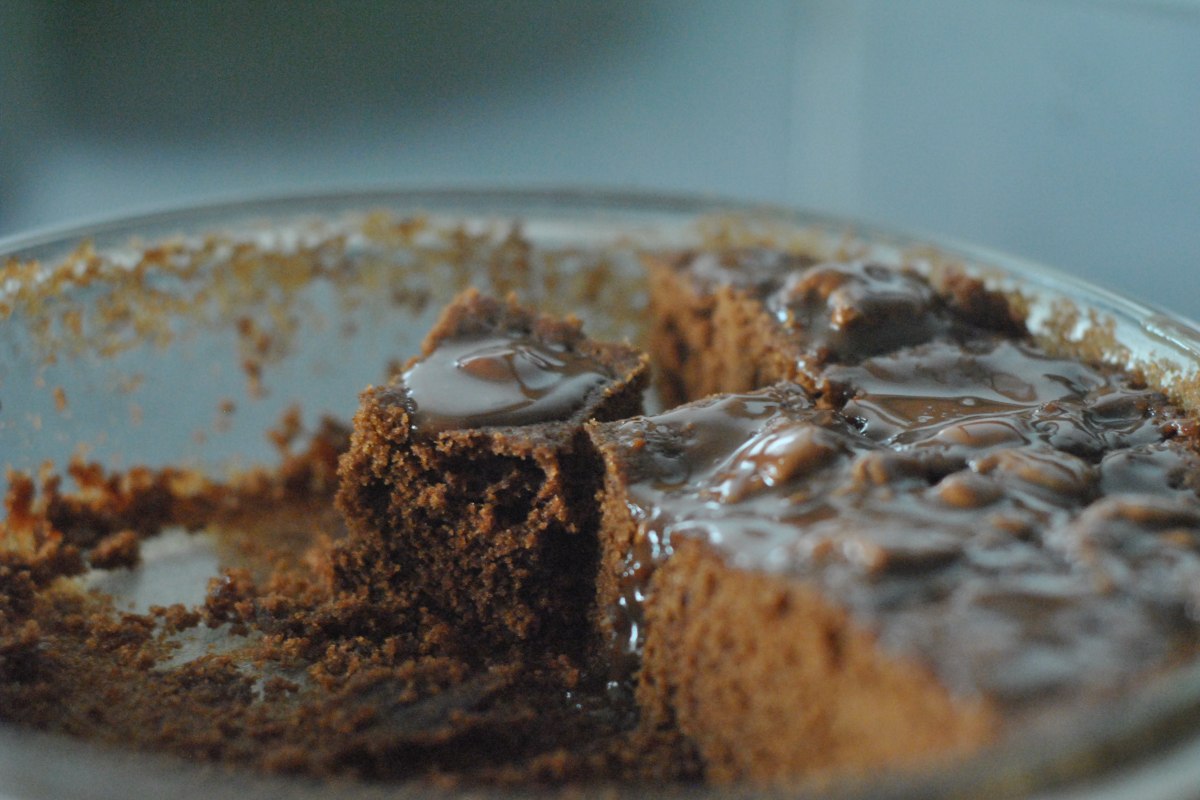
The most Irish biscuit recipe is not baked at all. Chocolate biscuit cake, sometimes called fridge cake, crushes plain biscuits into melted chocolate, butter and golden syrup, sets the lot in the fridge and slices it into rich, dense squares. It is the cake of childhood birthdays and grown-up celebrations alike, famous enough to have been served at royal weddings, and every Irish family has its own version. Rich Tea or digestive biscuits give the body, and cooks fold in whatever is to hand: glace cherries, raisins, chopped nuts or a handful of mini marshmallows. It needs no oven and no skill, which is why it is the first thing many Irish children learn to make. The version with a layer of melted chocolate poured over the top and left to set hard is the one most often cut into squares for a party table, where it disappears faster than anything baked.
Chocolate biscuit cake recipe
- 225 g plain chocolate, dark or milk
- 100 g butter
- 3 tablespoons golden syrup
- 250 g Rich Tea or digestive biscuits, roughly broken
- A handful of glace cherries, raisins or chopped nuts
- Melt the chocolate, butter and golden syrup together gently over low heat or in a bowl over hot water, then take it off the heat.
- Stir in the broken biscuits and the fruit or nuts until every piece is coated.
- Press the mixture firmly into a lined tin and smooth the top.
- Chill in the fridge for at least four hours, or overnight, until firmly set.
- Turn out and cut into small squares, since it is very rich. It keeps for a week in the fridge.
Oatcakes, the oldest Irish biscuit
Long before the potato and long before Jacob’s, the Irish ate oats, and the oatcake is the oldest biscuit on the island. A plain mix of oatmeal, a little fat and water, rolled thin and baked or cooked hard on a griddle, the oatcake was a staple bread as much as a biscuit, carried by workers and eaten with butter, cheese or a bowl of soup. Oats grew where wheat would not in the cool, wet climate, so the oatcake fed the country for centuries. It survives today as the savoury cracker served with Irish cheese, and a homemade oatcake, nutty and crumbly, is far better than any packet. The same oats turn up in oat biscuits, sweeter and crisper, and in flapjacks.
Shortbread and flapjacks
Two more biscuits earn a place in the Irish tin. Shortbread, the buttery, crumbly biscuit shared with Scotland, is made from just butter, sugar and flour in the simplest of ratios, baked pale and cut into fingers or rounds. Its richness comes entirely from good Irish butter, which is reason enough to make it at home. Flapjacks are the oaty traybake, rolled oats bound with butter, sugar and golden syrup and baked into chewy bars, a lunchbox and teatime standard that uses the same oats as the oatcake to very different effect. Both are forgiving, quick bakes that suit a beginner.
Fifteens and the northern fridge bakes
The north of Ireland has a whole genre of no-bake traybakes built on biscuits and condensed milk, and the most famous is the fifteen. It takes its name from the recipe, fifteen of every ingredient: fifteen digestive biscuits crushed, fifteen marshmallows, fifteen glace cherries, bound with condensed milk and rolled in desiccated coconut into a log that is chilled and sliced. The same fridge-cake thinking gives the Mars bar cake, melted chocolate bars and cereal or biscuit set in a tin, and a dozen church-hall traybakes passed between families on handwritten cards. None of them needs an oven, which made them the bake of a busy kitchen and a children’s first lesson in the kitchen. They sit beside the chocolate biscuit cake as the no-bake backbone of the Irish biscuit tradition.
The biscuit tin and the cup of tea
Biscuits in Ireland are inseparable from tea. The biscuit tin is a fixture of every kitchen, brought out the moment a visitor sits down, and the ritual of dunking a biscuit in a mug of strong tea is close to a national pastime. The Rich Tea and the digestive are the great dunkers, sturdy enough to hold their shape for a second or two in the hot tea, while the chocolate digestive, the Kimberley and the Mikado are the treats kept for company. This everyday culture of tea and biscuits is the reason the Irish biscuit industry grew so large in the first place, and why a tin of Jacob’s USA biscuits, the Kimberley, Mikado and Coconut Cream sold together, remains a fixture at Christmas.
More biscuits worth a place in the tin
Past the classics, a handful of other biscuits turn up in Irish kitchens and old recipe books.
- Ginger nuts, hard, spicy and built for dunking, the biscuit that softens just enough in hot tea.
- Custard creams and bourbons, the sandwich biscuits most often recreated at home for a better filling than the packet.
- Fork biscuits, plain butter biscuits pressed flat with the tines of a fork, the simplest bake a child can manage.
- Coconut macaroons, chewy mounds of coconut and egg white, often on a rice-paper base.
- Oaty Anzac-style biscuits, the golden-syrup oat biscuit that keeps for weeks in a tin.
Most share the same short list of cupboard staples, butter, sugar, flour and oats, which is why a well-stocked Irish kitchen could always produce something for the tin at short notice.
Tips for better home biscuits
- Use real Irish butter. Shortbread and oat biscuits taste almost entirely of their butter, so it is worth using a good one.
- Chill the dough. Cold dough holds its shape and spreads less, giving a crisper biscuit with a clean edge.
- Underbake slightly. Take biscuits out when the edges are golden but the centres look a touch soft, since they firm up as they cool.
- Press chocolate biscuit cake hard. A loosely packed fridge cake crumbles when cut. Press it down firmly before it chills.
- Store crisp biscuits separately. Keep crunchy biscuits away from soft ones in the tin, or they trade textures and both suffer.
Common questions
What is the most famous Irish biscuit?
The cream cracker, invented by Jacob’s in Dublin in 1885, is the most widely eaten Irish biscuit in the world. At home, the Kimberley, Mikado and chocolate biscuit cake are the best loved.
What is chocolate biscuit cake?
A no-bake fridge cake of broken biscuits set in melted chocolate, butter and golden syrup, often with cherries or fruit. It is sliced into rich squares and is an Irish celebration classic.
What is an oatcake?
The oldest Irish biscuit, a plain oatmeal cracker baked or griddled hard, eaten with butter, cheese or soup. Oats were the staple grain before the potato, which is why the oatcake runs so deep.
Why are Irish biscuits eaten with tea?
Tea is the Irish national drink, and the biscuit tin comes out whenever a visitor calls. Sturdy biscuits like the Rich Tea and digestive are made for dunking in a strong mug of tea.
Related recipes
For the wider sweet table, see the guide to Irish desserts. For more teatime baking, see Irish scones and Irish cakes.
Sources
- Jacob’s, the story of the Dublin biscuit maker
- Bord Bia, the Irish Food Board
- RTE Lifestyle Food, Irish baking
- Dúchas, the National Folklore Collection of Ireland
- Fáilte Ireland, National Tourism Development Authority
- The Irish Times, food and drink
- Iampurav, biscuit cake photograph, Wikimedia Commons, licensed CC BY-SA 3.0