The most traditional Irish dessert is set with seaweed. Carrageen moss pudding, thickened with a red Atlantic seaweed instead of gelatine, sits at the heart of a sweet tradition built on what the land and coast gave for free: foraged moss, orchard apples, dried fruit soaked in tea, dark porter from the brewery and good butter. Irish desserts were never showy. They were frugal, seasonal and tied to the calendar, and the best of them carry real history. This guide maps the classics worth knowing and cooking, with links to full recipes for each.
The shape of the Irish sweet table
Irish baking grew out of a cottage kitchen with a single oven or a pot over the fire, so the sweet things lean on a handful of cheap, local ingredients rather than elaborate technique. Dried fruit and mixed spice do much of the work, often soaked first in strong tea or stout. Apples from the orchard counties turn up in cakes and tarts. Dairy is everywhere, in custards, in cream poured over a warm pudding, and in the butter that makes the bread. Many of the classics blur the line between bread and dessert, eaten in thick slices with butter and a cup of tea rather than plated as a course. Frugality is the through-line: gur cake was made from yesterday’s leftover bread, and fifteens from a tin of condensed milk and a packet of biscuits.
Carrageen moss pudding, the seaweed dessert
This is the one no inland cuisine can copy. Carrageen moss is Chondrus crispus, a purple-red seaweed gathered off the rocks of the west and south coasts, then washed and dried in the sun until it bleaches pale. Simmered in milk, it releases a natural setting agent that turns the milk into a soft, wobbling pudding with no gelatine needed. Strained, sweetened and flavoured with vanilla, a little sugar and sometimes an egg, it sets into a light blancmange traditionally served with cream and a fruit compote. It was both a dessert and a folk remedy for coughs and chests, and it remains a fixture of Ballymaloe and the better Irish restaurants. The dish owes its modern standing to Myrtle Allen, the first Irish chef to win a Michelin star, who put carrageen pudding on the dessert trolley at Ballymaloe House and treated it as seriously as any French creme. Her own working notes survive with the kind of detail that only comes from making it weekly, one reminding her to use a little less moss, seven grams rather than seven point six, because the batch was setting too hard, the difference between a clean wobble and a rubbery set. The same seaweed family gave its name to Irish moss, and the gelling power that sets the pudding is the reason it once cleared the haze from a glass of stout.
Barmbrack and the Halloween charms
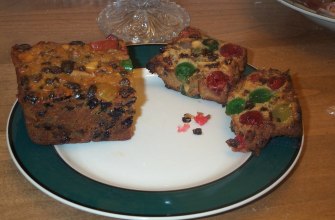
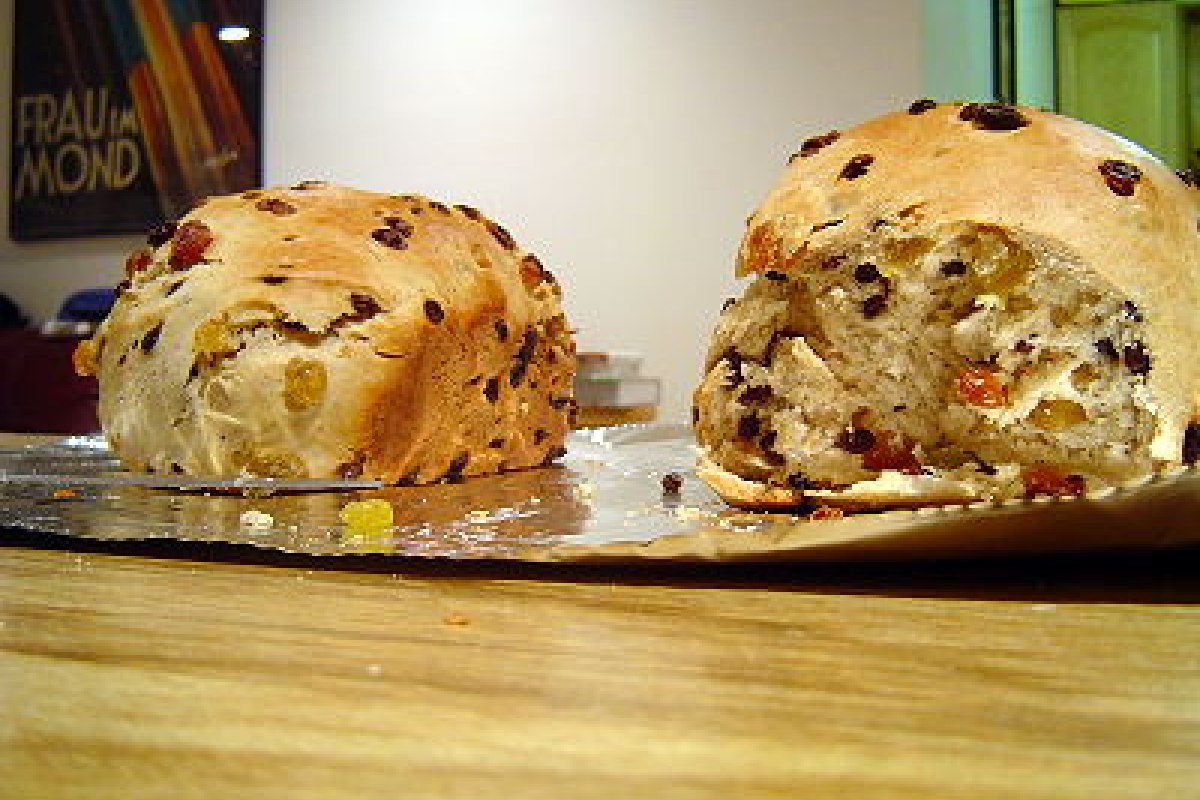
Barmbrack is a fruited tea loaf that doubles as a fortune-telling game. The dried fruit is soaked overnight in cold tea, then baked into a moist, spiced loaf eaten in buttered slices. At Halloween the brack carries hidden charms baked into the batter, and whatever you find in your slice tells your year ahead: a ring for a wedding, a coin for money, a pea or a rag for poverty, a thimble for staying unmarried. The custom is old and the loaf is named from the Irish for speckled bread. It has its own full place in the Irish food calendar and deserves its own recipe, covered in the dedicated tea brack guide.
Porter cake and the dark-ale bake
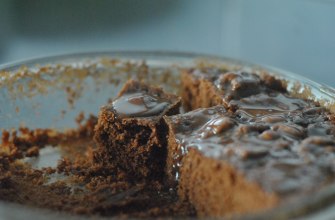
The Irish put their stout into the baking as readily as into the stew. Porter cake is a dense fruit cake built on porter or stout, the dark ale lending a malty depth and keeping the crumb moist for weeks, which made it a Christmas and celebration cake that could be made well ahead. The same idea drives the modern Guinness cake, a chocolate sponge with the stout in the batter and a cream-cheese top meant to mimic a settling pint. Both rely on the roasted, faintly bitter note of the beer to balance the sweetness, the dessert cousin of the beef and Guinness stew.
Apple desserts and the orchard counties
Apples run deep in the Irish sweet tradition, and Armagh, the orchard county, built its reputation on the Bramley, a sharp cooking apple grown there in such quantity that it carries protected geographical status. The classic is Irish apple cake, a buttery sponge studded with chunks of cooking apple, served warm in thick wedges with custard poured over, and known as Kerry apple cake in the southwest. Apple tart, a double-crust pie of Bramley apples and cloves, is the Sunday-dinner standard. The full apple cake recipe, with the regional differences, is covered separately.
Northern Irish sweets: Yellowman and fifteens
The north keeps two sweets the rest of the island barely knows. Yellowman is a bright golden honeycomb toffee, brittle and airy, made by boiling brown sugar, golden syrup and butter to the hard-crack stage, then whisking in vinegar and baking soda so it foams up into a bubbled, crunchy block. It is bound to one event: the Auld Lammas Fair at Ballycastle in County Antrim, held on the last Monday and Tuesday of August since the seventeenth century and reckoned Ireland’s oldest fair. There it is sold in bags alongside dried dulse seaweed, a salty-sweet pairing made famous by a local ballad. Fifteens are the other northern secret, a no-bake fridge traybake named for the fifteen of each ingredient that goes in: fifteen marshmallows, fifteen digestive biscuits, fifteen glacé cherries, bound with condensed milk and rolled in coconut.
Dublin’s gur cake
Gur cake is the thriftiest dessert in the country, a slab of leftover bread or cake crumbs mixed with dried fruit and spice, pressed between two layers of pastry and cut into squares. It was one of the cheapest things in a Dublin bakery, and the name is said to come from gurrier, the Dublin word for a young street rascal, because it was the bun a child could afford or the one eaten while skipping school, going on the gur. It survives in a few old Dublin bakeries and is the city’s own contribution to the sweet table.
Cream, custard and the dairy desserts
With some of the best dairy in Europe, Ireland turns cream into dessert as easily as it bakes. Brown bread ice cream is the standout, a genuinely Irish invention that folds toasted, caramelised wholemeal breadcrumbs through a rich vanilla custard ice, giving a nutty crunch and a faint malt that tastes of the brown soda bread it is made from. It is the dessert that appears on more Irish restaurant menus than any other. Syllabub, an old whipped dish of cream, sugar and wine or whiskey, belongs to the same dairy tradition, as does a simple bowl of cream poured thick over a warm fruit crumble. The modern kitchen adds Baileys, the Irish cream liqueur, to cheesecakes, mousses and trifles, a recent but now firmly Irish way to finish a meal.
Christmas puddings and festive cakes
The richest Irish sweets belong to Christmas, and most are made weeks ahead so the flavour can mature. The Irish Christmas cake is a dark fruit cake soaked in whiskey, packed with raisins, sultanas, currants and peel, then covered in marzipan and royal icing. The plum pudding, a steamed dome of suet, fruit and spice, is fed with whiskey or stout over the weeks before the day and set alight at the table. Mince pies, small pastries of spiced dried fruit, fill the tin through December. Easter brings simnel cake, a lighter fruit cake topped with eleven marzipan balls for the faithful apostles, and the whole festive tradition leans on the same dried fruit, spice and a measure of Irish spirit that runs through the year’s baking.
Bread puddings, goody and the nursery sweets
Nothing was wasted, and stale bread became dessert. Bread and butter pudding layers buttered slices with dried fruit under a baked custard, a Sunday standard that turns yesterday’s loaf into a warm pudding. Goody is the plainest of all, fresh bread broken into warm milk with sugar and a little spice, a soft dish made for small children and the old, and once eaten at bonfire nights and pattern days. Rice pudding, baked slowly with a nutmeg skin, and semolina belong to the same nursery tradition of milk and grain stretched into something sweet and filling.
| Dessert | When it is eaten | Region |
|---|---|---|
| Carrageen moss pudding | Year round | West and south coasts |
| Barmbrack | Halloween | All Ireland |
| Yellowman | August, Lammas Fair | North, County Antrim |
| Porter cake | Christmas, celebrations | All Ireland |
| Apple cake and tart | Autumn, Sunday dinner | Armagh, Kerry, Cork |
| Gur cake | Everyday, thrift bake | Dublin |
| Christmas cake and pudding | Christmas | All Ireland |
The baking that doubles as dessert
Much of the Irish sweet table is bread eaten with butter and jam rather than a formal pudding. These quick breads and bakes are the everyday version of dessert, each with a full recipe of its own.
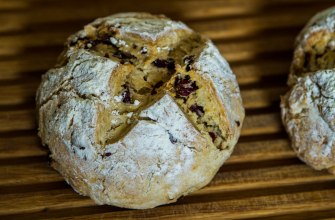
- Irish raisin soda bread, the sweet spotted dog studded with sultanas.
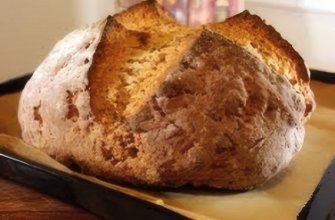
- Irish brown bread, the dense wholemeal loaf, lovely with honey.
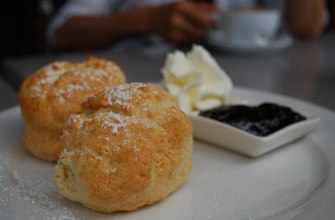
- Irish scones, split warm and spread with butter, jam and cream.
- Irish cakes, from apple cake to porter cake and the festive fruit cakes.
- Irish biscuits and cookies, the oat and shortbread bakes for the tin.
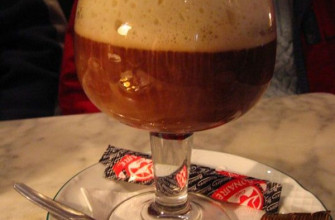
A pot of strong tea or an Irish coffee is the natural partner for any of them.
Frequently asked questions
What is the most traditional Irish dessert?
Carrageen moss pudding has the strongest claim, a milk pudding set with a coastal seaweed rather than gelatine. Barmbrack, apple cake and porter cake are the other classics with the deepest roots.
What is barmbrack and why does it have charms in it?
Barmbrack is a tea-soaked fruit loaf eaten at Halloween, when small charms are baked into it as a fortune-telling game. A ring means a wedding, a coin means wealth, a rag means hard times in the year ahead.
What is Yellowman?
Yellowman is a golden honeycomb toffee from the north of Ireland, made brittle and airy with baking soda and vinegar. It is tied to the Auld Lammas Fair in Ballycastle and traditionally sold with dried dulse seaweed.
Do Irish desserts use Guinness?
Some do. Porter cake and the modern Guinness cake both bake the dark stout into the batter for a malty depth that balances the sweetness and keeps the cake moist.
Sources
- Bord Bia, the Irish Food Board
- RTE Lifestyle Food, traditional Irish baking
- Tourism Ireland, food and drink traditions
- Dúchas, the National Folklore Collection of Ireland
- Fáilte Ireland, National Tourism Development Authority
- The Irish Times, food and drink
- Fordmadoxfraud, barmbrack photograph, Wikimedia Commons, licensed CC BY-SA 3.0