The best Irish potato soup has no cream in it. Floury potatoes break down as they cook and thicken the pot themselves, so the soup turns silky on butter, leeks and stock alone. It is the plainest of Irish soups and one of the oldest, a direct descendant of brotchán, the ancient leek and oatmeal broth that fed the country through Lent long before the potato arrived. This guide covers the simple four-ingredient potato and leek soup, the old brotchán it grew from, and the nettle version that marks the Irish spring.
Why it needs no cream
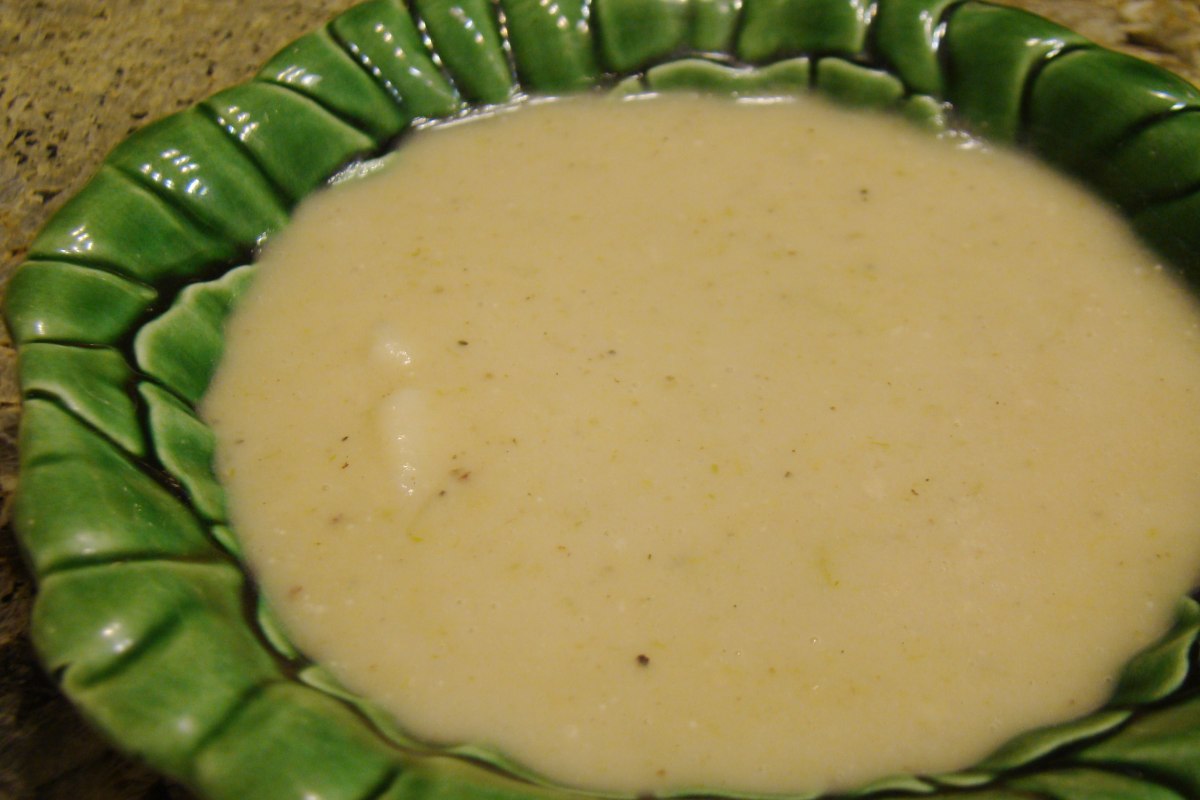
A good potato soup is creamy without a drop of cream, and the secret is the potato. Floury varieties like Rooster, Kerr’s Pink or a baking potato are high in starch, and as they simmer and break down they release that starch into the stock, thickening it into a smooth, velvety soup. Blend it and the texture turns silkier still. Cream is a modern restaurant addition that masks the clean potato flavour rather than improving it. A good knob of Irish butter at the start, sweating the vegetables, gives all the richness the soup needs. Waxy potatoes are the wrong choice here, since they hold their shape and leave the soup thin and watery. If you only have waxy potatoes, grate a couple of them so they break down faster and lend the starch the soup depends on, then simmer until they collapse.
Leek and potato, the Irish pairing
Potato soup almost always means leek and potato in Ireland. The leek, milder and sweeter than an onion, is the traditional partner, and the two have been grown together in Irish kitchen gardens for centuries. The classic soup is four ingredients and nothing more: potatoes, leeks, a good stock and butter, seasoned with salt and pepper and finished with chopped chives or parsley. It is cheap, quick and forgiving, the soup a cottage made from the garden in any season. Onion can stand in for or join the leek, and a floury potato does the rest.
Brotchán, the ancient leek and oatmeal broth
Before the potato, the Irish thickened their leek soup with oats. Brotchán roy, also called brotchán foltchep, is an old Celtic broth of leeks, oatmeal and milk or stock, reaching back more than a thousand years and tied to the monastic kitchens that served it through Lent and on fast days. The oats do the job the potato later took over, breaking down to thicken and enrich the broth, and the soup often carried parsnips, carrots and herbs. It is one of the genuinely ancient dishes of the island, older than most of what people think of as traditional Irish food, and it still appears in good Irish kitchens. A handful of pinhead oatmeal stirred into a modern potato and leek soup is a direct nod to it, adding body and a faint nuttiness.
Nettle soup and the Irish spring
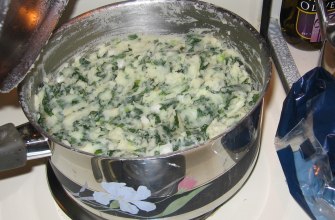
The same base becomes nettle soup in spring, when young nettle tops are gathered before they flower and cooked down like spinach into a potato and leek broth. Nettles were a free, wild green that cleared the blood after a long winter on stored root vegetables, and a bowl of nettle soup around Saint Patrick’s Day is an old country tradition with a monastic root, since the monks who recorded brotchán also gathered wild greens. Cooking destroys the sting entirely, leaving an earthy, spinach-like flavour. Wild garlic, sorrel and watercress go into the same pot when they appear along the hedgerows and streams.
Soup in the Irish kitchen
Soup was the frugal heart of the Irish table, a way to stretch a little into a meal and to use whatever the garden gave. A pot was kept going on the fire, fed with potatoes, the green tops of leeks and onions, a ham bone after a Sunday joint and any vegetable past its best. Potato soup sat at the centre of that tradition because the potato was always there, cheap and filling, and because it asked for nothing more than butter and stock to become a proper meal with a slice of bread. The soup carried families through Lent, when meat was off the table, and through the lean weeks of late winter before the new season’s vegetables came in. It was born of thrift rather than indulgence, and it remains the soup an Irish cook can make from a near-empty kitchen.
Other traditional Irish soups
Potato and leek is the everyday soup, but the Irish pot ran to several others built on the same frugal logic.
- Vegetable broth, a clear soup of whatever roots were to hand, often started from a ham or bacon bone.
- Bacon and cabbage soup, the leftovers of a Sunday boiled dinner simmered with the cooking liquor.
- Dulse and seaweed broths along the coast, where the salty Atlantic dulse went into the pot for a mineral, briny note.
- Pea and ham soup, dried peas cooked soft with a bacon hock, a sturdy winter soup.
Each follows the same pattern as the potato soup: a cheap base, a little cured pork or butter for richness, and time on the fire.
An Irish potato and leek soup recipe
This serves six and uses no cream. It comes together in about half an hour.
Ingredients
- 700 g floury potatoes, Rooster or a baking potato, peeled and diced
- 3 leeks, white and pale green parts, sliced and washed
- 1 onion, chopped
- 50 g Irish butter
- 1.2 litres vegetable or chicken stock
- Salt and white pepper
- Chopped chives or parsley to finish
Method
- Melt the butter in a large pot and add the leeks and onion. Cover and sweat them gently for about ten minutes until soft but not coloured.
- Add the diced potatoes and stir to coat them in the butter.
- Pour in the stock, bring to a simmer, and cook for about twenty minutes until the potatoes are completely soft and starting to break down.
- Blend the soup smooth for a velvety texture, or mash it roughly in the pot for a rustic, chunky version.
- Season well with salt and white pepper, and loosen with a little more stock if it is too thick.
- Serve scattered with chives or parsley and a slice of brown bread on the side.
For a brotchán-style soup, stir a handful of pinhead oatmeal into the pot with the stock and let it cook until soft. For nettle soup, add a couple of large handfuls of washed young nettle tops for the last five minutes and blend until smooth and green.
Tips for a better potato soup
- Use floury, not waxy, potatoes. The starch is what thickens the soup. Waxy potatoes leave it thin.
- Sweat the leeks slowly. Soft, sweet leeks cooked gently under a lid build the flavour. Browning them turns the soup harsh.
- Wash the leeks well. Grit hides between the layers. Slice them first, then rinse in a colander.
- Season with white pepper. It seasons the pale soup without the black specks, the traditional touch for a smooth potato soup.
- Do not over-blend. Potato turns gluey if worked too hard in a blender. Blend just until smooth and stop.
Common questions
How do you thicken potato soup without cream?
Use floury potatoes and let them break down into the stock. Their starch thickens the soup naturally, and blending makes it silky. A knob of butter adds richness without cream.
What is brotchán?
Brotchán roy is an ancient Irish broth of leeks and oatmeal, more than a thousand years old, served in monastic kitchens through Lent. The oats thicken it the way the potato later did.
What potatoes are best for Irish potato soup?
Floury varieties such as Rooster, Kerr’s Pink or a baking potato. Their high starch breaks down to give a creamy, thick soup. Avoid waxy salad potatoes.
Can you make potato soup with nettles?
Yes. Add a couple of handfuls of washed young nettle tops to a potato and leek base for the last few minutes and blend. Cooking removes the sting and leaves an earthy, spinach-like flavour. Pick only the young top leaves in spring, before the plant flowers, and wear gloves to gather them.
Should potato soup be smooth or chunky?
Either works. Blend it for a smooth, velvety soup, or mash it roughly in the pot for a rustic version with some texture. A half-blend, leaving some potato whole, gives the best of both.
Related recipes
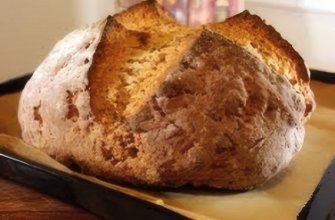
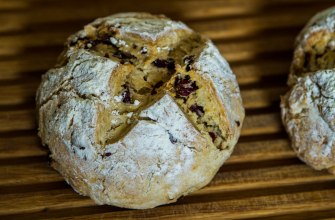
For the bread to go with it, see Irish brown bread and soda bread. For the wider tradition, see the guide to traditional Irish food.
Sources
- Bord Bia, the Irish Food Board
- Teagasc, potato varieties
- RTE Lifestyle Food, traditional Irish soups
- Dúchas, the National Folklore Collection of Ireland
- National Museum of Ireland, Country Life
- Fáilte Ireland, National Tourism Development Authority
- Vegan Feast Catering, potato and leek soup photograph, Wikimedia Commons, licensed CC BY 2.0