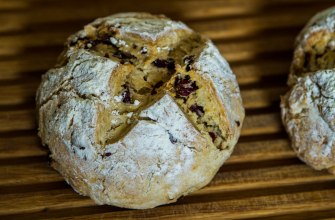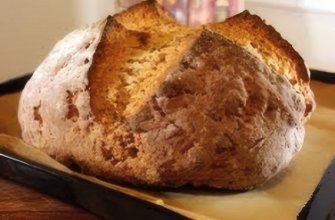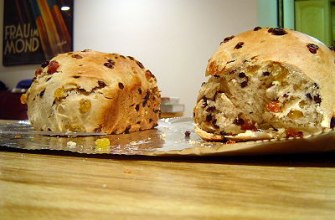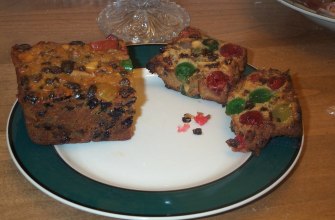
An Irish scone is taller, flakier and a little less sweet than its English cousin, and the reason is buttermilk. Where an English scone leans on milk and a soft crumb, the Irish version borrows from the soda bread tradition, using buttermilk and a light hand to lift a rustic, well-risen scone that splits cleanly for butter, jam and cream. Beyond the familiar fruit scone sits a whole family of griddle-cooked cousins, the potato fadge and the soda farl, that make the Irish scone its own thing. This guide covers the teatime scone and the savoury griddle ones, with the technique that gets the rise.
What makes an Irish scone different
The difference is small but real. Irish scones use cold butter rubbed into the flour and buttermilk for the liquid, often with a pinch of bicarbonate of soda alongside the baking powder, which is pure soda bread thinking. The result is firmer and flakier than the soft, sweeter English scone, with a craggy top and a clean split. They are meant to be plain enough to carry butter and jam rather than sweet enough to eat alone. The basic mix is flour, a little sugar, butter, buttermilk and raisins or currants, and from that base the Irish kitchen runs a dozen variations.
The Irish scone family
Scone in Ireland covers more than the round teatime bun. Several of the most Irish ones are cooked on a griddle, not baked.
- Fruit scones, the teatime classic, studded with sultanas, raisins or currants.
- Treacle scones, darkened and spiced with black treacle for an autumn flavour.
- Brown scones, made with wholemeal flour like brown bread, nuttier and denser.
- Potato fadge, the Northern Irish potato scone or potato farl, mashed potato bound with flour and butter, rolled flat and fried on a griddle, a cornerstone of the Ulster fry.
- Soda farls, the griddle-cooked soda scone cut into four, the savoury fried bread of a cooked breakfast.
The sweet baked scone goes to the tea table; the griddle scones go to the breakfast plate. Both belong to the same broad family.
The technique that gets the rise
A heavy, flat scone is almost always a handling problem, not a recipe one. A few rules fix it.
- Keep the butter cold. Rub it in quickly with cold hands, leaving a few small flecks. Those melt in the oven and lift the layers.
- Mix with a light hand. Bring the dough together until it just holds and stop. Overworking builds gluten and makes the scone tough and dense.
- Do not twist the cutter. Push it straight down and lift it straight up. Twisting seals and skews the edge so the scone rises lopsided or not at all.
- Pack them close. Sit the scones almost touching on the tray so they support each other upward as they rise.
- Glaze the tops only. Brush egg or buttermilk on the top alone, since glaze running down the sides also stops the rise.
Get those right and a plain scone climbs tall with a clean break around the middle, the sign of a good one.
Where the scone comes from
The scone reached Ireland from Scotland, where the word and the griddle tradition began, and the Irish kitchen folded it straight into its own buttermilk-and-soda way of baking. That is why the oldest Irish scones are griddle scones, cooked on a flat iron over the fire long before most cottages owned an oven. The potato fadge and the soda farl are the survivors of that hearth tradition, fried rather than baked because there was no oven to bake in. As ovens spread through the nineteenth and twentieth centuries, the sweet baked scone took over the tea table, but the griddle versions never left the breakfast plate. The result is a country with two parallel scone traditions, one for tea and one for the fry, both built on the same buttermilk that raises the bread.
Variations worth trying
Once the plain buttermilk scone is in hand, the variations come easily and each has its own following.
- Cherry and almond, glace cherries and a few flaked almonds for a richer tea scone.
- Cheese and chive, a savoury scone with mature Irish cheddar grated into the mix, served warm with soup.
- Date and walnut, chopped dates and walnuts for an autumn batch.
- Wholemeal and honey, brown scones split and drizzled with honey.
- Apple and cinnamon, grated cooking apple folded through for a moist, fruity scone.
An Irish buttermilk scone recipe
This makes about eight fruit scones. It takes minutes to mix and around fifteen to bake.
Ingredients
- 350 g plain flour
- 2 teaspoons baking powder and a pinch of bicarbonate of soda
- 75 g cold butter, cubed
- 50 g sugar
- 75 g sultanas or raisins
- About 200 ml buttermilk
- 1 egg, plus a little extra buttermilk for glazing
Method
- Heat the oven to 220C and flour a baking tray.
- Sift the flour, baking powder, bicarbonate of soda and a pinch of salt into a bowl, then rub in the cold butter until it looks like breadcrumbs.
- Stir in the sugar and the sultanas.
- Beat the egg into the buttermilk, make a well, and pour it in. Bring it together quickly with a knife into a soft dough, handling it as little as possible.
- Pat the dough out on a floured surface to about an inch thick. Do not roll it thin.
- Cut straight down with a floured cutter, no twisting, and set the scones close together on the tray.
- Brush the tops with buttermilk or beaten egg and bake for 12 to 15 minutes until well risen and golden.
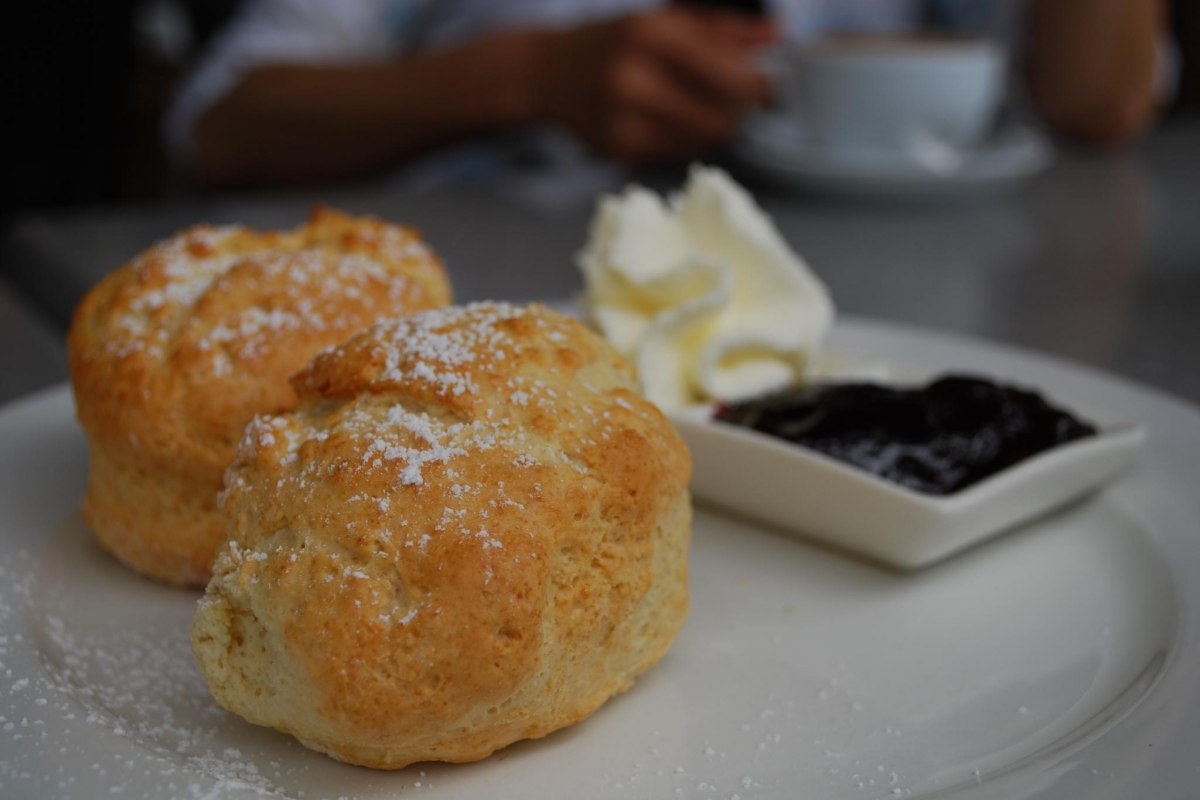
- Cool a little and split while still warm for butter, jam and a spoon of softly whipped cream.
For treacle scones, add a tablespoon of black treacle and a teaspoon of mixed spice. For brown scones, swap half the flour for wholemeal.
Storing and freezing
Scones are at their best within a couple of hours of baking and stale quickly, since they have little fat or sugar to keep them soft. Eat them the day they are made if you can. To hold them longer, freezing beats the bread bin: the dough freezes well cut into rounds and unbaked, ready to go straight from the freezer into a hot oven with a few extra minutes added, so you can bake two or three fresh at a time rather than a whole batch at once. Baked scones also freeze for up to a month and refresh in a warm oven for five minutes. A day-old scone is best split and toasted, or warmed through and smothered in butter, which hides the loss of freshness. What you should not do is microwave them, which turns the crumb tough and rubbery within seconds.
How to serve Irish scones
The classic is the cream tea: a warm scone split in two, spread with butter, then jam, then a spoon of softly whipped cream, with a pot of strong tea beside it. The Irish are relaxed about the order of jam and cream that so exercises the English, and most simply pile both on. Plain scones suit savoury company too, served warm with butter alongside a bowl of soup or a wedge of cheese. The griddle scones go the other way entirely, fried golden and served hot with bacon and eggs as part of a cooked breakfast. A scone is at its best within a couple of hours of baking, so they are made in small batches and eaten fresh.
The scones the Irish queue for
Ask in Dublin where the best scone is and two names come back more than any other. Avoca, the cafe arm of the old Wicklow weaving company, has a scone so consistently praised that its recipe is among the most copied in the country, the cheese version singled out again and again by regulars as the best they have eaten. Bewley’s on Grafton Street, the cafe trading since the nineteenth century, bakes its scones fresh through the day and makes its jam in house overnight with no preservatives, and a scone there is treated as part of the city’s furniture rather than a snack. Queen of Tarts and The Cake Cafe round out the short list locals actually argue over. The thread through the favourites is the same one the technique points to: a tall, fresh, properly split scone, eaten the day it is baked, beats a sweeter, softer one every time. The Irish, unlike the English, lose no sleep over whether jam or cream goes on first, and most simply pile on both.
Common questions
What is the difference between Irish and English scones?
Irish scones use buttermilk and often a little bicarbonate of soda, which makes them taller, flakier and less sweet, closer to soda bread. English scones tend to be softer and a touch sweeter.
Why are my scones flat and heavy?
Usually overworking the dough, warm butter, or twisting the cutter. Keep the butter cold, mix lightly, cut straight down without twisting, and bake in a hot oven.
What is a potato fadge?
Fadge is the Northern Irish potato scone, mashed potato bound with flour and butter, rolled flat and fried on a griddle. It is a savoury scone and a key part of the Ulster fry.
Do you use buttermilk or milk in Irish scones?
Buttermilk is traditional and gives the lighter, flakier rise, especially with a pinch of bicarbonate of soda. If you have none, sour ordinary milk with a little lemon juice.
Related recipes
For the breads in the same tradition, see Irish soda bread and Irish brown bread. For more teatime baking, see the guide to Irish desserts.
Sources
- Bord Bia, the Irish Food Board
- RTE Lifestyle Food, Irish baking
- Tourism Ireland, food and drink
- Dúchas, the National Folklore Collection of Ireland
- Fáilte Ireland, National Tourism Development Authority
- The Irish Times, food and drink
- Alpha, scones photograph, Wikimedia Commons, licensed CC BY-SA 2.0