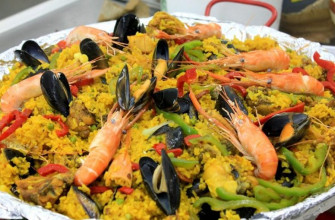
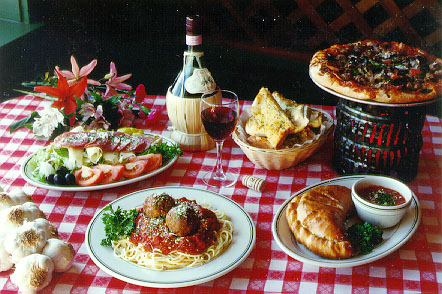
Italian food culture rests on a regional rather than national framework. The 20 Italian regions produce around 5,000 traditional food products registered under protected designation schemes, and any attempt to describe Italian cuisine as a single tradition collapses under that diversity. Pasta dominates Lazio, risotto defines Piedmont and Lombardy, polenta supplies the northern Alpine valleys, while Sicily and Calabria lean on tomatoes, citrus, and fish the northern regions rarely use. The slow food philosophy and the formal meal structure with antipasto, primo, secondo, contorno, and dolce apply across regions but the fillings of each course change every 100 kilometres. This pillar guide covers regional cuisine traditions, the formal meal structure, ingredient philosophy, the day-by-day eating rhythm in Italian households, religious and seasonal food calendars, wine pairing, table manners, and why Italy remains the birthplace of the Slow Food movement.
Twenty Regions, Twenty Cuisines
Italian cuisine is regional by default, not national. A Milanese lunch looks different from a Neapolitan one, which looks different from a Sicilian one, and the differences extend from ingredients through preparation method to meal structure and wine pairing.
Broad groupings across the regions:
- Piedmont, Lombardy, Valle d’Aosta: rice (risotto), polenta, butter as cooking fat, truffles, alpine cheeses
- Veneto, Friuli-Venezia Giulia, Trentino: polenta, pork, game, Central European influences including goulash and strudel
- Emilia-Romagna: stuffed pasta, cured meats (Parma ham, mortadella), Parmigiano Reggiano, balsamic vinegar
- Tuscany, Umbria, Marche: white beans, unsalted bread, extra virgin olive oil, wild boar, game, simple grilled meats
- Lazio, Abruzzo: Roman pasta dishes (carbonara, amatriciana, cacio e pepe), sheep’s cheese, lamb, fresh pecorino
- Campania, Puglia, Basilicata: tomato-based sauces, buffalo mozzarella, seafood, olive oil, durum wheat pasta
- Calabria, Sicily, Sardinia: citrus, spicy peppers (nduja in Calabria), capers, anchovies, fresh ricotta, Arab influences in pastry
A northern Italian restaurant that serves risotto and polenta represents a coherent tradition. A southern restaurant that serves spaghetti pomodoro and pizza represents a different coherent tradition. The fusion both, marketed abroad as Italian cuisine, represents a diaspora construction rather than a single Italian reality.
The Formal Meal Structure
A traditional Italian full meal runs through five courses, though daily meals compress the structure. Understanding the full form helps interpret how Italian restaurants present menus and how hosts serve guests at formal dinners.
The full meal sequence:
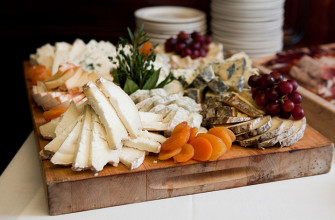
- Antipasto: before-meal plate of cured meats, cheeses, marinated vegetables, bruschetta, or seafood salad
- Primo: first course, always a starch-based dish (pasta, risotto, soup, polenta, gnocchi)
- Secondo: second course, protein-based (meat, fish, or occasionally cheese), usually served without the pasta or risotto
- Contorno: side vegetables served alongside or after the secondo, not as an accompaniment but as a distinct plate
- Dolce: dessert, ranging from tiramisù and cannoli to fresh fruit
- Caffè: espresso at the end, never cappuccino which belongs only to breakfast
- Digestivo: after-dinner amaro, grappa, or limoncello to aid digestion
Daily meals typically compress to two or three courses. Weekday lunches might be a single primo plus coffee, weekday dinners a secondo and contorno. Full five-course structures appear at Sunday family lunches, holidays, weddings, and restaurant tasting menus.
Breakfast, Lunch, Dinner: The Daily Rhythm
Breakfast (colazione) in Italian households runs light. An espresso or cappuccino with a plain cornetto (croissant) or dry biscuit biscotto suffices. Italians rarely eat eggs, bacon, or hot breakfasts unless at hotels catering to international guests. The breakfast-cappuccino rule holds firmly: ordering cappuccino after 11:00 AM marks the drinker as a tourist.
Mid-morning (around 10:00 to 10:30) an espresso and a small pastry refreshes. This pause happens at a bar counter, takes three to five minutes, and costs a euro or two.
Lunch (pranzo) runs between 12:30 and 14:00 depending on region. Milan and Rome office lunches often fit in 45 minutes with a single primo or a panino. Home lunches on weekends or in smaller towns run longer with a primo plus secondo plus coffee. Sunday lunch (pranzo della domenica) remains the central family meal in many regions, often lasting three hours with all five courses.
An afternoon aperitivo (around 18:00 to 20:00) combines a drink such as Aperol spritz, Campari, or Prosecco with a small plate of snacks. Some Milan and Turin bars include generous food buffets with the drink price, effectively substituting for dinner.
Dinner (cena) runs between 20:00 and 22:00 in most regions, slightly later in the south. Weekday dinners tend toward a single secondo plus contorno plus bread. Weekend and holiday dinners expand to multi-course structures.
Ingredient Philosophy: Quality Over Quantity
Italian home cooking rests on the quality of a few basic ingredients rather than the complexity of preparation. Extra virgin olive oil, good flour, tomatoes in season, fresh fish, seasonal vegetables, cured meats from a trusted producer, and good cheese drive the tradition. Most Italian home recipes contain fewer than 10 ingredients.
The km 0 (kilometro zero) concept, which translates to local-source, predates the English-language locavore movement. Italian households and restaurants have long favoured ingredients from the immediate region, a preference codified in the regional Denominazione d’Origine Protetta (DOP) and Indicazione Geografica Protetta (IGP) schemes.
Seasonality shapes menus. Fresh tomatoes appear in summer dishes, canned or jarred passata in winter ones. Asparagus, artichokes, porcini mushrooms, and truffles each have their month or two of peak freshness. A restaurant menu that offers fresh tomato dishes in February suggests imported or greenhouse product, which quality-conscious Italian diners notice.
Meat and fish similarly follow seasonal patterns. Game appears in autumn, seafood variety peaks in summer, roasted meats concentrate in colder months. Restaurant menus that stay static year-round signal industrial supply chains rather than seasonal sourcing.
DOP, IGP, and the Protected Designation System
Italy leads European Union countries in registered food protection designations, with over 300 products registered under DOP (Protected Designation of Origin), IGP (Protected Geographical Indication), or STG (Traditional Speciality Guaranteed). These designations legally restrict the name and production method to specific regions.
Key DOP foods that define regional identity:
- Parmigiano Reggiano DOP: hard cow’s milk cheese from the provinces of Parma, Reggio Emilia, Modena, Bologna, and Mantua
- Prosciutto di Parma DOP: dry-cured ham from a defined zone around Parma
- Mozzarella di Bufala Campana DOP: buffalo milk cheese from Campania, Lazio, Puglia, and Molise
- Aceto Balsamico di Modena IGP and Aceto Balsamico Tradizionale di Modena DOP: two different levels of balsamic vinegar regulation
- San Marzano dell’Agro Sarnese-Nocerino DOP: the tomato variety for authentic Neapolitan pizza
- Pomodoro di Pachino IGP: Sicilian cherry tomatoes
- Bresaola della Valtellina IGP: air-cured beef from northern Lombardy
These designations carry legal weight in the European Union and several bilateral trade partners. A product labelled Parmigiano Reggiano must come from the defined zone and follow the production protocol. Products from elsewhere can be called parmesan (a generic English term in some jurisdictions) but not Parmigiano Reggiano.
Pasta: Structure, Shapes, and Regional Preference
Italian pasta divides into two main categories: dry pasta (pasta secca) made from durum wheat semolina, and fresh pasta (pasta fresca) made with egg. Regional preference splits approximately along the Po valley line, with northern regions favouring fresh egg pasta and southern regions favouring dry semolina pasta.
Shape shapes sauce pairing. The traditional Italian rule matches sauce consistency to pasta shape. Thin delicate sauces go with long thin pasta (spaghetti, linguine). Meat-based sauces with chunkier texture go with tube pasta (rigatoni, penne, paccheri). Stuffed pasta (tortellini, ravioli) goes with simple butter-sage or broth preparations that let the filling speak.
Regional pasta signature dishes:
- Spaghetti alla carbonara (Lazio): guanciale, eggs, pecorino, black pepper – no cream, no bacon
- Amatriciana (Lazio, Abruzzo): guanciale, tomato, pecorino romano – no onion in strict versions
- Cacio e pepe (Lazio): pecorino romano, black pepper, pasta water
- Ragù alla bolognese (Emilia-Romagna): slow-cooked meat sauce served with tagliatelle, not spaghetti
- Tagliatelle al ragù (Emilia-Romagna): the proper Bolognese pairing
- Orecchiette con cime di rapa (Puglia): small ear-shaped pasta with broccoli rabe
- Pasta alla Norma (Sicily): tomato, eggplant, salted ricotta, basil
- Trofie al pesto (Liguria): short twisted pasta with basil pesto
- Pici cacio e pepe (Tuscany): hand-rolled thick pasta with cheese and pepper
Americanised Italian cuisine often mixes shapes and sauces in ways that Italian cooks would not, for example serving spaghetti with chunky meat sauces (instead of tagliatelle). The mismatch is not wrong per se, but it signals a separate tradition from Italian regional cuisine.
Pizza: The Neapolitan Origin and Its Variants
Pizza in its recognised modern form developed in Naples during the 18th century, when the flatbread tradition combined with the introduction of tomatoes from the Americas. The pizza Margherita, codified in 1889 to honour Queen Margherita of Savoy with tomato, mozzarella, and basil representing the Italian flag, remains the reference point for authentic Neapolitan pizza.
The Associazione Verace Pizza Napoletana (AVPN) certifies pizzerias meeting the Vera Pizza Napoletana standard: San Marzano tomatoes, buffalo mozzarella or fior di latte, Type 00 wheat flour, wood-fired oven at 485 degrees Celsius, cooking time under 90 seconds. AVPN-certified pizzerias operate worldwide including dozens in Japan, the US, and Australia.
Regional pizza variants:
- Pizza al taglio (Rome): rectangular slices sold by weight from long sheets
- Pizza alla pala (Rome): long oval pizza baked on a wooden peel
- Pinsa romana (Rome): ancient-grain mix dough, oval shape, airy crust
- Sfincione (Sicily): thick focaccia-style with tomato, anchovy, caciocavallo
- Pizza genovese (Liguria): focaccia-like thin flatbread
Pizza menus in authentic Neapolitan pizzerias typically offer 10 to 15 options rather than the American standard of 30 or more. Toppings stay limited to a small set of tested combinations, and pizza with mixed non-traditional toppings (pineapple, barbecue sauce, ranch dressing) does not appear at authentic Neapolitan establishments.
Wine: Production, Regions, and Food Pairing
Italy produces more wine by volume than any other country, with over 500 registered grape varieties cultivated across the 20 regions. DOC, DOCG, and IGT designations regulate origin and production similar to the food DOP scheme.
Major wine regions and their signature grapes:
- Piedmont: Nebbiolo (Barolo, Barbaresco), Barbera, Moscato d’Asti
- Veneto: Prosecco, Amarone, Soave
- Tuscany: Sangiovese (Chianti, Brunello di Montalcino, Super Tuscan blends)
- Emilia-Romagna: Lambrusco, Sangiovese di Romagna
- Campania: Aglianico (Taurasi), Fiano, Greco di Tufo
- Sicily: Nero d’Avola, Nerello Mascalese (Etna wines), Marsala
- Puglia: Primitivo, Negroamaro
Pairing principle matches wine body and acidity to food intensity. Light seafood pairs with crisp white wines (Vermentino, Greco di Tufo). Pasta with tomato sauces pairs with medium-acid reds (Chianti, Montepulciano d’Abruzzo). Rich meat dishes pair with full-bodied reds (Barolo, Brunello di Montalcino). Sweet wines (Moscato, Passito di Pantelleria) follow dessert courses.
Italian wine service follows simple rules. Reds open slightly cooler than English restaurants typically serve them (16-18 degrees rather than room temperature). Whites chill but not to ice-cold (8-12 degrees). House wine (vino della casa) in regional trattorias often offers remarkable value and matches the regional cuisine better than bottled alternatives.
Religious and Seasonal Food Calendar
The Italian food calendar tracks both Catholic religious holidays and agricultural seasons. Specific dishes attach to specific days across the year.
Christmas Eve (Vigilia di Natale) calls for fish-based dinners in many regions, often running multiple courses of seafood. The southern Italian tradition of the Feast of the Seven Fishes, which appears prominently in Italian-American households, has roots in this tradition though the specific seven-fish count is more a diaspora codification than a universal Italian practice.
Christmas Day (Natale) dinner varies by region. Northern Italy often serves tortellini in broth followed by capon (boiled stuffed chicken). Central Italy favours lasagna or cannelloni. Southern Italy features baked pasta (pasta al forno), roast lamb, and sweet panettone or pandoro.
Easter (Pasqua) traditions include lamb across most regions, colomba cake, and egg-themed dishes. Carnevale before Lent features fried sweet pastries (frittelle, chiacchiere). Epiphany (6 January) brings the Befana witch tradition with sweets for children.
Seasonal agricultural calendars add: asparagus festivals in April and May, cherry festivals in June, truffle hunting in autumn, olive harvest and new-oil tastings in October and November, and the vendemmia (grape harvest) festivals throughout September.
Table Manners and Dining Customs
Italian table manners carry specific conventions that differ from other European traditions.
Bread accompanies the meal but does not get buttered. Olive oil appears at higher-end restaurants for dipping, but the bread serves mainly to scoop remaining sauce (a practice called la scarpetta) or to eat alongside antipasti. Butter with bread marks the setting as either northern-region influenced or specifically hotel-buffet focused.
Pasta is eaten with a fork only. The spoon-plus-fork technique, which appears in Italian-American cuisine, does not reflect Italian practice. Twirling strands against the plate bottom produces the clean bite without needing the spoon support.
Finishing everything on the plate is polite. Leaving significant food signals that the guest did not enjoy the dish. Hosts typically serve portions reasonable for the course structure rather than the oversized American portions.
Coffee comes after dessert, not with it. Cappuccino is a morning drink, never after dinner. Tea is rarely served with meals and appears mainly in northern Italy influenced by Alpine traditions. Espresso at the end of meals often comes with a sugar cube or small amount of sugar, which is stirred briefly and drunk in one or two sips.
Slow Food: The Italian Counter-Movement
The Slow Food movement emerged in 1986 in Bra, Piedmont, when Carlo Petrini led a protest against the opening of a McDonald’s at the Piazza di Spagna in Rome. The movement formalised into an international organisation in 1989 and now operates in over 160 countries.
The core Slow Food principles are good (taste), clean (sustainable), and fair (equitable). The movement supports traditional food producers, promotes biodiversity in food crops and livestock breeds, and advocates for food education. Presidia, the Slow Food project designation, protects specific endangered foods and production methods with documented case studies.
The University of Gastronomic Sciences in Pollenzo, Piedmont, opened in 2004 as the movement’s academic arm. The university offers degree programmes in food studies attended by students from over 100 countries, and serves as a major centre for food-heritage research.
The movement’s annual Salone del Gusto and Terra Madre events in Turin bring together food producers, cooks, and advocates from around the world. The events run biennially and draw hundreds of thousands of attendees focused on regional food traditions.
Italian Food Abroad vs Italian Food in Italy
The Italian food served in most Western countries differs substantially from everyday Italian cuisine. Understanding the differences helps travellers calibrate expectations when eating in Italy.
Common abroad but rare in Italy: Caesar salad (invented in Mexico), fettuccine Alfredo (invented in Rome as a special-occasion dish but scaled up in US chains), spaghetti and meatballs (Italian-American combination), pepperoni pizza (the sausage exists but the Italian word pepperoni refers to bell peppers), garlic bread (pane all’aglio exists but not as an Italian-American side).
Common in Italy but rare abroad: aperitivo culture with pre-dinner drinks and snacks, truly regional cuisine, seasonally-varied menus, the strict separation of primi and secondi, handmade fresh pasta at mid-priced restaurants, an espresso finishing every meal, wine served in smaller glasses than Anglo-American restaurants pour.
Neither tradition is wrong. Italian-American cuisine has its own history, context, and legitimate culinary identity. However, visitors expecting restaurant Italian experience to match Olive Garden or Pizza Hut style will find Italian reality different, often simpler, and usually better when the restaurant matches regional sourcing and tradition.
Frequently Asked Questions
What should I eat on my first day in Italy?
Start with a local regional dish rather than a generic national menu. In Rome try carbonara or cacio e pepe. In Bologna, tagliatelle al ragù. In Naples, pizza Margherita. In Florence, bistecca alla fiorentina. Regional specificity signals quality in Italy more than national scope.
Is it rude to ask for Parmesan on pasta?
Depends on the dish. Pasta with fish sauces (vongole, frutti di mare) traditionally skips cheese, and asking for it draws a raised eyebrow. Pasta with tomato or meat sauces welcomes grated cheese. The waiter either offers cheese unprompted (if appropriate) or not (if not).
Why does Italian breakfast differ from British or American breakfast?
Italian breakfast evolved around the mid-morning coffee break as the substantial meal. A light colazione fits the rhythm of coffee-then-pasta-for-lunch eating patterns. Hotels that serve full English breakfast cater to international guests and do not reflect Italian household practice.
What wine should I order with pizza?
Beer is the traditional pairing with Neapolitan pizza. If you prefer wine, a light red like Lambrusco or a dry rosé matches the tomato-based pizza without overpowering the crust. Regional pairings also work: Aglianico rosato in Campania, Nero d’Avola rosé in Sicily.
Do Italians really eat three-hour Sunday lunches?
Yes, in most families especially in rural areas and the south. The Sunday lunch runs the full meal structure with extended family, typically 13:00 to 16:00 including coffee and digestivo. Weekday lunches compress significantly, and urban professionals often skip the full Sunday lunch tradition.
What is aperitivo and how does it work?
Aperitivo is the pre-dinner drink with snacks, typically 18:00 to 20:00. Classic drinks include Aperol or Campari spritz, negroni, or Prosecco. Bars serve small plates of crostini, olives, nuts, and sometimes more substantial items. In Milan and Turin some bars offer generous aperitivo buffets that can substitute for dinner for 15-25 euros total.
Can I find vegetarian or vegan food easily?
Yes across most regions. Italian cuisine includes many vegetable-based primo and contorno options. Vegetarian menus are straightforward since pasta dishes, risottos, pizzas, and vegetable secondi all work. Vegan dining is harder in traditional restaurants where dairy features prominently, but major cities now have dedicated vegan Italian restaurants that reinterpret regional dishes.
For deeper dives into specific regional traditions, see our regional food guide, our history of Italian food, and our traditional Italian food overview. For specific categories, see types of Italian food, famous Italian foods, northern Italian food, and Italian food customs. For dessert traditions see Italian food and desserts, and for specific dishes see risotto.
Sources and Further Reading
- Slow Food International, Ark of Taste catalogue
- European Commission, DOOR database of protected food designations
- Associazione Verace Pizza Napoletana, Vera Pizza Napoletana specification
- Gillian Riley, The Oxford Companion to Italian Food
- Pellegrino Artusi, Science in the Kitchen and the Art of Eating Well
- Ministero delle politiche agricole alimentari e forestali, regional food traditions register
- University of Gastronomic Sciences, Pollenzo, research publications