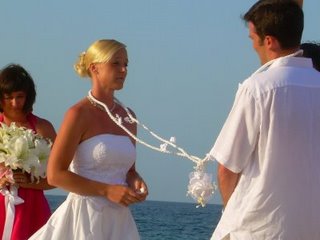
A Mexican wedding blends two religious worlds: Spanish Catholic ritual brought across the Atlantic in the 16th century, and indigenous Mesoamerican custom from the Aztec, Mayan, Zapotec, and Mixtec peoples who lived on the land long before Cortés. The result is a ceremony that runs through Catholic Mass with the lazo and arras intact, then opens into a reception that lasts six hours or longer, with mariachi, mole, and a guest list that includes godparents from every chapter of the couple’s life. This guide walks through the religious core, the attire, the food, the music, and the regional variations that distinguish a wedding in Oaxaca from one in the Yucatán or on a beach in Tulum.
Religious roots and the Catholic ceremony
About four out of five Mexicans identify as Catholic, and most weddings include a full nuptial Mass. The order of service follows the Roman Rite with two distinctive Mexican additions: the lazo, placed over the couple after the vows, and the arras, exchanged before Communion. A nuptial Mass runs roughly an hour, longer if the parish priest delivers an extended homily on marriage. Civil ceremonies, required by Mexican law since the 1859 Reform Laws separated church and state, take place either before the religious service or at the reception venue with a registrar.
The padrinos system organises the supporting cast. Padrinos are sponsors, almost always couples themselves, who take responsibility for one element of the ceremony or the celebration that follows. Common roles include padrinos de lazo (who place the rope), padrinos de arras (who carry the coins), padrinos de anillos (rings), padrinos de Biblia y rosario (Bible and rosary), padrinos de cojines (kneeling cushions), and padrinos del ramo (the bouquet given to the Virgin of Guadalupe at the end of the Mass). A large wedding can have ten or twelve padrinos couples, each contributing financially or practically to the day. The role often continues past the ceremony into a long-term mentorship of the couple’s future children.
Brides who are not Catholic, or couples marrying outside the Church, often keep the lazo and arras anyway. The two rituals have crossed into the civil ceremony as cultural markers rather than strict sacraments.
The lazo and the 13 coins
After the vows, the padrinos de lazo step forward with a long rope or rosary shaped into a figure of eight. They drape one loop over the bride’s shoulders and the other over the groom’s, joining them through the rest of the Mass. The figure-eight symbolises infinity and shared life; the joined position holds physical meaning, since the couple cannot move apart while wearing it.
The arras, presented before the offertory, is a set of thirteen gold or gilt coins. The number stands for Christ and the twelve apostles, and the gesture commits the groom to providing for the household and the bride to managing what they share. The padrinos de arras carry the coins in a small chest or tray. The groom pours them into the bride’s cupped hands; she pours them back, and he places the chest on top to seal the exchange. Some couples switch the directions of the pour to signal a partnership of equal contribution. Engraved arras sets pass through families across generations.
Wedding attire
The traditional bridal look draws from two sources. Spanish-influenced gowns are slim or A-line and pair with a chapel-length mantilla veil, a single layer of lace that falls to the shoulders rather than gathering at the crown. Brides who lean indigenous wear a huipil, the embroidered tunic that has clothed Mesoamerican women for two thousand years, paired with a long skirt and a rebozo shawl in the regional pattern. Tehuana huipiles from Oaxaca, made famous by Frida Kahlo, are common at weddings in the south, while Yucatecan brides choose the white terno with red and blue floral embroidery.
One quiet rule survives across regions: a Mexican bride does not wear pearls. The folk belief reads pearls as tears, and a pearl necklace on the wedding day is thought to invite sorrow into the marriage. Diamonds, gold, or the regional silverwork of Taxco take their place at the throat and ears.
Grooms split between two directions. The charro suit, drawn from the Jalisco horseman tradition, is heavy with silver botonadura down the trousers and pairs with a wide-brimmed sombrero; it suits a formal ceremony in central Mexico, often paired with the bride’s Spanish gown. The guayabera, a four-pocketed pleated shirt with about two centuries of history along the Gulf coast, fits a beach or destination wedding. The pleats running down the front are called alforzas, and traditional shirts carry between two and four small patch pockets. Linen guayaberas in white or ivory keep the wearer cool through a long Yucatecan afternoon and read as elegant rather than casual when paired with tailored trousers and leather huaraches.
Decor and the colour palette
Papel picado banners are the visual signature of a Mexican wedding. Tissue paper, hand-cut in workshops in Puebla and San Salvador Huixcolotla, hangs on string across courtyards, churchyards, and reception halls. The cut motifs include doves, hearts, and the names of the bride and groom. Banners come in single colours for an elegant church setting or in the full pink-yellow-blue-green range for a fiesta reception.
Floral choices follow the season and the region. Marigolds (cempasúchil) carry the strongest cultural weight, having signalled celebration and remembrance in Mesoamerica long before Cortés; calla lilies, painted by Diego Rivera into Mexican modernism, are common at altar arrangements. Bougainvillea on stone walls and dahlias at the table fill out the rest. The Virgin of Guadalupe usually appears somewhere on the altar or the entrance, in a small painting or a votive candle.
Talavera ceramics from Puebla bring blue and white to the table service. Sarapes from Saltillo or Teotitlán del Valle in Oaxaca run as table runners over white linen. Ironwork lanterns and beeswax tapers light the late hours of the reception.
Wedding feast and food traditions
The wedding meal begins with antojitos at the cocktail hour: tostadas with tinga, tamales unwrapped from corn husks, esquites in small cups, and ceviche if the wedding sits near the coast. A long main course follows, served buffet-style at most receptions and plated at the more formal ones.
Mole poblano, the chocolate-and-chili sauce of Puebla, is the wedding dish of central Mexico. The recipe pulls in more than twenty ingredients and takes a full day to cook; a bride’s mother or aunt who can produce a great mole carries serious standing in the family. The pour goes over turkey or chicken, with rice and warm tortillas alongside.
Yucatecan weddings serve cochinita pibil instead, a slow-roasted pork marinated in achiote, sour orange, and Mayan spices, then wrapped in banana leaves and cooked in an underground pit oven. Sopa de lima, the regional lime-and-chicken soup, often opens the meal. Carnitas dominate weddings in Michoacán; barbacoa, slow-cooked in maguey leaves, is the choice in Hidalgo and the central highlands. Northern weddings lean toward grilled cuts of beef from the Sonoran ranches, served family-style with flour tortillas instead of corn, and frijoles charros bubbling in clay pots on the side.
Sangria mixed with red wine, brandy, fruit, and soda water travels around the tables. Tequila and mezcal arrive for the toasts, in flights of three to taste a young blanco against a longer-aged reposado and añejo. Aguas frescas in tamarind, hibiscus (jamaica), and horchata serve guests who do not drink. Pan dulce arrives toward the end of the meal, with conchas, cuernos, and orejas piled on the dessert table next to the cake.
Wedding cookies and cakes
Mexican wedding cookies, known across regions as polvorones or biscochitos, sit in white pyramids on the dessert table. The recipe is shortbread heavy on butter, finely ground almonds or pecans, cinnamon, and anise, baked into round, crescent, or diamond shapes and rolled in icing sugar while still warm. The diamond shape signals purity, and the powdered sugar coating echoes the white of the dress. The same cookie travels under different names across the world: kourabiedes in Greece, polvorones in Spain, Russian tea cakes in eastern Europe, sand tarts in the United States. Spanish bakers carried the recipe into the Americas in the 16th century, and the biscochito has been the official state cookie of New Mexico since Senate Bill 96 passed in 1989.
The wedding cake itself runs to two main forms. Tres leches, a sponge soaked in evaporated, condensed, and whole milk, is the most common choice; the cake stays moist for days and feeds a large crowd. Rosca, a citrus cake topped with marzipan, appears at weddings in central Mexico that lean Spanish in their food choices. Some couples serve a tiered fondant cake for cutting and a separate pyramid of polvorones for the guests.
Music and dance
Mariachi originates in the state of Jalisco, in the small towns around Cocula and Tlaquepaque, where the modern ensemble of violins, vihuelas, guitarrón, trumpets, and harp took shape during the 19th century. UNESCO inscribed mariachi on the Representative List of Intangible Cultural Heritage in 2011. A full mariachi at a wedding shows up three times: a serenata at the bride’s home before she leaves for the church, the recessional after the Mass, and a live set at the reception. Standard wedding repertoire includes “Cielito Lindo”, “La Bikina”, “El Mariachi Loco”, and “El Son de la Negra”, with a bolero for the first dance. Mariachis wear the charro outfit in coordinated colours, often black with silver, white in northern weddings, and dark blue along the Gulf.
Regional alternatives shape the sound elsewhere in the country. Banda from Sinaloa swaps strings for tubas, trombones, and clarinets. Norteño from the border states centres on the accordion and the bajo sexto. Son jarocho from Veracruz uses the small jarana guitar and the harp, with the famous “La Bamba” as a wedding-floor staple. Marimba ensembles from Chiapas play softer cocktail-hour sets.
The vibora de la mar, the sea-snake dance, sets the bride and groom on chairs holding their veil and tie aloft. Guests link hands and run under the raised veil in a long, snaking line, and the bridal pair rocks the chairs while the mariachi plays a fast version of the song of the same name. The dance can run for twenty minutes; staying on the chair without falling is part of the entertainment.
The money dance, the baile del dólar, follows: relatives and close friends pin folded peso or dollar bills to the bride’s dress and the groom’s jacket while taking turns dancing with each. The collected money traditionally helped fund the honeymoon, and the gesture survives as a way for guests to share a brief one-on-one with the newlyweds. La quinta, the fifth hour, is the unofficial close of the night, when breakfast tacos arrive for guests still on the dance floor.
Wedding favors and edible gifts
Mexican wedding favors lean edible and regional. Small jars of homemade salsa or mole paste, miniature bottles of tequila or mezcal, and boxed polvorones travel home with guests. Sugar-coated almond bolas de novia in pastel colours sit at each setting in tulle pouches. Calla lily silk flowers tied with raffia work as place markers and take-home pieces. Maracas in pastel colours sit at each setting and double as noise for the first dance. Cascarones, hollow eggshells filled with confetti and sealed with tissue paper, get cracked over the bride and groom for blessings; they began as a Spanish import in the colonial period and remain common in central and southern Mexico.
Practical favors include handmade Talavera tile coasters, beaded keychains, embroidered handkerchiefs from San Cristóbal de las Casas, and small bags of ground coffee from Veracruz or Chiapas, often supplied by local artisans rather than mass-produced suppliers.
Invitations and stationery
Wedding invitations arrive bilingual, Spanish first and English second, with a small papel picado motif at the corner or a Talavera tile pattern at the border. Both families appear as hosts on the invitation, following the Spanish convention of inviting guests to “have the honour of accompanying” the couple. Couples planning destination weddings on the Caribbean or Pacific coasts send save-the-dates eight to twelve months ahead, with hotel block information for guests flying in. The names of the padrinos appear on a separate insert.
Reception structure and timing
A Mexican wedding reception runs from the late afternoon until two or three in the morning. The shape is consistent: cocktail and antojitos hour at six or seven, sit-down or buffet dinner at eight or nine, speeches and the padrinos toast between courses, cake cutting around eleven, vibora de la mar and money dance between midnight and one, and an open dance floor that stretches into the small hours. Two attendants, the madrina de copas (in charge of the toast glasses) and the madrina de recuerdos (in charge of distributing the favors), move through the room during the formal portion of the evening.
The first dance carries its own staging. After the bride and groom take the floor for a slow waltz or a bolero, guests join hands around them and form a heart shape, holding the perimeter steady through the song. The mariachi keeps the tempo down for that moment, then lifts the room into faster music and brings the rest of the floor in.
Regional variations
Yucatecan weddings centre on cochinita pibil and jarana dancing, the upbeat regional couple’s dance with origins in Spanish jota and Mayan footwork. Brides wear the Yucatecan terno; ceremonies often take place in haciendas around Mérida.
Weddings in Oaxaca serve mole negro, the darker and more complex cousin of the Pueblan mole, and pour mezcal toasts in artisanal copitas. Zapotec embroidery from Teotitlán del Valle shows up on rebozos and table runners. Northern weddings in Sonora, Chihuahua, and Nuevo León run banda or norteño music and feature carne asada cooked over mesquite at long outdoor spreads.
Central highland weddings in Mexico City, Puebla, and Querétaro hold the closest to the full Catholic-ceremony-with-mariachi template. San Cristóbal de las Casas weddings in Chiapas often blend Tzotzil or Tzeltal indigenous elements with the Catholic ceremony, including copal incense and pre-Hispanic music alongside the Mass. San Miguel de Allende and Guanajuato hold many of the country’s destination weddings for couples seeking a colonial-town setting without leaving the cultural core.
Planning a destination Mexican wedding
Five regions take the bulk of destination weddings: the Caribbean coast around Cancún and Tulum, the Pacific around Cabo San Lucas and Puerto Vallarta, the Yucatán hinterland around Mérida, the colonial highlands around San Miguel de Allende, and the wine country of Valle de Guadalupe in Baja California. Each carries different paperwork and different costs.
The legal versus symbolic question matters. A civil ceremony in Mexico requires a residency interview, blood tests, original birth certificates with apostille, and witness signatures with Spanish translation at the local Registro Civil. Most foreign couples handle this by marrying legally at home and treating the Mexican event as a symbolic ceremony. The peak season runs November through April, the dry months along both coasts; couples should book the venue eight to twelve months ahead and reserve guest accommodation early in destinations with limited rooms. Hurricane season runs from June through October on both coasts, with the highest risk in September.
Local wedding planners handle vendor coordination, paperwork translation, and the language gap with photographers, mariachis, and florists. A planner with experience in destination weddings is the difference between a smooth long weekend for the guests and a drawn-out logistical effort. The full wedding planning stack works in cultural traditions across Mexico from coast to colonial centre.
Frequently Asked Questions
Do all Mexican weddings include a Catholic Mass?
Most do, since about four out of five Mexicans identify as Catholic. A growing share of couples choose civil-only ceremonies or symbolic outdoor weddings without a Mass, but they often retain the lazo and arras as cultural markers.
What is the meaning of the 13 coins?
The thirteen arras coins represent Christ and the twelve apostles. The exchange between bride and groom, with each pouring the coins back to the other, signals a shared commitment to provide for the household and to manage what they own together.
Why are pearls avoided at Mexican weddings?
Mexican folk belief reads pearls as a symbol of tears, and a bride who wears them on the wedding day is thought to invite sorrow into the marriage. Brides choose diamonds, regional silver from Taxco, or gold instead.
What is the vibora de la mar?
The vibora de la mar, or sea-snake dance, sets the bride and groom on chairs holding their veil and tie above their heads. Guests join hands in a long line and run under the raised cloth while the mariachi plays the song of the same name. The dance often follows the cake cutting and can run for twenty minutes.
How long does a Mexican wedding reception last?
A reception runs five to seven hours from start to finish, often longer at family weddings in the central highlands. The night ends with breakfast tacos, the unofficial fifth-hour tradition known as la quinta, served to guests still on the dance floor.
Sources and Further Reading
- UNESCO Representative List of Intangible Cultural Heritage of Humanity, mariachi inscription in 2011
- Mexican Cultural Institute publications on Catholic-indigenous syncretism
- Diana Kennedy, The Cuisines of Mexico (regional food sources for wedding feasts)
- Museo Nacional de Culturas Populares, Mexico City
- State of New Mexico, Senate Bill 96 of 1989, declaring the biscochito the official state cookie