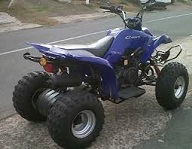
Conti has been a long-running brand name in the entry-level South African quad-bike market, with the 150 cc class sitting at the affordable end of a category used for farm work, recreational off-road riding, and tourist trail outings on game lodges and beach areas across the country. The 150 cc displacement bracket is the smallest size that pulls an adult rider across rough ground at a useful pace and the largest size that most novices can ride without a full motorcycle licence under South African road rules. This guide walks through what a buyer or a holiday renter should know about a 150 cc Conti: the engine class, the typical specifications, the legal position, the kind of terrain it suits, and the practical points around maintenance and second-hand purchase.
The 150 cc Class in Context
Conti is one of several South African importer brands that have built quad bikes around four-stroke single-cylinder engines in the 100 to 200 cc range. The 150 cc engine class typically delivers a top speed in the 50 to 70 kilometres per hour range on level ground, with a useful pulling capacity for towing small trailers and for climbing moderate gradients on dirt and sand. Air cooling rather than liquid cooling is the standard arrangement at this price point, and most 150 cc machines run on a chain final drive with either a manual gearbox of four to five speeds plus reverse or a continuously variable transmission.
The class sits below the larger 250 to 700 cc utility quads used by working farms and above the under-100 cc machines marketed mostly to children and teenagers. A 150 cc quad bike is not a substitute for a larger utility ATV on heavy farm work but works well for light tasks, recreational riding, and short distance trail use.
Specifications to Check on a Conti 150
Key specifications to check on a Conti or comparable 150 cc quad bike:
- Engine: four-stroke single cylinder, 149-150 cc, air-cooled, electric start + kickstart backup
- Transmission: manual 4-5 speed with reverse, or CVT automatic
- Front suspension: independent A-arm
- Rear suspension: swingarm with single shock
- Brakes: drum front, hydraulic disc rear (common combination)
- Tyres: 8-10 inch off-road knobbly
- Dry weight: 120-140 kg
- Fuel tank: around 5 litres
- Ground clearance: 100-120 mm
The standard specifications buyers should check on a Conti or any comparable 150 cc quad bike start with the engine: a four-stroke single cylinder of around 149 to 150 cc displacement, air cooled, with electric start and usually a kickstart back-up. The transmission should be either a manual gearbox of four to five forward speeds with reverse, sometimes called a stick-shift configuration, or a continuously variable transmission with automatic operation. The front suspension on machines in this class is usually an independent A-arm setup, with a swingarm rear suspension and a single shock.
Brakes vary, with drum brakes on the front and a hydraulic disc on the rear being a common combination. Tyres are eight to ten inch off-road knobbly type. The dry weight on a 150 cc class machine usually runs around 120 to 140 kilograms, the fuel tank capacity around 5 litres, and the ground clearance around 100 to 120 millimetres.
The overall length sits in the 1.4 to 1.6 metre range, the width around 0.9 metres, and the height around 0.9 to 1 metre. Buyers should always check these numbers on the actual machine and not rely on a generic catalogue.
Legal Status and Licensing in South Africa
South African road traffic law treats quad bikes under the broader category of motor vehicles that require registration if used on public roads. The position of a 150 cc quad bike depends on whether the buyer plans to ride it on private land only or on public roads. Private land use, including farms, off-road parks, and game lodges, generally does not require registration or a licence, although the landowner sets the rules.
Public road use requires the quad bike to be registered with a number plate, fitted with the required lights and indicators, and ridden by a licensed driver. The South African motorcycle licence categories distinguish between machines under and over 125 cc engine displacement, and a 150 cc quad bike falls above the 125 cc threshold, which means a code A1 motorcycle licence is required for road use under most provincial interpretations. Helmet rules apply on public roads.
Anyone planning to ride a quad bike outside private land should confirm the current rules with the relevant provincial road traffic authority before buying. The K53 driver testing system covers motorcycle classes including A1.
Terrain and Real-World Use
A 150 cc quad bike covers a useful range of South African terrain types but reaches its limit on the rougher ground that larger utility ATVs handle without difficulty. The class works well on hard-packed dirt roads, on sandy beach and dune terrain at moderate speed, on light farm tracks, and on the kind of recreational off-road parks that have built up around the major South African cities. Heavy mud, deep river crossings, steep climbs with a load, and continuous high-speed running on rough rural roads push a 150 cc machine harder than it is designed for and shorten its working life.
Game lodges and tourist operators that run quad bike trail tours typically use machines in the 150 to 250 cc range as a compromise between cost, ease of use for novice riders, and the terrain on the trails. South African beach areas where quad biking is permitted under provincial coastal management rules also tend to use machines in this class. Riders should always wear a helmet, eye protection, gloves, and sturdy footwear regardless of where the riding takes place.
Buying New or Second-Hand
The South African market for entry-level quad bikes runs through a mix of new dealers, importer outlets, and a healthy second-hand market on online classified platforms and at off-road specialist shops. New 150 cc machines from Conti and similar brands occupy the lower price tier of the new ATV market, with higher-end Japanese and American brands such as Honda, Yamaha, and Polaris commanding several times the price for larger utility machines. The second-hand market for 150 cc quads runs lighter use machines through at low cost, although buyers should inspect for chassis cracks at the steering head and the swingarm mounts, check the chain and sprocket wear, look for oil leaks at the crankcase joints, and confirm that the brakes work on both axles.
A quad bike that has been used hard on dunes or in salt water will show corrosion on the frame and the wheel hubs that a more carefully used machine will not. Take a torch and look under the chassis. Run the engine cold and listen for top-end noise. Buying through a dealer who offers a service record gives a buyer more recourse than a private sale through an online platform.
Maintenance Points for the Class
Maintenance on a 150 cc quad bike runs along the lines of any small motorcycle engine, with a few quad-specific points. Engine oil should be changed at the manufacturer’s interval, usually around every 1,000 kilometres or every 20 hours of use, with a quality four-stroke motorcycle oil rather than a car engine oil that may contain friction modifiers harmful to a wet clutch. The air filter on a quad bike works in dusty conditions and needs cleaning more often than the equivalent road motorcycle, with an inspection every few hours on dune or dirt riding.
The chain needs lubrication every few rides and adjustment to keep the slack within manufacturer limits. Tyres should be checked for pressure and for sidewall damage before each ride. Brakes need a check at the lever for free play and at the disc and drum surfaces for wear.
The cooling fins on the engine should be kept clear of mud, since an air-cooled engine relies on airflow over the fins to manage temperature. Annual or biannual workshop service by a competent mechanic catches the wear that a rider may miss.
How much does a Conti 150 cc quad bike cost in South Africa?
New Conti and comparable 150 cc quad bikes sit at the lower price tier of the South African ATV market. Prices vary by dealer and model year. Second-hand machines sell for less through online classified platforms and off-road specialist shops, though buyers should inspect for chassis cracks, chain wear, and salt corrosion before committing. Japanese and American brands such as Honda, Yamaha, and Polaris command several times the price for larger utility machines.
Can I ride a quad bike on the beach in South Africa?
Quad biking on South African beaches is regulated by provincial coastal management rules and municipal bylaws. Several coastal areas in the Eastern Cape, KwaZulu-Natal, and the Western Cape permit quad biking on designated stretches of beach, but riders need to confirm the current local rules with the relevant municipal office before riding. Helmets and protective gear are required, and riding in protected dune or conservation areas carries heavy fines.
Sources and Further Reading
- South African National Road Traffic Act and Regulations, current consolidated text, gov.za
- Department of Transport K53 motorcycle licence test material, dot.gov.za
- Outdoor Adventure South Africa industry directory of registered ATV operators, sa-venues.com
- Manufacturer technical reference sheets for entry-level four-stroke single-cylinder ATV engines, cross-checked across brands
Frequently Asked Questions
Do I need a licence to ride a 150 cc quad bike in South Africa?
Public road use requires registration and a code A1 motorcycle licence under most provincial interpretations of the National Road Traffic Act, since 150 cc sits above the 125 cc threshold. Private land use on a farm or off-road park does not require a licence, although the landowner sets the rules.
How fast does a 150 cc quad bike go?
A 150 cc class quad bike typically reaches around 50 to 70 kilometres per hour on level ground, depending on rider weight, gearing, and engine condition. The class is not built for high-speed work and runs best at moderate speeds on rough terrain.
Is a 150 cc Conti suitable for a beginner?
Yes, the 150 cc class is a standard entry point for adult quad bike riding. Beginners should still take a training session before riding alone and should always wear a helmet and protective gear.
What should I check when buying second-hand?
Inspect the frame for cracks at the steering head and swingarm mounts, check the chain and sprocket wear, look for oil leaks at the crankcase, confirm that both axles brake correctly, and look for corrosion from salt water or dune use.