Spanish heraldry developed in the eleventh century alongside the parallel traditions in France, England, and the Holy Roman Empire, and shares the same battlefield origins: knights covered in plate armour needed visible identifying marks, and the painted shield became the practical solution. Spanish heraldry then took on regional features that set it apart from the rest of Europe, including the inheritance of arms through both paternal and maternal lines, the unusual pattern of nobility tied directly to military service, and the limpieza de sangre rules that conditioned the right to bear arms on documented Christian ancestry.
This guide covers the origins of heraldry in medieval Spain, the structure of the Spanish coat of arms with its quartered shield format, the nobility system from grandee through hidalgo, the limpieza de sangre certificates that gatekeeper noble status from the fifteenth century onwards, the design vocabulary of charges and tinctures used in Spanish arms, and the modern role of heraldry in Spanish state symbols and family lineage research.
Origins of Spanish Heraldry
The earliest Spanish heraldic shields date from the late eleventh century, in the same generation as the first French and English coats of arms. The Spanish kingdoms of Castile, Leon, Navarre, and Aragon all developed regional heraldic traditions during the Reconquista, the centuries-long campaign against Muslim al-Andalus. Knights serving in this campaign needed visible identification on the battlefield and in tournament jousting, and the painted shield became the standard solution.
The early Spanish shield used a simple rounded-bottom shape with a flat or square top, derived from the kite shield used by Norman knights in the same period. The Iberian peninsula produced its own variations: the Spanish shape known as the escudo espanol developed in the thirteenth and fourteenth centuries, with a square top and a curved bottom that resembles a drinking horn. This shape remains the standard Spanish heraldic format today.
Heraldic registers and rolls of arms were maintained from the twelfth century by royal heralds (reyes de armas) appointed by the Castilian and Aragonese crowns. The office of king of arms continued in Spain into the modern period, with the last Cronista Rey de Armas formally serving until 2009 before the post was abolished by royal decree.
The Quartered Shield: Spanish Family Heraldic Format
Spanish coats of arms developed a distinctive quartered shield format from the fifteenth century onward. The shield is divided into four quarters by a vertical and a horizontal line through the centre. Each quarter holds the arms of one of the bearer’s four grandparents (paternal grandfather, paternal grandmother, maternal grandfather, maternal grandmother). The arrangement makes the bearer’s full noble lineage visible in a single shield.
This four-quarter format differs from the English heraldic tradition, where a married woman’s arms would appear in a smaller escutcheon overlaid on her husband’s shield (an inescutcheon of pretence). Spanish practice gives equal visual weight to maternal and paternal lines, which reflects the legal rule that Spanish arms can descend through either parent. Earlier medieval Spanish shields were divided in half (party per pale) with the husband’s arms on the right and the wife’s on the left, before the four-quarter format took over in the eighteenth century.
Some Spanish noble families display arms with five, six, or eight quarters when documenting more elaborate ancestries, especially when descent from royal houses or specific historical figures is part of the family claim. The Casa de Alba and other grandee families occasionally display shields with sixteen or even thirty-two quarters at major ceremonial events, each representing a documented ancestor. The visual examples of these multi-quartered family shields appear in our companion guide to Spanish family crests.
Spanish Nobility: From Grandee to Hidalgo
The Spanish noble hierarchy developed a more rigid structure than most European peerages. The main ranks from highest to lowest:
- Grande de Espana (Grandee of Spain): The highest non-royal title, granted by the monarch. Grandees were entitled to remain covered in the king’s presence and to be addressed as “cousin” by the monarch. Approximately 400 grandee titles exist today.
- Duque (Duke): The highest titled rank below grandee. Most Spanish dukes also hold grandee status.
- Marques (Marquess): Mid-rank titled nobility. Approximately 1,400 marquess titles in modern Spain.
- Conde (Count): Mid-rank titled nobility. Approximately 1,000 count titles.
- Vizconde (Viscount): A junior title, less common in Spanish practice than in French.
- Baron (Baron): Used mainly in the former Crown of Aragon (Catalonia, Aragon, Valencia).
- Senor (Lord): A title attached to a feudal seigneury, mostly historical.
- Caballero (Knight): Knighted nobility without a hereditary title.
- Hidalgo (Gentleman): The lowest rank of nobility, derived from “hijo de algo” (son of something), denoting documented noble ancestry without a specific title.
The hidalgo class was distinctive to Spain. Hidalgos enjoyed the legal privileges of nobility (exemption from certain taxes, immunity from torture in legal proceedings, the right to bear arms) without holding a specific peerage title. The hidalgo class became proportionally large in northern Spain, particularly in the Basque Country and Asturias, where significant fractions of the population claimed hidalgo status by the seventeenth century. The legal protections of hidalgo status persisted into the early nineteenth century.
Limpieza de Sangre and the Right to Bear Arms
From the late fifteenth century, the Spanish concept of limpieza de sangre (cleanliness of blood) added a religious-genealogical condition to noble status. Anyone seeking to register a coat of arms, hold a noble title, enter a military religious order, qualify for certain civic offices, or emigrate to the Spanish American colonies had to prove four generations of Christian ancestry without any documented Jewish, Muslim, or African descent.
The limpieza de sangre regime grew out of the Reconquista and the 1492 expulsion of Spanish Jews. It produced an enormous bureaucracy of genealogical certificates (probanzas de limpieza) that documented family trees back to four or five generations. These certificates were notarised, registered, and frequently challenged in legal proceedings. The system created an active market in genealogical research and made the maintenance of family records a critical part of noble status preservation.
The limpieza system was abolished only gradually through the eighteenth and nineteenth centuries. Charles III’s 1783 royal decree removed religious restrictions on most professional offices, and the constitutional reforms of the nineteenth century ended the legal weight of blood-purity certificates. The historical archives of these certificates, however, remain a major resource for genealogical research in Spain and Latin America today.
Spanish Heraldic Vocabulary: Charges and Tinctures
The visual language of Spanish heraldry follows the wider European convention with regional adaptations. The basic colours (tinctures) are:
- Or (gold/yellow) and argent (silver/white) as the two metals
- Gules (red), azure (blue), sable (black), vert (green), and purpure (purple) as the basic colours
- The rule of tincture (no metal on metal, no colour on colour) applies in Spanish heraldry as in the rest of Europe, with some regional exceptions
Common Spanish charges (the figures placed on the shield) include the lion of Leon, the castle of Castile, the bars of Aragon, the chains of Navarre, the eagle of Saint John associated with the Catholic Monarchs, and a wide range of religious symbols (crosses, scallop shells of Santiago, the Sacred Heart). Family arms often incorporate canting elements (charges that play on the family name): the Salinas family arms include salt cellars, the Aguilar arms include eagles (aguila), and so on.
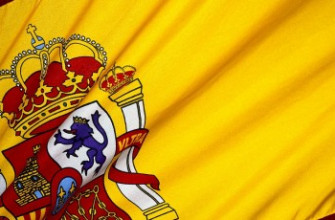
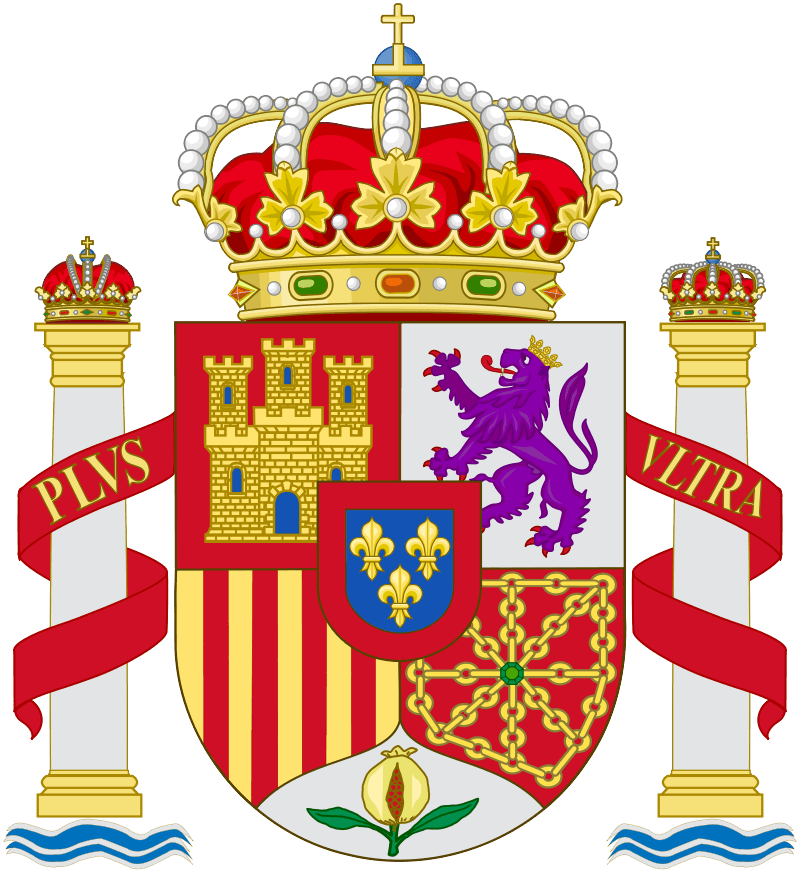
The Spanish national coat of arms today combines the traditional kingdoms of Castile (castle), Leon (lion), Aragon (red and gold bars), Navarre (chains), and Granada (pomegranate) within a quartered shield, with the dynastic arms of the House of Bourbon-Anjou in the centre. The Pillars of Hercules flank the shield with the motto “Plus Ultra” referencing Spain’s overseas empire. The same heraldic vocabulary appears in carved form on the country’s major historical buildings, covered in our guide to famous Spanish monuments.
Modern Heraldry and Genealogical Research
The Spanish heraldic register is maintained by the Real Asociacion de Hidalgos de Espana (Royal Association of Hidalgos of Spain), the closest contemporary equivalent to a state heraldic office. The Cronista de Armas posts that historically certified coats of arms were abolished by royal decree in 2009, ending the formal state heraldic authority. New family arms are now registered with the Hidalgos association or with private heraldic registries rather than with the Crown.
Genealogical research in Spain remains active. The Archivo Historico Nacional in Madrid holds the limpieza de sangre certificates and noble title records of the early modern period. The Archivo General de Indias in Seville holds the colonial-era records. The Archivo de la Real Chancilleria in Valladolid holds the legal proceedings of noble status disputes. The wider historical timeline of Spain covers the political events that shaped each phase of noble title creation. Researchers tracing Spanish family arms typically combine archival research with modern DNA testing and online databases. The broader subject of Spanish family crests covers the visual examples of how arms were displayed in family homes, churches, and tomb monuments.
Frequently Asked Questions
When did heraldry begin in Spain?
Spanish heraldry developed in the eleventh century, in parallel with the rest of medieval Europe. The earliest documented Spanish coats of arms date from the late eleventh and early twelfth centuries, used by knights of the Reconquista campaigns against Muslim al-Andalus. Our overview of traditional Spanish clothing covers the medieval garments that knights wore beneath the heraldic surcoats and tabards of this period.
What makes Spanish heraldry different from English heraldry?
Spanish heraldry allows arms to descend through both paternal and maternal lines, while English heraldry traditionally favours the paternal line. Spanish shields use a four-quarter format with each quarter representing a grandparent, while English shields more often use a single-shield format with marriage shown by an inescutcheon of pretence. Spanish nobility was historically based on military service to a much greater extent than English nobility. Several of the figures profiled in our overview of famous Spanish-speaking people earned their titles through this military route.
What is a hidalgo?
A hidalgo is the lowest rank of Spanish nobility, derived from “hijo de algo” (son of something), indicating documented noble ancestry without a specific title. Hidalgos enjoyed the legal privileges of nobility including the right to bear arms but did not hold a peerage title. The hidalgo class was proportionally large in northern Spain, especially in the Basque Country and Asturias.
What was limpieza de sangre?
Limpieza de sangre (cleanliness of blood) was the Spanish doctrine that required four generations of documented Christian ancestry, without Jewish, Muslim, or African descent, to qualify for noble status, certain civic offices, military religious orders, or emigration to the Spanish American colonies. The system was abolished gradually through the eighteenth and nineteenth centuries.
Can I look up my family coat of arms in Spain?
Yes, through specialist genealogical archives. The Archivo Historico Nacional in Madrid holds the early modern noble title records. The Real Asociacion de Hidalgos de Espana maintains a contemporary heraldic register. Several private companies sell coat-of-arms reproductions based on surname matches, but these vary widely in accuracy and most surname-based “family crest” sales are commercial inventions rather than documented historical arms.
Does the Spanish state still issue noble titles?
Yes. The Spanish monarch continues to grant noble titles, though sparingly. Recent grants include the marquessate of Vargas Llosa (to the Nobel Prize-winning author Mario Vargas Llosa) and dukedoms granted to senior political and royal family figures. The Crown also recognises and rehabilitates older titles whose succession was interrupted.
Sources and Further Reading
- Spanish heraldry overview – en.wikipedia.org/wiki/Spanish_heraldry
- Coat of arms of Spain – en.wikipedia.org/wiki/Coat_of_arms_of_Spain
- Real Asociacion de Hidalgos de Espana – hidalgosdeespana.es
- Archivo Historico Nacional – cultura.gob.mx (Spanish national archives)
- Archivo General de Indias, Seville – cultura.gob.es/archivo-de-indias