Shopping in Barcelona splits cleanly into four worlds: luxury on one grand avenue, the high-street crush around one pedestrian street, independent Catalan design in the old quarters, and the markets. Knowing which district does what saves you walking the wrong way, and knowing what is actually made here, rather than the same global brands you have at home, is what turns shopping into something worth the suitcase space. This guide covers the districts, the local products to buy, the markets including a famous flea-market auction, and the practical rules on sales, Sunday closing and tax refunds.
It sits inside the wider things to do in Barcelona guide; pair it with the area you are based in from the where to stay guide, since several shopping districts double as places to stay.
The shopping districts
The official Barcelona Shopping Line, a five-kilometre axis running from the seafront up through the Ramblas, Passeig de Gràcia, Rambla de Catalunya and the Diagonal, threads the main districts together. Here is what each is actually for.
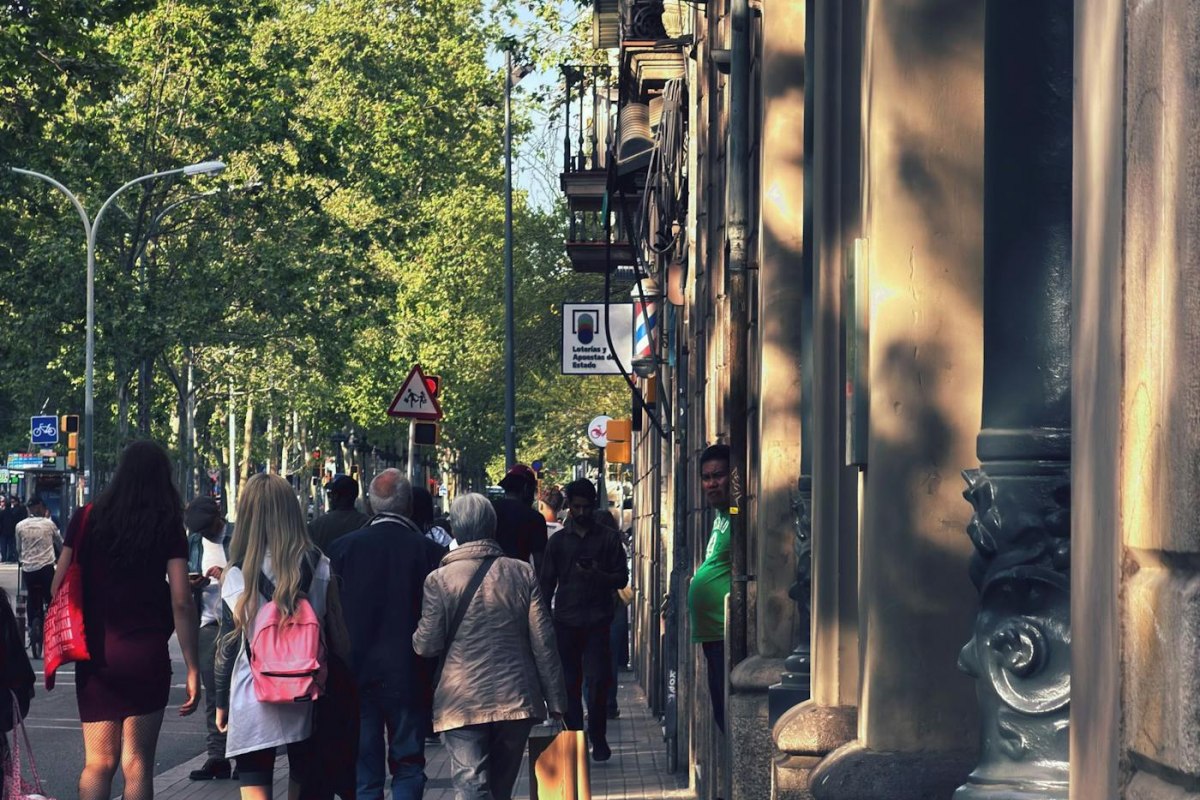
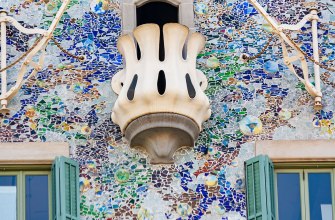
- Passeig de Gràcia: the luxury avenue, lined with international flagships and Spanish names, where the Modernisme architecture of Casa Batlló and La Pedrera doubles as the backdrop. For high-end fashion and the grand shopping experience. Metro Passeig de Gràcia.
- Portal de l’Àngel: the busy pedestrian high-street run from Plaça de Catalunya into the old town, packed with Zara, Mango and the mid-market chains, with the El Corte Inglés department store on the square itself. For everyday fashion at speed. Metro Catalunya.
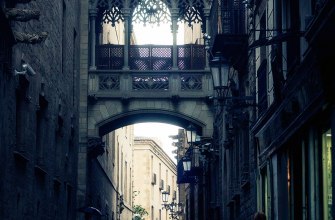
- El Born: the independent quarter, where the medieval lanes around the Passeig del Born hold concept stores, young Catalan designers and one-off boutiques. For design-led and original pieces. Metro Jaume I.
- Gràcia: the village district of small boutiques, vintage shops, artisan studios and local makers, slower and less branded than the centre. For crafts and independent labels. Metro Fontana.
- El Raval, Carrer de la Riera Baixa: the street of vintage and second-hand, with streetwear and record shops alongside. For retro clothing and a rummage. Metro Liceu.
- Avinguda Diagonal: the upper avenue where the malls cluster, the L’Illa shopping centre and a second large El Corte Inglés, for one-roof, air-conditioned shopping away from the crowds. Metro Maria Cristina.
- La Roca Village: the designer outlet a half-hour out of town, reached by a shuttle bus from the centre. Honestly, it is a tourist-coach destination of discounted brands; worth it only if outlet prices are your goal, not local character.
What to actually buy: local and Catalan
Skip the fridge magnets. These are the things genuinely rooted in Barcelona and Catalonia, the souvenirs worth carrying home.
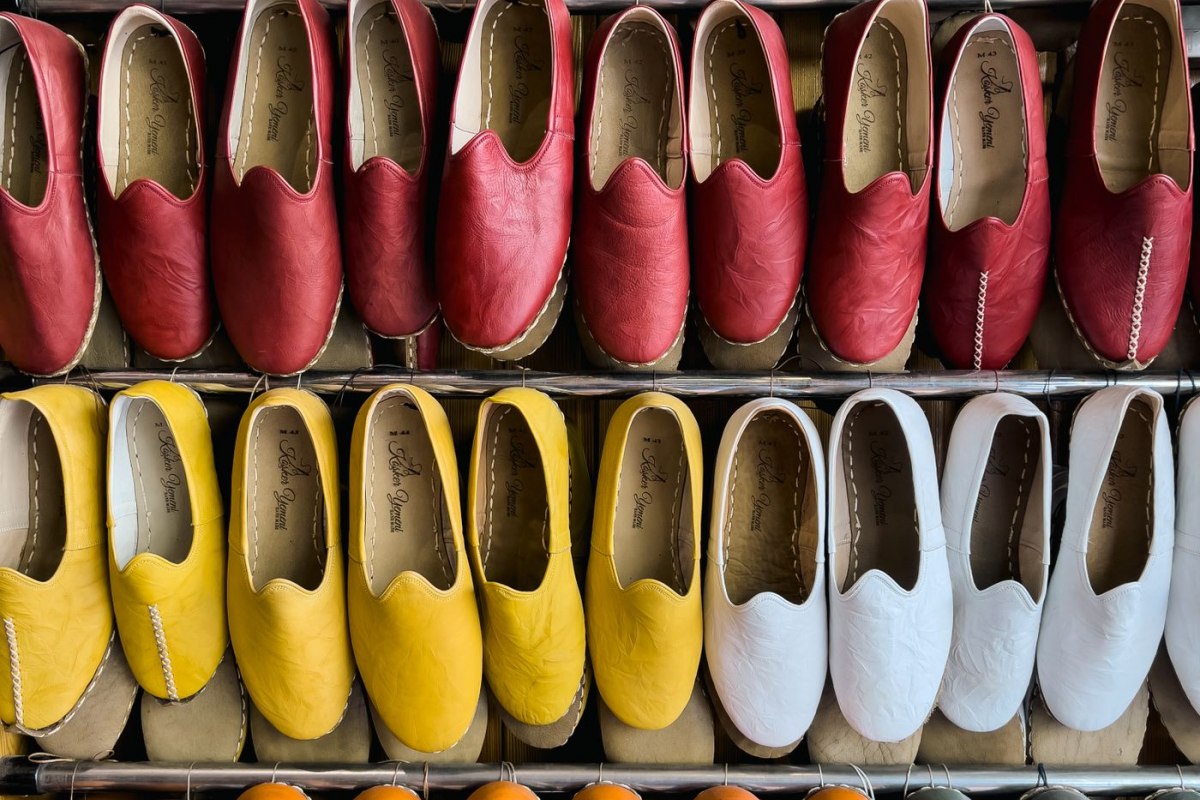
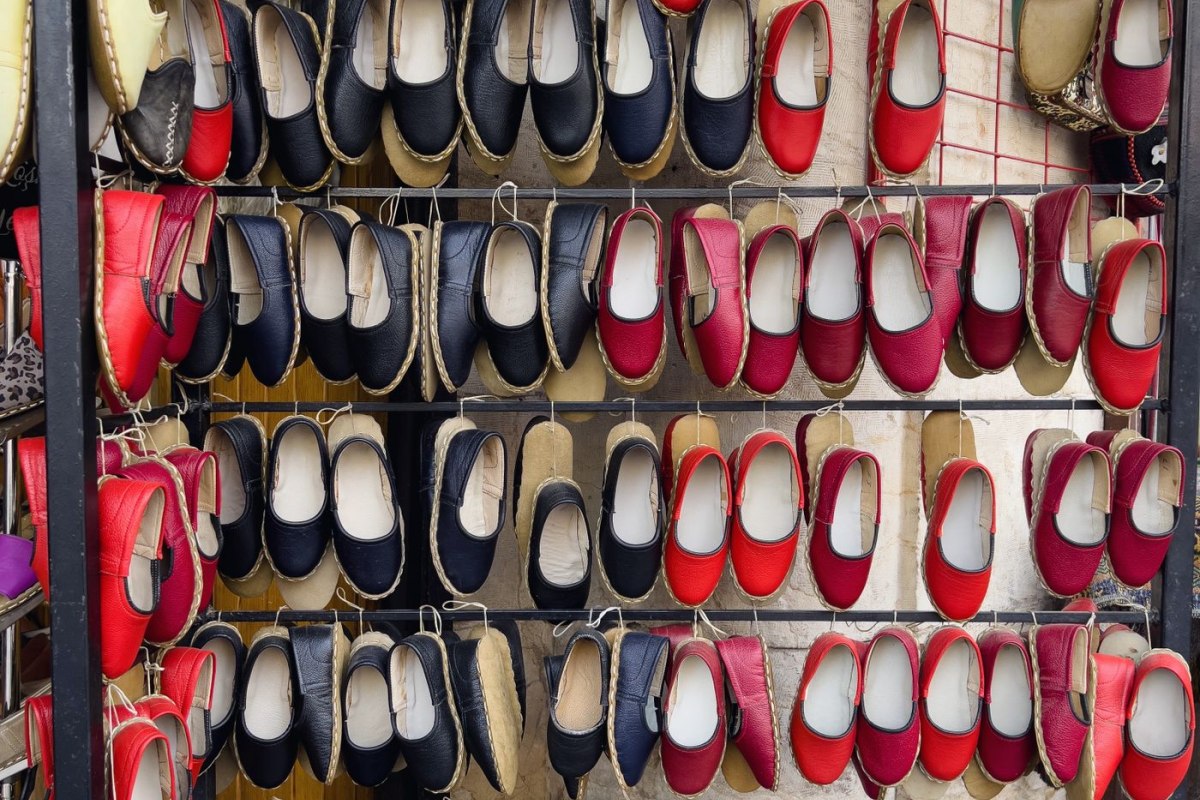
- Espardenyes: traditional rope-soled espadrilles, still hand-made in the city. La Manual Alpargatera on Carrer d’Avinyó in the Gòtic has stitched them by hand since 1941 and has shod everyone from locals to film stars.
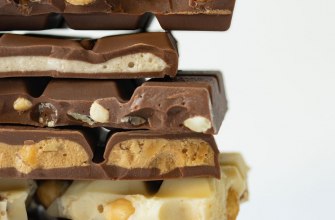
- Turró and Catalan sweets: turrón, the almond nougat, plus panellets and neules, sold in old confectioners and at the markets.
- Cava to take home: a bottle of proper Penedès cava costs a fraction of what it does abroad; buy it at a market stall or a specialist wine shop.
- Catalan ceramics and tile: hand-painted plates, bowls and the broken-tile trencadís-style mosaics that echo Gaudí, from craft shops in the Gòtic and Born.
- Catalan design brands: the city and region invented several names worth seeking at the source. Camper shoes come from a Mallorcan shoemaking family; Custo Barcelona and Desigual both began in the city, Desigual with an upcycled jacket made in El Raval in 1984; TOUS, the jewellery house with the teddy-bear logo, started in Manresa nearby; and Mango was founded in Barcelona.
- Olive oil and saffron: Catalan extra-virgin oil and Spanish saffron from a market stall travel well and beat any airport version.
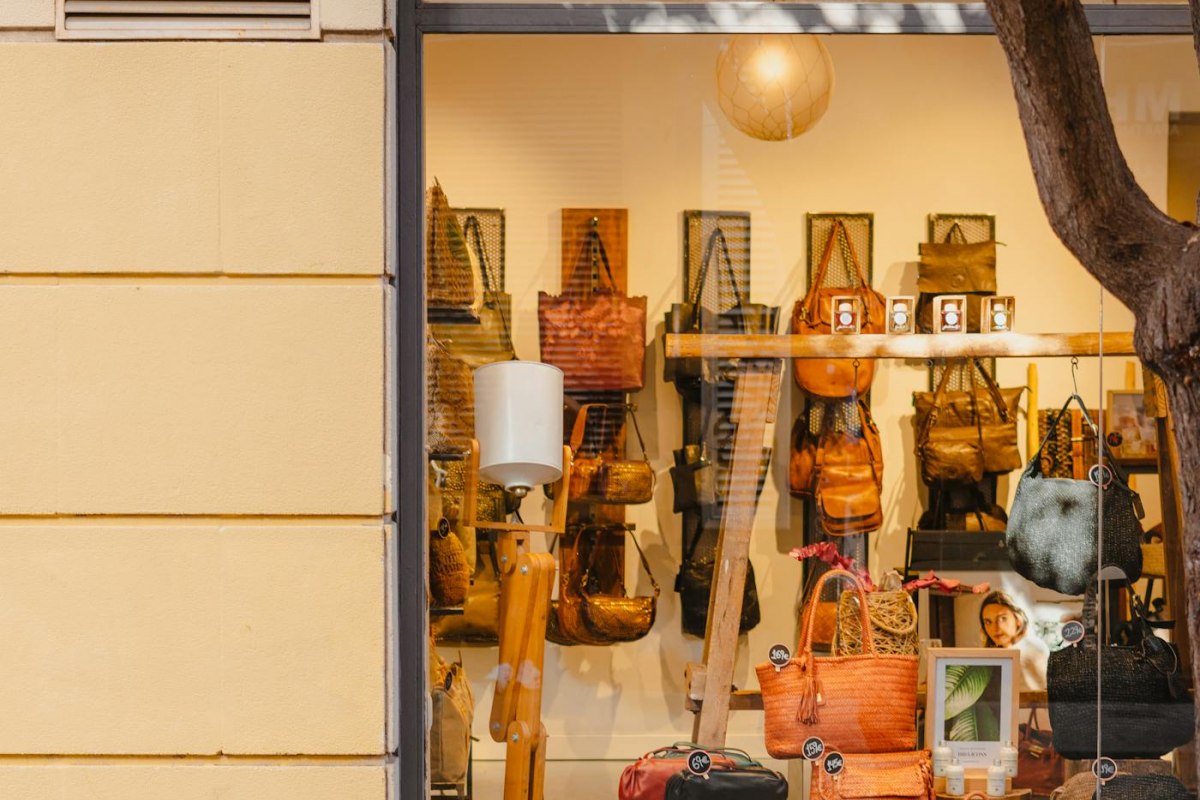
- Artisan leather and design: Spanish leather bags and shoes from old workshops in the Gòtic, plus prints and objects riffing on the city’s Modernisme, sold in design shops around El Born.
- From a historic shop: Barcelona keeps more century-old shops than any city in southern Europe and protects them on an official register of establiments emblemàtics, from old herbalists and hat-makers to confectioners with their original carved-wood fittings. Buying from one is the souvenir and the experience together.
- FC Barcelona kit: the official club store has the genuine shirts; the street stalls sell fakes.
Markets for shopping
The markets are where Barcelona shopping gets characterful, from antiques sold by open auction to a centuries-old Christmas fair.
- Els Encants Vells: the great flea market at Glòries, the Fira de Bellcaire, traced back to the 14th century and one of the oldest in Europe. Since 2013 its hundreds of stalls sit under a giant mirrored canopy by the architect b720 Fermín Vázquez that reflects the whole market back at you. The name itself is a clue: encant comes from the Latin for singing, because goods, once the belongings of the dead sold to clear their debts, were auctioned by chanting the price. That descending-bid auction, the subhasta, still runs from seven in the morning on Mondays, Wednesdays and Fridays, where dealers bid live on house clearances.
- Mercat de Sant Antoni: beyond the food hall, its famous Sunday market takes over the surrounding streets with second-hand books, old comics, coins and collectors’ stamps.
- The food markets: La Boqueria and Santa Caterina are for edible souvenirs, vacuum-packed jamón, saffron, turrón and spices. They are covered as places to eat in the food in Barcelona guide.
- Fira de Santa Llúcia: the Christmas market by the cathedral, running since 1786, the oldest in the city. It is the place to buy the two figures no other city sells: the caganer, the squatting figurine hidden in every Catalan nativity scene as a symbol of good fortune, and the tió de Nadal, the smiling log in a red barretina hat that children beat to make it deliver presents.
Where to shop on a Sunday
The Sunday closure catches visitors out, so it is worth knowing what stays open. Three options work.
- Maremagnum, the shopping mall on the old harbour, opens every day of the year, Sundays and holidays included, which makes it the reliable Sunday fallback.
- The central tourist zone around the Ramblas, Portal de l’Àngel and Passeig de Gràcia, where shops are permitted to trade on Sundays.
- The markets: Sant Antoni’s Sunday book and collectors’ fair and the Els Encants flea market both run on Sundays, and the design-led Palo Alto Market in Poblenou opens one weekend a month.
Practical: hours, sales and tax
- Opening hours: big stores and chains run straight through, roughly 10:00 to 21:00. Smaller independent shops keep the old rhythm, opening around 10:00, closing for the afternoon from about 14:00 to 17:00, then trading until 20:00.
- The sales, rebaixes: the two big discount seasons are the winter rebaixes from early January through February and the summer ones from late June or early July through the month. Dates are no longer fixed by law, so shops start when they choose around those windows.
- Sundays: most shops close on Sundays and public holidays. Catalan law lets each shop open only eight Sundays or holidays a year, on a calendar fixed by the regional government, so outside the centre a Sunday is mostly shuttered. The exception is the designated tourist zones around the Ramblas and Passeig de Gràcia, where stores may open, with an extended rule from mid-May to mid-September. Markets and the big tourist-street chains are your Sunday option.
- Tax-free shopping: visitors from outside the EU can reclaim the Spanish VAT, around 21 percent, on purchases. Spain dropped the minimum-spend threshold, so any amount qualifies; ask the shop for the digital tax-free form and validate it at the airport DIVA machines before you fly.
- Haggling: not done in shops or markets, with one exception, the flea-market stalls at Els Encants, where a polite offer on a second-hand item is expected.
Frequently asked questions
What is the best shopping street in Barcelona?
Passeig de Gràcia for luxury and flagship stores against the Modernisme architecture, and Portal de l’Àngel for the high-street chains. For independent and Catalan design, head to El Born and Gràcia instead.
What should you buy in Barcelona?
Local and Catalan things travel best: hand-made espardenyes, cava, turrón, painted ceramics, and home-grown design from Camper, Custo Barcelona, Desigual, TOUS and Mango. At Christmas, the caganer and tió de Nadal figures are unique to Catalonia.
When are the sales in Barcelona?
The winter rebaixes run from early January through February and the summer sales from late June or early July through the month. There are no longer fixed legal dates, so individual shops vary around those periods.
Are shops open on Sundays in Barcelona?
Most shops close on Sundays and holidays. Stores in the central tourist zones may open, and a summer rule allows central Sunday trading from mid-May to mid-September. Markets and the main tourist-street chains stay open.
Where is the shopping outlet near Barcelona?
La Roca Village, a designer outlet about half an hour from the city, reached by a dedicated shuttle bus from the centre. It is discount-brand focused and tourist-heavy rather than local in character.
What is the best market for shopping in Barcelona?
Els Encants Vells at Glòries is the great flea market, with its mirrored canopy and a live antiques auction on Monday, Wednesday and Friday mornings. Sant Antoni’s Sunday market is best for books and collectors’ items.
Can tourists claim tax back in Barcelona?
Yes, if you live outside the EU. You can reclaim around 21 percent VAT on purchases with no minimum spend; get the digital tax-free form from the shop and validate it at the airport DIVA terminals before departure.
Sources
- Ajuntament de Barcelona – city markets and the Santa Llúcia fair
- Els Encants Vells, Fira de Bellcaire – the flea market and its auction
- Barcelona Tourism – shopping districts and the Barcelona Shopping Line
- La Manual Alpargatera – traditional handmade espardenyes