Valencia, the third-largest city in Spain with a population of around 800,000, is a leading cultural destination in the country. The city is famous for its futuristic architecture, Mediterranean beaches, paella (which was actually invented here) and the famous Fallas festival. Valencia also holds a remarkable collection of museums covering everything from old master paintings and contemporary art to oceanography and cutting-edge science. This guide walks you through the best museums in Valencia and explains what to expect at each.
Why Valencia Holds So Many Museums
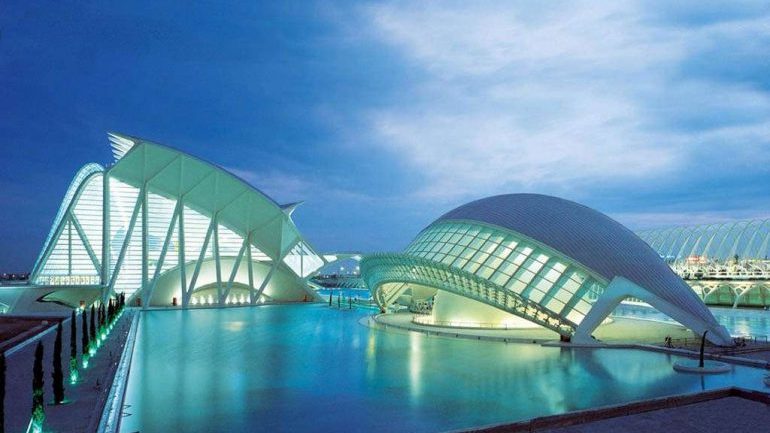
Valencia combines centuries of Mediterranean history with bold 21st-century vision. Within a single day you can walk through a Gothic cathedral that claims to hold the Holy Grail, admire works by Goya and Velazquez and then wander through the futuristic Ciudad de las Artes y las Ciencias (City of Arts and Sciences), the Santiago Calatrava complex of white sculptural buildings that has become the symbol of modern Valencia. Many of the museums in Valencia run free or charge very little, which makes the city a high cultural-value destination in Europe.
Museum of Fine Arts of Valencia (Museo de Bellas Artes)
The Museo de Bellas Artes de Valencia is one of the most important art museums in Spain, second only to the Prado in Madrid in the depth of its collection. Admission is free. The museum sits inside a beautifully restored 17th-century former seminary on the right bank of the Turia gardens and offers an excellent overview of Spanish art history from the Middle Ages to the early 20th century.
Highlights include masterpieces by Francisco de Goya, El Greco, Diego Velazquez (including a famous self-portrait), Bartolome Esteban Murillo and Hieronymus Bosch. The museum also holds the leading collection of Valencian Gothic panel paintings in the world and an outstanding selection of works by the Valencian Impressionist Joaquin Sorolla, the most famous painter from the city, whose luminous beach scenes capture the Mediterranean light better than anyone else. Sorolla belongs to a long tradition of famous Spanish speaking people who shaped global art and culture. Plan at least two hours for the visit.
IVAM, the Valencian Institute of Modern Art
The Instituto Valenciano de Arte Moderno (IVAM), founded in 1989, was the first modern art museum in Spain and remains one of the most respected. The permanent collection holds more than 12,000 works covering the major movements of the 20th and 21st centuries, from sculpture by Julio Gonzalez (a close friend of Picasso whose work forms the heart of the museum) to pieces by Joan Miro, Alexander Calder and major figures of pop art, photography and conceptual art.
IVAM also runs a constantly changing programme of temporary exhibitions featuring Spanish and international contemporary artists. Admission stays affordable (currently around 2 to 6 euros depending on the exhibition) and is free on Sundays and selected evenings. Check the official IVAM website for the latest schedule.
Hemisferic Planetarium and IMAX Cinema
Although not strictly a museum, the Hemisferic inside the City of Arts and Sciences is one of the popular attractions in Valencia. Designed by Santiago Calatrava in the shape of a giant human eye, it houses an IMAX cinema, a planetarium and a digital projection theatre rolled into one. The 900-square-metre concave screen ranks among the largest in Spain and shows immersive films about the universe, the natural world and the deep oceans.
Most films include English-language audio guides via headset, so non-Spanish speakers can fully enjoy the experience. Tickets cost around 9 euros for a single show, and combination passes with the Oceanografic and Science Museum offer significant savings.
Valencia Museum of History (Museo de Historia de Valencia)
Housed inside a striking 19th-century underground water reservoir on the western edge of the city, the Museo de Historia de Valencia takes you on a journey through more than 2,000 years of the local past. The exhibits cover the Roman foundation of Valentia, the Visigothic and Muslim eras, the Christian reconquest by King James I in 1238, the Valencian Golden Age in the 15th century and the modern transformation of the city. Interactive multimedia displays bring key moments to life, and information panels appear in both Spanish and English.
The standard ticket costs 2 euros (a reduced rate of 1 euro applies to groups, students with the Jove card, pensioners and children aged 7 to 12). Entry is free on Sundays and public holidays. Opening hours are Tuesday to Saturday from 10:00 to 19:00, and Sundays and public holidays from 10:00 to 14:00.
Oceanografic Valencia, the Largest Aquarium in Europe
The Oceanografic, the centrepiece of the City of Arts and Sciences, is the largest aquarium in Europe and one of the largest in the world. The architect Felix Candela designed it to house more than 45,000 marine animals representing some 500 species, distributed across 10 themed zones that recreate the main marine ecosystems of the planet, from the Mediterranean and the Red Sea to the Arctic, the tropics and the open oceans.
Highlights include a 70-metre underwater glass tunnel where sharks, rays and large fish glide silently overhead, a beluga whale habitat, an Arctic dome with walruses and an open-air dolphinarium where regular shows run throughout the day. The complex also holds penguins, sea turtles, jellyfish galleries and a tropical bird aviary.
General admission costs around 38 to 42 euros for adults and 29 euros for children, with discounts available online and as part of combined tickets with the Hemisferic and the Museum of Science. The Oceanografic stays open until 8 pm most of the year, and during summer the closing time can stretch as late as midnight to handle the crowds.
Other Museums Worth Visiting in Valencia
Museum of Sciences (Museo de las Ciencias Principe Felipe)
Another stunning Calatrava building inside the City of Arts and Sciences, the Museum of Sciences is an interactive science centre that encourages visitors to touch, explore and experiment. Three floors of hands-on exhibits cover genetics, climate change, space exploration, the human body and the laws of physics. A favourite for families with children.
National Museum of Ceramics (Museo Nacional de Ceramica Gonzalez Marti)
Housed inside the Palacio del Marques de Dos Aguas, a Baroque palace with one of the most ornate alabaster facades on the Iberian peninsula, this museum tells the story of Spanish and international ceramics from prehistoric times to the present. Highlights include works by Picasso, traditional Valencian tiles and the lavishly decorated period rooms of the palace itself.
L’Almoina Archaeological Centre
Located beneath a glass plaza in the heart of the old town, L’Almoina displays excavated Roman, Visigothic and Moorish ruins exactly where archaeologists uncovered them. It is a fascinating glimpse into the layered past of Valencia and one of the most original archaeological sites in Spain.
Lonja de la Seda (Silk Exchange)
Although technically a historic building rather than a museum, the Lonja de la Seda is a UNESCO World Heritage Site and a leading example of civil Gothic architecture in Europe. Built in the late 15th century when Valencia worked as a major Mediterranean trading power, its soaring twisted columns and orange-tree courtyard stay with you long after the visit.
Fallas Museum (Museo Fallero)
For a glimpse into the most famous Valencian tradition, visit the Museo Fallero, where the ninots indultats, the satirical figures saved each year from the bonfires of the Fallas festival, sit preserved. It is a colourful and irreverent journey through decades of Valencian craftsmanship and humour.
Bullfighting Museum (Museo Taurino)
Next to the historic Plaza de Toros, this small museum traces the history of bullfighting in Valencia through costumes, posters, photographs and personal items belonging to famous matadors. Admission is free.
Practical Tips for Visiting the Museums of Valencia
- Free admission days. Many municipal museums (including the Museum of Fine Arts and the Museum of History) run free year-round, while others offer free entry on Sundays and public holidays.
- Combination tickets. The City of Arts and Sciences offers combined passes that cover the Oceanografic, Hemisferic and Science Museum at significant savings.
- Best time to visit. Spring (March to May) and autumn (September to October) deliver mild and dry weather for combining museum visits with outdoor sightseeing. Summers can run very hot, which makes indoor museums a welcome refuge.
- Getting around. Valencia has an excellent metro and tram network, but the relaxed way to move between attractions is by bicycle along the Turia Gardens, a 9 km park created in the former riverbed that connects much of the city.
- Languages. Most major museums offer information in English, and audio guides or printed leaflets are usually available.
Practical Summary
From Goya and Velazquez at the Museum of Fine Arts to sharks gliding above your head at the Oceanografic, Valencia offers a museum experience for most tastes and budgets. Combine a morning at one of the classical art museums with an afternoon at the futuristic City of Arts and Sciences, and you will see why Valencia has built itself into a leading cultural destination in Europe. Whether you come as an art lover, a history enthusiast or a family with curious children, the museums of Valencia form an essential part of understanding what makes this Mediterranean city.