Switzerland’s backpack industry grew from two parallel lines of development: the alpine climbing and hiking gear makers that supplied the Swiss Alpine Club from the late nineteenth century, and the Victorinox and Wenger brands that extended the Swiss Army knife reputation into bags, luggage, and consumer gear from the 1990s onwards. The result is a domestic industry split between technical outdoor brands (Mammut, Exped, Eiger) and urban-lifestyle brands (Victorinox Swiss Army, Qwstion, Freitag). Most “Swiss Army” backpacks sold in the United States under licensed branding now carry Victorinox’s name, with Wenger’s luggage division absorbed into Victorinox after the two companies merged in 2013.
This guide covers the main Swiss backpack brands and what each produces, the difference between genuine Swiss-made bags and branded products manufactured elsewhere, the technical alpine brands that dominate European hiking gear, the urban daypack and laptop-bag segment that drives most retail sales, pricing and warranty expectations, and how to verify authenticity when buying online.
Victorinox and Wenger: The Swiss Army Brand
Victorinox, founded in 1884 by Karl Elsener in Ibach, became the official supplier of knives to the Swiss Army from 1891. The company extended its brand into travel luggage and backpacks in the early 2000s, building on the Swiss Army reputation for durable simple design. Victorinox backpacks typically use 1680D nylon or ballistic-grade polyester, compartmentalised interiors for laptops and tablets, and a lifetime warranty on construction defects.
Wenger, Victorinox’s long-time competitor, operated the other Swiss Army knife contract from 1908 until the two companies merged in 2005. Wenger’s luggage line continued under its own brand until 2013, when Victorinox absorbed the luggage operation. Wenger-branded backpacks still sell today, largely as an entry-level product line below the Victorinox-branded pieces. The knives and consumer products now all carry the Victorinox name.
Most current Victorinox Swiss Army backpacks are not manufactured in Switzerland. Production runs in China, Vietnam, and Indonesia under Swiss design and quality-control oversight, with final inspection at the company’s Ibach headquarters. Swiss-made production is reserved for the knives themselves and for a small line of limited-edition bags. Buyers who want true Swiss-made backpacks should check the country-of-origin label before buying; most mainstream Victorinox backpacks say “designed in Switzerland, made in China” on the tag.
Mammut: The Alpine Technical Brand
Mammut, founded in 1862 in Seon, is Switzerland’s leading climbing and alpine gear manufacturer. The company’s backpack line focuses on mountaineering, ski touring, and serious hiking, with models rated for week-long alpine traverses and technical climbing routes. Core Mammut backpack series:
- Trion series: Technical alpine packs with ice-axe attachments, crampon carriers, and weatherproof top closures. Sizes from 18 to 50 litres. Retail price €170-300.
- Lithium series: Hiking and trekking packs with better ventilation and standard compartments for multi-day trips. Sizes 30-50 litres. Price €140-220.
- Neon series: Climbing rope bags and crag-focused daypacks for sport-climbing outings. Price €80-150.
- Seon series: Urban and commuter daypacks in a more restrained design. Price €100-180.
Mammut uses its own Swiss-manufactured dyneema and ripstop fabrics in the technical series and produces the bags in Switzerland, Germany, and Eastern Europe depending on the model. The lifetime warranty covers manufacturing defects and is one of the longer warranty programmes in European outdoor gear.
Exped: Ultralight and Waterproof
Exped, founded in 1983 in Zurich, specialises in ultralight and waterproof packs aimed at kayakers, bikepackers, and minimalist hikers. The brand pioneered several technical features that other manufacturers later adopted, including the roll-top waterproof closure, the sternum strap whistle integration, and the PU-coated ripstop nylon common in modern lightweight packs.
The Exped catalogue runs from 18-litre daypacks up to 95-litre expedition hauler bags. The Cloudburst series handles rain and kayaking applications, the Lightning series targets ultralight hikers who count grams, and the Black Ice series suits winter alpinism. Retail pricing runs €130-400 depending on size and waterproof rating. Exped bags are typically made in Vietnam under Swiss design supervision; a small “Swiss Made” limited series is produced in Zurich.
Urban and Lifestyle Brands: Qwstion and Freitag
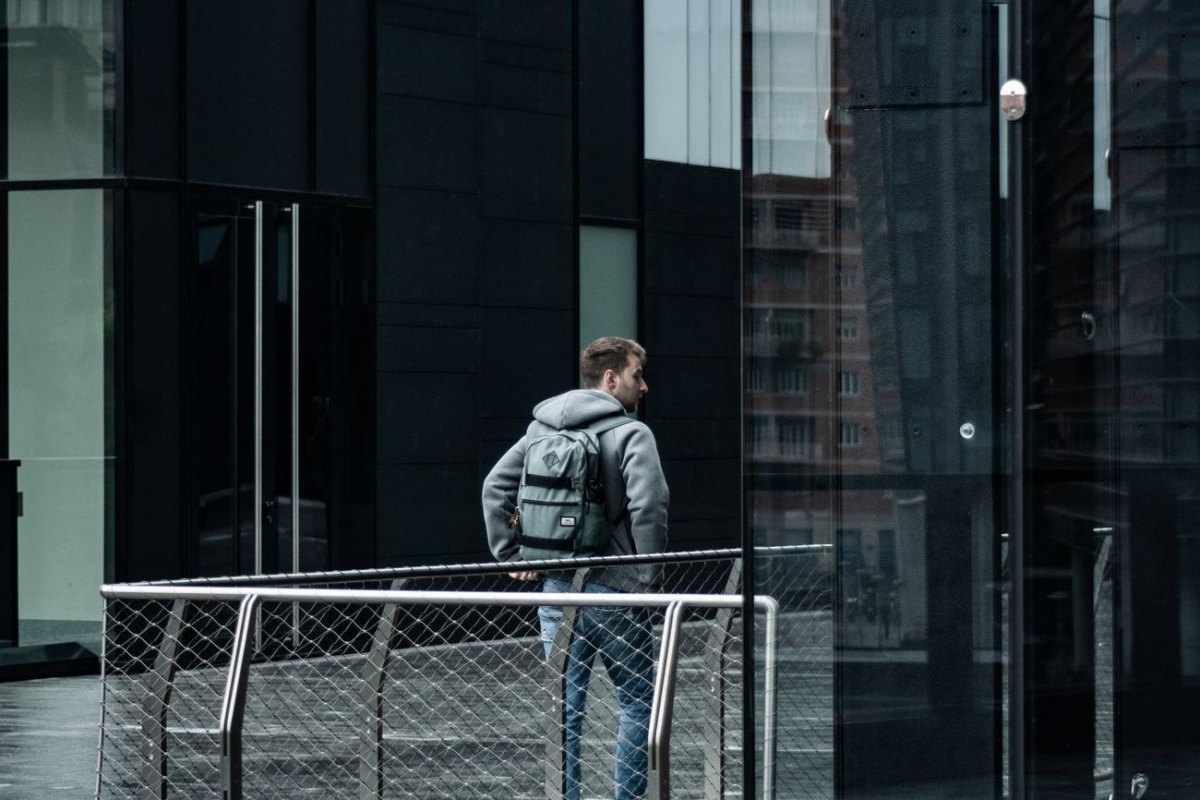
Two Swiss brands dominate the urban and lifestyle segment. Qwstion, founded in 2008 in Zurich, makes modular cross-body and backpack bags from organic cotton, hemp, and a Bananatex fibre developed in-house from Philippine banana-plant stalks. The minimalist design sense and the sustainability positioning have built a strong European and North American following. Standard Qwstion backpack prices run CHF 220-380.
Freitag, founded in 1993 in Zurich, makes its bags from used truck tarpaulins, salvaged seatbelts, and bicycle-tube rubber trim. Each Freitag bag is unique because the tarpaulin section is cut from a different truck and carries its own colour pattern and wear marks. The brand has built a cult following and its flagship store in Zurich is an architectural landmark. Prices run CHF 180-450 for backpacks, with limited editions reaching CHF 800 or more.
Both brands handle production in Switzerland or nearby European manufacturing partners, with careful documentation of supply chains. Buyers pay a premium over mass-market backpacks but receive genuinely Swiss-made products with extensive sustainability documentation.
SwissGear, Wenger and the licensing maze
The biggest source of confusion for a buyer is that not every bag wearing a Swiss cross comes from the same company. The branding hides a licensing chain that decides both quality and origin.
- Victorinox: the parent, which makes the premium travel-gear line under its own cross-and-shield logo and keeps design and quality control at its Ibach headquarters.
- Wenger: the historic rival Victorinox bought in 2005, now run as the affordable budget label rather than a separate Swiss manufacturer.
- SwissGear: the mass-market travel and laptop-bag brand. In North America the Wenger and SwissGear bag licences are held by a separate company, Group III International, which makes and distributes them, so a SwissGear backpack is a licensed budget product rather than a Victorinox-built one.
The practical upshot is a clear tier order. A SwissGear or Wenger-branded commuter bag from a department store is the entry level, usually made in Asia at a lower price, while the premium Victorinox travel line and the genuinely Swiss-made makers such as Mammut, Qwstion and Freitag sit above it. Wenger and SwissGear share the same flat, square Swiss-flag logo, a white cross on a plain red square, while Victorinox uses a white cross set inside a red heraldic shield. That shield-against-flat-flag difference is the quickest way to tell a premium Victorinox piece from a licensed budget one on the label.
How to Verify Swiss Authenticity
The Swiss cross or the “Swiss Made” label carries legal meaning under Swiss federal law. A backpack labelled “Swiss Made” must be substantially manufactured in Switzerland, with at least 60% of production costs incurred in Switzerland. Labels such as “Designed in Switzerland” or “Swiss Brand” do not meet this legal test and indicate that final manufacturing happens elsewhere.
Practical verification steps before buying:
- Check the country of origin tag: Sewn into the interior seam. Must say “Made in Switzerland” for legal Swiss-made status.
- Review the warranty documentation: Genuine Swiss brands include written lifetime or 10-year warranty terms with registered serial numbers.
- Verify the retailer: Authorised Victorinox, Mammut, Exped, Qwstion, and Freitag dealers are listed on the brands’ official websites. Online marketplaces sometimes carry counterfeits.
- Check the zipper hardware: YKK or Swiss Raccagni zippers are standard on genuine premium pieces; no-name zippers signal a knockoff.
- Confirm the stitching: Swiss quality control produces straight, consistent stitching with no loose threads or skipped passes. Factory-seconds sold through outlet channels should be clearly labelled.
The Swiss Army knife brand is particularly prone to counterfeit infringement in backpack markets. The name “Swiss Army” is legally protected for knives but more loosely enforced for bags, which has led to many products labelled “Swiss Army” in design without any Victorinox licensing. Genuine Victorinox Swiss Army backpacks carry a specific logo and serial number system verifiable through the company website.
Choosing a Backpack by Use Case
Different use cases suit different Swiss backpack categories. Rough guidelines:
- Business and laptop commuting: Victorinox Architecture series (€180-280) or Qwstion Daypack (CHF 260) deliver a structured shape with a padded laptop sleeve.
- Urban lifestyle and student use: Freitag F155 Clapton (CHF 220) or Qwstion Roll Pack (CHF 260) suit riders, photographers, and design-conscious users.
- Day hiking: Mammut Lithium 25 (€140) or Exped Lightning 30 (€160) for 1-3 day trails with modest gear loads.
- Multi-day trekking: Mammut Lithium 50 (€220) or Exped Thunder 50 (€250) for through-hike and alpine traverse applications.
- Technical alpine climbing: Mammut Trion series (€200-300), with ice-axe and crampon attachments for rope-team climbing.
- Kayaking and water sports: Exped Cloudburst 25 (€180) or Mammut Creon Kayak series for full waterproof rating.
- Travel and heavy luggage: Victorinox Touring 2.0 (€280-450) for carry-on and check-in uses with roller-bag conversion.
Pricing and Warranty
Swiss-designed backpacks sit in the mid-to-upper tier of the global backpack market. Entry-level Victorinox and Wenger models run €90-140 at European retail. Mid-range pieces from Mammut, Exped, and Victorinox fall in the €150-280 bracket. Premium limited-edition Swiss-made pieces, Qwstion, and Freitag can reach €300-800. The price premium covers Swiss design, premium materials, and the strong warranty programmes that most Swiss brands offer.
Warranty terms vary by brand. Victorinox and Wenger offer lifetime warranty against manufacturing defects on the knives and a five-year limited warranty on bags. Mammut offers a lifetime warranty on stitching and zippers but limits fabric coverage to five years. Exped runs a ten-year warranty on most models. Qwstion and Freitag cover manufacturing defects for five years, with free repairs for normal wear damage offered at their Zurich workshops.
Swiss brands typically handle warranty claims through their national retail partners or through direct shipment to the factory. Repair rather than replacement is the default for older models still in production, and the companies publish repair tutorials and parts lists for self-repair of buckles, straps, and minor fabric damage.
Where to Buy
For European buyers, the major Swiss outdoor chains (Transa, Ochsner Sport, SportXX in Switzerland; Globetrotter and Decathlon in Germany; Snow+Rock in the UK) stock the full Mammut and Exped ranges. Victorinox operates brand stores in Zurich, Geneva, and major tourist cities, and its online store ships across Europe and to North America. Freitag’s flagship at Geroldstrasse 17 in Zurich is a destination in itself, built from stacked shipping containers; the brand also operates stand-alone stores in Hamburg, Berlin, Vienna, Paris, New York, and Tokyo.
North American buyers can order Victorinox Swiss Army backpacks through SwissArmy.com (the official US site), major department stores (Macy’s, Nordstrom), and outdoor retailers (REI stocks Mammut and some Exped). Mammut and Exped have smaller US distribution and often ship direct from their European warehouses. Qwstion and Freitag ship internationally from their Swiss websites with standard international duty and shipping fees.
The Victorinox Swiss Army knife line is a useful reference for understanding the same company’s backpack quality standards; our piece on the Victorinox Swiss Army knife covers the historical roots of the brand. Our overview of the Swiss Army knives range explains the model naming conventions that carry over to the backpack catalogue. The related piece on Wenger Swiss Army knife fills in the Wenger side of the 2005 merger history. For the broader brand context, see our Swiss Army logo article. Travellers planning a trip to Switzerland itself can combine a visit to the Victorinox museum in Ibach with the other stops in our Zurich guide.
What owners report
Beyond the spec sheets, a consistent set of impressions comes up across owner reviews and long-term write-ups for each Swiss brand. Read together, they are the most useful guide to what you actually live with.
- Victorinox: daily commuters praise the ballistic nylon and the stitching, and many bags survive years of heavy use. The recurring complaint is not the bag but the purchase, as owners who bought from an unauthorised seller found the warranty refused when a seam failed, and the market is flooded with convincing fakes. Treat a price far below retail as the clearest sign of a counterfeit.
- Mammut: the brand hikers trust for fit. Reviews single out the back system and the ergonomic carry on the Lithium and Ducan packs as comfortable under load, which is why it dominates serious European trail use.
- Exped: the roll-top waterproofing and low weight win over bikepackers and paddlers, who report dry gear through rain and river spray that soaks heavier packs.
- Freitag: loved for the looks and the recycled story, with honest caveats. New bags carry a strong rubber smell that fades within a week or two, the tarpaulin makes them heavy for their size, and the unpadded straps start to dig in once you load real weight. Owners buy them as a design object that lasts, not as a comfort-first hauler.
- Qwstion: the sustainability and the clean, minimalist shape draw the praise, and the wax-finished Bananatex fabric sheds light rain well. The trade-off owners note is a softer, less structured carry than a technical pack.
The single loudest theme across all of them is where you buy. Owners who go through an authorised dealer get the warranty and the genuine article, while those who chase a bargain on an open marketplace are the ones who end up with a fake or a refused claim. The counterfeit problem is worst on the Swiss Army name, so for a Victorinox bag, buy from the brand store or a listed retailer and keep the receipt.
Frequently Asked Questions
Are Victorinox Swiss Army backpacks made in Switzerland?
No. Most current Victorinox backpacks are manufactured in China, Vietnam, and Indonesia under Swiss design and quality control. Only the knives and a small limited-edition bag line are made in Switzerland. The label on each backpack states the country of origin.
What is the difference between Victorinox and Wenger backpacks?
Victorinox and Wenger were separate Swiss Army knife companies that merged in 2005. The luggage operations merged in 2013. Wenger-branded backpacks still sell today as an entry-level line below the main Victorinox products, at lower prices and with shorter warranties. Both brands are now owned and managed by Victorinox.
Which Swiss brand is best for serious mountaineering?
Mammut is the leading Swiss technical alpine brand, with the Trion series built specifically for climbing and high-alpine traverses. Exped is the second option, particularly its Lightning and Black Ice series for ultralight and winter applications. Both brands have a strong professional following among Swiss and European alpinists.
How can I tell if a backpack is genuinely Swiss-made?
Check for a “Made in Switzerland” label on the interior seam. Under Swiss federal law, this label requires at least 60% of production costs to be incurred in Switzerland. Labels such as “Designed in Switzerland” or “Swiss Brand” do not meet this standard. Also verify the retailer is authorised by the brand, because Swiss Army trademark infringement is common on unauthorised online marketplaces.
What is the warranty on Swiss backpacks?
Warranty terms vary by brand. Victorinox and Wenger offer a five-year limited warranty on bags. Mammut offers a lifetime warranty on stitching and zippers, five years on fabric. Exped runs a ten-year warranty on most models. Qwstion and Freitag cover manufacturing defects for five years and offer free repairs at their Zurich workshops for minor wear damage.
Are Swiss backpacks worth the price premium?
For users who need durability, warranty support, and refined design, yes. Swiss brands charge 30-80% more than mass-market alternatives but deliver longer product life, stronger customer service, and more reliable construction. For occasional casual use, mid-range non-Swiss brands can deliver similar functional performance at lower cost.
Sources and Further Reading
- Victorinox Swiss Army – victorinox.com
- Mammut outdoor and alpine gear – mammut.com
- Exped bags and shelters – exped.com
- Qwstion modular bags – qwstion.com
- Freitag tarpaulin bags – freitag.ch