Thailand has a rich cultural heritage and a long history, yet the country holds fewer top-quality museums than European nations with a similar timespan. The collections that do exist, however, reward any visitor who wants to understand the depth of Thai civilisation, from ancient Buddhist sculpture to royal life, opium history and contemporary art. This 2026 guide walks through the best museums in Thailand, the highlights of each collection and the practical details for planning a visit.
Why Visit the Museums of Thailand
Thailand sits at the cultural crossroads of mainland Southeast Asia. Over the past 1,500 years it has absorbed influences from India, China, Cambodia, Burma and the West, and the result is one of the most distinctive blends of religion, art and royal tradition in Asia. Visiting a few well-chosen museums gives you the historical context that brings the temples, palaces and ruins of the country to life. A morning at the National Museum in Bangkok before a day at the Grand Palace, or a stop at the Opium Museum before crossing into the Golden Triangle, transforms a standard sightseeing trip into a much deeper experience.
The National Museum of Thailand (Bangkok)
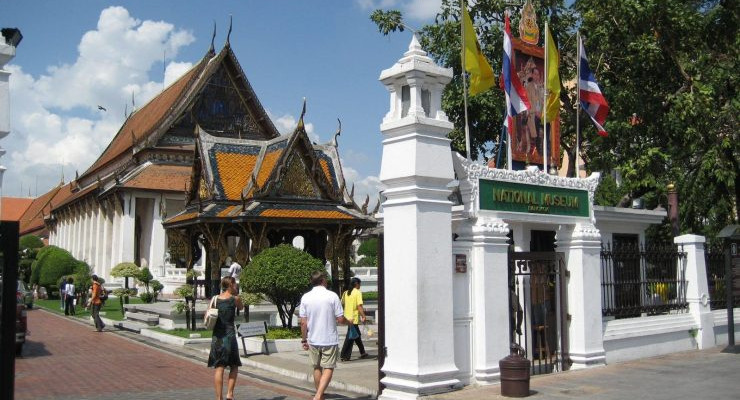
As the name suggests, the National Museum of Thailand is the largest, best-funded museum in the country and holds the most important collection of artefacts and displays from every period of Thai history. Although several branches operate across the country, including a notable museum in Ayutthaya, the main site sits in central Bangkok next to Thammasat University, just a 15-minute walk from the Grand Palace.
The museum is housed in a former 18th-century palace built for the viceroy, and the buildings themselves are part of the experience. Inside you find:
- Ancient Buddha images and statues from the Dvaravati, Srivijaya, Sukhothai, Ayutthaya and Rattanakosin periods, covering more than 1,500 years of Thai Buddhist art.
- Khmer-influenced stone carvings of Hindu gods that connect Thai history with the great Angkor civilisation next door.
- An impressive collection of Thai period costumes, royal regalia and weapons.
- Traditional musical instruments, including the carved xylophones, gongs and stringed instruments rarely seen outside specialist collections.
- The famous Buddhaisawan Chapel, which holds the Phra Phuttha Sihing, one of the most revered Buddha images in Thailand, and walls decorated with original murals from the early Bangkok period.
- Elaborate royal funeral chariots used in ceremonies for members of the Thai royal family.
The National Museum is the largest museum in Southeast Asia, so allow at least three hours to walk through the different halls. The museum closes on Mondays and Tuesdays and opens from 09:00 to 16:00 the rest of the week. Free guided tours in English run on Wednesdays and Thursdays at 09:30, led by volunteers from the National Museum Volunteers group, and they are widely considered one of the best ways to understand the collection.
Vimanmek Mansion Museum (Bangkok)
The Vimanmek Mansion Museum was originally built as a royal residence at the turn of the 20th century for the much-revered King Rama V (Chulalongkorn), who is widely credited with modernising Thailand and protecting it from European colonisation. The mansion is the largest golden teakwood building in the world and was constructed entirely without nails.
The mansion has been converted into a museum that offers guided tours providing an interesting insight into the history and lives of the Thai royal family. On display you find a wide range of royal memorabilia, including original photographs, portraits, ceremonial clothing, gifts from foreign dignitaries and a horse-drawn carriage used by the king. Note that Vimanmek Mansion has been closed for major restoration work for several years and the current opening status changes from time to time, so check the official website before you make a special trip. The wider Dusit Palace grounds, which include several other small museums, the throne hall and the royal elephant museum, remain a worthwhile visit.
Hall of Opium and the Opium Museum (Golden Triangle)
Very different from the national museum but no less interesting is the Opium Museum, located near the town of Chiang Saen in the far north of the country, not far from the museums in Chiang Mai. The region around the meeting point of Thailand, Laos and Myanmar is known as the Golden Triangle, and for much of the 20th century it was the largest opium-producing area in the world.
Two related museums tell the story:
- The Hall of Opium, the larger and more modern of the two, opened by the Mae Fah Luang Foundation under royal patronage in 2003. The exhibits cover 5,000 years of opium history, from ancient Egypt and the Greek world to the Opium Wars in China, the rise of the Golden Triangle drug trade and the modern Royal Project that helped local hill tribes switch from opium to legal crops such as coffee, tea and fruit.
- The House of Opium, a smaller private museum in Sop Ruak village, holds an impressive collection of pipes, scales, weights and other tools of the historical opium trade.
Both museums sit in a stunning location overlooking the meeting of the Mekong and Ruak rivers, and many visitors combine the visit with a boat trip on the Mekong or a stop at the nearby ancient ruins of Chiang Saen.
Other Museums Worth Visiting in Thailand
Jim Thompson House (Bangkok)
The Jim Thompson House Museum in central Bangkok preserves the home of the American businessman who revived the Thai silk industry in the years after World War II. The house is built from six traditional Thai teakwood houses transported to the site and assembled around a leafy garden. Inside you find Thompson’s personal collection of Asian art, ceramics and Buddha statues, plus the mystery of his unexplained disappearance in the Malaysian jungle in 1967.
National Museum Bangkok Branches
Several branch museums operate across the country and connect directly with the major archaeological sites:
- National Museum, Ayutthaya (Chao Sam Phraya), with artefacts from the ancient Siamese capital that was destroyed by the Burmese in 1767.
- National Museum, Sukhothai (Ramkhamhaeng), with Buddha images and inscriptions from the first major kingdom of the Thai people.
- National Museum, Chiang Mai, with the art and culture of the northern Lanna kingdom.
- National Museum, Phimai, dedicated to the Khmer ruins of Phimai Historical Park in Nakhon Ratchasima province.
Bangkok National Museum of Royal Barges
Hidden in a riverside shed off the Chao Phraya, the Royal Barge Museum displays the elaborate wooden barges used in the rare Royal Barge Procession ceremonies. The most famous is the Suphannahong, the king’s personal vessel, carved from a single piece of teak and decorated with gold leaf and mirrored glass.
Museum of Siam (Bangkok)
The Museum of Siam, located in a restored neoclassical building near Wat Pho, takes a more modern approach to the question of “What does it mean to be Thai?” through interactive multimedia exhibits across three floors. The museum is family-friendly, fully bilingual and an excellent first stop for visitors who want a quick and entertaining overview of Thai identity.
Bangkok Art and Culture Centre (BACC)
The Bangkok Art and Culture Centre, a striking modern building in the Pathumwan district, holds nine floors of contemporary art exhibitions, design studios, cafes and bookshops. Entry is free, and the rotating exhibitions cover everything from emerging Thai artists to international photography and installation art.
Erawan Museum (Samut Prakan)
Just south of Bangkok, the Erawan Museum is an unmissable building topped by a giant copper statue of a three-headed elephant from Hindu mythology. Inside, three levels symbolise the underworld, the human realm and heaven, with stained glass and ornate sculpture throughout.
Death Railway Museum (Kanchanaburi)
The Thailand-Burma Railway Centre in Kanchanaburi tells the moving story of the World War II “Death Railway” built by Allied prisoners of war and Asian labourers under brutal Japanese command. The museum sits next to the war cemetery and is a sober but essential stop for anyone visiting the famous Bridge over the River Kwai.
Practical Tips for Visiting Museums in Thailand
- Dress modestly. Many Thai museums sit inside or next to royal palaces and Buddhist temples. Cover shoulders and knees, and remove shoes when entering temple buildings or shrine rooms.
- Check opening days. Most major museums close on Mondays and Tuesdays and may also close on Thai public holidays.
- Bring cash. Some smaller museums accept only Thai baht in cash.
- Hire a local guide. The National Museum and the Royal Barge Museum reward visitors who join a guided tour, since the labels are not always detailed in English.
- Best time to visit. The cool dry season from November to February offers the most pleasant weather for combining museums with outdoor sightseeing. Summer can be hot and humid, and many museums lack strong air conditioning.
- Photography. Photography rules vary by museum and even by hall. Look for the signs and ask before taking pictures of religious items or royal portraits.
Final Thoughts
Thailand may not match the museum culture of the great European capitals, but the collections that do exist are deeply rewarding for any traveller who wants more than a beach holiday. Spend a morning at the National Museum in Bangkok, an afternoon at the Jim Thompson House, a day at the Hall of Opium in the Golden Triangle and a quiet hour at the Death Railway Museum in Kanchanaburi, and you will leave with a far richer understanding of one of the most fascinating cultures in Southeast Asia.