A good cup of Turkish coffee comes down to four controllable things: the grind, the ratio, the heat and the foam. Get those right and you do not need any special skill. This is the precise method, the exact measures, the variations Turks drink, and the mistakes that ruin a cup so you can avoid them.
What you need
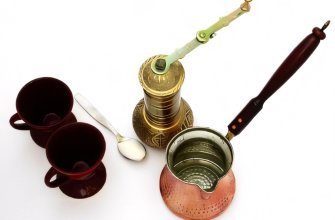
- A cezve – the small long-handled pot. Pick one sized close to the number of cups you brew, because a half-empty pot will not foam well.
- Powder-fine coffee – Turkish coffee ground finer than espresso, to the feel of cocoa. A standard burr grinder will not reach it.
- Cold water – fresh and cold, measured in the cup you will serve in.
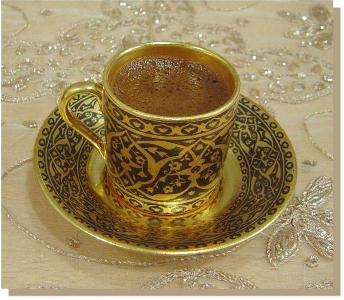
- Small cups – the fincan holds roughly 60 to 70 millilitres.
- A teaspoon, and sugar if you take it.
The step-by-step recipe
Decide the sugar first. The Turkish levels are sade with none, az şekerli with a little, orta medium, and şekerli sweet. You cannot stir sugar in after pouring without losing the foam, so it goes in now.
- Pour one cup of cold water per drinker into the cezve.
- For each cup add one heaped teaspoon, about 7 grams, of powder-fine coffee. Add the sugar for everyone at this stage.
- Stir once or twice off the heat to wet the grounds, then stop stirring.
- Set the cezve over low heat. Rushing it with high heat is the single most common mistake.
- After a minute or two a dark crema-like foam forms and climbs the pot. The moment it nears the rim, before it boils, take the pot off the heat.
- Spoon a little foam into each waiting cup so no one is left without.
- Return the pot to the heat for five to ten seconds to rise a second time, then pour slowly into the cups over the foam.
- Let the cups stand for thirty seconds so the grounds sink, and serve each with a glass of water.
Getting the foam right
The foam, the köpük, is the mark of a cup made with care, and heat control is the whole secret. Keep the flame low so the coffee climbs slowly rather than rolling into a boil. Once the surface starts to foam, do not stir, or you knock the bubbles down. The two-rise method, lifting the pot as it peaks and returning it once more, builds a thicker, more stable foam than a single heat. If the coffee ever boils over, the foam is gone and the brew turns bitter, so watch it the whole time.
Strength and sugar
- Stronger. Add a little more coffee rather than less water, and keep the heat low so it does not turn harsh.
- Milder. Use slightly less coffee, never more water past the cup measure, or the foam thins out.
- Sweetness. Orta, the medium setting, is the usual choice for guests when you do not know their taste.
Common mistakes
- Grind too coarse. Anything short of powder will not brew properly and leaves a gritty, weak cup. This is the error that sinks most first attempts.
- Heat too high. High heat boils the coffee before the foam can build and scorches the flavour.
- Stirring after the foam forms. It collapses the köpük you are trying to keep.
- Letting it boil over. A rolling boil ruins the foam and the taste in one move.
- Reheating. Turkish coffee does not survive a reheat. Make a fresh pot instead.
Variations to try
- Damla sakızı. A small piece of mastic resin added to the pot gives a pine-fresh, faintly chewy note popular on the Aegean coast.
- Cardamom. A pinch of ground kakule in the pot is common in the southeast and across the Arab world.
- Dibek. Coffee pounded in a stone mortar with a little extra fat brews a noticeably thicker cup.
- Sütlü. Brewing with milk in place of some of the water makes a softer, milkier version.
Heat: stove, sand or induction
The method works on any gentle heat source, but each behaves differently and changes how closely you watch the pot.
- Gas. The traditional choice. Use the smallest burner on a low flame so the cezve heats slowly and you can lift it off the instant the foam rises.
- Electric. A solid hotplate holds heat but reacts slowly, so move the cezve off the ring early or it will keep climbing and boil over.
- Induction. This needs a cezve with a steel base or an induction adapter disc, since copper and brass are not magnetic.
- Sand. The café method, közde, buries the pot in hot sand. The only real difference from a stovetop is the heat source: the cook keeps sliding the cezve through the sand so it warms evenly, which builds a denser foam and a rounder taste. A home sand set exists but is rarely worth it for a single cup.
Brewing for more than two
Foam sets the limit on how many cups one pot makes. A cezve foams best filled to about two-thirds, so a small pot tops out at two or three cups. For a table of guests, either use a larger cezve sized to the group or brew two pots in turn rather than overfilling one. Spoon foam into every cup first, top up with coffee after, and carry the cups out together so none goes flat while you wait on the rest.
Water and temperature
Start with fresh, cold, soft water. Hard water dulls the taste and pre-warmed water skips the slow extraction that builds body. You do not need a thermometer. The foam gathers well before the boil, at around seventy degrees, and the only rule that matters is to pull the pot off the heat before it breaks into a rolling boil.
Storing and serving
Turkish coffee is made to drink at once and does not keep. It cannot be reheated without turning bitter and flat, so brew only what you will serve. Pour it the moment it is ready, rest each cup for half a minute so the grounds sink, and bring a glass of water and a small sweet to the table with it. The cup is sipped slowly through a conversation, never gulped, and the muddy grounds at the bottom are left behind.
Measuring without scales
You do not need a kitchen scale. The serving cup is the measure. Fill the cup you will drink from with cold water, one cup for each person, and tip that into the cezve. Then add one heaped teaspoon of coffee for every cup. A standard fincan holds about 60 to 70 millilitres and a heaped teaspoon of the powder grind comes to roughly 7 grams, so the ratio lands right by eye for one cup or four. Hold a touch of water back if you want room for a bigger head of foam.
This recipe sits inside the wider story of the drink. For the culture, history and tools see the main guide to how to make Turkish coffee, choose the right coffee beans and roast, and brew it in a proper copper cezve. Round off the cup with a piece of Turkish delight.
Frequently asked questions
How much coffee and water per cup?
One heaped teaspoon of powder-fine coffee, about 7 grams, for each small cup of cold water. Measure the water with the cup you will serve in.
Can I use espresso-ground coffee?
It works poorly. Espresso grind is too coarse for the method and gives a thin, gritty cup. Turkish coffee needs a powder grind.
Why did my coffee not foam?
Usually the heat was too high or the grind too coarse. Lower the flame so the coffee rises slowly, use a finer grind, and do not stir once the foam starts.
Can I make Turkish coffee without a cezve?
A small saucepan can stand in, but it is harder to build and pour the foam. The narrow neck of the cezve is designed to hold the foam back as you pour.
Is Turkish coffee stronger than espresso?
It has a heavier body because the grounds stay in the cup, but a single serving usually carries similar or slightly less caffeine than a shot of espresso, since it is sipped slowly and made small.
Do I stir Turkish coffee while it brews?
Stir once at the start to wet the grounds, then leave it alone. Stirring after the foam begins to form knocks it down, and you never stir the cup once it is poured.
What does a good cup taste like?
Full-bodied and strong but not burnt, thick on the tongue from the fine grounds, under a soft layer of foam. A flat, scorched or gritty cup means the heat ran too high, the grind was too coarse, or it boiled over.
Sources
- UNESCO – Turkish coffee culture and tradition
- Kurukahveci Mehmet Efendi – Turkish coffee
- Turkish coffee – method and history