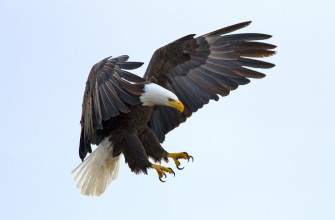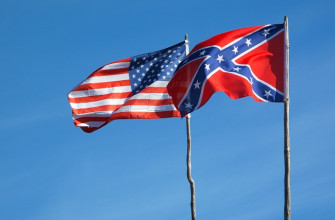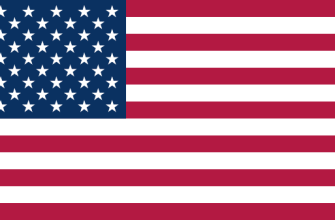
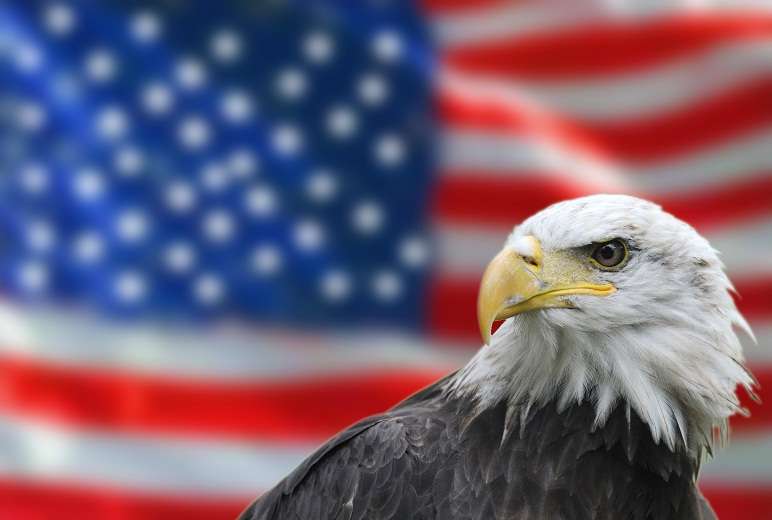
The bald eagle American flag pairing is the most reproduced patriotic motif in United States visual culture. The combined image – a bald eagle with wings outstretched in front of, grasping, or perched beside the Stars and Stripes – appears on military unit patches, Presidential ceremonial items, patriotic tattoo designs, Fourth of July decorations, sports team merchandise, memorial monuments, and small business storefronts across the country. The pairing is not an official government symbol in its own right. It emerged organically during the Civil War era, was codified in early 20th century commercial art, and became a default visual shorthand for American patriotism by the 1940s. This guide covers the history of the combined imagery, its appearance on military insignia, its use in tattoo traditions, its presence in patriotic art and decor, and where to buy legitimate bald eagle with American flag merchandise.
How the Combined Imagery Developed
The Great Seal of 1782 positioned the bald eagle with the striped shield covering its chest but did not include the American flag as a separate element. The flag and eagle were legally distinct symbols throughout the early republic. The combined pairing as an artistic composition gained traction during the Civil War, when Union regimental colours often featured embroidered eagles above or beside the thirteen-stripe field, and recruitment posters placed soaring eagles against backgrounds of stars and stripes.
The flag itself had been standardised well before – see our guide on the first American flag creation of 1777 and the broader history of the American flag for that background. By the 1876 American centennial, patriotic lithographs and chromolithographs produced by firms like Currier and Ives and Kellogg Brothers routinely showed bald eagles clutching the flag in their talons, perched on flagpoles, or with wings spread in front of the flag. The centennial standardised the pairing in popular visual culture. World War I recruiting posters and Liberty Bond drives between 1917 and 1919 used the image at industrial scale.
The final codification came during World War II. Navy recruiting posters, war bond drives, and military unit patches adopted the bald eagle with flag as a default design. Saturday Evening Post covers, Norman Rockwell illustrations, and Coca-Cola patriotic advertisements reinforced the pairing in civilian life. By 1945, the bald eagle with American flag had become the single most reproduced patriotic image in the country.
Presidential Seal and Official Variants
The Presidential Seal features a bald eagle with American flag imagery indirectly: the eagle holds a shield of 13 red and white stripes and a blue chief with stars, which references the flag. A direct combined image – eagle with the full flag rather than the shield – appears on the Vice Presidential Flag and on the Presidential Flag variants from 1916 to 1945.
Key official uses combining eagle and flag:
- Vice Presidential Flag: Bald eagle with shield and 13 stars, plus 48-star and 50-star flag variants since 1975.
- Department of Defense flag, adopted 1946: Bald eagle with shield on blue field, ringed by 13 white stars.
- US Army Flag: Features the eagle of the Department of the Army with shield, flanked by American flags in ceremonial displays.
- Presidential Flag from 1916 to 1945: Showed the bald eagle facing its talons with arrows, dropped in favour of the olive-branch orientation after WWII.
Our broader piece on the American bald eagle symbol covers the full history of the eagle’s adoption as the national symbol and its appearance on government insignia. The bald-eagle-with-flag pairing is a subset of that broader symbolism with its own distinct trajectory.
Military Unit Insignia and Patches
Many US military units use the bald eagle with flag on shoulder patches, unit crests, and division flags. The combination signals both national allegiance and the unit’s specific identity. Notable examples:
- 101st Airborne Division (Screaming Eagles): The distinctive black shield with eagle head in profile is an eagle-only design, but the division flag places the patch on a field with American flag staging.
- 82nd Airborne Division: The “AA” patch sits within ceremonial staging that features both eagle and flag imagery.
- US Army Special Forces (Green Berets): Unit crests feature eagles holding arrows and olive branches beneath the stars of the national flag.
- USS Constitution and other Navy ships: Ship crests frequently combine eagle with national colours.
- US Air Force units: Squadron patches routinely pair stylized eagles with stars-and-stripes backgrounds.
- Marine Corps recruit depot seals: Parris Island and San Diego both use eagle plus flag imagery in their official seals.
- VFW and American Legion: Veterans service organisations use the eagle with flag as their primary visual identity.
These unit insignia are regulated property of the respective armed services. Commercial reproduction on merchandise requires licensing, though the generic eagle-with-flag pattern is freely available for artistic and commercial use.
Tattoo Traditions
The bald eagle with American flag is among the top five most requested American-themed tattoo designs, alongside the US Marine Corps globe-and-anchor, the American flag alone, the Statue of Liberty, and “Don’t Tread on Me” snake designs. Traditional American (Old School) tattoo style, established in the 1920s-1940s and associated with Sailor Jerry Collins and Norman “Bert” Grimm, featured the eagle-flag combination as a staple of Navy and Marine Corps tattoo culture.
Common composition variants:
- Eagle grasping flag in talons: The flag drapes down from the eagle’s extended claws, often with wings spread and head turned in profile.
- Eagle head in profile with flag background: The flag fills the background behind a detailed eagle head; common chest or back piece composition.
- Eagle perched on flagpole: Full eagle atop a flagpole with the flag flowing beside or behind.
- Eagle superimposed on flag: Full-body eagle with wings spread, flag visible behind the open wing feathers.
- Memorial variants: Combined with names, dates, or military insignia for fallen service member memorials.
Colouring traditions follow the traditional American style: bold black outlines, solid red white and blue fills on the flag, natural brown and white tones on the eagle, and yellow highlights on the beak and talons. Modern realism artists produce photographic-style versions, though collectors and tattoo historians generally consider the traditional style definitive. For background on the eagle imagery that underpins these tattoos – feather anatomy, ceremonial significance, and Native American tradition – see our pieces on bald eagle feathers uses and Native American eagle symbols.
Patriotic Art and Home Decor
Commercial patriotic art and home decor using the bald eagle with American flag pairing fills a substantial niche of US retail. Product categories include:
- Wall art and prints: Canvas prints, framed posters, metal cutouts with eagle-and-flag compositions.
- Flags: Printed flags with eagle centerpieces, often sold alongside standard 50-star flags for home display.
- Statues and figurines: Resin, bronze, and wood-carved eagles holding or perched beside American flags.
- Wreaths: Red-white-blue floral wreaths with eagle ornaments for Memorial Day, Independence Day, and Veterans Day displays.
- Kitchen and dining: Eagle-and-flag plates, mugs, serving trays for patriotic entertaining.
- Garden decor: Metal eagle silhouettes on flagpoles, garden stakes, and memorial crosses.
- Bedding and linens: Quilts, throw pillows, bedding sets featuring eagle-flag compositions.
Retailers include Bradford Exchange, Collections Etc, Hobby Lobby, Wayfair, and Amazon Handmade, plus specialist patriotic stores and Fourth of July seasonal pop-ups. Price points range from USD 10 for small decals and stickers to USD 500+ for large bronze statues and hand-painted canvases.
Sports and Commercial Brand Use
Professional and collegiate sports teams named “Eagles” routinely use eagle plus flag imagery for patriotic holiday games and special edition merchandise. The Philadelphia Eagles (NFL), Boston College Eagles (NCAA), Eastern Michigan Eagles, and dozens of high school Eagles programs produce Military Appreciation, Veterans Day, and Fourth of July edition jerseys and merchandise featuring the eagle-flag combination.
Commercial brand use is widespread. Anheuser-Busch (Budweiser’s “eagle” brand identity), American Airlines (historical eagle logo), the US Postal Service, Harley-Davidson, and countless small businesses in the firearms, outdoors, and trucking industries feature eagle-flag designs in their marketing. The imagery is unrestricted for commercial use, which is why it saturates Americana retail.
Collectible Items and Historical Value
Authentic antique items featuring the bald eagle with American flag carry collector value in their own right. Popular categories among Americana collectors:
- 19th century chromolithographs: Currier and Ives, Kellogg Brothers, and similar firms produced patriotic prints (USD 50-500 for common pieces, USD 1,000+ for rare large folio issues).
- WWI and WWII recruiting posters: Original posters from 1917-1919 and 1942-1945 command USD 200-2,000 depending on condition and artist.
- Bond drive memorabilia: Liberty Bond and War Bond promotional items from both World Wars.
- Ceramic figurines: Bradford Exchange collectibles, Lenox eagle-and-flag statues, and similar limited edition pieces.
- Commemorative plates: Franklin Mint, Norman Rockwell Heritage Collection, and bicentennial 1976 issues.
- Political campaign memorabilia: Campaign buttons and posters from the McKinley era in 1896 through the present.
Flea markets, estate sales, eBay, and specialist Americana dealers such as Heritage Auctions (heritageauctions.com) and Freeman’s Auction House are the primary secondary markets. Condition grading follows standard collectibles practice, with original frames, intact paperwork, and provenance documentation adding significant value.
Frequently Asked Questions
Is the bald eagle with American flag an official US symbol?
No. The bald eagle is the official national symbol (via the Great Seal of 1782), and the American flag is the official national flag (under various Flag Acts since 1777). Their combined imagery is an unofficial but near-universal patriotic motif that emerged through Civil War regimental colours, late 19th century patriotic prints, and WWI/WWII recruiting art.
When did the bald eagle and American flag first appear together?
Union Civil War regimental colours from 1861 through 1865 routinely combined embroidered eagles with the thirteen-stripe flag field. Earlier designs in the 1830s-1850s used the pairing occasionally, but the Civil War was the first period when the combination appeared as a standardised military motif. Late 19th century patriotic prints (Currier and Ives, Kellogg) established it in civilian decoration.
Can I use bald eagle with American flag designs commercially?
Yes. Both the bald eagle image and the American flag are in the public domain and free for commercial use. Specific registered trademarks (like the Philadelphia Eagles NFL logo or specific military unit insignia) are protected, but generic eagle-with-flag compositions are freely reproducible. Physical possession of actual eagle feathers remains federally restricted.
What does the bald eagle grasping the flag in its talons symbolise?
The image typically symbolises national protection and the eagle as guardian of American liberty. The grasping talons suggest the eagle’s strength is exercised in defence of the nation represented by the flag. Design conventions vary by artist, but the protective interpretation dominates the tattoo and military patch traditions.
What is the difference between the Great Seal eagle and the bald eagle with flag?
The Great Seal eagle holds arrows and olive branch with a striped shield covering its chest. The bald eagle with American flag is a separate artistic composition where the eagle is shown with the full flag (not the heraldic shield) as a background, in its talons, or beside a flagpole. The Great Seal is a formal heraldic design; the eagle-with-flag is a popular patriotic motif without official status.
Are there tattoo artists who specialise in the eagle-flag design?
Yes. Traditional American (Old School) tattoo artists working in the Sailor Jerry, Bert Grimm, and Ed Hardy lineages have included the eagle-flag as a signature design since the 1920s. Modern shops specialising in Americana tattoos in San Diego, Norfolk, Jacksonville, and other Navy or Marine Corps towns maintain active traditions in the design.
Where can I buy authentic vintage eagle-and-flag art?
Heritage Auctions (heritageauctions.com), Freeman’s Auction House, Christie’s 20th century American art sales, and eBay’s vintage and collectibles categories are the main markets for authentic antique pieces. Estate sales and flea markets in Americana-collector regions (Pennsylvania, New England, Virginia) yield finds at more accessible prices. Always verify provenance and condition before paying premium prices.
Sources and Further Reading
- Library of Congress – Civil War regimental flag collections – loc.gov
- Smithsonian National Museum of American History – WWI and WWII posters – americanhistory.si.edu
- Heritage Auctions – Americana category – heritageauctions.com
- Sailor Jerry Collins Foundation – traditional tattoo history – sailorjerry.com
- Norman Rockwell Museum – American patriotic illustration – nrm.org