Renting a boat in the Florida Keys takes more than a credit card and a sunny morning. The islands sit in water that is often only a few feet deep, fringed by the only living coral barrier reef in North America, and wrapped in a federal marine sanctuary with rules that can cost you a fine or your deposit if you ignore them. Get the boat, the area and the paperwork right, though, and a rented vessel opens up the reef, the backcountry flats and a string of sandbars that no land-based day can reach. This guide covers what you can do, what to rent, what it costs, and the rules that keep both the reef and your trip intact.
What you can actually do with a rented boat
The Keys reward a boat more than almost anywhere in the country, because the best of the islands sits offshore. A rental turns a single archipelago into several different days on the water.
- Reef snorkelling and diving: the protected reef runs the length of the islands, from John Pennekamp Coral Reef State Park off Key Largo to Looe Key and Sombrero Reef further south, plus sunken wrecks like the Spiegel Grove and the Eagle.
- Backcountry and flats fishing: the shallow bayside flats around Islamorada, which calls itself the sport-fishing capital, hold bonefish, tarpon and permit, while Florida Bay opens into the edge of the Everglades.
- Offshore fishing: run out toward the Gulf Stream for mahi-mahi, sailfish and tuna, the bigger-water day that needs a larger boat and usually a captain.
- Sandbar and island hopping: calm-water sandbars and uninhabited islands make easy, shallow targets for families who want to swim and picnic rather than fish.
- Sunset and dolphin cruises: an easy evening run needs little of the boat and suits first-timers who want the water without the commitment of a fishing day.
- Lobstering in season: the Keys draw divers and snorkellers for spiny lobster, with a two-day recreational sport season on the last consecutive Wednesday and Thursday of July, ahead of the regular August-to-March season. Boats and rooms book out far in advance around it.
Bareboat or captained: which rental suits you
The first real decision is whether you drive the boat yourself. In the Keys that choice carries more weight than in most places, because the water is unforgiving of mistakes.
- Bareboat rental: you operate the boat alone, which gives freedom and a lower price, but you take on the navigation, the shallow water and the liability. It suits experienced boaters who know how to read a chart and a tide.
- Captained charter: a licensed local captain runs the boat and puts you on the fish or the reef, which is the safer and far more productive option for first-timers and for serious fishing. You pay more, but you skip the steep local learning curve.
- The Keys catch: the channels are shallow and the sandbars shift, so running aground is common, and grounding a boat on the seagrass or coral can bring a sanctuary fine on top of the damage to your deposit. Many visitors who would happily bareboat elsewhere take a captain here for that reason.
Boat types and the right size
The right boat depends on the water you plan to use as much as the size of your group. The Keys ask for different hulls on the reef, the flats and the bay.
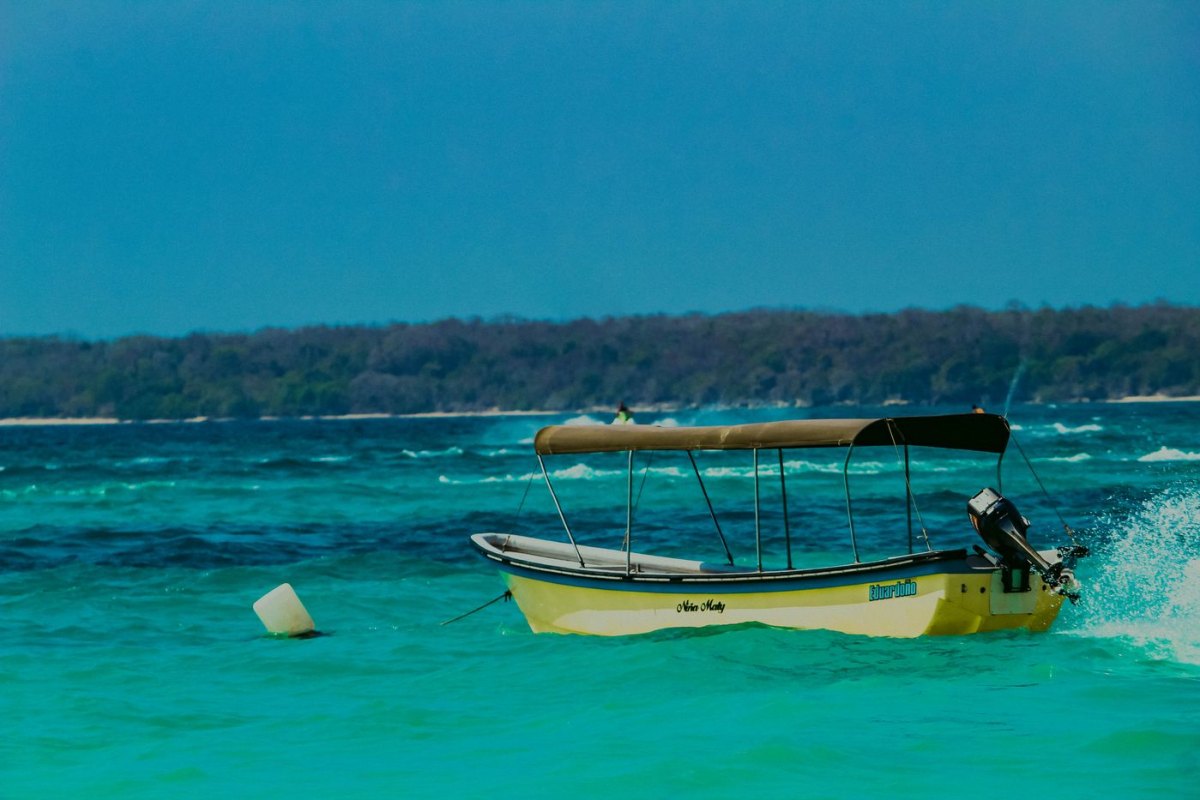
- Center-console boats: the all-rounder for reef trips and nearshore fishing, with open deck space, a single helm and room for snorkel or dive gear. The common family choice in the 20-to-26-foot range.
- Flats skiffs: shallow-draft poling boats built for the backcountry, able to slip across inches of water where bigger hulls run aground. Best with a guide who knows the flats.
- Pontoon and deck boats: stable, roomy and calm, the right call for families heading to a sandbar or a sheltered swim rather than open water or the reef.
- Catamarans and larger craft: for bigger groups, offshore runs or a stable dive platform.
- Kayaks and paddleboards: the low-cost, no-licence way to explore the mangroves and shallow flats under your own power.
A small boat in the mid-teens of feet is generally certified for around six people and works for a family, while anything heading offshore should be larger and better equipped.
What it costs, and what is extra
Rental prices in the Keys move with the boat size, the season and whether a captain comes with it, so treat any quote as a starting point and read the extras carefully.
- The base rate: boats rent by the half-day, full day or week, with small skiffs at the bottom of the range and large offshore or captained boats many times higher. Captained charters are priced per trip and per the number of anglers.
- Rough ranges to plan around: self-drive pontoons and center consoles tend to start near 85 dollars an hour, with half-days commonly between about 350 and 600 dollars and full days from roughly 700, while Key West day rentals often sit in the 300-to-600 band. A captained leisure cruise usually runs from around 150 dollars an hour upward, and a fishing charter is quoted per trip. Treat these as a guide, since prices move with season and demand.
- Fuel is usually separate: most bareboat rentals are returned full or charged for fuel used, which on an offshore day can add up fast.
- The security deposit: expect a sizable hold on a card, refundable if the boat comes back clean, full and undamaged. This is where a grounding or a lost piece of gear gets expensive.
- Gear and licence: snorkel sets, fishing rods, heavier trolling gear and a saltwater fishing licence may be bundled or charged on top, so confirm before you go.
- Trailer option: some companies rent a trailer if you want to tow the boat down the Keys yourself rather than launch locally.
Discounts for multi-day bookings, and the wider seasonal deals in our Florida travel deals guide, can take the edge off the cost. For longer water-based stays, compare an all-inclusive Florida Keys vacation or a stay aboard with houseboat rentals in the Florida Keys.
The rules that protect the reef and your deposit
The Keys are governed by federal and state rules that catch out unprepared renters. Knowing them is the difference between a clean trip and a fine.
- The boater education card: anyone born on or after the start of 1988 must carry a Florida Boating Safety Education ID Card to operate a motorboat of ten horsepower or more, and that includes a rental. Rental companies will check it before they hand over a bareboat.
- Mooring buoys, not anchors, on the reef: the Florida Keys National Marine Sanctuary maintains hundreds of free, first-come mooring buoys, marked with a blue stripe, so boats can tie up without dropping an anchor that breaks living coral. Anchoring on the reef is prohibited.
- Idle, no-wake and manatee zones: speed is restricted in marked channels, harbours and seagrass areas, both for safety and to protect manatees and the shallow grass beds.
- Seagrass liability: running aground and scarring the protected seagrass can bring a separate penalty, one more reason to respect the depth markers and stay in the channels.
- Dive flags and fishing rules: a divers-down flag is required when anyone is in the water, and saltwater fishing needs a licence with bag and size limits set by Florida wildlife managers.
- Lobster limits in the Keys: in Monroe County, which covers the Keys, the recreational bag limit is six spiny lobster per person, half the rest of Florida’s, each needing a carapace over three inches measured in the water, with a measuring gauge carried at all times.
- Look for Blue Star operators: dive and snorkel businesses awarded the sanctuary’s Blue Star designation follow best practice for the reef, using mooring buoys and teaching no-touch snorkelling.
Where to launch and base yourself
The Keys run roughly a hundred miles from the mainland to Key West, and each stretch has its own water. Base near the kind of boating you want.
- Key Largo: the closest to Miami and the home of John Pennekamp Coral Reef State Park, the first undersea park in the United States, with easy reef access and glass-bottom and snorkel boats.
- Islamorada: the sport-fishing base, with the backcountry flats on one side and the bluewater on the other, plus the famous sandbar gatherings.
- Marathon: a family-friendly middle Keys hub with calm water, Sombrero Reef offshore and the Seven Mile Bridge beyond.
- Big Pine and the Lower Keys: quieter water and Looe Key, one of the finest snorkel reefs in the chain.
- Key West: the offshore and sunset base at the end of the road, and the jumping-off point for day trips out toward the Dry Tortugas.
For where to stay around the water, the Florida Keys beachfront rentals and Key West vacation rentals cover the islands, and families planning a wider Florida trip can see our Florida vacations for kids guide for combining the Keys with the mainland.
What experienced renters check first
Renters who have been burned once share the same checklist, and it is worth running before you hand over a deposit.
- Confirm the actual boat: ask whether the listing photos are of the exact vessel you will get, not a flattering stand-in, and check the model year and engine.
- Insist on a four-stroke and working electronics: a modern four-stroke outboard is cleaner and more reliable, and the VHF radio, GPS and bilge pump should all be tested in front of you.
- Match the draft to the water: a deep-hulled boat will strand you on the bay side, so make sure the boat suits where you actually plan to go.
- Read the fuel and deposit policy: know exactly how fuel is charged and how large the deposit hold is before you sign.
- Take a captain for the first day: many repeat visitors hire a guide for the first outing to learn the channels, then bareboat with confidence afterwards.
- Check insurance: ask to see proof that the boat is insured, and understand what you are liable for in a grounding.
Frequently Asked Questions
Do you need a licence to rent a boat in the Florida Keys?
Florida has no recreational boating licence, but anyone born on or after the start of 1988 must hold a Florida Boating Safety Education ID Card to operate a motorboat of ten horsepower or more, including a rental. Older boaters are exempt, though rental firms still run a basic checkout. A captained charter needs none of this from you.
Can a beginner rent a boat in the Keys?
Yes, but with care. The water is shallow, the sandbars shift and grounding is common, so first-timers are usually better off with a captained charter or a calm pontoon for a sandbar day rather than a bareboat on the reef or offshore. Many visitors take a captain for the first outing and bareboat after.
How much does it cost to rent a boat in the Florida Keys?
Prices depend on the boat size, the season and whether a captain is included. Self-drive pontoons and center consoles tend to start near 85 dollars an hour, with half-days commonly between about 350 and 600 dollars and full days from roughly 700, while a captained cruise usually runs from around 150 dollars an hour. Fuel and a refundable security deposit are charged separately, and multi-day bookings lower the daily rate.
What is the best area for a boat day on the reef?
Key Largo for the John Pennekamp reef, the Lower Keys for Looe Key, and Marathon for Sombrero Reef all offer strong reef boating. Islamorada is the base for backcountry and offshore fishing rather than the reef.
Can you anchor on the coral reef?
No. Anchoring on living coral is prohibited in the Florida Keys National Marine Sanctuary. Instead you tie up to one of the hundreds of free mooring buoys marked with a blue stripe, on a first-come basis, which protects the reef from anchor damage.
Sources
- Florida Fish and Wildlife Conservation Commission, boating and education card
- Florida Keys National Marine Sanctuary, NOAA (rules and mooring buoys)
- John Pennekamp Coral Reef State Park
- The Florida Keys and Key West, official tourism