Custer State Park covers 71,000 acres of the Black Hills in western South Dakota, making it the second-largest state park in the United States. The park holds a free-roaming bison herd of over 1,400 animals, four scenic driving routes cut through granite spires and pine forests, and the highest peak east of the Rocky Mountains – Black Elk Peak at 7,242 feet – sits within its boundaries. The park operates year-round, though the peak season runs from May through September when all campgrounds, lodges, and visitor services are open. Located minutes from Rapid City and less than an hour from Mount Rushmore, Custer State Park functions as a base camp for Black Hills exploration and as a destination in its own right.
Wildlife: The Bison Herd and Beyond
The bison herd is the park’s central draw. Over 1,400 bison graze across the grasslands and hills along the Wildlife Loop Road, an 18-mile circuit through the park’s eastern prairie. Early morning and late evening drives produce the best sightings, when the herd moves between grazing areas and water sources. Bison routinely cross the road and walk between parked vehicles – the park advises keeping doors closed and maintaining distance, as the animals weigh up to 900 kilograms and can sprint at 55 km/h.
The annual Buffalo Roundup, held on the last Friday of September or first Friday of October, draws thousands of spectators. Cowboys and cowgirls on horseback drive the entire herd into a corral system along the Wildlife Loop Road for health checks, vaccinations, and population management. The event runs since 1965 and functions as both a working livestock operation and a public spectacle – bleacher seating fills by sunrise, and the roundup itself takes two to three hours.
Other wildlife species in the park:
- Pronghorn antelope – North America’s fastest land mammal, commonly seen on open grasslands along the Wildlife Loop
- Mountain goats and bighorn sheep – found on rocky outcrops and cliff faces in the park’s western sections
- Mule deer and white-tailed deer – present throughout the park, especially near campgrounds at dawn and dusk
- Wild burros – descendants of pack animals that carried tourists to Black Elk Peak, now free-roaming and often approaching vehicles for attention
- Elk – a herd of several hundred, most visible during the fall rut in September and October
- Prairie dogs – colonies along the Wildlife Loop Road and near the park’s eastern boundary
Scenic Drives: Needles Highway and Iron Mountain Road
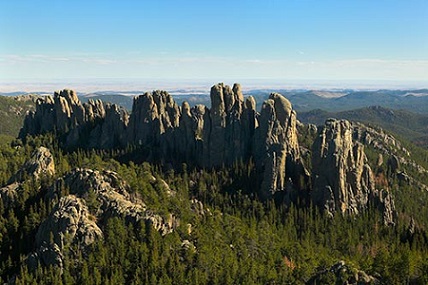
Needles Highway (South Dakota Highway 87) runs 14 miles through the park’s most dramatic terrain. The road threads between narrow granite spires called needles, passes through tunnels carved into solid rock (one so narrow that larger vehicles cannot fit), and climbs to overlooks above the pine-covered hills. The Eye of the Needle, a natural window in a granite spire, marks the road’s signature viewpoint. The highway closes in winter when snow makes the curves and tunnels unsafe.
Iron Mountain Road (U.S. Route 16A) connects Custer State Park to Mount Rushmore through 17 miles of engineered switchbacks, pigtail bridges (corkscrew overpasses that loop traffic up or down a grade), and three tunnels framing distant views of Mount Rushmore’s carved faces. The road’s designer, former South Dakota governor Peter Norbeck, walked the route on foot before engineers built it, insisting that the tunnels align with the monument visible through each opening.
The Peter Norbeck Scenic Byway encompasses both Needles Highway and Iron Mountain Road and runs a total of 68 miles. A complete loop takes roughly three hours without stops, longer with photo breaks and short hikes at pulloffs. The Wildlife Loop Road, while less dramatic in landscape than the Needles, delivers the park’s best animal encounters and takes about an hour to complete at a slow pace.
Hiking: Black Elk Peak and Trail Network
Black Elk Peak (formerly Harney Peak) stands at 7,242 feet, the highest point in the United States east of the Rockies. The most popular trail to the summit starts at Sylvan Lake and covers 3.5 miles one way with roughly 1,100 feet of elevation gain. The stone fire tower at the top, built by the Civilian Conservation Corps in the 1930s, provides 360-degree views across the Black Hills, the Badlands to the east, and into Wyoming and Nebraska on clear days. The hike takes three to five hours round trip depending on pace.
The park maintains over 30 miles of marked trails ranging from short interpretive walks along the lakeshores to full-day backcountry routes through the Cathedral Spires area. Sunday Gulch Trail, a 3.8-mile loop from Sylvan Lake, drops into a creek-bottom gorge with ladders and stone stairs built into the rock. The Creekside Trail runs 2 miles along Grace Coolidge Creek and is accessible to strollers and wheelchairs for most of its length.
The Cathedral Spires area, accessible from a trailhead off Needles Highway, provides rock climbing on granite formations that range from beginner-friendly slabs to advanced multi-pitch routes. Climbers do not need a permit but must follow park regulations on fixed anchors and rope management. The Centennial Trail, a 111-mile route that runs the length of the Black Hills from Bear Butte to Wind Cave, passes through Custer State Park for roughly 22 miles and offers backcountry overnight options for experienced hikers carrying their own water. The park requires backcountry campers to register at a visitor center before heading out, and campfires are restricted to designated fire rings to manage wildfire risk in the pine forests.
Water Activities: Sylvan Lake, Legion Lake, and Stockade Lake
Sylvan Lake sits at 6,200 feet among granite boulders that rise directly from the water’s edge. The lake covers 18 acres and supports swimming from a small beach (no lifeguard on duty), non-motorized boating (canoe and kayak rentals available at the lodge store), and shore fishing for rainbow trout, brook trout, and brown trout. A 1.1-mile trail circles the lake, threading through rock formations and offering views down into Sunday Gulch.
Legion Lake, in the park’s center, allows small electric motorboats alongside canoes and kayaks. Paddleboat rentals run by the hour. Stockade Lake, near the park’s northern entrance, is the largest body of water in the park and supports fishing for walleye, largemouth bass, and perch from shore or boat. A swimming beach with a bathhouse operates at Stockade from Memorial Day through Labor Day. Center Lake, the smallest and quietest of the four, offers a secluded swimming area and picnic grounds with fewer visitors than the other lakes.
Nearby Attractions in the Black Hills
Custer State Park sits at the center of a concentration of attractions that justify a multi-day visit to the Black Hills region. Mount Rushmore National Memorial is a 25-minute drive north via Iron Mountain Road. Crazy Horse Memorial, an in-progress mountain carving honoring the Lakota leader, lies 5 miles north of the park’s northern entrance and has been under construction since 1948. Wind Cave National Park borders Custer State Park to the south and holds one of the longest caves in the world with over 160 miles of mapped passages. The town of Keystone, between the park and Mount Rushmore, provides restaurants, shops, and additional lodging.
Deadwood, 50 miles north, preserves the gold rush history of the 1870s with gaming, museums, and reenactments of the Wild Bill Hickok shooting. The Badlands National Park, a 90-minute drive east, offers eroded rock formations and bighorn sheep habitat that contrasts sharply with the Black Hills’ forested granite terrain. Visitors spending four to five days in the region can cover Custer State Park, Rushmore, Crazy Horse, Wind Cave, and the Badlands without rushed driving.
Camping and Lodging
Nine campgrounds operate inside the park, offering tent sites, RV sites with electrical hookups, camper cabins, and a horse camp for visitors bringing their own mounts. Tent-only sites without electricity start at $16 per night. Sites with electrical hookup run $23 per night. Camper cabins, which provide a roof and bunks but no plumbing, cost $34 per night. Reservations open in January for the following summer season and fill quickly for July and August weekends.
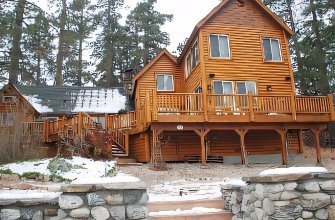
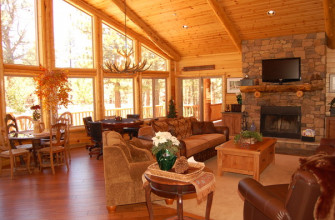
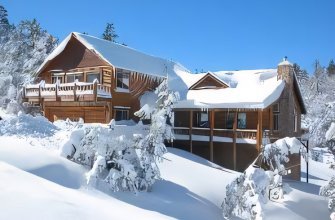
The park also operates four lodges: the State Game Lodge (a former “Summer White House” where Presidents Coolidge and Eisenhower stayed), the Sylvan Lake Lodge overlooking a granite-rimmed mountain lake, the Blue Bell Lodge in a meadow near the buffalo corrals, and the Legion Lake Lodge on the park’s central lake. Lodge rooms range from $150 to $300 per night in peak season. The daily park entrance fee is $20 per vehicle; an annual pass costs $36.
Frequently Asked Questions
How much does it cost to enter Custer State Park?
The daily park entrance fee is $20 per vehicle. An annual pass costs $36 for the first vehicle. Camping fees range from $16 per night for tent-only sites to $34 for camper cabins. Lodge rooms run $150-$300 per night depending on location and season.
When is the best time to visit Custer State Park?
Late May through September offers the best weather and full access to all roads, campgrounds, and lodges. The Buffalo Roundup in late September or early October draws the largest crowds. Fall colors peak in late September. Needles Highway and Iron Mountain Road close for winter, typically from November through April.
Can you see buffalo at Custer State Park?
The park maintains a herd of over 1,400 free-roaming bison. The Wildlife Loop Road, an 18-mile drive through the eastern grasslands, provides the most reliable sightings. Early morning and evening drives produce the best encounters. Bison routinely walk on and alongside the road.
How long does it take to drive through Custer State Park?
The Wildlife Loop Road takes roughly one hour. Needles Highway takes about one hour. Iron Mountain Road to Mount Rushmore takes 45 minutes to an hour. A full loop covering all three routes takes three to four hours without extended stops.
Sources and Further Reading
- South Dakota Game, Fish, and Parks – Custer State Park Official Page (gfp.sd.gov)
- Travel South Dakota – Custer State Park: Plan Your Trip (travelsouthdakota.com)
- Park Ranger John – Complete Guide to Custer State Park (parkrangerjohn.com)
- Visit Rapid City – Custer State Park and Black Hills Planning (visitrapidcity.com)