Argentina is home to some of the most spectacular waterfalls in the world. With the Andes Mountains running the full length of its western border and a long Atlantic coastline in the east, the country holds an extraordinary mix of landscapes, from steamy subtropical jungle in the north to subantarctic hills and glacier valleys in the south. As the eighth-largest country in the world, Argentina has unspoilt natural scenery on a scale that few other nations can match, and its waterfalls range from the thundering Iguazu Falls on the Brazilian border to delicate seasonal cascades fed by Patagonian glaciers. This 2026 guide walks through the biggest and best waterfalls in Argentina and offers practical tips for visiting each one.
Why Argentina Is a Waterfall Lover’s Paradise
Few countries pack such a variety of waterfalls into a single border. The northern provinces of Misiones and Salta hold the dramatic tropical falls of the Parana basin, where the warm climate and high rainfall produce volumes of water that few places on Earth can match. The Andean foothills of Mendoza and Neuquen feed clear mountain streams that drop through forests of monkey puzzle trees. The far south of Patagonia, around El Chalten and El Calafate, holds glacier-fed cascades that come alive only when the spring sun starts to melt the winter ice.
The best waterfall trips usually combine several stops in the same region, since many of the most beautiful falls sit inside national parks that hold dozens of smaller cascades alongside the famous headline acts.
Iguazu Falls (Cataratas del Iguazu)
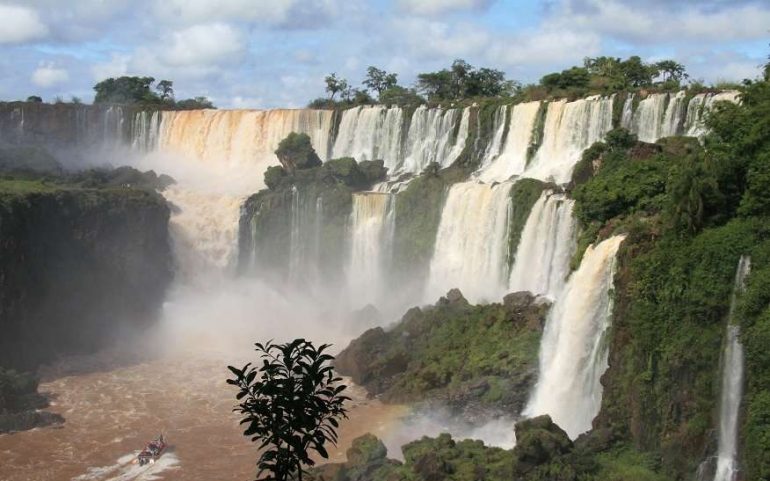
The largest and best-known of the waterfalls of Argentina, the Iguazu Falls sit on the northern border of the country, at the meeting point of Argentina, Brazil and Paraguay. The falls are widely considered one of the most spectacular natural wonders in the world and were named one of the New 7 Wonders of Nature in 2011. UNESCO inscribed the falls on the World Heritage list in 1984.
The Iguazu system stretches almost 3 kilometres across and holds 275 individual waterfalls, which together form the largest waterfall system on the planet by width. The greatest single drop, known as the Devil’s Throat (Garganta del Diablo), plunges 80 metres into a horseshoe-shaped chasm and is the most dramatic single sight on the entire river. Roughly 80 percent of the falls lie inside Argentina, and the Argentine side offers the closest, wettest and most immersive viewing experience.
Inside Iguazu National Park, a network of catwalks and a small ecological train carry visitors to the lower circuit, the upper circuit and the famous platform that hangs directly above the Devil’s Throat. Be prepared to get wet, since the volume of water generates a permanent mist around the falls. Boat tours run by Iguazu Jungle take visitors right under the cascades for a spectacular soaking, and helicopter tours operate from the Brazilian side. Plan at least two full days to visit both the Argentine and Brazilian sides of the park, since each offers a different perspective on the falls.
El Chorrillo del Salto
Located in the Patagonian region of Argentina near the village of El Chalten, El Chorrillo del Salto is a delightful waterfall about 20 metres high. It is fed by melting snow and glaciers from the famous Fitz Roy Massif and runs at its strongest in the southern spring months of September, October and November. The morning sun strikes the falls directly and casts deep shadows that can make photography difficult, so the early afternoon is the best time for pictures.
The falls sit just 4 kilometres from El Chalten and can be reached on an easy walk along a flat trail through the Patagonian forest, which makes them one of the most accessible attractions in the area. Many visitors combine the walk with a short stop at the trailheads for the famous Laguna de los Tres and Laguna Torre treks.
Salto Arrechea
Although technically part of the larger Iguazu system, the Salto Arrechea is a hidden gem that lies a little over an hour’s hike from the main waterfall circuit. Far more secluded than the famous catwalks, the falls are 30 metres high and surrounded by lush subtropical rainforest. Best of all, swimming is permitted in the natural pool at the base, which makes the Salto Arrechea one of the very few spots inside Iguazu National Park where you can actually cool off in the river.
The hike from the start of the Macuco Trail is pleasant and fairly easy for visitors who are reasonably fit, with chances to observe coatis, toucans, capuchin monkeys and dozens of butterfly species along the way. Bring water, insect repellent and a swimsuit.
The Fitz Roy Cascades
Seen on the demanding Laguna de los Tres hike near El Chalten, the Fitz Roy cascades are not true year-round waterfalls but a series of seasonal cascades that flow down the face of the famous granite peaks. During the southern summer months of December, January and February, melting ice and snow create a delicate lacy pattern of flowing water along the mountainside that turns the entire massif into a natural cathedral of water and rock. The 20 km round-trip hike to Laguna de los Tres is one of the most rewarding day walks in Patagonia and offers some of the best mountain photography opportunities in South America.
Other Famous Waterfalls in Argentina
Cascada Los Alerces (Salto del Agrio)
Hidden in the volcanic Caviahue area of the Neuquen Province, the Salto del Agrio drops 60 metres into a stunning canyon coloured by mineral deposits from the nearby Copahue volcano. The sulphur-rich water creates an unusual reddish-orange tint along the rocks that no other waterfall in the country can match. The area also holds the famous Cascadas del Rio Agrio, a chain of seven different waterfalls along the same river that can be visited on a single half-day hike.
Cascada Inacayal
The Cascada Inacayal in Nahuel Huapi National Park, near the resort town of Villa La Angostura, drops 50 metres through a forest of beech trees and ancient coihue. The trail to the falls is short and easy, which makes it a popular stop for travellers exploring the famous Lake District around Bariloche.
Cascada de la Hoya
Near the southern town of Esquel in Chubut Province, the Cascada de la Hoya tumbles down through a narrow rocky gorge and is most impressive in late spring when the snowmelt is at its peak. The falls sit close to the famous La Hoya ski centre and are popular with locals during the warm summer months.
Saltos del Moconá
One of the most unusual waterfalls in the world, the Saltos del Mocona in Misiones Province run parallel to the river rather than across it. The falls extend nearly 3 km along the Uruguay River, where the water drops between 7 and 12 metres into a hidden lower channel. The site lies inside Mocona Provincial Park and is far less visited than Iguazu, which makes it a great alternative for travellers who want to escape the crowds.
Cascada Los Cantaros
Located on the northern shore of Lake Nahuel Huapi, near Bariloche, the Cascada Los Cantaros drops through a series of pools surrounded by ancient Andean rainforest. The boat trip across the lake to reach the falls is one of the most popular day trips from the city.
Cascada Escondida
Tucked into the forests of Los Alerces National Park in Chubut, the Cascada Escondida (“Hidden Waterfall”) is reached by a short walk through a stand of 3,000-year-old alerce trees, some of the oldest living organisms in South America. The combination of giant trees and gentle cascade makes the spot one of the quietest and most magical in Patagonia.
Practical Tips for Visiting the Waterfalls of Argentina
- Best time to visit Iguazu. The falls flow strongly all year, but the dry season from April to October brings the most pleasant weather and the lowest mosquito activity. Avoid the wettest months of January and February if you want clear skies, although the falls are at their most powerful then.
- Best time for Patagonian waterfalls. The southern summer (December to February) and early autumn (March) offer the best balance of weather, daylight and access to the trails. Most Patagonian waterfalls run dry or freeze over in winter.
- Bring waterproof gear. A rain jacket, dry bag and waterproof shoes make a huge difference at the major falls. Phones and cameras need extra protection from the constant mist at Iguazu.
- Stay close. Both Puerto Iguazu (Argentina) and Foz do Iguacu (Brazil) offer good accommodation just outside the national park gates. El Calafate and El Chalten are the main bases for the Patagonian falls.
- Visa. Most European, North American and Commonwealth visitors do not need a visa for short stays in Argentina. Check the latest rules before booking.
- Currency. Argentine peso (ARS). Bring some US dollars in cash as backup, since the local currency has experienced strong fluctuations in recent years.
- Cross-border tips. Visiting both sides of Iguazu Falls requires crossing the international border between Argentina and Brazil. Check whether you need a Brazilian visa before you go.
- Local knowledge. Many smaller waterfalls in Argentina are not on tourist maps. If you spend time in a rural area, ask local residents whether there is a notable cascada nearby. The best discoveries often come from a tip in a local cafe.
Final Thoughts
From the thundering Devil’s Throat at Iguazu to the delicate seasonal cascades of the Fitz Roy massif, the waterfalls of Argentina offer some of the most varied and spectacular water landscapes in the world. Spend a few days getting soaked on the catwalks of Iguazu, hike to the hidden pool at Salto Arrechea, watch the morning light catch El Chorrillo del Salto and stand beneath the granite spires of Fitz Roy as the snow turns to ribbons of water, and you will understand why Argentina has become a pilgrimage destination for waterfall lovers from every corner of the globe.