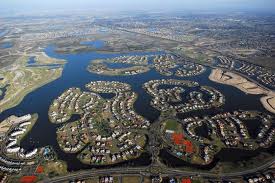
Thirty kilometres north of Buenos Aires, the Parana River stops being a river and becomes a maze. It fans out into hundreds of wooded islands and channels before reaching the Rio de la Plata, and the town of Tigre sits at the doorway. The Parana Delta is the fifth largest in the world and unusual for draining into another river rather than the sea, and the islands behind Tigre have no roads, no cars, and a public transport system that runs entirely on water. This guide covers how to reach Tigre, how the delta actually works, and what is worth your time once you arrive.
Where Tigre Sits and Why It Is Different
Tigre is a town on the mainland edge of the delta, in the northern suburbs of greater Buenos Aires. Behind it spreads a maze of low islands built from the silt the Parana carries down from the heart of the continent. The water is the colour of milky tea from that sediment, not from pollution, and the whole landscape is still growing as the river drops its load.
What makes the place worth a trip is the contrast: a 50-minute train ride from one of South America’s biggest cities drops you at the edge of a roadless wilderness where families commute by boat and groceries arrive by water. For a wider sense of the country around it, our overview of Argentina travel tips sets the scene, and the city’s own highlights sit in our guide to the tourist sites of Buenos Aires.
How to Get to Tigre
Two trains run from the city, and they offer different things. The Mitre line from Retiro station is the cheap, frequent workhorse, reaching Tigre in roughly 50 to 67 minutes for the price of a SUBE travelcard tap, a dollar or two. The Tren de la Costa is the scenic alternative, an electric line running since 1916 along the Rio de la Plata shore through the leafy northern suburbs, with restored stations full of cafes, ending at Delta station beside the Puerto de Frutos.
Most visitors take the Mitre train out and the Tren de la Costa back, or the reverse, to see both. Driving is possible but pointless: parking is tight and the delta itself can only be reached by boat.
The Lanchas Colectivas: Public Transport on Water
The detail that sets the delta apart, and that few foreign guides explain, is its bus system made of boats. The lanchas colectivas are the only public transport in the islands, wooden launches that run fixed routes and stop at private jetties the way a bus stops at a corner. Their design dates from around 1940, the hulls are built of mahogany, and the fleet, run by lines such as Lineas Delta Argentino, numbers more than a hundred boats, each carrying about a hundred passengers.
For a traveler this is the real experience, better than any packaged cruise. You board at the Estacion Fluvial beside the town, pay a fare, and ride the same boat the islanders use to reach school, work or home, watching the deckhand toss bread and post onto passing docks. Tour boats give you a tidy loop; the colectiva gives you the delta as it lives.
Life on the Islands: the Isleños
A stable community of islanders, the islenos, lives out on the channels, alongside weekend houses, rowing clubs and small hostels. With no roads, everything moves by water, including a tradition unique to the delta: the barco almacen, a floating general store that motors from dock to dock selling food, gas bottles and hardware to households that cannot drive to a shop.
Many islenos make a living from craft, weaving wicker and reeds, painting and woodwork, and sell it at the market in town. Their life is harder than the postcard suggests, exposed to floods and now to the pressure of tourism and real-estate development, a tension the Argentine press has covered closely. A respectful visitor treats the islands as a lived-in place, not a theme park.
Puerto de Frutos: the Market
The Puerto de Frutos, the fruit port, is Tigre’s busiest draw. Until the mid-twentieth century this was a working dock where boats unloaded the delta’s fruit and timber for sale in Buenos Aires. As that trade faded, the port reinvented itself as a sprawling open-air market for the islanders’ crafts and for furniture, basketry and food.
It is at its best on weekends, when the stalls fill and the riverside fills with porteños on a day out. Wicker and rattan furniture, mate gourds and regional sweets are the things to look for, and the market sits right by the Delta station of the Tren de la Costa.
The Belle Epoque Town: Museums and the Riverfront
Tigre was the playground of the Buenos Aires elite a century ago, and the riverfront still shows it. The Museo de Arte Tigre occupies the former Tigre Club, a lavish belle-epoque social club and casino finished in 1912, expropriated by the municipality in 1974 and reopened as an art museum in 2006. Its collection runs through Argentine figurative painting from the late nineteenth to the mid-twentieth century, and the building alone is worth the walk along the Paseo Victorica promenade.
A short way on are smaller museums that reward a stop: the Museo Sarmiento, built around the modest delta house of the former president Domingo Faustino Sarmiento, who championed the islands; the Museo del Mate, devoted entirely to Argentina’s national drink and its paraphernalia; and the Museo de la Reconquista. Tigre is also the cradle of Argentine rowing, and the grand riverside boathouses of clubs founded as far back as 1873 still line the water.
Boat Tours and Things to Do
Beyond the colectivas, the standard outing is a one-hour cruise through the narrow channels, easy to book at the Estacion Fluvial and a gentle way to see island houses, jetties and the wildlife of the reed beds. Longer trips reach restaurants and day-use clubs deep in the delta.
- Delta cruise: a one-hour loop through the channels, the simplest introduction.
- Parque de la Costa: a large amusement park beside the Tren de la Costa terminus, popular with families.
- Kayak and rowing: outfitters rent kayaks, and the delta’s calm channels suit beginners.
- Stay over: island lodges and cabins let you trade the day-trip crowds for a quiet night on the water.
- Casino de Tigre: the riverside casino carries on the town’s old role as a resort.
When to Go and Practical Tips
Tigre works all year, but the delta is at its greenest and most comfortable from spring through autumn, from October to April, when the channels are warm and the gardens are in leaf. Winter is quieter and cooler but still pleasant on a clear day. Weekends are lively and crowded at the Puerto de Frutos; weekdays are calmer for the boats.
- Buy and load a SUBE card in the city, since it covers the Mitre train and the colectivas.
- Carry insect repellent: the delta has mosquitoes, worst at dusk in summer.
- Check the colectiva timetables at the Estacion Fluvial, as island routes run less often than city buses.
- Bring cash for the market and island kiosks, where cards are not always taken; our note on money and currency in Argentina covers the peso.
- Pack a light layer: the river breeze cools the evening quickly.
Frequently Asked Questions
How do you get from Buenos Aires to Tigre?
The Mitre commuter train from Retiro station reaches Tigre in about 50 to 67 minutes for the cost of a SUBE card tap. The scenic Tren de la Costa runs along the river shore and ends at the Puerto de Frutos. Both are easy day-trip options.
What are the lanchas colectivas?
They are the delta’s public transport: wooden mahogany launches, designed around 1940, that run fixed routes and stop at island jetties like water buses. Run by lines such as Lineas Delta Argentino, they are the way islanders travel and the most authentic way for visitors to see the delta.
Is Tigre worth visiting as a day trip?
Yes. It is the easiest escape from Buenos Aires into nature, combining a market, belle-epoque museums and a boat ride through a roadless wetland, all within an hour of the city. Many visitors find a full day is enough, though island lodges make an overnight stay rewarding.
What is the Puerto de Frutos?
A former fruit and timber dock turned open-air craft and furniture market, busiest at weekends. It is the main shopping and eating hub in Tigre and sits beside the Delta station of the Tren de la Costa.
Can you swim in the Tigre Delta?
Swimming is not recommended in the main channels because of boat traffic and strong currents, and the brown water is sediment rather than dirt. Island clubs and lodges have pools, and the delta is better enjoyed by boat than in the water.
How much time do you need in Tigre?
A day covers the market, a museum, and a one-hour cruise or a colectiva ride. To slow down, ride the colectivas further into the delta or stay a night on an island, which shows the quieter side the day crowds miss.
Sources and Further Reading
- Vivi Tigre, the municipal tourism office – official visitor information and transport
- Argentina.gob.ar – national tourism guide to navigating the Tigre delta
- Buenos Aires City tourism – Tigre as a waterside getaway
- Welcome Argentina, Tigre – attractions, museums and excursions
- Trenes Argentinos – official Mitre line Retiro to Tigre schedule
- Museo de Arte Tigre – the belle-epoque art museum on the riverfront