Chilean cooking grew out of the collision between Mapuche staples (corn, potatoes, beans, seafood along a 4,300-km coastline) and Spanish colonial imports (wheat, pork, beef, onions, olives). The country produces the majority of its own food, and local grocery chains still stock regional specialities that never reach neighbouring Argentina or Peru. Empanadas de pino, cazuela, pastel de choclo, the Chiloe curanto pit feast, and the weekend asado define Chilean home cooking, while the restaurants of Santiago and Valparaiso have pushed a new-Chilean movement that combines these traditions with modern plating.
This guide covers the ten dishes every visitor should know, the indigenous origins behind curanto and pastel de choclo, the role of seafood in coastal cooking, the breakfast and onces tea-time tradition, the most common Chilean desserts, the wines that pair with each course, and the basics of Chilean food safety and dining etiquette.
Empanadas de Pino: The National Snack
Empanadas de pino are the closest thing Chile has to a national dish. The filling (pino) combines finely chopped beef cooked with onions, cumin, paprika, and raisins, with a whole black olive, a slice of hard-boiled egg, and sometimes a piece of potato tucked inside each pastry. Bakeries fold the wheat-flour dough into rectangles rather than the crescent shape common in Argentina and the rest of Latin America.
A typical Chilean empanada weighs 200-250 grams and costs CLP 1,500-2,500 at a neighbourhood bakery, about US$1.50-2.50 at current exchange rates. National day, Fiestas Patrias on 18 September, is empanada day in every sense: bakeries across the country produce an estimated 20 million empanadas over the long weekend, and families who usually never cook make their own at home.
Variations include empanadas de queso (cheese), empanadas de mariscos (seafood, common in coastal towns), and empanadas fritas (deep-fried rather than baked, lighter on filling). The classical pino version remains the benchmark that every traveller should try at least once.
Pastel de Choclo and Humitas
Pastel de choclo is a baked casserole that layers pino filling (beef, onions, olives, hard-boiled egg) under a topping of ground fresh corn mashed with milk, butter, and a pinch of sugar. The word choclo comes from the Quechua and Mapudungun term for tender corn cobs, distinguishing the fresh-corn ingredient from the dried-corn maiz of European-style preparations. The dish descends from the Andean tradition of whole-corn cooking merged with Spanish meat-pie technique, and it is one of the clearest examples of Chilean mestizaje on a plate. The cultural layering that produced this dish is covered in more depth in our overview of ancient Chilean history.
The dish is served in an individual clay pot called a paila, glazed to hold heat. A proper pastel de choclo sits in the oven at 200 degrees until the corn topping caramelises into a shell, and the combination of sweet corn and savoury pino makes it polarising for first-timers. Chilean diners either love it or decline it; few sit in the middle.
Humitas are the related dish: the same fresh-corn mash, this time wrapped in corn husks and steamed rather than baked, and served without meat filling. Humitas appear at asados as a side dish, at market stalls as street food, and at home dinners through late summer when corn is in season. Both dishes are rarely available outside Chile, which makes them a priority for first-time visitors.
Cazuela: The Sunday Stew
Cazuela is the most common home-cooked meal in Chile. A large pot of broth simmers with pieces of beef or chicken, quartered potato, whole corn on the cob cut into thick rounds, squash, green beans, rice, and sometimes a lemon wedge for finish. The result is more soup than stew; diners work through the solid ingredients first, then drink the remaining broth from the bowl. The dish carries Spanish-colonial roots from the cazuela pot of Andalusian cooking, adapted to Chilean ingredients over four centuries of central-valley settlement.
Regional versions shift the ingredients. Cazuela de vacuno (beef cazuela) is standard in central Chile. Cazuela de ave (chicken) is common everywhere. Northern Atacama versions add quinoa. Southern Chiloe island versions sometimes replace corn with chuchoca (dried cracked corn) and include seaweed. The Magallanes far south runs lamb cazuela using local Patagonian sheep.
Cazuela appears on restaurant menus everywhere but rarely matches the home-cooked version in quality. Visitors with a chance to eat in a Chilean home should accept any cazuela invitation. For readers interested in the broader context of South American stew traditions, our guide to traditional Chilean food covers the related dishes of carbonada, valdiviano, and charquican.
Curanto: The Chiloe Pit Feast
Curanto is the most distinctive dish of Chiloe island, the large archipelago off the Pacific coast south of Puerto Montt. The name comes from the Mapudungun word “kurantu”, meaning “stony”, a reference to the hot river stones at the centre of the cooking method. Archaeological evidence of the practice on the main Chiloe island dates back more than 11,000 years, making curanto one of the oldest continuously practised cooking methods anywhere in South America. The dish is attributed in its earliest form to the Chono people, the coastal indigenous group who navigated the channels of the Patagonian archipelago, with later additions of Spanish and German settler ingredients producing the modern recipe.
A proper curanto en hoyo (curanto in a pit) uses a hole about half a metre deep, lined with river stones that have been heated in a wood fire for several hours. Once the stones are red-hot, layers of ingredients are placed inside in a specific order:
- Bottom layer: shellfish, including almejas (clams), choros (mussels), and sometimes picorocos (giant barnacles)
- Middle layer: smoked pork ribs, longanizas sausages, chicken, and chorizos
- Upper layer: potatoes, milcao (potato-and-flour patties), and chapalele (denser potato dumpling)
- Cover: large nalca leaves (Chilean rhubarb) and earth, sealing the pit so the food steams in its own juices for six to eight hours
The result is a layered feast served on shared platters, typically eaten with white wine and aji pebre. Most Santiago and Puerto Montt restaurants now serve a faster pot version called curanto en olla or pulmay, which uses the same ingredients cooked together in a large pot. Pit-cooked curanto remains a Chiloe specialty, organised at family gatherings and at folk festivals such as the Festival Costumbrista on the island each February.
Asado: The Weekend Barbecue
Asado is Chile’s weekend social institution. A full asado runs four to six hours, starting with choripan (grilled chorizo in bread) as an appetiser, moving through anticuchos (skewered meat chunks), then to the main cuts: lomo vetado, plateada, entrana, and asado de tira. Beef dominates the grill, with chicken and pork as supplements and chorizo as the starter. Wine, mostly Chilean red, flows throughout.
The host (el asador) takes charge of the grill and rarely leaves it. Guests bring sides: pebre (a fresh salsa of tomato, onion, coriander, chilli, oil, vinegar), ensalada chilena (sliced tomato and onion), and bread. The timing and the fire are the asador’s responsibility, and an asador who burns the meat has lost social standing until the next event.
Chilean asado differs from the Argentinian version in its cuts (Chile favours thinner cuts, longer grilling) and its sides (Chilean pebre is always fresh, not the herb-based Argentinian chimichurri). The social function is identical: food is the reason for the gathering, but conversation and shared time are the real purpose. Our piece on Chilean Independence Day customs goes into the 18 September weekend when the asado becomes a national ritual.
Seafood Along the Pacific Coast
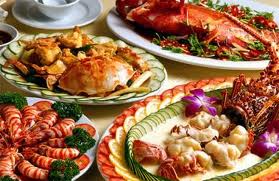
Chile’s 4,300-km coastline produces one of the world’s richest seafood catches. Specialist dishes include:
- Paila marina: a seafood stew with mussels, clams, shrimp, squid, and white fish in a broth flavoured with white wine and coriander, served in the same paila clay pot used for pastel de choclo
- Congrio frito: deep-fried cusk eel, a rare fish in global cuisine but a staple on Chilean coastal menus. Pablo Neruda wrote his “Oda al Caldillo de Congrio” about the soup version of this fish
- Machas a la parmesana: pink surf clams baked with parmesan and white wine, an invention of the Valparaiso kitchen in the 1920s
- Locos: Chilean abalone, served cold with mayonnaise or hot in a stew. Protected by strict seasonal closures to prevent overfishing
- Ceviche chileno: milder than Peruvian ceviche, with longer marination and less chilli. Usually made with reineta or corvina white fish
- Caldillo de congrio: the soup that Neruda celebrated, made with cusk eel, potato, tomato, garlic, coriander, and a splash of cream
- Erizos al matico: fresh sea urchin roe with chopped onion, lemon, and coriander, the most distinctive raw shellfish dish on Chilean menus
Chilean shellfish markets (caletas) in Valparaiso, Quintero, and Angelmo in Puerto Montt sell directly to customers at prices 30-50% below supermarket rates. These markets open early (05:00 to 06:00) and the best selection goes to buyers who arrive before 09:00. Our guide to Chilean sea bass recipes covers the dish Americans know best, known locally as merluza negra or bacalao de profundidad.
Completo and the Chilean Street Food Repertoire
The completo is the Chilean hot dog and the most popular street food in the country. The base is a steamed wheat bun with a long sausage (vienesa) of German origin, but the toppings define the Chilean version: mashed avocado, diced ripe tomato, mayonnaise, sauerkraut (chucrut), mustard, and sometimes a green chilli paste called aji verde. The completo italiano adds a stripe of green avocado, white mayo, and red tomato, mimicking the Italian flag.
- Completo italiano: avocado + tomato + mayo, the green-white-red flag pattern
- Completo dinamico: italiano plus chucrut, the heavier weekday option
- As: a smaller version with beef and tomato, served at lunch counters
- Chorrillana: a shared plate of french fries topped with sliced beef, sausage, fried eggs, and onions, eaten with beer at late-night Valparaiso bars
- Bistec a lo pobre: thin steak topped with a fried egg, sauteed onion, and a mound of french fries, the working-lunch staple of Santiago centro
- Sopaipillas: round flat squash-flour fritters, sold from street carts on rainy winter days with mustard and a sweet chancaca syrup version called sopaipillas pasadas
The completo and its sister dishes reflect the fusion that defines Chilean fast food: German base (sausage, mustard, chucrut), Mediterranean toppings (tomato, mayo), and Andean accents (aji, palta avocado). The chorrillana in particular emerged in Valparaiso port culture as a dish for sailors and workers, and now appears on most restaurant menus across the country.
Breakfast and Onces: The Eating Schedule
Chilean meal times differ from North American and northern European norms. Breakfast (desayuno) is light: tea or coffee with bread, butter, manjar (caramelised milk spread), and sometimes cheese. Lunch (almuerzo) is the main meal of the day, served between 13:30 and 15:00, and commonly runs to three courses: soup or salad, a hot main, and dessert or fruit. Dinner (cena) is a later, lighter meal from 20:30 to 22:00, and many Chileans skip it entirely.
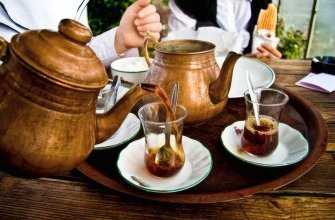
Between lunch and dinner sits onces, a tea-time tradition at around 17:00 to 19:00. Onces involves tea or coffee, bread with savoury toppings (ham, cheese, avocado), and often a sweet item like a slice of kuchen (German-influenced fruit cake). The custom came from English tea traditions via British and German settlers in the nineteenth century and has become so ingrained that many Chilean families replace dinner with onces entirely.
The name onces is said to come from either “once” (eleven, the number of letters in aguardiente, a hidden drinking code among women in the 1800s) or from the 11:00 morning break tradition of British railway workers in the Atacama nitrate mines. Either origin story circulates in Chilean popular history and neither has been conclusively documented.
Desserts and Drinks
Chilean desserts run sweeter and simpler than French or Italian traditions. Standard options:
- Mote con huesillo: sundried peaches rehydrated in sugar syrup over cooked husked wheat. Served cold in summer from street carts across the country
- Leche asada: a simple caramel custard similar to flan but firmer, baked rather than steamed
- Manjar: thick caramelised milk spread, eaten on bread, filling for pastries, or folded into cakes. Argentinian dulce de leche is the same product under a different name
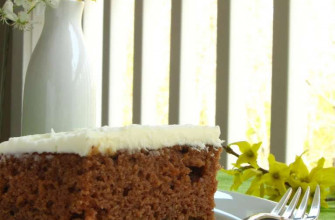
- Kuchen: German-origin fruit cakes from southern Chile, usually with raspberries, apples, or cherries. Valdivia and Frutillar make the best versions
- Suspiro chileno: a meringue-topped caramel dessert, common in higher-end restaurants, related to the Peruvian suspiro a la limena
- Calzones rotos: literally “torn underwear”, crispy fried dough strips dusted with powdered sugar, sold from carts at Fiestas Patrias and country fairs
Chilean wines cover every major varietal and many minor ones. Carmenere is the signature red, a grape thought extinct in France until 1994 when Chilean vineyards identified Carmenere vines that had survived in Chile after the European phylloxera crisis. Cabernet Sauvignon, Merlot, Syrah, and Pinot Noir all perform well in different valleys. Sauvignon Blanc from Casablanca Valley and Chardonnay from Limari dominate the whites.
Pisco sour is the national cocktail, made with pisco (a grape brandy), lemon or lime juice, egg white, sugar syrup, and Angostura bitters. Chile and Peru dispute pisco’s origin; both countries protect the name legally, and the two versions differ in grape variety and distillation method. Chilean pisco uses Moscatel, Pedro Jimenez, and Torontel grapes, while Peruvian pisco uses Quebranta and other native varietals. Chicha (fermented corn or grape juice) appears at rural celebrations, especially around Fiestas Patrias.
Dining Etiquette and Food Safety
Chilean restaurant culture follows Spanish-influenced norms. Tipping is expected at 10 percent of the bill, added as “propina sugerida” to the check and almost always left in place rather than removed. Servers do not hover; diners signal for the bill with “la cuenta, por favor” when ready to leave, sometimes after a long post-meal conversation.
Food safety in Chile is generally good. Tap water is safe to drink in Santiago, Valparaiso, and the major tourist regions. Some visitors experience digestive adjustments in the first few days, which are attributed to local bacteria rather than contamination. Street food from busy markets and stands with high turnover is usually safe; isolated vendors with low turnover carry more risk.
Raw seafood (ceviche, oysters, loco) at coastal caletas is fresh and low-risk. Visitors with compromised immunity should still be cautious during red-tide warnings (marea roja), which can affect shellfish in the Aysen and Los Lagos regions and which the Sernapesca fisheries agency publishes weekly. Readers curious about the broader food-growing context can also check our article on Chilean recipes for home-cook preparations of the dishes in this guide.
Frequently Asked Questions
What is Chile’s national dish?
No single dish holds an official national title. Empanadas de pino, pastel de choclo, and cazuela are the three most-cited candidates in food media and among Chilean families. Empanadas de pino have the strongest claim because of their central role in Fiestas Patrias on 18 September, the national holiday, with an estimated 20 million produced across the long weekend.
What is curanto and where does the name come from?
Curanto is a Chiloe-island pit feast cooking seafood, smoked pork, chicken, potatoes, milcao, and chapalele over hot river stones covered with nalca leaves. The name comes from the Mapudungun word “kurantu”, meaning “stony”, a reference to the hot stones at the centre of the method. Archaeological remains on the main Chiloe island date the practice back more than 11,000 years, attributed in its earliest form to the Chono indigenous people of the coastal channels.
Is Chilean food spicy?
Chilean food is mild by Latin American standards. Most dishes use cumin, oregano, coriander, and paprika for flavour rather than heat. Fresh chilli appears in pebre (the table condiment) and in a few northern dishes, but restaurants serve chilli on the side so diners can add their own. Visitors used to Mexican, Thai, or Indian spicing will find Chilean cooking understated.
Do Chileans eat lunch or dinner as the main meal?
Lunch. The main meal of the day runs from 13:30 to 15:00 and usually includes two or three courses. Dinner is lighter or replaced by onces (tea-time) around 17:00 to 19:00. Business lunches in Santiago often stretch to 90 minutes or more, and restaurants near office districts serve full lunch menus that can feed families of four for CLP 15,000 to 25,000.
What is the best Chilean wine to try?
Carmenere. Chile’s signature red grape was thought extinct in France after the phylloxera crisis of the 1860s and was rediscovered in Chilean vineyards in 1994. The grape produces a soft, spicy red with notes of green bell pepper and dark fruit. Premium versions from Colchagua Valley (Montes, Casa Silva, Santa Rita) sell for US$15 to 30 per bottle at the winery and are rarely exported in volume.
Is tap water safe to drink in Chile?
Yes in Santiago, Valparaiso, and major tourist regions. Rural areas and small northern towns sometimes have higher mineral content or arsenic levels that make bottled water a safer choice for visitors. In Atacama cities like Calama and Antofagasta, locals drink bottled water almost universally.
What is pebre?
Pebre is a fresh Chilean table salsa made with diced tomato, white onion, coriander, green chilli (aji verde), oil, vinegar, and salt. It accompanies bread before the meal and tops grilled meats at an asado. Pebre is always made fresh; bottled versions exist but the taste does not carry well beyond a day.
Sources and Further Reading
- Chile Travel, official tourism portal, food and wine section
- Wines of Chile, official wine trade organisation
- Sernapesca, Chilean fisheries authority, red-tide monitoring
- Museo de Colchagua, agricultural and food history
- Biblioteca del Congreso Nacional de Chile, food heritage records
- Curanto Wikipedia, comparative reference