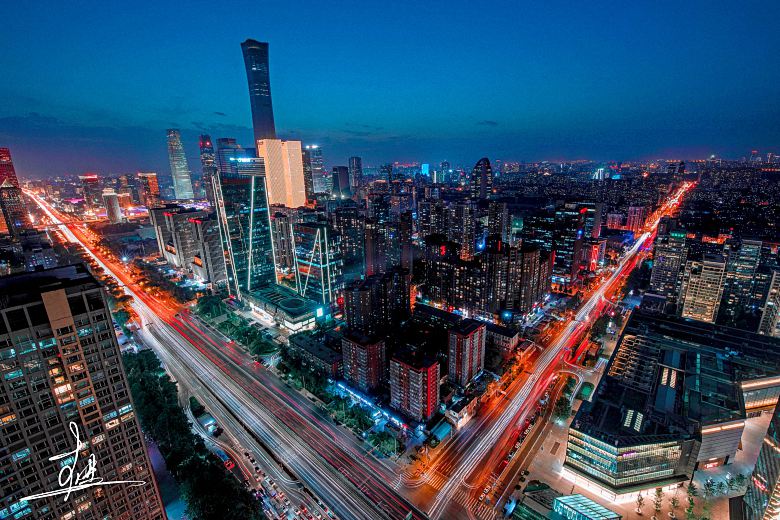
Beijing sits at the political, cultural, and historical centre of China, with around 22 million residents across the wider metropolitan area and more than seven centuries of continuous imperial capital status across the Yuan, Ming, and Qing dynasties. The city holds seven UNESCO World Heritage Sites, more than any other capital on earth: the Forbidden City, the Great Wall sections within municipal limits, the Temple of Heaven, the Summer Palace, the Ming Tombs, Zhoukoudian (Peking Man), and the Grand Canal. China expanded its visa-free transit scheme to 240 hours for 55 countries from December 2024 onward, which makes Beijing easier to visit than at any point in the past two decades. Our China travel guide explains which visa-free scheme fits your passport. This guide covers the visa rules, the headline attractions and how to book them, five different Great Wall sections to choose between, hutong walks, named food institutions, Universal Beijing Resort, transport from Capital and Daxing airports, the practical app stack tourists actually use, and the FAQ that first-time visitors ask most often.
A Short History of Beijing
Beijing’s documented history runs back more than three thousand years to the Zhou-dynasty state of Ji, but the city took its modern form under three imperial dynasties that each made it their capital:
- Yuan dynasty (1271-1368): Kublai Khan moved the Mongol capital here, calling it Dadu (Great Capital). The city plan with its grid streets and four main gates dates to this period.
- Ming dynasty (1368-1644): the Yongle Emperor moved his court north from Nanjing in 1420 and built the Forbidden City as the new imperial residence. The Ming walls and the early Great Wall sections nearest Beijing date to this era.
- Qing dynasty (1644-1912): the Manchu rulers kept the Forbidden City and added the Summer Palace, the Old Summer Palace, and the western suburbs of imperial gardens. The 1900 Boxer Rebellion siege of the diplomatic quarter and the 1860 burning of the Old Summer Palace by Anglo-French troops both happened in this era.
After the 1911 republican revolution, Beijing briefly lost capital status to Nanjing and then regained it under the People’s Republic in 1949. Tiananmen Square, the founding seat of the modern state, sits where the imperial city’s southern gate once stood. Our overview of the history of Chinese foot binding sketches the wider late-imperial social context that shaped the city through the Qing period.
Visa-Free Entry for Tourists
The single biggest change for foreign visitors over the past few years is the expanded visa-free transit policy. On 17 December 2024, China extended its transit-without-visa scheme to 240 hours, or 10 days, replacing the previous 144-hour limit. Travellers from 55 eligible countries, including the United States, the United Kingdom, all 27 EU member states, Australia, New Zealand, Japan, South Korea, and most South American states, can enter at any of 60 designated ports across 24 provinces, with Beijing Capital and Daxing airports both on the list.
The visa-free transit rules in practical terms:
- Onward ticket required: travellers must hold a confirmed flight ticket to a third country or region, leaving China within the 240-hour window. A return ticket to the same country of origin counts
- Stay zone expanded: visitors can move freely across 24 provinces during the 10 days. Beijing, Shanghai, Xi’an, Chengdu, and most major tourist cities are inside the zone
- Permitted activities: tourism, business, family visits, exchanges. Work, study, and journalism require a regular visa
- Registration: declare the visa-free entry at the airport immigration desk and register your address with local police within 24 hours of arrival (the hotel does this automatically)
For visitors who want longer than 10 days, the standard L tourist visa remains the route. Several other countries hold full visa-free agreements with China for short stays, including Singapore (30 days), Thailand and Brunei (15 days), and many ASEAN partners. Check the official National Immigration Administration site for the current list before booking flights.
Top Attractions in Beijing
Most first-time visitors structure a 4 to 6-day trip around the same core group of sites. They cluster within a few subway stops of each other in central Beijing, which makes a tight itinerary possible without long transfers.
The Forbidden City (Palace Museum)
The Forbidden City is the world’s largest preserved palace complex, with 980 surviving buildings across 72 hectares inside double walls and a moat. Built from 1406 to 1420 under the Yongle Emperor, it served as the imperial residence for 24 emperors of the Ming and Qing dynasties. The Palace Museum opened on the site in 1925 and now holds more than 1.8 million catalogued objects.
Booking is required and runs through the official Palace Museum mini-program (within WeChat) or the website. Key practical points:
- Book three or more days ahead in low season, and ten days ahead from May to October. Same-day tickets sell out by 8 a.m. in peak season
- Real-name registration: tickets are tied to your passport number. Foreign visitors must enter the same details at the south Meridian Gate (Wumen) for entry
- Closed on Mondays, open Tuesday to Sunday from 8:30 to 17:00 in summer and 16:30 in winter
- Ticket prices: 60 yuan in peak season, 40 yuan in low season, with additional charges for the Treasure Gallery and Clock Gallery
- Best entry time: arrive at Wumen by 8:00 for the first wave. Exit is one-way through the north gate (Shenwumen) to Jingshan Park
The classic visitor route runs south to north through the central axis: Wumen, Taihe Gate, the Three Great Halls (Taihe, Zhonghe, Baohe), the Inner Court, and the imperial gardens. Plan four hours minimum for a serious visit; a full day for the side palaces and galleries.
Tiananmen Square
Tiananmen Square covers 44 hectares directly south of the Forbidden City and ranks among the largest public squares in the world. The square holds the Monument to the People’s Heroes, the Mao Zedong Memorial Hall, the Great Hall of the People (the National People’s Congress meeting venue), and the National Museum of China on the eastern side. The flag-raising ceremony at sunrise draws crowds of thousands on summer mornings, with the People’s Liberation Army honour guard marching from Tiananmen Gate to the flagpole.
Entry to the square itself requires passport-based security registration and a screening at one of the perimeter gates. Allow extra time at peak periods and around the 1 October National Day.
The Great Wall: Five Sections Compared
The Great Wall stretches more than 8,800 km across northern China when all its branches and historic remains are counted. Five sections within driving range of Beijing differ sharply in character, condition, and crowd levels. Picking the right section saves a day.
| Section | Distance from Beijing | Length | Character | Best for |
|---|---|---|---|---|
| Badaling | 70 km north-west | 3.74 km open | Most restored, most crowded, full tourist infrastructure | First-timers with limited time, accessibility |
| Mutianyu | 73 km north-east | 5.4 km open | Restored Ming wall, cable car, toboggan descent, dense pine forest | Families, shorter visits, the most-photographed view |
| Jinshanling | 130 km north-east | 10.5 km partly restored | Partial restoration into original ruins, fewer crowds, 67 watchtowers | Hikers, photographers, the best ridge views |
| Simatai | 120 km north-east | 5.4 km | Wild, steep, only Great Wall section open at night, lakeside town below | Adventurous walkers, evening visit, paid floodlit walks |
| Huanghuacheng | 80 km north | 3 km accessible | Lakeside Great Wall partially submerged in the Haoming reservoir | Day trippers, unique landscape, fewer tour buses |
Badaling has direct expressway access and a high-speed train link from Beijing North station that reaches the wall in 75 minutes. Mutianyu requires a bus or private car from Dongzhimen but rewards the trip with a cable car up, toboggan down, and the most-cited postcard view. Jinshanling is the section that serious hikers walk to Simatai across an 8 to 10-kilometre ridge route that takes 4 to 6 hours.
The Temple of Heaven
The Temple of Heaven (Tiantan) sits south of central Beijing in a 273-hectare imperial park where Ming and Qing emperors performed annual harvest sacrifices. The complex centres on three structures: the Hall of Prayer for Good Harvests, a triple-eaved circular wooden building constructed without a single nail; the Imperial Vault of Heaven, a smaller circular hall famous for its acoustic Echo Wall; and the Circular Mound Altar, the open-air sacrificial platform at the southern end.
Early morning before 8:00 the surrounding park fills with elderly Beijing residents practising tai chi, ballroom dance, calligraphy on the paving stones with wet brushes, and weiqi (Go). The local-life atmosphere is as much the attraction as the buildings.
798 Art District
The 798 Art District in north-east Beijing occupies a former East German-designed electronics factory complex from the 1950s. Beijing’s contemporary art scene moved into the empty workshops in the early 2000s, and the zone now holds around 400 galleries, studios, design shops, cafes, and restaurants. The Ullens Center for Contemporary Art (UCCA) anchors the district as Beijing’s largest independent contemporary art museum.
The Bauhaus industrial architecture, with sawtooth roofs and brick chimneys, gives 798 a visual character different from the rest of the city. Entry to most galleries is free, although special exhibitions charge between 50 and 150 yuan. Reach the district via subway Line 14 to Wangjing South or by taxi from central Beijing.
Olympic Park and the Twin Olympics Legacy
The Olympic Green in northern Beijing holds the venues from both the 2008 Summer Olympics and the 2022 Winter Olympics, making Beijing the first city in the world to host both Games. The two signature buildings remain open for public visits:
- National Stadium (Bird’s Nest): the steel-lattice structure designed by Herzog and de Meuron, host to the 2008 opening and closing ceremonies and the 2022 ceremonies again. Concerts and football matches use the venue today
- National Aquatics Center (Water Cube / Ice Cube): the bubble-skinned pool venue from 2008, reconfigured as the Ice Cube curling venue for 2022, now functioning as a public swimming and waterpark complex
The Olympic Forest Park north of the venues is the largest urban park in Beijing at 680 hectares, with running tracks, cycling paths, and lake views. Subway Line 8 runs the length of the Olympic Green and stops at both the stadium and the aquatics centre.
Imperial Gardens and Parks
Summer Palace
The Summer Palace (Yiheyuan) covers 290 hectares of imperial garden in north-western Beijing, centred on Kunming Lake and Longevity Hill. Empress Dowager Cixi reconstructed the complex in 1888 after the Anglo-French sacking of the Old Summer Palace next door, using funds originally allocated to the Qing navy. The result is a textbook Chinese garden composition of water, hill, pavilions, and the 728-metre Long Corridor with 14,000 painted scenes from Chinese literature.
Boat trips across Kunming Lake to the Seventeen-Arch Bridge and South Lake Island take about 90 minutes round trip. The marble Boat of Purity and Ease at the lake’s north shore is one of the more eccentric architectural objects of the Qing court.
The Old Summer Palace (Yuanmingyuan)
The Old Summer Palace sits just east of the Summer Palace and was once the largest imperial garden complex in China, covering 350 hectares with hundreds of pavilions and water features. Anglo-French troops sacked and burned the complex in October 1860 during the Second Opium War. The ruins of the European-style Western Mansions section, designed by Jesuit court architects in the eighteenth century, remain as Beijing’s most famous deliberately preserved ruin and a recurring symbol of national memory.
Beihai Park
Beihai Park covers a lake and surrounding gardens immediately north-west of the Forbidden City. The site dates to the Liao dynasty in the tenth century and served as imperial garden through every subsequent capital regime. The central White Pagoda (Bai Ta), a Tibetan-style stupa from 1651, anchors the lake view. Boat rental and lakeside teahouses make the park a relaxed half-day stop after the intensity of the Forbidden City visit.
Jingshan Park
Jingshan Park sits directly behind the Forbidden City, on the artificial hill built from earth excavated for the palace moat in the early Ming period. The Wanchun Pavilion at the summit offers the highest unobstructed view of the Forbidden City roofline, and the best skyline photo in central Beijing. A 15-minute climb from the south gate reaches the top.
Hutongs and Traditional Beijing
Hutongs are the narrow alleyways that organise old Beijing into a grid of one-storey courtyard residences. Several thousand survived the twentieth-century demolitions and the 2000s pre-Olympic clearances. The biggest concentration sits around the Shichahai lake area in central Beijing, north-west of the Forbidden City.
Shichahai (Ten Temples Sea) actually consists of three connected lakes: Qianhai (Front Lake), Houhai (Back Lake), and Xihai (West Lake). The shoreline holds the most intact courtyard neighbourhood in Beijing, with bars, cafes, and small restaurants ringing the water. The Bell Tower and Drum Tower at the northern end of the area anchor the historic spine of the Ming and Qing capital.
Specific hutongs worth walking:
- Nanluoguxiang (南锣鼓巷): the most touristed main hutong, with souvenir shops, bubble tea stands, and bakeries. Skip the main strip and turn into the side branches
- Mao’er Hutong (帽儿胡同): just east of Nanluoguxiang, with original courtyard gates and the former residence of Wan Rong, last empress of China
- Yu’er Hutong (雨儿胡同): residential, quiet, the calligrapher Qi Baishi’s former home open as a museum
- Yandai Xiejie (烟袋斜街): 230-metre slanted lane between Shichahai and the Drum Tower, with antique shops
- Wudaoying Hutong (五道营胡同): less touristed alternative to Nanluoguxiang, with independent cafes and craft shops
The classic hutong sightline is from the Drum Tower (Gulou) south down towards the lake, with grey-tiled siheyuan rooftops on either side. Many courtyards now run as boutique hotels, which gives visitors the option of staying inside a hutong rather than passing through.
Beijing Cuisine and Food
Beijing food sits at the crossroads of imperial palace cooking, Shandong technique, Manchu banquet tradition, and the immigrant cuisines that flowed in along the Grand Canal. Several named institutions stretch back into the late Qing period:
- Quanjude (全聚德), founded 1864: the original Peking duck restaurant, with the historic Qianmen branch operating since the late nineteenth century. The wood-fired oven technique sets the benchmark for the dish
- Da Dong (大董): the modern Peking duck reinvention with a leaner crispier skin, multiple Beijing branches, and Michelin Guide attention
- Donglaishun (东来顺), founded 1903: the Beijing hot pot institution, with the original Wangfujing branch still operating. Thin-sliced mutton in a charcoal-fired copper pot
- Goubuli (狗不理): the Tianjin-origin baozi chain with Beijing branches, famous for the pleated steamed buns
- Wangfujing Snack Street (王府井小吃街): the central Beijing street-food strip with everything from grilled lamb skewers to scorpion-on-stick and stinky tofu
- Niujie Mosque area: the Hui Muslim quarter with halal beef noodle shops, sesame cakes, and Ramadan-era street food
Signature dishes beyond Peking duck:
- Zhajiangmian (炸酱面): wheat noodles topped with a fermented soybean paste sauce and shredded vegetables, the standard Beijing home dish
- Jianbing (煎饼): savoury crepe with egg, scallion, crisp cracker, and chilli sauce, the street breakfast everyone eats
- Lvdagunr (驴打滚): rolled glutinous rice cake with red bean filling and soy flour coating
- Tanghulu (糖葫芦): candied hawthorn berries on a stick, the winter street treat
- Baodu (爆肚): quick-boiled tripe with sesame paste dip, a Hui Muslim specialty
Restaurant prices range widely. A street-food meal runs 20 to 40 yuan, a hot pot dinner 100 to 200 yuan per person, a Quanjude Peking duck set 250 to 400 yuan per person, and a Da Dong tasting menu 600 yuan and up.
Universal Beijing Resort
Universal Beijing Resort opened in Tongzhou district in September 2021, the largest single project of the Universal Studios chain anywhere in the world by ride count. The park celebrates its 5th anniversary in 2026 with extended seasonal events, new themed zones, and ongoing additions. Several IP zones run inside the gates:
- The Wizarding World of Harry Potter with Hogwarts Castle and the Forbidden Journey ride
- Jurassic World Isla Nublar with the Velocicoaster and Flight of the Pterosaur rides
- Transformers Metrobase with the Battle for the AllSpark VR ride
- Minion Land with Despicable Me Minion Mayhem
- Kung Fu Panda zone of Awesomeness: the world’s first Universal park themed area dedicated to the Kung Fu Panda franchise, exclusive to Beijing
- WaterWorld stunt show and the Hollywood Boulevard street parade
2026 seasonal events include the Universal Infinite Spring campaign running 20 March to 31 May, with an immersive Genshin Impact zone called Operation Bang Bang recreating the Mondstadt city, and Identity V crossovers during the autumn Scares programme. Ticket prices follow a 4-tier pricing calendar: low-season 418 yuan, regular 528 yuan, peak 638 yuan, premium 748 yuan. Express passes that skip ride queues run from 600 yuan extra.
Reach the resort via the Universal Resort station on subway Line 7 (interchanging with Line 1 or Line 8 from central Beijing) and Batong Line. From the station, exits B, C, or D lead a 7-minute walk to the City Walk entrance. The resort has direct subway connections to Capital Airport, Daxing Airport, Beijing station, Beijing West station, and Beijing South station.
Beijing Entertainment and Nightlife
Beijing Opera and Traditional Performances
Beijing Opera (Jingju) developed in the late eighteenth century from the convergence of regional opera troupes invited to perform at the Qianlong Emperor’s birthday celebrations. The style combines stylised singing, martial-arts choreography, painted-face character types, and traditional Chinese instruments. The Liyuan Theatre at the Qianmen Jianguo Hotel runs nightly performances aimed at international visitors with English subtitles, and the Mei Lanfang Grand Theatre near Chegongzhuang stages more substantial productions for Beijing audiences.
Acrobatics and Tea House Shows
Chinese acrobatics has its modern Beijing showcase at the Chaoyang Theatre, with nightly performances of pole-climbing, plate-spinning, hoop-diving, and the contortion acts that the country’s training academies produce. Lao She Teahouse in Qianmen pairs Beijing Opera excerpts with tea service in a recreated late-Qing teahouse setting, named after the playwright who wrote the 1957 play Teahouse about the same period.
Bars and Clubs
Beijing nightlife clusters in three main zones:
- Sanlitun: the embassy district north-east of the Forbidden City, with the most bars, clubs, and rooftops per square block. Taikoo Li, the high-end shopping complex, anchors the area with dining and craft cocktail spots
- Shichahai: lakeside bars around the Houhai shoreline, ranging from quiet teahouses to live music venues
- Wudaokou: the university district near Tsinghua and Peking universities, with cheaper student bars and the international graduate-student crowd
Cocktail bars worth seeking out include Hope and Sesame (Sanlitun, hidden behind a sugar-cane juice shop), Centro at the Kerry Hotel, and Janes and Hooch in Sanlitun South. Beijing closing times are earlier than Shanghai: most bars wind down by 2:00 and clubs by 4:00.
How to Get to Beijing
Two international airports serve Beijing, with different connection profiles. Choosing the right airport when booking saves an hour at each end of the trip.
- Beijing Capital International Airport (PEK): the traditional main airport north-east of central Beijing, 32 km from Tiananmen. Three terminals, with Terminal 3 handling most international flights. Airport Express subway line reaches central Beijing in about 25 minutes. PEK serves more North American and European direct flights
- Beijing Daxing International Airport (PKX): opened 2019 in the southern Daxing district, 46 km from central Beijing. Single terminal designed by Zaha Hadid Architects, with a starfish floor plan. Daxing Airport Express reaches central Beijing in 20 minutes, and from 2026 the line extends north to Lize Business District for faster interchange. PKX serves more domestic and Asian flights
The high-speed rail network connects Beijing to Shanghai in 4 hours 18 minutes, Xi’an in 4 hours 30 minutes, Guangzhou in 8 hours, and Chengdu in 7 hours 45 minutes. The Beijing-Xiongan Express line, opening 2026, will link Daxing Airport with the new Xiongan city in 35 minutes for travellers continuing south.
Beijing has four major stations: Beijing Railway Station (central, conventional and regional rail), Beijing West (most G-class high-speed services), Beijing South (Shanghai-bound bullet trains), and Beijing North (Badaling Great Wall train).
Getting Around the City
Beijing’s subway is the fastest and cheapest way to move between attractions. The network counts 27 lines and around 836 stations, expanding by nine more rail projects scheduled to advance in 2026 for a combined 150.6 km of new track. Daily ridership averages 9 million.
The mobile app stack that residents and tourists use:
- Yitongxing (亿通行): the official Beijing subway and bus QR-code payment app. Foreign visitors can register with a passport. Bind a foreign credit card or use Alipay Tourpass
- Beijing Yikatong (北京一卡通): the physical and virtual transit card alternative, accepted on subway, bus, and many taxis
- Alipay or WeChat Pay: the universal payment apps. Both opened verified Tourpass features for foreign visitors in 2024, allowing top-up with international cards. Most shops, restaurants, and street stalls accept only these two apps; cash is rare and clumsy
- DiDi (滴滴): the dominant ride-hail app, with an English interface. Yellow taxis on the street also work, but DiDi removes the language and payment friction
The subway runs from 5:00 to 23:30 on most lines. Peak hours 7:30-9:30 and 17:00-19:30 are crowded. Tap your phone or card at the gate; fares run 3 to 9 yuan depending on distance, with a daily cap and free transfers within a single journey.
Shared bicycles (Hellobike, Mobike, Meituan Bike) are everywhere and useful for hutong exploration. Scan the QR code with Alipay, ride for 1.5 yuan for the first 30 minutes, park in any designated zone.
Best Time to Visit Beijing
Beijing has four distinct seasons, two of them dominated by extreme conditions and two that work well for tourism:
- Spring (March to May): pleasant temperatures of 10 to 25 degrees, the best photographic light, occasional dust storms blown from the Gobi in March. Cherry blossom in Yuyuantan Park in mid-April
- Summer (June to August): hot and humid with highs around 32 degrees, frequent afternoon thunderstorms in July and August. Peak crowds at all attractions, hotel rates highest
- Autumn (September to November): the most-recommended season, with clear blue skies, mild temperatures of 10 to 22 degrees, golden ginkgo leaves on the avenues in mid-November. Book Forbidden City tickets well ahead
- Winter (December to February): cold and dry with lows around minus 10 degrees, occasional snow on the Forbidden City roofs (among the most photogenic sights in China). Fewer crowds, lower prices, indoor attractions stay open
The two national holiday peaks to avoid if possible: the seven-day National Day Golden Week starting 1 October, and the Chinese New Year week in late January or February. Domestic tourism floods both periods and pushes prices and crowding to maximum.
Practical Tips for First-Time Visitors
- VPN before you arrive: Google services, Facebook, Instagram, WhatsApp, and most Western news sites are blocked on Chinese networks. Install a tested VPN on your phone and laptop before flying in. ExpressVPN, NordVPN, and Astrill report the most reliable Beijing performance
- Payment: cash is rarely useful. Set up Alipay or WeChat Pay Tourpass before arrival or at the airport. Bring a small amount of yuan for emergencies, but most transactions go through QR codes
- SIM card: foreign visitors can buy a China Unicom or China Mobile prepaid SIM with passport ID. An eSIM from Airalo or similar provider works fine and skips the registration queue
- Air quality: Beijing’s air quality has improved sharply since 2015 but still spikes during winter inversions. Check the daily AQI on the Air Visual app; wear a KN95 mask on days above 150
- Tipping: not expected in restaurants, hotels, or taxis. Tour guides and hotel porters appreciate a small tip but it remains optional
- Photography: most attractions allow photography except inside Forbidden City galleries and the Mao Memorial Hall. Always check signage
- Language: subway signage and most major attraction signage runs bilingual Chinese-English. Restaurant menus outside tourist zones are Chinese only, although Google Translate camera mode (when VPN-enabled) handles them
Frequently Asked Questions
Do I need a visa to visit Beijing as a tourist?
Citizens of 55 countries (including the US, UK, all EU member states, Australia, New Zealand, Japan, South Korea, and most of South America) can enter Beijing visa-free for up to 240 hours, or 10 days, under the transit-without-visa scheme expanded in December 2024. Travellers need an onward ticket to a third country within the 10-day window and pass through one of 60 designated ports. Longer stays require a standard L tourist visa from a Chinese consulate.
How do I book Forbidden City tickets?
Book through the official Palace Museum mini-program inside WeChat or via the en.dpm.org.cn website. Tickets release seven days in advance and are tied to your passport number under real-name registration. Same-day tickets sell out by 8 a.m. in peak season. Plan three to ten days ahead. The museum is closed every Monday.
Which Great Wall section should I visit?
For first-timers with limited time and accessibility needs, Badaling has the easiest access and full infrastructure. For families and the most photogenic visit, Mutianyu offers a cable car and toboggan with restored Ming sections. For serious hikers and photographers, Jinshanling or the Jinshanling-to-Simatai walk runs through partially preserved wall with fewer crowds and the best ridge views. Avoid weekends and the October Golden Week at any section.
Can foreign visitors use Alipay and WeChat Pay?
Yes. Both Alipay and WeChat Pay opened verified Tourpass features in 2024 that let foreign visitors top up with international credit cards and pay at any QR-enabled merchant. Most shops, restaurants, taxis, subway gates, and street vendors accept only these apps. Cash is workable but rare. Set up the apps before arrival and verify your passport ID within the app.
What is Universal Beijing Resort and how do I get there?
Universal Beijing Resort opened in Tongzhou district in September 2021 and is celebrating its 5th anniversary in 2026 with new themed events and zones. The park features the Wizarding World of Harry Potter, Jurassic World, Transformers, Kung Fu Panda Land (exclusive to Beijing), Minion Land, and more. Reach the resort via Universal Resort station on subway Line 7 or Batong Line, a 7-minute walk from exits B, C, or D. Tickets run 418 to 748 yuan depending on the season.
Should I use Beijing Capital Airport (PEK) or Daxing Airport (PKX)?
Capital Airport (PEK) is closer to central Beijing at 32 km and serves more direct flights from North America and Europe. Daxing Airport (PKX) is farther south at 46 km but the Daxing Airport Express subway connects it to central Beijing in 20 minutes, with a 2026 northern extension to Lize Business District improving onward access. Daxing handles more domestic flights and Asian connections. Choose by the route your home airport offers.
How many days do I need in Beijing?
Four full days cover the core itinerary: Forbidden City and Tiananmen on day one, a Great Wall section on day two, Temple of Heaven and Hutongs on day three, Summer Palace and the Old Summer Palace on day four. Add a fifth day for the 798 Art District and Olympic Park, and a sixth for Universal Beijing Resort. Seven days reaches a comfortable depth with room for evening activities.
Sources and Further Reading
- Visit Beijing, official municipal tourism portal
- English Beijing Government, official policy and transport announcements
- The Palace Museum, official Forbidden City booking and information
- National Immigration Administration of China, visa-free transit policy
- Universal Beijing Resort, official tickets and event calendar
- Beijing Subway, line and station reference
- China Briefing, 240-hour visa-free transit policy explained
- UCCA Center for Contemporary Art, 798 Art District flagship gallery