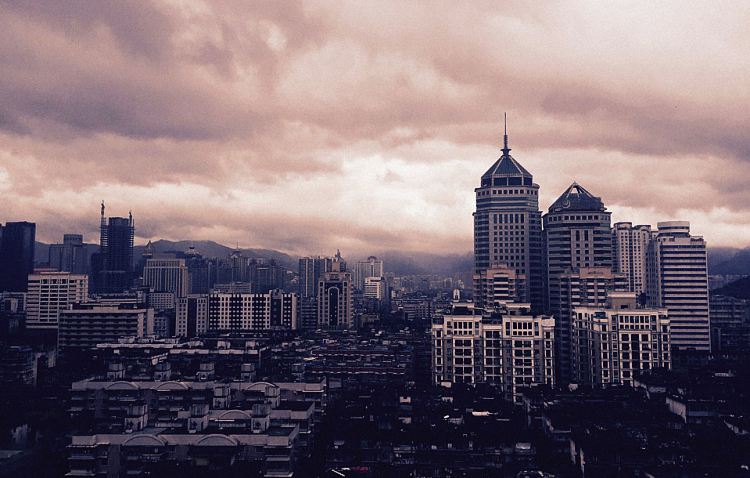
Fuzhou is the capital city of Fujian Province in southeastern China and home to roughly 8.5 million people in the wider metropolitan area. The city takes its name from Mount Fu and is famous for its hot springs, banyan-tree-lined streets and 2,200 years of recorded history. Although Fuzhou attracts fewer foreign visitors than Beijing, Shanghai or Guilin, it rewards travellers who make the trip with cultural depth, lush mountain scenery, distinctive Min cuisine and a calmer pace than the larger Chinese cities. This 2026 guide covers what to see, where to eat, how to get around and the best time to visit.
A Short History of Fuzhou
Fuzhou was founded in 202 BC during the Han dynasty under the name Ye, which makes it one of the oldest continuously inhabited cities in southern China. It served as a major port on the Maritime Silk Road from the Tang dynasty onwards and grew rich from the export of tea, silk and lacquerware. The city was opened to foreign trade in 1842 after the First Opium War and became one of the five treaty ports, which left a small but interesting legacy of European architecture in the Cangshan district.
Fuzhou is also known as the “Banyan City” because the local governor Zhang Boyu ordered banyan trees planted along every street back in the 11th century. Many of the originals still stand today and shade the older neighbourhoods. The city has produced an unusual number of famous Chinese figures over the centuries, including the modernising official Lin Zexu (whose anti-opium campaign helped trigger the Opium Wars), the early translator Yan Fu and several leading 20th-century scientists.
Top Attractions in Fuzhou
Three Lanes and Seven Alleys (Sanfang Qixiang)
The single most important sight in central Fuzhou is the Three Lanes and Seven Alleys historic district, often called a living museum of Ming and Qing dynasty architecture. The neighbourhood covers about 40 hectares and holds more than 200 ancient houses, narrow stone-paved lanes and old courtyards. Many former homes of famous Fuzhou residents, including Lin Zexu, the writer Bing Xin and the naval reformer Shen Baozhen, now operate as small museums. The area runs free to enter and stays open late into the evening, when red lanterns light the lanes and street food vendors set up along the main pedestrian street of Nanhou Street.
Earth Tower of Hakka (Tulou)
The famous Hakka tulou, the tall circular fortress homes built by the Hakka people of Fujian, sit a few hours south of Fuzhou and require a day trip. These large communal earthen buildings were constructed between the 12th and 20th centuries to protect entire clans from bandits and wild animals. The most impressive examples include the cluster at Yongding and the Tianluokeng group near Nanjing County. UNESCO inscribed 46 of the tulou on the World Heritage list in 2008.
The buildings count among the most original examples of vernacular architecture in China. Some hold up to 800 people in hundreds of identical rooms arranged across three or four floors, with shared kitchens, ancestral halls and water wells in the central courtyard. The thick rammed-earth walls are fire and earthquake resistant and remain almost completely intact after several centuries.
Minjiang Park
Minjiang Park stretches along both banks of the Minjiang River that runs through the heart of Fuzhou. The park combines traditional Chinese landscape design with wide green spaces, walking paths and cycle routes. It splits into seven themed zones, each with its own attractions and activities, and includes a large open-air theatre that hosts water shows, music performances and dance evenings during the summer.
Mingyue Islet, the small “Bright Moon” island in the middle of the river, is the most romantic corner of the park and a favourite spot for couples and wedding photographers. The riverside walks come alive at night, when the bridges and skyline reflect in the water and locals gather to practise tai chi, dance or fly kites.
Natural Spots Around Fuzhou
Mount Gu (Gushan)
Mount Gu, which translates as “drum mountain”, sits in the eastern suburbs of Fuzhou and reaches 925 metres at its highest point. The mountain is one of the most important Buddhist sites in southeastern China and famous for the lush forest, the serene atmosphere and the historic Yongquan Temple, founded in 908 AD during the Five Dynasties period. The temple holds an impressive collection of Buddhist scriptures, including rare blood-written sutras, and the monks still live and practise on the mountain today.
Mount Gu also holds outstanding cultural value: literati and officials carved more than 500 inscriptions into the cliffs during the Song dynasty and the centuries that followed, which makes the site an open-air museum of Chinese calligraphy. A cable car runs to the summit area for visitors who want to skip the climb, and several walking trails connect the temples, springs and viewpoints.
Mount Yu (Yushan)
Mount Yu sits in the centre of Fuzhou and has been one of the symbols of the city for over a thousand years. The hill rises just behind Wuyi Square and is crowned by the White Pagoda (Bai Ta), originally built in 905 AD. From the top platform, you get sweeping views over the city skyline, the Minjiang River and the surrounding hills. The companion Black Pagoda (Wu Ta) on Mount Wu, just across the square, completes the pair that has anchored the historic centre for centuries.
Fuzhou National Forest Park
The Fuzhou National Forest Park is one of the ten major national forest parks in China and covers more than 2,300 hectares of subtropical woodland. The park holds an abundance of waterfalls, rare animals, exotic plants and a 1,000-year-old banyan tree with a crown that spans more than 1,300 square metres, making it one of the largest banyan trees in China. You will also find ancient stone carvings and inscriptions left by visitors from past dynasties. The park sits about 20 km north of the city centre and works as an easy half-day escape from the urban heat.
Hot Springs
Fuzhou holds one of the densest concentrations of natural hot springs of any city in China, and locals have been bathing in them for over 1,700 years. The mineral-rich water reaches temperatures between 60 and 90 degrees Celsius at the source. Several modern spa resorts in the southwestern suburbs have built outdoor and indoor pools around the springs and include traditional Chinese medicine treatments, massage and onsen-style facilities. A relaxing evening at one of these hot springs is a typical local experience and a good way to wind down after a day of sightseeing.
Nightlife in Fuzhou
Fuzhou is more relaxed than the bigger Chinese cities, but the nightlife scene still offers plenty of variety, from traditional tea houses and Chinese opera to live music and clubs.
Live Music and Performance Venues
Several long-running establishments host live music, dance and stand-up shows. Air Force No.1 remains one of the most famous venues in the city and runs different shows for its audiences every day. The most popular performances cover song and dance recitals, instrumental shows and guest concerts on Friday and Saturday evenings.
Pyramid Music Square
The Pyramid Music Square, located in the car park of the Fuzhou International Exhibition Centre, hosts discos and music performances most nights. The entertainers usually run unusual light shows throughout the evening, and the venue books celebrities from across the region for special events.
Tea Houses and Quieter Evenings
For a quieter evening, head to a traditional tea house. The Taoyuan Tea House is one of the most refined options and serves top-quality teas alongside traditional Chinese entertainment such as guzheng music and calligraphy demonstrations. Drinking tea slowly through a long evening is a deeply rooted local custom in Fujian, the birthplace of oolong tea.
Local Food and Drink
Fuzhou is the heart of Min cuisine, one of the eight great regional culinary traditions of China. The cooking style favours light flavours, fresh seafood, careful knife work and complex seafood broths. The most famous local dishes:
- Buddha Jumps Over the Wall (Fotiaoqiang). The signature dish of Fuzhou, a rich stew of shark fin, abalone, sea cucumber, ginseng and around 20 other premium ingredients slow-cooked in a clay jar with Shaoxing wine. Legend says the aroma was so irresistible that even meditating monks would jump over walls to taste it.
- Fish ball soup (Yuwan). Tender fish balls stuffed with minced pork, served in a clear broth.
- Lychee pork (Lizhirou). Sweet and sour pork shaped to resemble lychees, a classic example of the local love for delicate presentation.
- Oyster omelette (O-a-jian). A street food favourite shared with neighbouring Taiwan and the rest of the Min-speaking world.
- Peanut soup with youtiao. A traditional sweet breakfast of creamy peanut soup served with deep-fried dough sticks.
The city is also a major centre for tea production. Fujian gave the world both oolong tea and the famous Da Hong Pao from the Wuyi Mountains. Stop into any traditional tea house and ask for a tasting flight to see why the local tea culture has survived for over a thousand years.
How to Get to Fuzhou
Fuzhou Changle International Airport (FOC) sits about 50 km southeast of the city centre and connects Fuzhou to most major Chinese cities, plus a growing list of international destinations across Southeast Asia. A dedicated metro line and an airport expressway link the airport to downtown in about an hour.
High-speed trains make Fuzhou easy to reach from elsewhere in China. The journey from Shanghai takes around five hours, from Xiamen about 90 minutes and from Beijing about eight hours. The main station is Fuzhou Station in the north of the city, with the larger Fuzhou South Station serving most high-speed services.
Getting Around the City
Fuzhou has a growing metro system with several lines that connect the airport, both major railway stations and the central historic district. Buses cover the rest of the city, and ride-share services such as Didi work well for short trips. The historic centre and the Three Lanes and Seven Alleys area are best explored on foot.
Best Time to Visit Fuzhou
Fuzhou has a humid subtropical climate with hot summers and mild winters. The most pleasant months for sightseeing run from October to December and again from March to May, when temperatures sit between 18 and 25 degrees Celsius and the humidity drops. Summers (June to September) bring high temperatures, heavy rain and the risk of typhoons, especially in August. Winters stay mild but can feel damp and cool indoors because most southern Chinese homes have no central heating.
Practical Tips
- Currency. Chinese yuan (CNY). Mobile payment via Alipay and WeChat Pay dominates everywhere, even at street stalls. Set up a Tour Card on either app before you arrive.
- Language. Mandarin is the official language, but most locals also speak the Fuzhou dialect among themselves. English is limited outside top hotels, so a translation app helps.
- Visa. China has expanded its visa-free transit policy, and many nationalities can now visit Fuzhou for up to 240 hours without a visa. Check the latest rules before you travel.
- SIM and internet. A local SIM or eSIM works best, and most travellers also use a VPN to access services blocked in China.
- Cash. Carry a small amount for backup, but you will rarely need it.
Final Thoughts
Fuzhou rewards travellers who skip the obvious Chinese tourist trail and look a little deeper. The mix of ancient lanes, banyan-shaded streets, mountain temples, hot springs and the unique Min cuisine gives the city a character all its own. Spend an evening in Three Lanes and Seven Alleys, climb Mount Gu in the morning, soak in a hot spring in the afternoon and try Buddha Jumps Over the Wall for dinner, and you start to understand why this quiet southeastern capital has anchored Fujian Province for more than two thousand years.