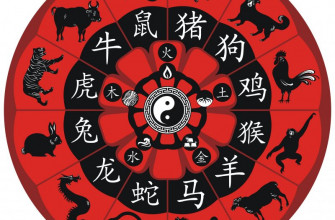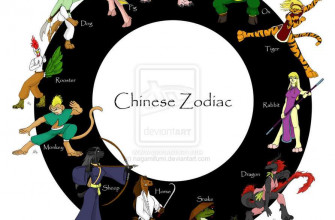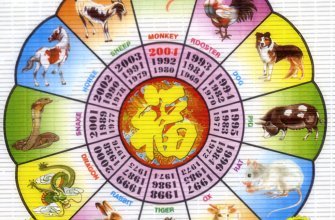
Quick-thinking, resourceful, and watchful people tend to share one thing on their birth records: a Rat year. The Year of the Rat opens the 12-animal cycle in the Chinese zodiac, and Chinese folklore credits the Rat with outwitting 11 larger animals to take first place in the Jade Emperor’s Great Race. Rat years run on a 12-year rotation: anybody born in 1924, 1936, 1948, 1960, 1972, 1984, 1996, 2008, 2020, or 2032 is a Rat.
This profile covers Rat personality in depth, the element modifiers (Wood Rat, Fire Rat, Earth Rat, Metal Rat, Water Rat), compatibility with the other 11 signs, career-path guidance, and famous Rat-born figures from recent decades.
Years of the Rat
The Rat returns every 12 years, and each return carries a different element from the five-phase cycle:
- 1924 – Wood Rat
- 1936 – Fire Rat
- 1948 – Earth Rat
- 1960 – Metal Rat
- 1972 – Water Rat
- 1984 – Wood Rat
- 1996 – Fire Rat
- 2008 – Earth Rat
- 2020 – Metal Rat
- 2032 – Water Rat (upcoming)
One detail to watch: Chinese zodiac years begin on Lunar New Year, not January 1. A person born in early January 2020 is still a 2019 Earth Pig; somebody born on February 1, 2020 is a Metal Rat. For the full cutoff dates, see our Chinese Lunar Calendar page.
Rat Personality Traits
Rat-born people score high on intelligence, adaptability, and social observation. They notice small details other people miss: the subtle shift in a colleague’s mood, the odd item on a budget report, the rain cloud forming three hours before the meeting ends. That observational advantage feeds their reputation for cleverness and often gets misread as manipulation when it is actually pattern recognition.
Rats plan with a long horizon. They save money early, invest patiently, and make decisions that pay off on a 10-year timeline rather than a 10-week one. Their friends often describe them as generous, though with a streak of frugality about personal purchases. A Rat will spend lavishly on a friend’s wedding gift and then eat instant noodles for a week to balance the budget.
On the shadow side, Rats can overanalyse situations, sit with grievances for too long, and talk faster than their listeners can process. They work best in environments that value preparation and punish improvisation.
Rat Strengths and Weaknesses
Rat strengths include:
- Sharp analytical thinking and fast pattern recognition
- Financial discipline and long-term planning
- Adaptability to new environments and jobs
- Social intuition, especially in small-group settings
- Curiosity that drives lifelong learning
Rat weaknesses tend toward:
- Overthinking and decision paralysis
- Holding grudges longer than the situation warrants
- A tendency to control rather than collaborate
- Restlessness when forced into routine
- Reluctance to share emotional vulnerability
Rat in Love and Relationships
Rats thrive in relationships with partners who match their long-term planning instinct. The classic strong pairings are Ox, Dragon, and Monkey. The Rat-Ox match, reinforced by the Great Race myth where the Rat rode on the Ox’s back, is famously stable: the Ox provides emotional steadiness while the Rat supplies cleverness and social energy.
Rat-Dragon produces a charismatic power couple. Both partners love influence and visibility, but the Dragon’s extroversion pulls the Rat out of introspection. Rat-Monkey is the intellectual partnership of the zodiac: both signs love wordplay, puzzles, and plotting.
Challenging matches are Horse (the spender clashes with the saver), Sheep (the Rat’s directness hurts the Sheep’s sensitivity), and Rooster (two critical minds amplify each other). Full compatibility detail lives on the Chinese Zodiac Compatibility page.
Rat Career and Wealth
Rats excel in professions that reward analysis, pattern recognition, and strategic patience. Classic strong career paths include accounting, financial analysis, law (especially corporate law), journalism, research, and medicine. Rats also thrive in small-business ownership because they can project cash flow months ahead and notice supplier-cost changes before competitors do.
On money: Rats are the saving champions of the zodiac. They build emergency funds early, diversify investments without being told to, and negotiate with a patience that frustrates sales staff but wins over the long term. Rats born in Metal years (1960, 2020) are especially disciplined with finances; Water Rats (1972, 2032) add intuition about market movements.
Famous People Born in the Year of the Rat
The Rat roster across recent decades includes some major figures:
- William Shakespeare, born 1564 – Wood Rat
- LeBron James, born 1984 – Wood Rat
- Prince Harry, Duke of Sussex, born 1984 – Wood Rat
- Scarlett Johansson, born 1984 – Wood Rat
- Jude Law, born 1972 – Water Rat
- Cameron Diaz, born 1972 – Water Rat
- Eminem (Marshall Mathers), born 1972 – Water Rat
- Mark Zuckerberg, born 1984 – Wood Rat
- Antonio Banderas, born 1960 – Metal Rat
- Hugh Grant, born 1960 – Metal Rat
The pattern that emerges across the list: long-running careers, reinvention after setbacks, and a willingness to work outside conventional paths. Shakespeare pivoted between acting, writing, and theatre management; Zuckerberg rebuilt Facebook from dorm-room startup to global platform; Eminem clawed back from two retirements and rebuilt his catalogue.
Rat in Chinese Mythology and Culture
The Rat’s prominence in Chinese folklore runs deeper than the Great Race story. In the Shang dynasty (roughly 1600-1046 BCE), rats appeared on oracle-bone inscriptions as symbols of abundance: a granary full of rats meant surplus grain, which in agricultural China was a measure of household wealth. Archaeologists digging at the Yinxu site in Henan have catalogued bronze ritual vessels where rat motifs sit alongside agricultural imagery.
Later Chinese literature treats the Rat ambivalently. Tang-dynasty poetry describes rats raiding scholar libraries, chewing through manuscripts that took decades to compose. Ming-era storytellers cast rats as clever tricksters in folktales meant to teach children about cunning. Modern Chinese New Year decorations in Rat years show the animal holding gold coins or grain stalks, returning to the prosperity symbolism.
The Cantonese dim sum tradition includes a dumpling called shǔjiǎo (鼠饺), literally “rat dumpling,” though the shape refers to the animal’s pointed ears rather than to any rat ingredient. Chinese parents also still invoke rat imagery when praising a child’s cleverness: “as quick as a rat” is a compliment in Mandarin, though it does not translate well to English.
Lucky Numbers, Colours, and Directions
Traditional Chinese astrology assigns each zodiac animal lucky and unlucky attributes that Chinese families still consult when choosing house numbers, colour schemes, and travel directions.
- Lucky numbers: 2 and 3 (and any number ending with them)
- Unlucky numbers: 5 and 9
- Lucky colours: blue, gold, green
- Unlucky colours: yellow, brown (considered draining for Rat energy)
- Lucky directions: west, northwest, southeast
- Lucky flowers: lily, African violet
- Compatible gemstones: garnet, ruby
For element-specific guidance (Metal Rat vs Water Rat and so on), the Chinese Zodiac Elements page breaks down how element modifiers alter the basic Rat profile. Birth-hour effects sit on our Chinese Zodiac Hours page.
Children Born in the Year of the Rat
Chinese families traditionally view Rat-year babies as promising academically. Folk tradition credits Rat children with early reading, strong memory, and a natural gift for arithmetic. Teachers in Chinese primary schools anecdotally report that Rat-year cohorts produce more accountants, engineers, and lawyers than adjacent years, though no rigorous study has confirmed the pattern.
Rat children often need quiet space to think. Open-plan kindergartens can overwhelm them; one-on-one tutoring suits them better than large-group instruction. Parents notice that Rat children save pocket money instead of spending it, ask pointed questions about household budgets, and remember promises made six months earlier. Handling those traits with patience rather than dismissal produces the strongest adult outcomes. Chinese grandparents often say Rat children need a listener before they need a teacher, and the adage holds up in modern parenting research on introverted, analytical temperaments. Giving the child unstructured time with books, puzzles, or nature observation builds the confidence that later flowers into the Rat adult’s signature planning skill.
Frequently Asked Questions
What year is the Year of the Rat?
Recent Rat years: 1948, 1960, 1972, 1984, 1996, 2008, 2020. Next Rat year: 2032. Each Rat year starts at Lunar New Year, not January 1, so people born in late January or early February should check the exact cutoff.
Is the Rat a lucky zodiac sign?
The Rat is considered fortunate in Chinese tradition for its cleverness and adaptability. Rat years are seen as good years to start saving, plant long-term investments, or begin studies – less ideal for impulsive risks.
Who should a Rat marry?
Best matches are Ox, Dragon, and Monkey. Moderate matches include Rabbit, Snake, Dog, and Pig. Hard matches are Horse, Sheep, and Rooster. Full compatibility guidance on our compatibility page.
What element is the 2020 Rat?
The 2020 Rat is a Metal Rat. People born in 2020 carry discipline, precision, and financial focus, according to traditional astrology. The next Metal Rat year will be 2080.
What professions suit Rat-born people?
Finance, law, research, journalism, medicine, and small-business ownership suit Rats well. The common thread: work that rewards analysis, long-term planning, and attention to detail.
Sources and Further Reading
- Chinese Astrology: Exploring the Eastern Zodiac – Shelly Wu, Red Wheel/Weiser
- The Handbook of Chinese Horoscopes – Theodora Lau, Souvenir Press
- Year of the Rat – China Highlights chinahighlights.com
- Lunar New Year profile data – Asia Society asiasociety.org
- Historical birth year lookup – Hong Kong Observatory hko.gov.hk