Croatia’s holiday coast runs more than a thousand miles down the Adriatic, past walled medieval towns, over a thousand islands and a string of pebble coves backed by pine and limestone. There is no single “Croatia resort” experience: Istria in the north feels Italian and gentle, Dalmatia in the south is the postcard coast of Split, Hvar and Dubrovnik, and the islands range from party hotspots to near-empty hideaways. This guide groups the best resorts by region, says honestly which suits which kind of trip, and covers the practical things that trip first-timers up, from the pebble beaches to the new currency.
Dalmatia: the classic coast
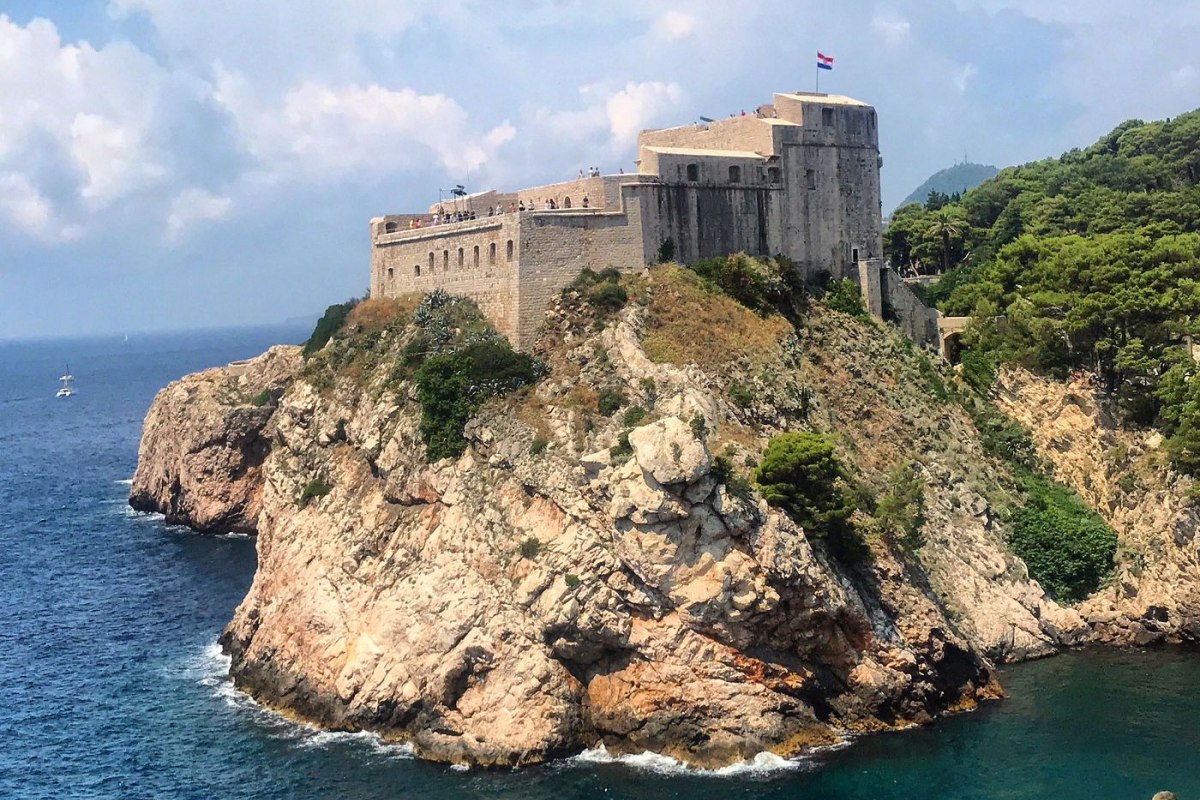
The southern coast is the Croatia of the brochures, a line of historic towns and island resorts between Split and Dubrovnik.
Split
The coast’s lively second city and main southern gateway, built inside and around the Roman walls of Diocletian’s Palace, a living old town of cafes, bars and apartments rather than a museum. It is the ferry hub for the islands and the best base for combining city life with island day trips.
Hvar
The glamorous island, long called the queen of the Dalmatian islands, with lavender fields and old-town stone alongside the busiest nightlife on the Adriatic. Hvar Town is the celebrity-and-yacht party scene, with beach clubs like Carpe Diem and boat parties out to the Pakleni islands. Reviewers are clear about one thing: from June to September Hvar barely sleeps, so it is the wrong pick for a quiet family week and the right one for a lively one.
Bol and Brac island
Bol, on Brac island, is the address for one beach in particular: Zlatni Rat, the Golden Cape, a tongue of shingle that shifts shape with the wind and appears on every Croatia poster. Day boats pour in from Hvar and Split, so the beach is busiest in the middle of the day and calmest early and late.
Makarska Riviera
A forty-mile stretch of shingle and pebble beaches below the grey wall of the Biokovo mountains, busier and better value than the islands, with a strip of water sports and night spots. It suits an active beach holiday more than a quiet one.
Korcula
A wooded island with a walled town that claims Marco Polo as a son, and a rare run of sandy and shingle coves, sand being scarce on the Adriatic. Calmer than Hvar, with vineyards and a quieter, more local feel.
Dubrovnik
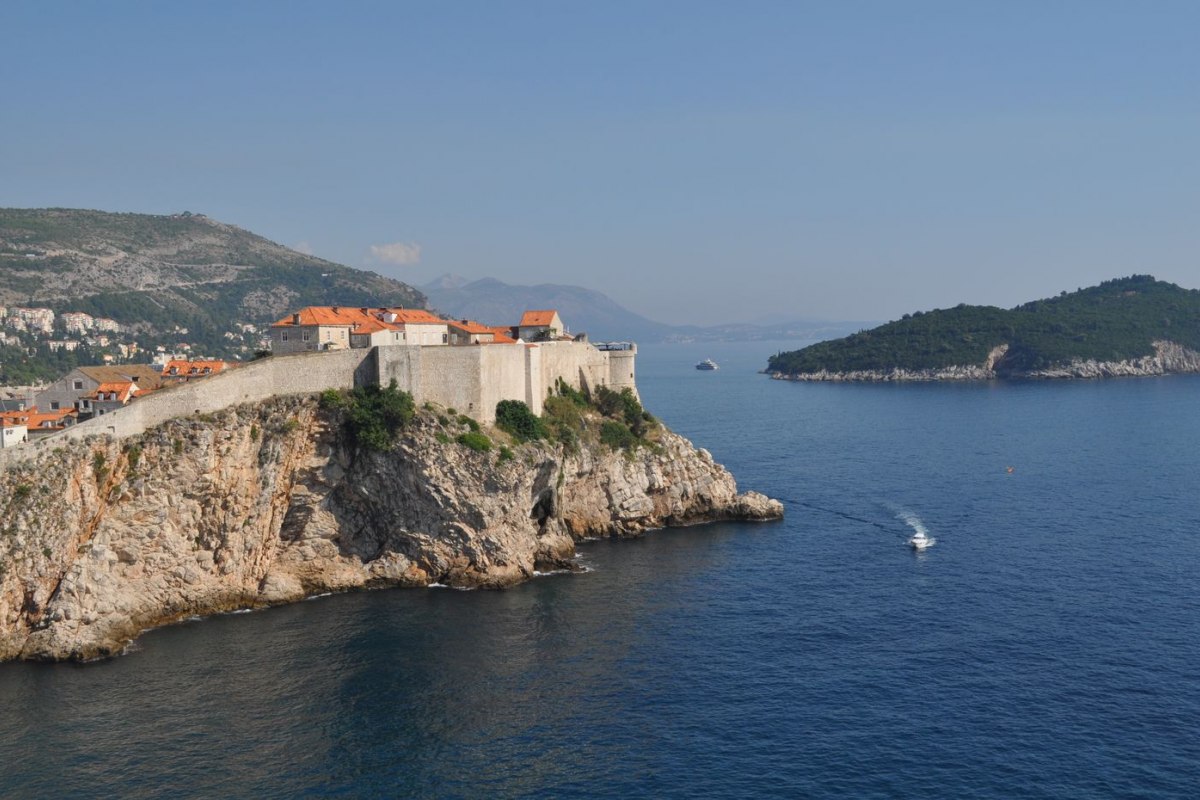
The walled city, King’s Landing to a generation of television viewers, with its marble streets, monasteries and Renaissance palaces behind the great sea walls. It is also the busiest stop on the coast: roughly sixty percent of all Croatia cruise passengers land here, and the old town floods between about nine in the morning and four in the afternoon. The reviewers’ advice is unanimous, walk the walls and the streets before nine or after four, or stay over and have the evening city almost to yourself.
Cavtat
A calmer alternative just south of Dubrovnik, a pretty harbour town of palm-lined promenades, clear swimming and good restaurants, close enough for a day in the city but a world quieter at night.
Zadar
A Roman and medieval old town on a peninsula, best known for two modern artworks on its waterfront: the Sea Organ, which turns wave motion into music through pipes under the marble steps, and the Greeting to the Sun, a solar light installation that glows after dark. It is a calmer, cheaper base than Split, with ferries out to the Kornati islands.
Istria and Kvarner: the gentle north
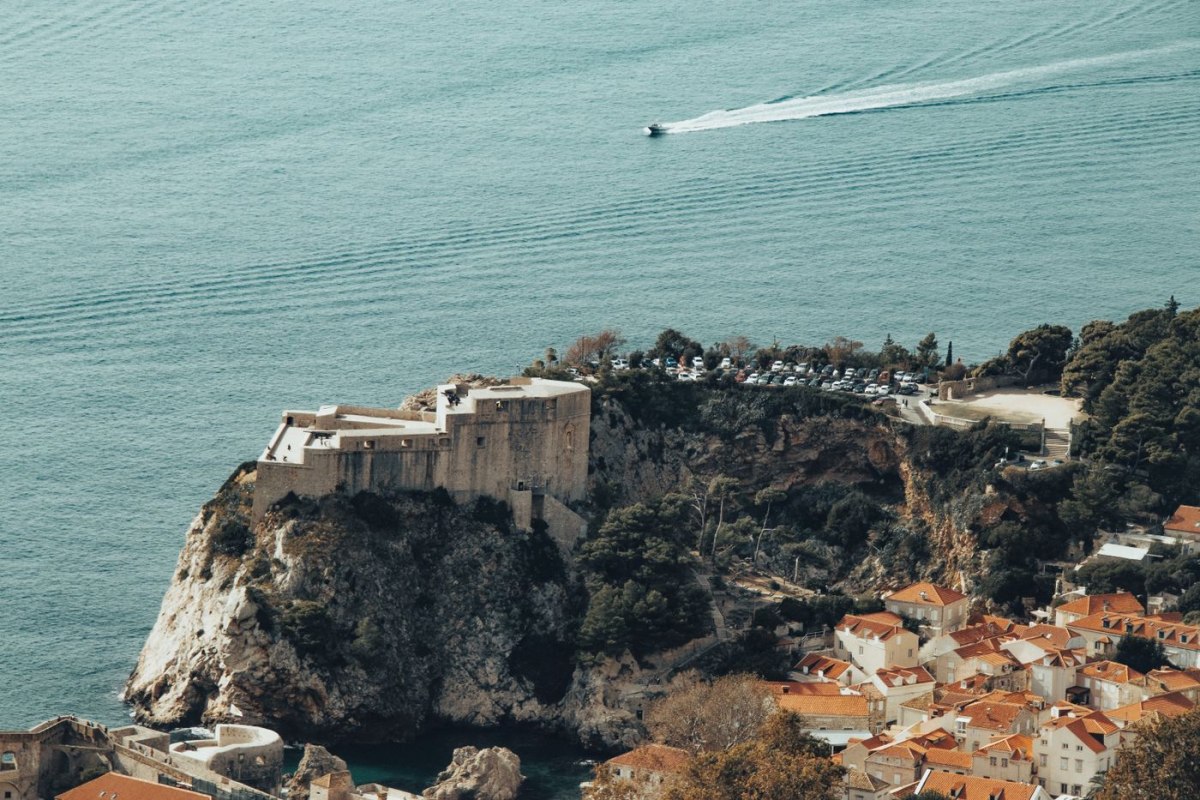
The northern coast is closer to Venice in feel and history, with smaller distances, calmer water and a strong food-and-wine streak.
Porec
The largest and liveliest Istrian resort, family-friendly and well organised, with a clutch of blue-flag beaches and the sixth-century Euphrasian Basilica and its gold mosaics, a UNESCO site, in the old town. A good-value base for a first Croatia trip with children.
Rovinj
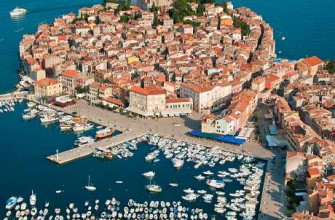
The prettiest town in Istria, a tumble of pastel houses climbing to a hilltop church above a fishing harbour, more romantic and boutique than Porec. The full picture is in the Rovinj holidays guide.
Opatija
The grande dame of the Kvarner coast, a genteel Habsburg-era resort of belle-epoque villas and the seafront Lungomare promenade, calm and elegant and popular with an older crowd who come for the cafes and the sea air rather than the nightlife.
Pula
At the tip of Istria, a working town built around one of the best-preserved Roman amphitheatres anywhere, still used for summer concerts, with beaches and the Brijuni islands national park close by.
Beyond the resorts: the waterfalls
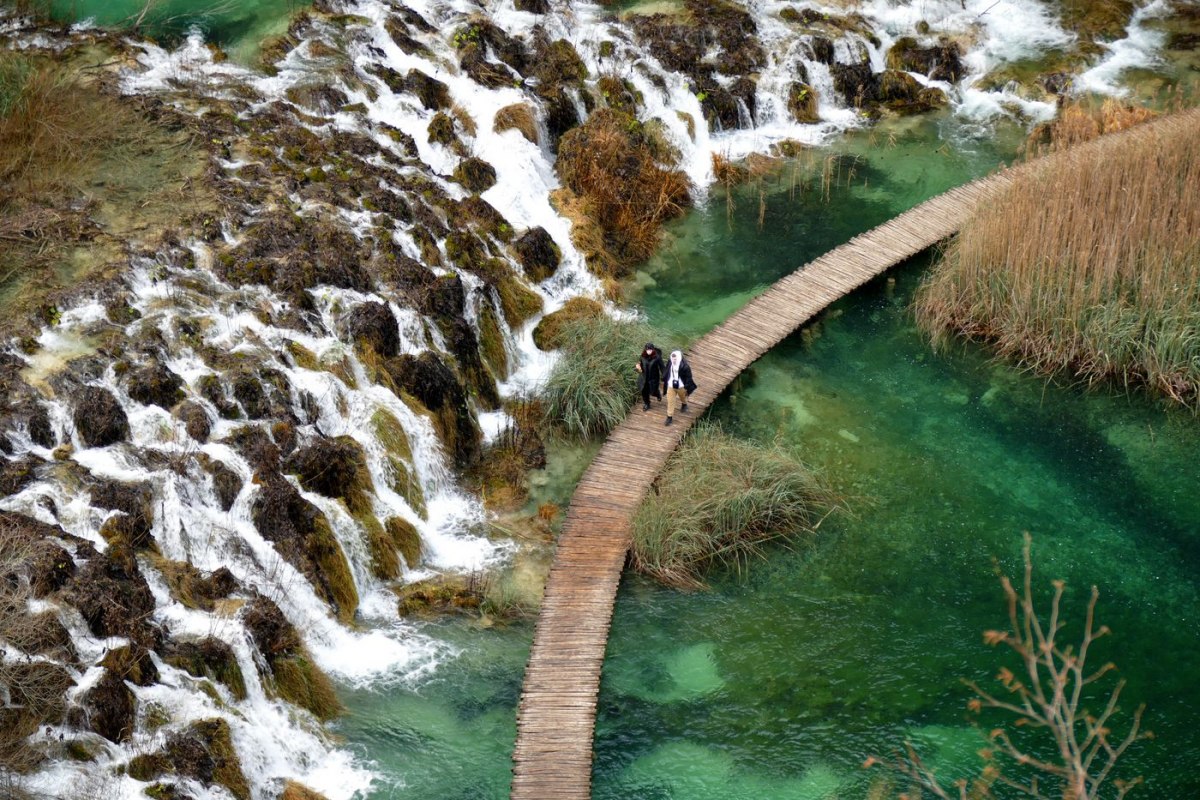
The two great inland day trips are the lake-and-waterfall national parks, and both reward an early start.
- Plitvice Lakes: the famous chain of turquoise terraced lakes and waterfalls linked by wooden walkways, a UNESCO site between Zagreb and the coast. It is hot and packed in summer; reviewers say go at opening before nine, book a timed entry online, and plan on four to five hours, which is plenty.
- Krka: closer to Split, with waterfalls you can admire from boardwalks and a more relaxed feel than Plitvice.
Which Croatia holiday suits you
- Nightlife and scene: Hvar, and the beach club strip of Zrce on Pag island.
- Families: Istria, around Porec and Rovinj, and the Makarska Riviera, for shorter distances and organised resorts.
- History and cities: Dubrovnik and Split.
- Quiet and slow: the smaller islands, Cavtat and Opatija.
- On the water: the whole coast is built for sailing, with the boat and yacht holidays and coastal cruises covered in their own guides.
Practical planning
- The beaches are pebble, not sand. Croatia’s karst limestone coast means shingle, pebble and rock coves rather than soft sand, with gloriously clear water over them. Pack water shoes, the one thing every reviewer insists on, to walk in and out comfortably.
- The currency is now the euro. Croatia adopted the euro and joined the Schengen area at the start of 2023, so the old kuna is gone and there are no border checks arriving from other Schengen countries. Ignore older guides that still quote kuna.
- When to go: June and September are the sweet spot, with warm sea, long days and far smaller crowds than the hot, packed and pricey July and August peak. May and October are quieter and cooler, good for walking and the towns rather than swimming.
- Getting there and around: the main airports are Split, Dubrovnik, Pula, Zadar and Zagreb. There is no coastal railway, so the islands and towns are linked by the Jadrolinija car and catamaran ferries and by the coastal road; plan island-hopping around the ferry timetable.
- Resorts versus apartments: Croatia runs more on private apartments and town hotels than on big all-inclusive complexes, which are relatively few. For the ones that exist, see the all-inclusive Croatia holidays guide.
Frequently asked questions
Which is the best holiday resort in Croatia?
It depends on the trip. Dubrovnik and Split for history and city life, Hvar for nightlife, Porec and Rovinj in Istria for families, Bol on Brac for the famous Zlatni Rat beach, and Cavtat or the smaller islands for a quiet stay. There is no single best; match the resort to the holiday you want.
Does Croatia have sandy beaches?
Mostly no. The Adriatic coast is pebble, shingle and rock, a result of the limestone geology, with a few sandy exceptions such as parts of Korcula and Lopar on Rab. The water is exceptionally clear, but water shoes make getting in and out far more comfortable.
When is the best time to visit Croatia?
June and September offer the best balance of warm sea, sunshine and manageable crowds. July and August are hottest, busiest and most expensive, while May and October suit sightseeing and walking more than swimming.
What currency does Croatia use now?
The euro. Croatia adopted it and joined the Schengen area at the start of 2023, replacing the kuna, so you pay in euros and cross from other Schengen countries without border checks.
How do you avoid the crowds in Dubrovnik?
Time it around the cruise ships. The old town is busiest from about nine in the morning to four in the afternoon when day-trippers are ashore, so walk the walls and the streets early or in the evening, or stay overnight to enjoy the city after the ships leave.
Is Croatia good for a family holiday?
Yes, especially Istria around Porec and Rovinj and the Makarska Riviera, where distances are short, beaches are organised and the water is calm. Hvar, by contrast, is a nightlife island better suited to couples and groups than to young children.
Sources
- Croatian National Tourist Board – official regions, resorts and travel information
- Plitvice Lakes National Park – tickets, opening hours and timed entry
- Jadrolinija – the national ferry network between the coast and islands